A common misconception is that gelato and granita are simply two versions of ice cream. They are different foods with different textures, serving customs and regional roots. Street food follows the same rule: a quick bite in Palermo, Naples or Rome often reflects local weather, work habits and history more clearly than a formal menu.
No state law is discussed here; this guide concerns food customs, travel planning and practical expectations.
Gelato vs Granita: What Is the Difference?
The short verdict
Gelato is the better choice when you want a creamy, dense dessert that you can eat slowly. Granita wins when the heat is heavy and you want something colder, lighter and more refreshing. Neither is a lesser version of the other.
A practical comparison
| Food | Texture | Best moment | What to expect |
|---|---|---|---|
| Gelato | Smooth and dense | Late afternoon or evening | Rich flavor and a slow melt |
| Granita | Crystalline and spoonable | Morning or the hottest part of the day | Sharp refreshment and a cleaner finish |
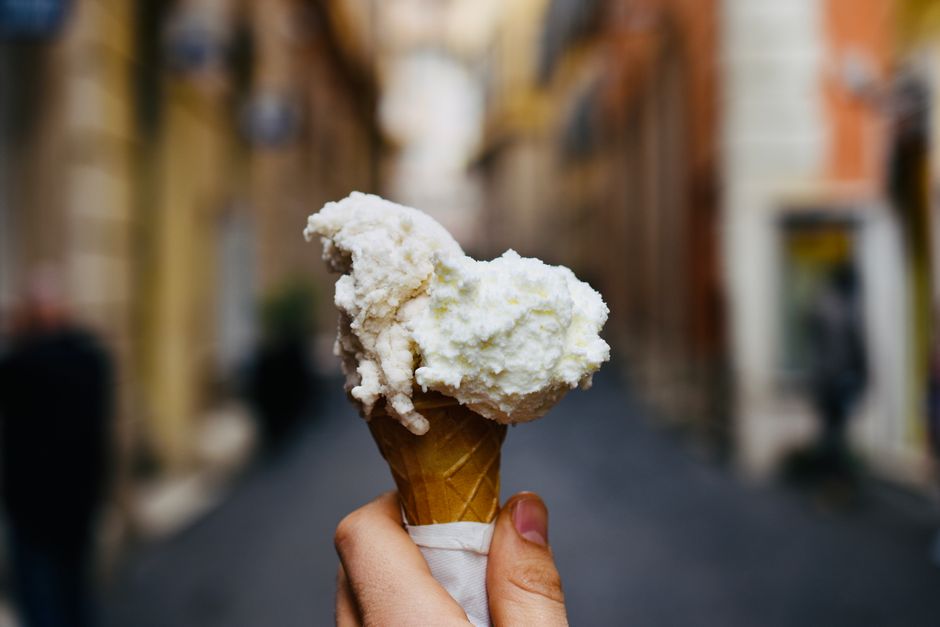
| Gelato with a cone | Soft and portable | Walking through a historic center | A casual snack that needs careful pacing |
| Granita with brioche | Cold, grainy and soft together | Sicilian breakfast | A filling contrast between frozen and baked textures |
The biggest regional distinction appears in Sicily, where granita can be part of breakfast rather than an occasional dessert. Almond, lemon and coffee versions are common examples, although recipes vary from town to town. Gelato tends to be associated with a wider range of flavors and a more dessert-focused setting. The best choice is clear: choose granita for heat management and gelato for a longer evening pause.
Why Italian Summer Food Follows the Heat
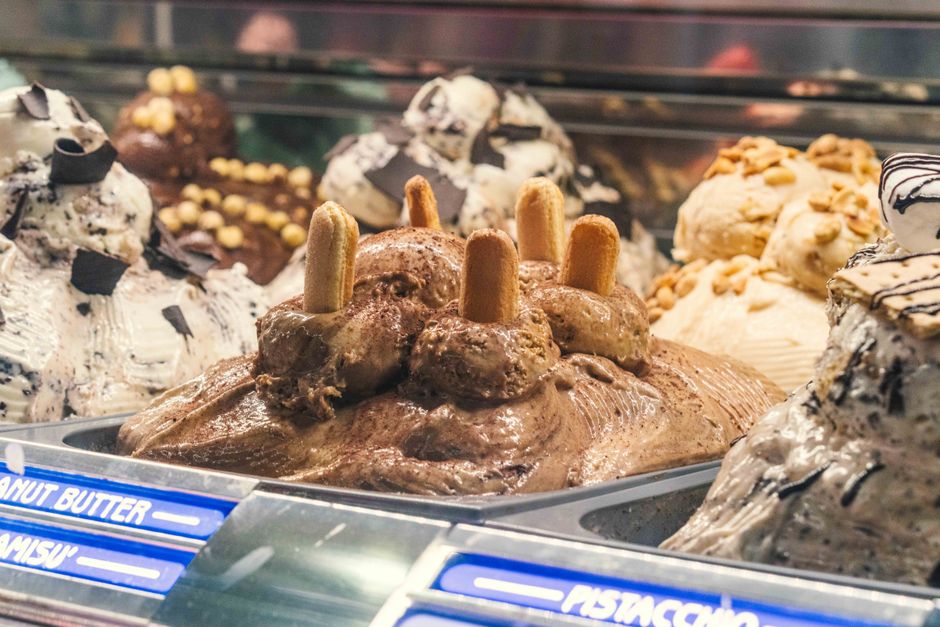
Cold food solves a real travel problem
Summer eating in Italy is built around timing. The middle of the day can be bright, crowded and physically tiring, especially on stone streets with little shade. A chilled food creates a pause without requiring a long restaurant meal. That is why a traveler may see people eating granita early in the day, then choosing a small fried snack later, when the streets become more comfortable.
Texture matters as much as temperature. Gelato feels substantial because air and fat create a smooth, compact mouthfeel. Granita uses ice crystals to deliver a sharper sensation. Fried street food offers the opposite experience: a crisp shell, a hot center and a stronger sense of satiety. These foods answer different needs during the same day.
Regional climate shapes regional habits
Sicily gives granita a central place because the island has a long tradition of citrus, almonds and coffee, along with hot summers that reward cold breakfasts. In Naples, fried foods make sense as portable meals in a dense urban setting. In Rome, small savory snacks fit naturally between visits to museums, churches and public squares. These are broad patterns, not rigid rules. Local practice changes between neighborhoods, seasons and family-run kitchens.
The useful principle is simple: plan around heat, walking distance and appetite. A traveler who orders a heavy meal at noon may lose energy before the afternoon sights. A traveler who treats every snack as a full meal may miss the variety that makes Italian summer food memorable.
How to Plan a Day Around Summer Street Food
Use a five-step eating plan
- Start with a light breakfast. In Sicily, granita with brioche can be a practical morning meal. Elsewhere, choose something modest and leave room for later stops.
- Visit a market before lunch. Markets reveal ingredients, regional habits and serving sizes. Go early, when the food has not spent hours in the sun.
- Choose one substantial street-food item. A fried rice ball, stuffed pastry or folded flatbread can anchor the day. One carefully chosen item is easier to enjoy than several rushed bites.
- Schedule one cold pause. Place gelato or granita after a walk, not immediately before a long climb. The pause should restore energy rather than add another task.
- Keep dinner flexible. Street-food portions vary. Leave the final meal open instead of booking a large dinner before you know how hungry you will be.
Read the setting before ordering
- Prefer a steady local queue over an empty counter with food sitting in direct sunlight.
- Watch how residents order, carry and eat the food. Their behavior often answers questions faster than a menu.
- Ask about allergens clearly, especially nuts, dairy, wheat and shellfish.
- Carry water, tissues and a small amount of patience. Crowded counters rarely work at a relaxed restaurant pace.
This approach produces a better day because it treats food as part of the route. The strongest itinerary has room for appetite to change.
What Should You Expect at a Gelateria or Street Stall?
How do you order gelato?
First choose the serving size, then the vessel, then the flavors. A small serving is often enough for two flavors because gelato is dense. Look for visible texture and active service rather than tall, brightly colored mounds.
How is granita usually served?
Granita may arrive in a cup, a glass or alongside soft bread. The consistency can range from fine and almost spoon-smooth to coarse with clear ice crystals. Stirring is normal if the liquid and ice have separated. Lemon granita is usually sharper, almond granita is rounder, and coffee granita tends to feel more like a breakfast or afternoon option.
What makes street food feel different?
Street food is rarely a silent, formal experience. You may order at a counter, move aside for the next person and eat standing near a busy square. Portions can vary because many items are shaped by hand. That variation is part of the food culture, but it also means you should ask one direct question when needed: Is this served hot now, or was it prepared earlier?
The clear recommendation is to choose places with visible turnover and simple, understandable service. You do not need a perfect visual display. You need food that fits the moment and a setting that handles it with care.
A Flexible Italy Summer Food Itinerary
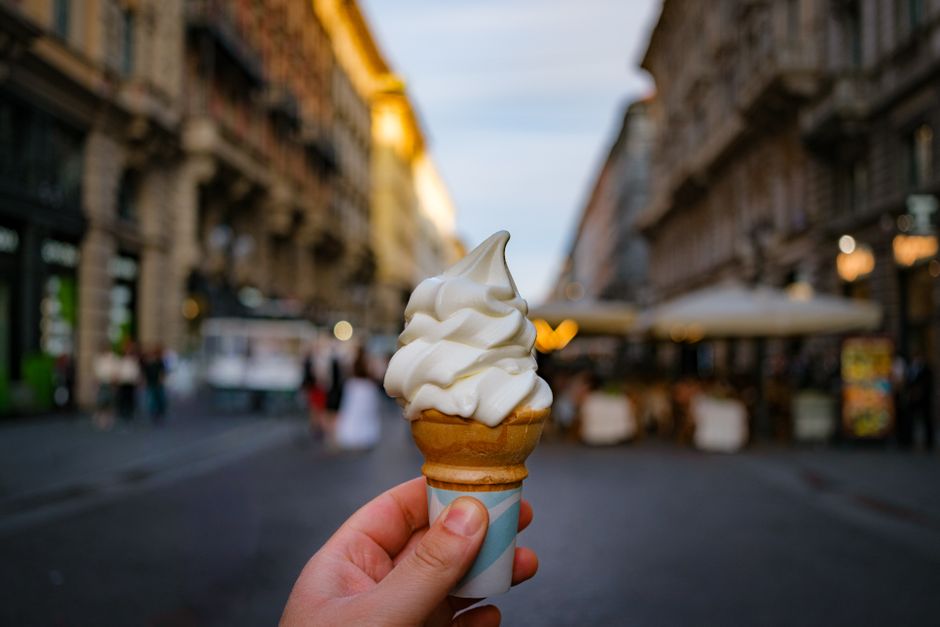
One day, adjusted by region
The following plan works as a template rather than a fixed tour. It can be used in a Sicilian city, a southern Italian town or a larger historic center with a strong market culture. The order matters more than the exact location: start cool, eat lightly, pause during the heat and return to savory food later.
| Approximate time | Activity | Food focus | Practical reason |
|---|---|---|---|
| 08:00 | Breakfast near your accommodation | Granita with bread in Sicily, or a light local breakfast elsewhere | Begin before the streets become hot |
| 10:30 | Market or neighborhood walk | Small tastes, fruit or a shared savory bite | Markets are easier to navigate before midday crowds |
| 13:00 | Short lunch stop | One filling street-food item with water | A defined portion protects your afternoon energy |
| 16:00 | Indoor visit or shaded rest | No planned food required | Leave room for appetite and avoid eating from habit |
| 18:00 | Cooling walk | Gelato or granita | The temperature usually becomes easier for walking |
| 20:30 | Evening street or piazza | A second savory snack only if genuinely hungry | Evening eating can be social and unhurried |
Do not try to cover several cities in one food day. A regional specialty loses its meaning when consumed between train connections. Stay in one neighborhood long enough to notice opening rhythms, queue patterns and the difference between a snack eaten quickly and one treated as a social break.
Mistakes That Make Italian Summer Eating Worse
Common failure modes
- Ordering too much at the first stop. Variety is the point, so protect your appetite.
- Ignoring the hottest hours. A long outdoor queue can turn a good plan into an exhausting one.
- Confusing popularity with fit. A famous stop may be worthwhile, but a nearby neighborhood counter can suit your route better.
- Rushing a regional custom. Granita with brioche is not only a flavor combination; in Sicily it can also be a morning rhythm.
- Failing to ask about ingredients. Nut, dairy, wheat and seafood allergies require direct questions and careful choices.
When should you skip the next food stop?
Skip it when you are no longer hungry, when the food has been sitting in harsh heat, or when the stop forces you far away from the route. Skipping one item is not a missed opportunity. It can preserve your energy for a better meal later.
The strongest summer food plan is not the one with the most stops. It is the one that leaves enough time to taste each stop, notice the region behind it and keep walking with interest.
Italy’s cold desserts and street foods will keep changing with local habits, climate pressures and new generations of cooks. The enduring appeal lies in the same balance: simple food, precise timing and a close connection between what people eat and how they move through a place.