Greece has roughly 6,000 islands and islets, but only about 227 are inhabited. That sounds like freedom until you try to choose a route. For a first trip, the smartest plan is not to collect as many islands as possible. It is to choose one island group, allow time for ferry delays, and stay long enough to see how each place actually feels.
Choose One Island Group, Not All of Greece
The Cyclades suit a first trip with classic scenery
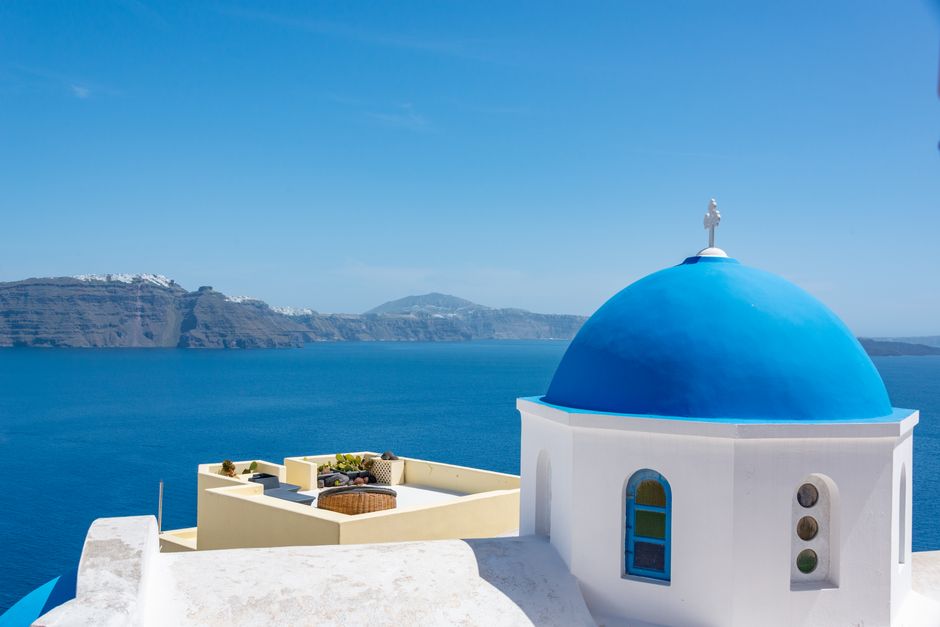
The Cyclades are the familiar Greece of white villages, blue domes, dry hills, and bright Aegean water. A route through Syros, Naxos, Paros, or Milos gives you a useful mix of beaches, local towns, food, and boat connections. Santorini offers dramatic views and volcanic landscapes, but it is not the best place to spend an entire first trip if you want quiet beaches and a relaxed local pace. Use it for a short visit or pair it with a less intense island.
The Ionian Islands offer greener landscapes
Choose the Ionian Islands if you prefer lush hills, calm coves, Venetian architecture, and a softer landscape. Corfu, Paxos, Lefkada, Kefalonia, and Zakynthos do not feel like interchangeable versions of the Cyclades. Some routes work better by local boat or road than by a single direct ferry, so the group rewards travelers who enjoy slower planning. Corfu is the strongest starting point for a first visit because it has a substantial town, varied neighborhoods, and a wider range of transport options.
The Saronic Islands are the easiest short escape
Hydra, Aegina, Poros, and Spetses sit close to Athens and suit a short itinerary or a first taste of island travel. They are useful when your flight arrives late, when you want to avoid a long transfer, or when your trip has fewer than six nights. Hydra is especially easy to understand on foot because cars are not part of the island experience in the usual way.
The verdict: choose the Cyclades for variety and iconic scenery, the Ionian Islands for green landscapes and swimming coves, and the Saronic Islands for the simplest short trip.
How Many Islands Fit Into a First Trip?
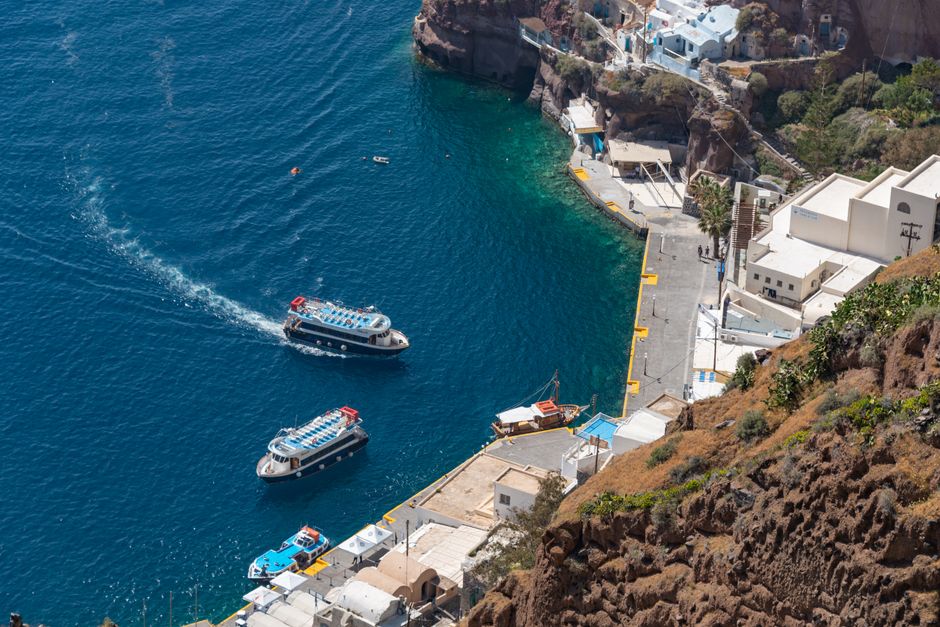
Most first-time visitors plan too many stops. Every island change includes packing, reaching the port, waiting to board, finding accommodation, and learning a new local bus or taxi system. A route that looks efficient on a map can remove half a day from every transfer.
Use nights, not island names, to plan the route
Count the nights you have after removing arrival and departure buffers.
| Total nights | Recommended number of islands | Practical route shape | What the trip feels like |
|---|---|---|---|
| 3 to 4 | 1 island | Athens plus one nearby island | Easy, with time for beaches and a town |
| 5 to 7 | 2 islands | One larger island and one smaller island | Balanced, with one meaningful ferry day |
| 8 to 10 | 2 or 3 islands | Two nearby islands plus an optional final stop | Varied, but still manageable |
| 11 to 14 | 3 islands | One base, one contrast, one quiet finish | Unhurried and flexible |
Build contrast into the route
Do not select three islands because they all have beautiful beaches. Pair different experiences instead: a working port town, a beach-focused island, and a quieter village-based island. Naxos and Paros can provide this contrast within the Cyclades, while Hydra and Aegina create a sharper difference over a short trip. The best route feels like a sequence of distinct places, not three copies of the same postcard.
For most first-timers, two islands in seven nights is the clear winner. You see enough to compare them, yet you still have time for a long lunch, an unplanned swim, and a morning when nobody has to check a departure board.
Build a Ferry-Friendly Itinerary
The best Greek island itinerary is built around transport first and attractions second. Ferry times change by season, wind, vessel, and route. A plan that requires a perfect connection is fragile before the holiday begins.
Follow this five-step planning method
- Start with the arrival airport. Athens gives you the widest range of onward routes. Some islands have international flights, but adding an internal flight can create another connection and another place for luggage or weather to disrupt the plan.
- Check the first ferry before choosing accommodation. Use the official port or ferry information for the exact sailing date. Look at departure time, arrival port, vessel type, and whether the service runs daily or only on selected days.
- Keep the first island close to your arrival point. After a long flight, a short transfer is worth more than an extra famous destination. Save the longest crossing for the middle of the trip, when you have more energy and more options.
- Protect the departure day. Spend the final night near the airport or in a place with a dependable connection. A late ferry from a distant island is a poor match for an international flight the next morning.
- Leave one unassigned block. A free afternoon or spare night absorbs wind delays, missed buses, long lunches, and the island that turns out to deserve more time.
A workable seven-night shape
For seven nights in the Cyclades, spend the first night in Athens if your flight arrives late, then stay three nights on a larger island such as Naxos and three nights on a nearby second island such as Paros. If your arrival is early and your ferry connection is reliable, travel onward on day one. If your flight leaves early, return to Athens for the final night. This shape gives you a real base on each island and avoids treating every transfer as a sightseeing day.
Do not schedule a major hike, a remote beach, or a special meal on the same day as a long ferry crossing. Travel days need room for delays. The ferry is part of the trip, but it should not control every hour of it.
What Should You Book and Pack First?
The short answer is the transport chain, not every restaurant and excursion. Book the parts that can strand you, then keep the rest open.
What belongs in a first-timer packing list?
Pack light enough to carry your bag up a narrow street, across a quay, or onto a tender boat. Include shoes with grip for uneven stone, a light layer for windy ferry decks, swimwear that can dry quickly, sun protection, a refillable water container, basic medicine, and a small waterproof pouch for documents. Soft luggage is easier on cobbled lanes than a rigid case with small wheels.
What should stay flexible?
Keep restaurant bookings, beach plans, and small boat trips flexible until you know the wind and your actual energy level. A village meal can replace a delayed excursion. A sheltered beach can replace a rough-water sailing. This flexibility is not a lack of planning; it is the part that lets the itinerary survive real Greek travel conditions.
Avoid the Mistakes That Ruin Island Hopping
Do not measure a successful Greek trip by the number of islands stamped into your itinerary. The best first trip has fewer transfers, a protected final night, and enough empty space to notice what makes each island different.
The mistakes that cause the most trouble
- Changing islands every night: You spend your holiday packing and checking out instead of exploring.
- Booking a tight ferry-to-flight connection: Wind, port congestion, or a late vessel can turn a small delay into a missed flight.
- Assuming every port is close to town: Some ports sit far from the main settlement, and evening transport may be limited.
- Ignoring the meltemi: Strong seasonal winds can affect ferry comfort, swimming conditions, and small-boat plans.
- Choosing only famous stops: A route made entirely of headline destinations can feel crowded and repetitive.
- Planning beaches without checking shade and access: Some beautiful coves require a long walk, a local bus, or a boat trip.
When should you skip island hopping?
Choose one island instead if you have fewer than five nights, arrive late, travel with very young children, or know that constant packing drains your energy. A single base can still offer beaches, villages, hikes, food, and boat outings. It often produces a richer trip than three rushed stops.
The final decision
For a first Greek island trip, choose one island group, stay at least three nights per stop, build the route around ferry reality, and protect the final connection home. The traveler facing thousands of possible islands no longer needs to chase them all. Two well-chosen islands, a spare block of time, and a calm departure plan are enough to turn the opening problem into a trip that feels spacious rather than rushed.