Lisbon is easy to eat badly: follow the biggest queue, accept every dish placed on the table, and spend the whole trip inside one crowded food hall. Use this route instead for hot pastéis de nata, honest neighbourhood tascas and markets that earn their place on your schedule.
Where to eat the best pastéis de nata in Lisbon
Verdict: Manteigaria is the best central pick; Pastéis de Belém is the history stop. Do not pretend they offer the same experience. Manteigaria gives you a hot tart, a visible production counter and quick service in several central locations. Pastéis de Belém gives you the original setting, a recipe tied to the Jerónimos tradition and a bakery that has made its namesake pastry since 1837.
| Place | Area | 2026 price guide | Best reason to go | Main drawback |
|---|---|---|---|---|
| Pastéis de Belém | Belém | €1.60 each; €9.60 for six | History and freshly baked pastries | Queues at peak times |
| Manteigaria | Chiado, Rossio and other central areas | €1.50 each; €9 for six | Fast turnover and crisp pastry | Limited seating at some branches |
| Confeitaria Nacional | Baixa | Check the current counter price | A historic café with more than one pastry worth trying | Less focused than a specialist shop |
| Neighbourhood pastelaria | Everyday Lisbon | Usually about €1.30–€2 | No pilgrimage and often no queue | Quality varies |
Belém is a history stop, not the only answer
Go to Pastéis de Belém when you are already visiting the monastery, riverside or museums. Order one or two pastries, eat them hot, then add cinnamon if you want it. Do not cross the city solely to prove that one bakery wins an argument. Lisbon has too many good bakeries for that.
Judge the pastry by three details
The base should crack rather than collapse. The custard should taste eggy and lightly caramelised, not like thick vanilla pudding. The best test is temperature: a fresh pastel de nata eaten within minutes of baking beats a famous pastry that has been sitting in a display case for an hour.
How to order lunch in a Lisbon tasca without wasting money
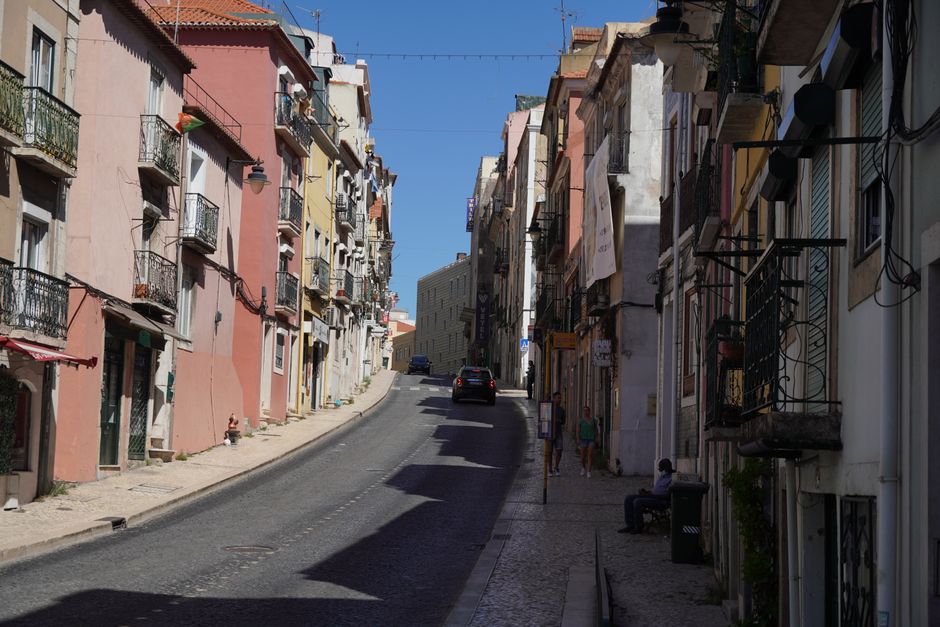
The prato do dia is Lisbon’s best food bargain when you use it properly. It usually means a changing lunch dish, often with soup, bread and a drink, for roughly €8.50–€14 in 2026. The value comes from speed and limited choice: the kitchen bought for that day, cooked one main idea and expects to sell it at lunch.
Read the board before you sit down
- Arrive between 12:30 and 14:00, when the daily dishes are still available.
- Look for prato do dia, sopa do dia, peixe or carne on the board outside.
- Ask the price before ordering if the board is unclear.
- Choose the dish the room is already eating. A full dining room is better evidence than a glossy menu.
- Expect a fast meal, not a long tasting experience.
Know what appears on the table
Bread, olives, cheese and small starters may arrive before you ask for them. They are often charged separately. Eat them only if you want them, and ask for the price if the bill matters. Cash is still useful in small tascas, although many now accept cards. For the clearest low-cost verdict, order the daily special, one drink and coffee; skip the imported bottled water and oversized starter parade.
Which Lisbon neighbourhood is best for a food crawl?
Mouraria is the best first choice. It gives you old Lisbon streets, small restaurants, immigrant-run kitchens and a shorter walk between useful stops than Belém or Parque das Nações. The point is not to chase a single famous address. It is to eat one small thing, walk, then eat again.
- Mouraria: Start around Largo de São Cristóvão and explore the streets toward Martim Moniz. Choose this area for tascas, petiscos and a less polished version of Lisbon.
- Graça: Pick Graça for grilled food, viewpoints and a slower evening. It works best when you want dinner with a neighbourhood feel rather than a packed central dining room.
- Arroios: Choose Arroios for variety. Almirante Reis and the market area mix Portuguese cafés with Brazilian, Indian, Chinese and African food.
- Campo de Ourique: This is the easiest area for cautious eaters or families because the streets are calmer and the market offers many choices under one roof.
- Belém: Treat Belém as a daytime food-and-culture route, not your main dinner district.
Best route for a first-time visitor
Walk from Mouraria to Baixa, stop for a bifana or soup, continue toward Chiado and finish with a pastry at Manteigaria. The route is compact, flexible and easy to abandon when your appetite changes.
Best route for a second day
Use Arroios or Campo de Ourique instead. You will see fewer landmark façades, but you will spend more time around residents buying lunch, bread and produce. That is the better trade for travellers who already understand the city centre.
Are Lisbon’s market halls worth your time?
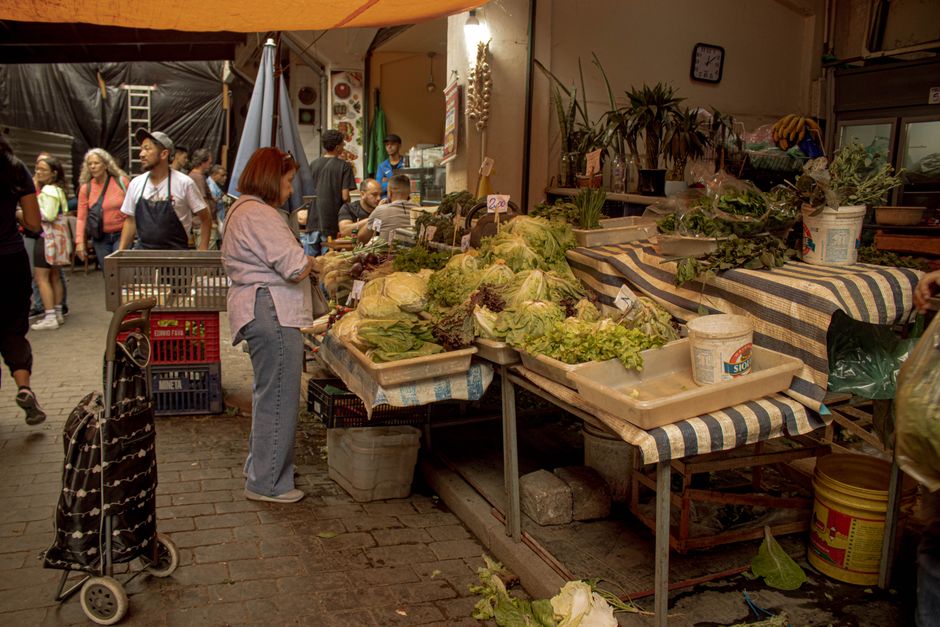
Time Out Market is useful, but it is not the most local market experience. Go there with a group that cannot agree on dinner, or when you want several well-known chefs and restaurants in one room. Skip it when you want quiet service, a handwritten menu or the cheapest lunch in town.
| Market hall | Best for | Typical hours | Clear verdict |
|---|---|---|---|
| Time Out Market Lisboa | Groups, first visits and many choices | 10:00–00:00 daily; later on Friday and Saturday | Worth one visit, not three |
| Mercado de Campo de Ourique | Fresh produce, neighbourhood dining and families | 10:00–23:00 Monday–Thursday; later Friday and Saturday | Better for a relaxed meal |
| Mercado de Arroios | Morning shopping and everyday produce | Mostly morning to late afternoon; shorter Saturday hours | Best for market life, not a late dinner |
Choose the hall that matches the meal
At Time Out Market, arrive before 12:30 or after 14:30. Communal tables fill quickly, and the noise rises fast. Campo de Ourique is the better pick for a long lunch because it combines traditional stalls with a more manageable restaurant area. Arroios works when you want to see where locals buy fish, meat, vegetables and other basics.
Do not confuse choice with quality
A crowded hall can still produce an average meal. Compare the dish, price and waiting time at each counter before ordering. One shared meal at a market is enough to sample the format; spend the next meal in a small restaurant where the kitchen has one clear identity.
Which Lisbon food mistakes waste the most money?
Do not queue just because everyone else is queuing
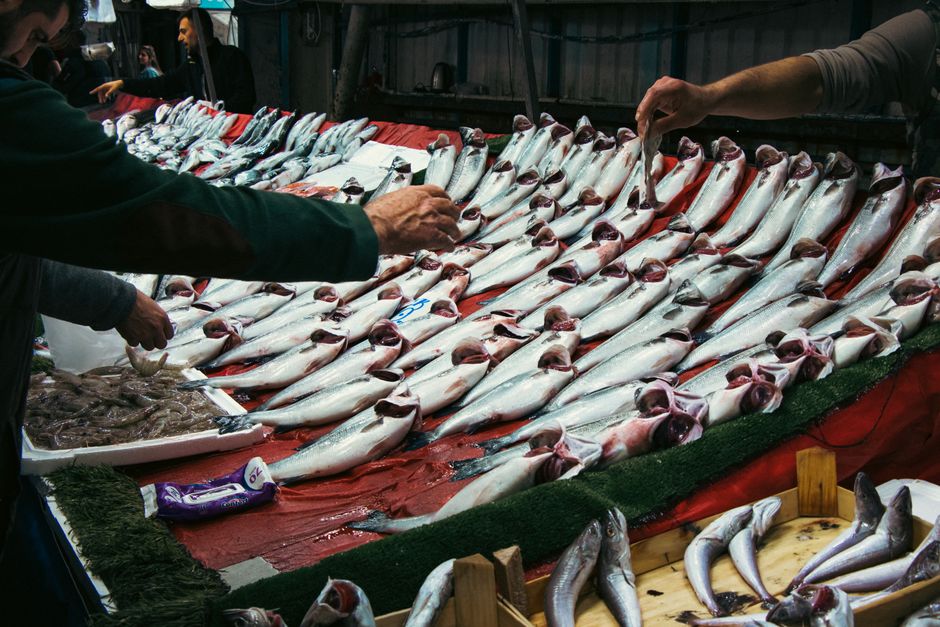
The longest line usually marks the most photographed version, not the best meal for your schedule, and a two-hour wait for a pastry is poor use of a short Lisbon trip when Manteigaria can give you a fresh tart in the centre with far less ceremony. The same rule applies to famous seafood restaurants: book or arrive early, then ask for current prices before choosing items sold by weight.
Do not let the table order for you
Unrequested bread, olives, cheese and starters are not always free, while a market hall can charge restaurant prices for food eaten at a noisy communal table, so ask before ordering and check the bill before paying. My firm rule is simple: eat one famous pastry, one proper tasca lunch, one market meal and one neighbourhood dinner; spending every meal in a tourist hotspot gives you less range for more money.
How to plan a 48-hour Lisbon food route
The best two-day plan alternates famous stops with ordinary meals. That keeps the trip useful instead of turning it into a pastry scavenger hunt.
Day one: central Lisbon without doubling back
- Start with coffee and a pastel de nata at a local café near your accommodation.
- Walk through Mouraria and choose a prato do dia for lunch, aiming for €8.50–€14.
- Continue to Baixa and Chiado, where you can compare Manteigaria with the pastry counter at Confeitaria Nacional.
- Eat a bifana at O Trevo if you want a cheap second lunch or early dinner. Its €3.30 traditional version leaves room for a proper evening meal.
- Finish with a small glass of ginjinha rather than a long bar crawl.
Day two: Belém, then a calmer market
Take the tram or train to Belém in the morning, before the biggest crowds. Visit the monastery area, stop at Pastéis de Belém for the €1.60 pastry, and eat it hot before walking along the river. Do not add another large lunch immediately; the pastry is a snack, not a meal.
Return toward Campo de Ourique for a late lunch or early dinner. The market gives you fresh produce, casual stalls and enough choice for a group without the pressure of Time Out Market. If you want seafood instead, reserve Ramiro and set a hard budget before ordering by weight.
Lisbon’s food scene will keep changing as markets modernise and old tascas face higher rents, but the winning strategy will stay simple: eat the pastry fresh, follow the daily board, walk between meals and leave room for the next neighbourhood.