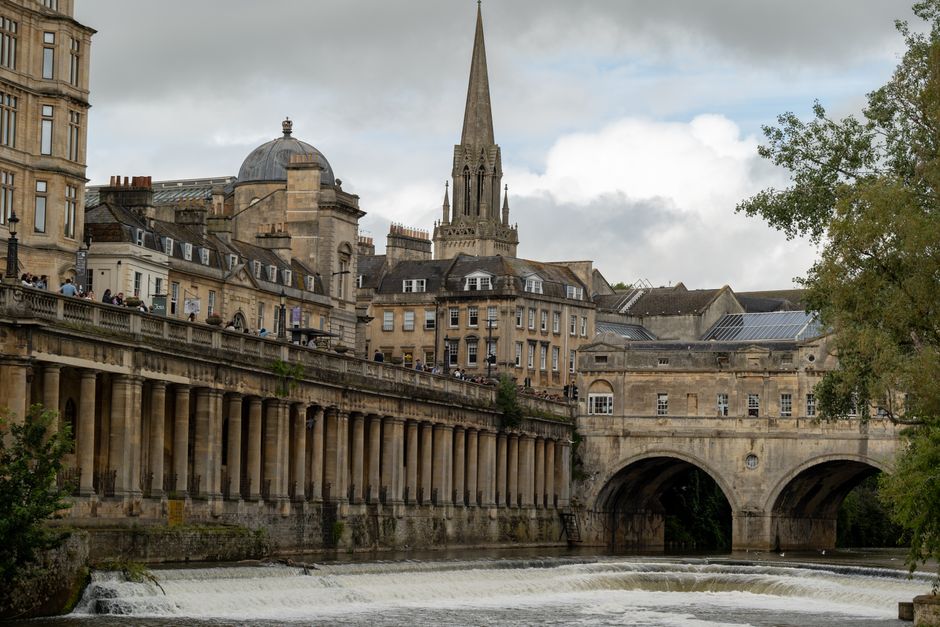
You arrive in Bath expecting one famous Roman site and quickly find a whole city built around it. Honey-coloured stone climbs the hills, grand Georgian terraces curve across the skyline, and narrow lanes lead from the Abbey to quiet riverside paths. The city feels compact on a map, but steep streets, crowded attractions and slow-moving queues can change the shape of a day.
This guide helps you plan a realistic visit to Bath, England, with a clear route through the Roman Baths, the Georgian centre, local food, viewpoints and walks. It also explains what to skip when time is short, how to handle the hills and how to keep the city from becoming a rushed sequence of photographs.
How to plan your first day in Bath
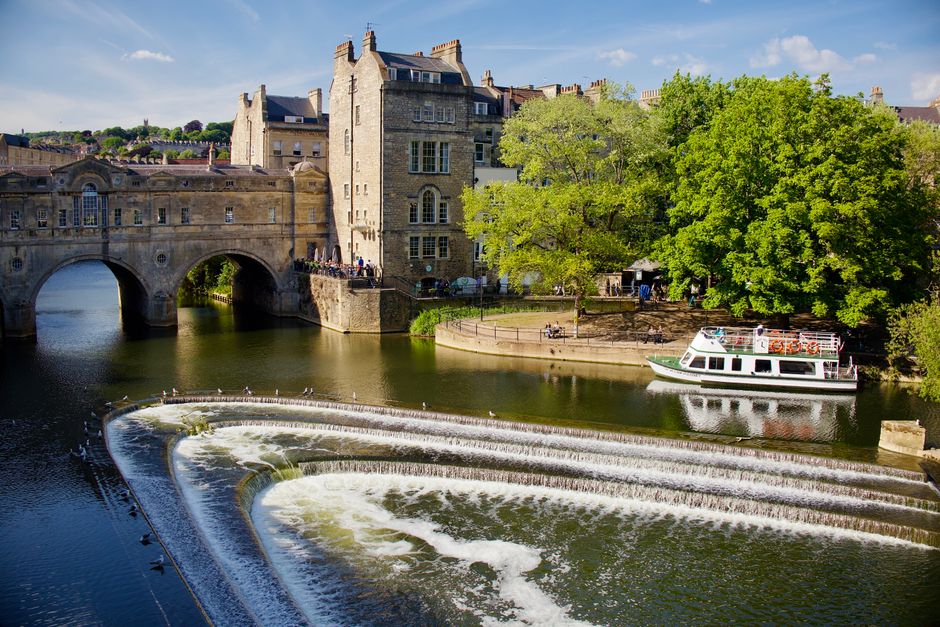
The strongest first day starts in the historic centre and moves outward in a loose loop. Begin near Bath Abbey, visit the Roman Baths before the busiest middle hours, then walk through the Georgian streets towards the Royal Crescent. Save the river and Pulteney Bridge for late afternoon, when the light softens the stone and the central streets often feel less compressed.
Use the centre as your base
Bath Spa station sits close enough to the main sights for most visitors to walk rather than arrange a taxi. From the station, the Abbey, Roman Baths and Pulteney Bridge all sit within a short central route. The first mistake many visitors make involves treating every attraction as a separate stop. In practice, Bath works best as a sequence of connected areas: Abbey Churchyard, Stall Street, the Circus, the Royal Crescent and the riverside.
Leave luggage before starting the sightseeing loop. A suitcase becomes awkward on uneven pavements, narrow crossings and crowded lanes. Comfortable shoes matter more than speed because the city rewards slow looking: carved doorways, fanlights, railings and small changes in the colour of the stone often disappear when you rush between landmarks.
Build around one fixed booking
Choose one timed attraction as the anchor for the day, usually the Roman Baths or Bath Abbey tower experience. Put flexible activities around it. This simple decision prevents the common problem of crossing the city several times because a walk, meal and visit all run late.
Allow more time than the map suggests. A direct walk from the station to the Royal Crescent may take less than half an hour, but stopping for architecture, photographs, a coffee or a brief rest can turn that route into a full hour. Bath is a walking city, but it is not a flat city. The centre feels manageable; the routes towards Prior Park, Alexandra Park and the hills above the crescent require more effort.
What the Roman Baths visit is really like
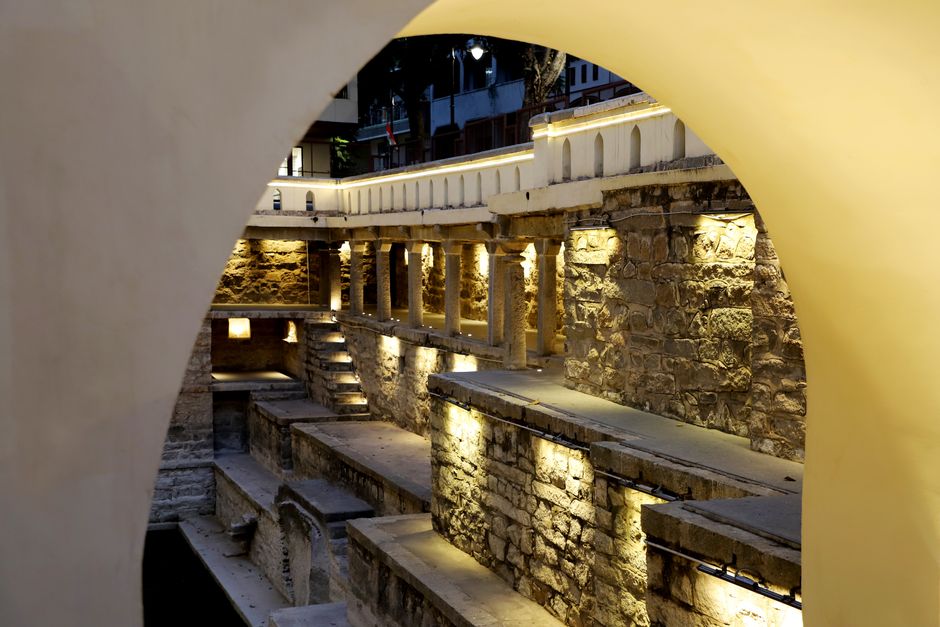
The Roman Baths are the clearest reason to visit Bath, but the experience works best when you understand its shape before entering. You do not walk into a functioning open-air bath. You move through a museum and archaeological site built around the original hot spring, with elevated views over the Great Bath, smaller rooms, carved stones and recreated displays.
Follow the story in order
Start with the museum displays instead of hurrying straight to the Great Bath. The objects explain how the site operated, what people brought to the temple and how the spring shaped the settlement. Once you reach the main bathing complex, look down from the upper level before moving closer to the water. That view shows the scale of the site better than a ground-level photograph.
Expect warm, damp air near the spring and darker interior rooms. The route includes steps and narrow sections, although staff can explain accessible alternatives. Families often move quickly through the early displays, but the small details reward attention: curse tablets, fragments of decoration and the layers of rebuilding around the sacred spring.
A simple visit schedule
| Stage | Suggested time | What to do |
|---|---|---|
| Arrival and orientation | 10 minutes | Check the route, toilets and any access information before entering the main displays. |
| Museum exhibits | 35 to 45 minutes | Read the sections on the spring, temple and daily life before reaching the Great Bath. |
| Bath complex | 35 to 50 minutes | View the Great Bath from above, then explore the surrounding rooms and foundations. |
| Final displays | 20 to 30 minutes | Finish the story of Roman Bath and the site’s later preservation. |
Set aside around two hours for a thoughtful visit. Shorter visits can cover the main rooms, but they make the site feel like a single attractive pool rather than a layered archaeological story. Book ahead during school holidays and weekends, and check the official visitor information on the day because entry arrangements can change.
How to walk Bath’s Georgian centre without rushing
The Georgian centre makes Bath memorable because the architecture does not sit behind fences. It forms the streets you use, the squares where you pause and the terraces that shape the views. The best route has no need for a guidebook in hand. Walk slowly, look up and compare how the same local stone changes under shade, rain and late sunlight.
Take this five-stop walking route
- Bath Abbey and Abbey Churchyard: Start with the city’s medieval heart. Look at the fan vaulting inside the Abbey, then step outside to see how the church sits beside the Roman Baths and the modern city streets.
- The Circus: Follow Gay Street uphill. The Circus forms a complete circle of curved Georgian houses, with three sections designed to create a balanced view from the centre.
- The Royal Crescent: Continue to the crescent and cross the lawn carefully using the public paths. The front elevation looks formal, but the rear service streets reveal how much practical work supported Georgian life.
- Victoria Park: Walk through the park for a wider view of the crescent. This is the best pause for visitors who want the famous architecture without standing in the centre of a crowd.
- Queen Square and the return route: Head back through Queen Square and Gay Street. The route links several major Georgian spaces without forcing you to repeat the steepest sections.
Read the buildings instead of collecting landmarks
Georgian Bath depends on repetition: columns, sash windows, fanlights, door cases and terraces use similar rules, but no street applies them in exactly the same way. Notice the difference between a grand front elevation and the less polished side or rear streets. That contrast makes the city more human. The elegant façade was part of a larger working neighbourhood, not a complete picture of daily life.
Rain changes the walking plan quickly. Wet stone can feel slippery, and the open spaces around the Royal Crescent offer little shelter. Keep the route flexible, use the park as a break and move indoors when the weather turns. The city does not lose its character in poor weather, but your walking pace will slow.
How to build a realistic two-day Bath itinerary
The best two-day plan gives the historic centre the first day and reserves the second for scenery, food and the parts of Bath that need more breathing room. This order works because the main attractions remain close together, while the longer walks become easier to manage once you understand the city’s shape.
Day one: Roman history and Georgian architecture
Begin near the Abbey and visit the Roman Baths during the morning. Take time with the museum displays, then pause for lunch before the streets grow busier. In the afternoon, walk through Gay Street to the Circus and Royal Crescent, continuing into Victoria Park if the weather feels comfortable. Return through Queen Square and finish near the river, where Pulteney Bridge gives you a final view of Bath’s historic centre.
Day two: scenery, food and slower neighbourhoods
Use the second morning for the river and canal path or a visit to Prior Park. Choose one, not both, unless you enjoy long walking days. Return to the centre for a relaxed lunch, then explore Bath Abbey, a small museum or the quieter streets around the old city walls. Leave time for a Bath bun, a bookshop, a gallery or a final walk beside the river.
| Trip length | Best plan | What to leave out |
|---|---|---|
| Half a day | Roman Baths, Abbey exterior, Pulteney Bridge | Long hill walks and distant gardens |
| One full day | Roman Baths, Georgian centre, Royal Crescent, river | Trying to add every viewpoint |
| Two days | Historic centre first, scenic walk and food-focused second day | Repeating central routes without a purpose |
For a first visit, the one-day route suits travellers who want the essential Bath story in a compact format. The two-day route wins for anyone who enjoys walking, architecture and meals that do not happen between queues. The practical difference is simple: one day covers the landmarks, while two days lets the city’s scale and rhythm make sense.
- Best for Roman history: The Roman Baths and Abbey area.
- Best for architecture: The Circus, Royal Crescent and Queen Square.
- Best for quieter scenery: The river, canal path or Prior Park.
- Best overall first visit: Two days with one central day and one slower walking day.