Many visitors treat Ghent as a quick stop between Brussels and Bruges. That is the common mistake. Ghent rewards a slower weekend because its best moments arrive after the tour groups leave: reflections on the Leie, quiet lanes around the old harbour, and a warm plate in Patershol.
Is Ghent Worth a Weekend? Yes, If You Slow Down
Ghent is not just a smaller Bruges
Bruges is polished, compact and built around postcard views. Ghent feels bigger, younger and more lived in. Medieval buildings sit beside student cafés, design shops, working tram lines and busy restaurant streets. The city has the same visual drama as Bruges, but it gives you more room to change pace. You can spend an hour taking photographs at Graslei, then walk five minutes to a quiet courtyard or a modern food hall.
Two nights gives the city enough space
A day trip covers the famous façades, the Castle of the Counts and perhaps a rushed meal. Two nights let you see the centre in three different moods: late afternoon, after-dark and early morning. The historic core is compact enough to explore on foot, so you do not lose much time moving between sights. A good weekend plan includes one major visit, one long canal walk, two proper meals and several unplanned pauses. Ghent is best for travellers who value atmosphere over a checklist. If your priority is Belgian beer, medieval architecture and food in one walkable centre, this is one of the strongest short breaks in Belgium.
The Best Two-Day Ghent Itinerary, Hour by Hour
Saturday: arrive, walk the old harbour and enter the castle
| Time | Plan | Why it works |
|---|---|---|
| 10:00 | Arrive at Ghent-Sint-Pieters or check in | Leave bags before the centre gets busy |
| 11:00 | Walk through Korenmarkt to Graslei and Korenlei | The classic canal views are strongest in daylight |
| 12:30 | Lunch near the historic centre | Eat before the main attractions fill up |
| 14:00 | Visit Gravensteen, the Castle of the Counts | Allow about 90 minutes for the rooms and audio guide |
| 16:00 | Wander Patershol and Sint-Veerleplein | Use the late afternoon for narrow lanes and cafés |
| 19:00 | Dinner in or near Patershol | Stay central and avoid a second long transfer |
| 21:00 | Return to Graslei after dark | Lit façades give the river a different character |
Sunday: art, markets and a final canal loop
Start Sunday with a quiet walk toward Saint Bavo’s Cathedral and the Belfry. If you want to see the Mystic Lamb, reserve enough time for the cathedral visit rather than squeezing it between coffee and checkout. Continue toward Vrijdagmarkt, then choose a museum or a slow lunch. Keep the last two hours flexible. Ghent’s centre is small, but the best discoveries often happen when you turn down a lane without a plan.
Do not schedule Gravensteen late on Sunday. The castle is open daily from 10:00 to 18:00, with last admission at 16:40, and the audio guide is included in the ticket. That cutoff makes the first half of the day the safer choice. Book the castle before building the rest of the weekend around it.
How to See Ghent’s Canals and Gravensteen Without Rushing
Follow the water from Graslei to the old harbour
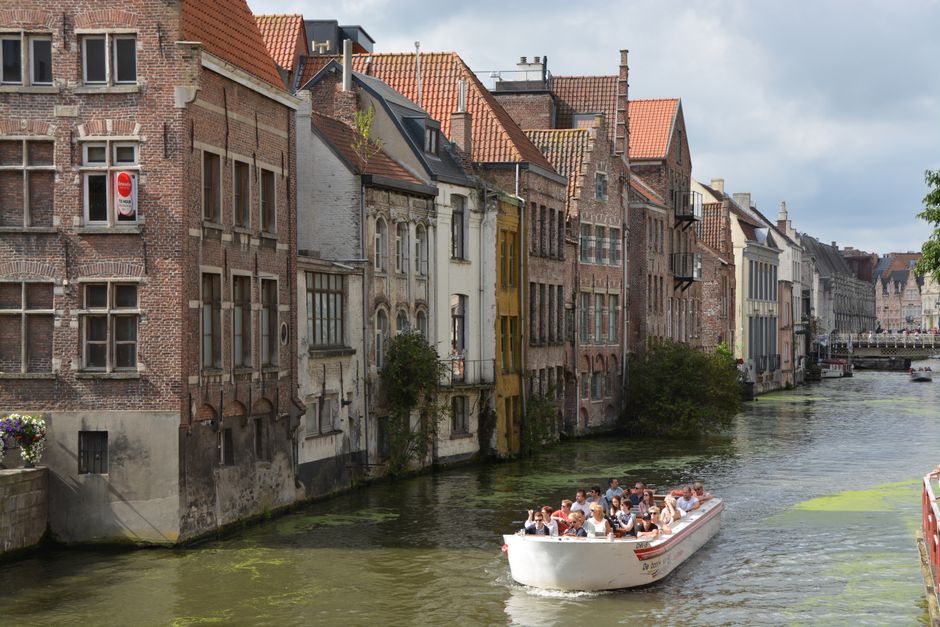
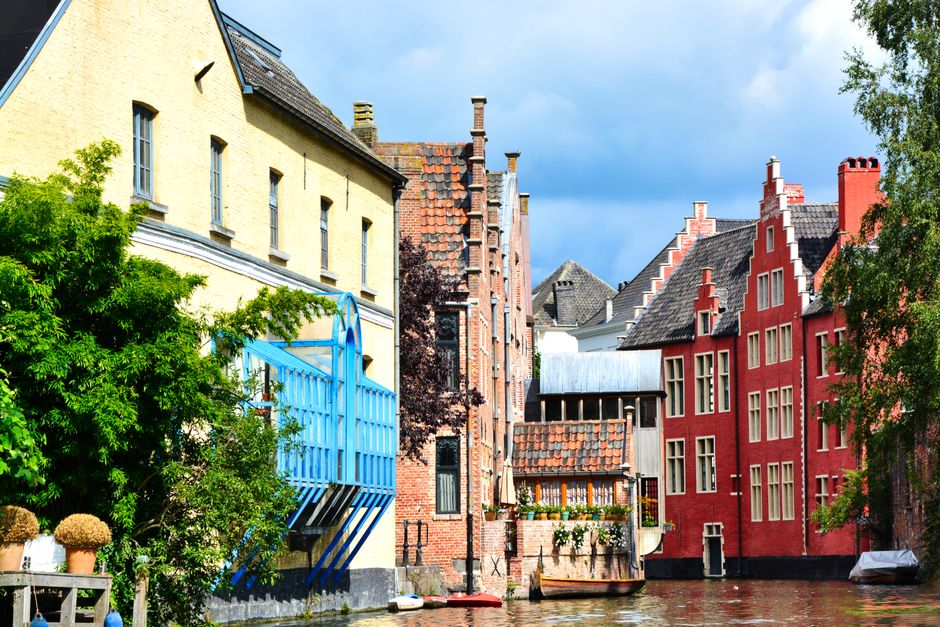
Begin at Graslei and Korenlei, where the Leie runs between historic guild houses and broad stone quays. This is the city’s most photographed scene, but it is more than a photo stop. The waterfront explains Ghent’s history as a trading city. Look across the river at the stepped façades, then move north toward Sint-Michielsbrug for a wider view. From there, continue toward Sint-Veerleplein and the Castle of the Counts.
The walk is short, yet it deserves more time than a direct route suggests. Stop at the bridges. Watch how the façades change as the light moves. In wet weather, the stone and water create stronger reflections, so rain does not ruin the route. It often improves it. Avoid filling this stretch with a boat tour, castle visit and restaurant reservation in one hour. That turns the most atmospheric part of Ghent into a transfer corridor.
Give Gravensteen a proper ninety minutes
Gravensteen is not a decorative shell. The medieval fortress includes a gatehouse, curtain walls, a keep, a former count’s residence and stables. The rooms are stark, and the interior is more interesting when you understand how defensive architecture shaped daily life. Expect stairs, uneven floors and narrow passages. Comfortable shoes matter more than a polished outfit.
The official individual ticket price listed for 2026 is €15. The castle is at Sint-Veerleplein 11, so it fits naturally after Graslei rather than as a separate cross-city trip. The official Gravensteen ticket page confirms current opening times, admission rules and holiday closures. The best order is waterfront first, castle second, Patershol third. That sequence follows the geography and keeps the busiest sight from dominating the whole day.
What to Eat in Ghent: Belgian Comfort Food That Matters
Order dishes with a local reason
- Gentse waterzooi: Choose this creamy stew when the weather is cool. It traditionally uses fish or chicken, vegetables and a rich broth. The dish reflects Ghent’s connection to rivers and working-city cooking.
- Belgian fries: Eat them from a proper frituur, with mayonnaise or another sauce rather than treating them as a side dish. A cone of fries is a quick lunch, not a poor substitute for dinner.
- Stoverij: This Flemish beef stew uses dark beer, onions and slow cooking. It is heavier than waterzooi and a better choice after a long walk in cold weather.
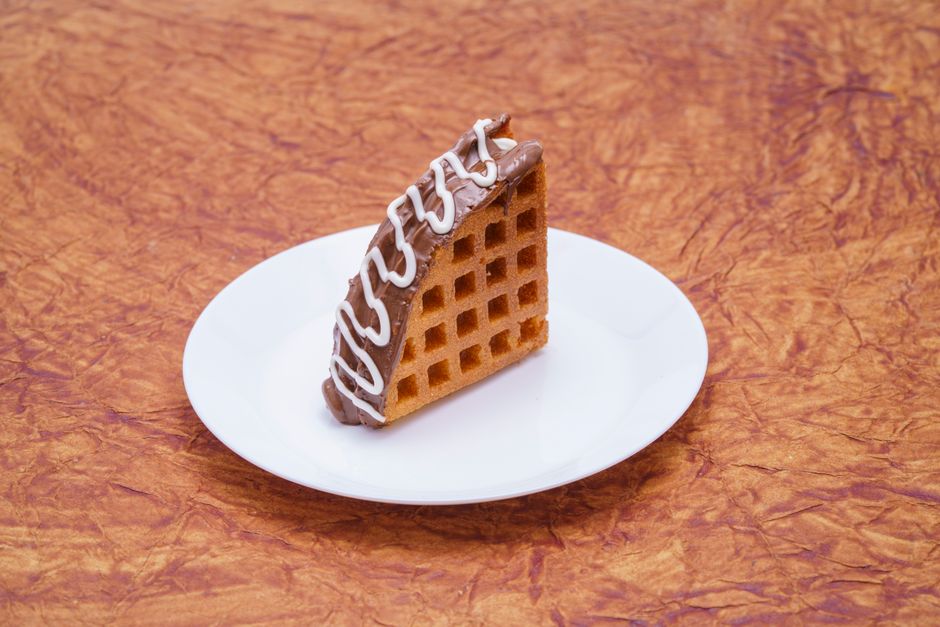
- Gentse neuzen: These cone-shaped purple sweets are a local confectionery tradition. Buy a small portion and treat them as a taste of the city, not a full dessert course.
- Mustard and biscuits: Tierenteyn-Verlent mustard is a well-known Ghent name, while Jules Destrooper butter biscuits and Leonidas pralines are useful Belgian comparisons when you want something packaged for the journey home.
Choose the meal, not the view
The prettiest canal table is not automatically the best dinner. Views carry a premium, and some waterfront menus are designed for speed. For a better meal, walk a few streets into Patershol or look for a restaurant with a short menu built around Flemish dishes. Belgian beer also deserves restraint. A Westmalle Dubbel, Duvel or local saison can be strong enough to shape the evening, so order food before adding a second glass.
Skip the idea that every meal must be traditional. Ghent has a strong vegetarian scene, and a modern vegetable dish can be more satisfying than a reheated stew. The clear food verdict is simple: eat one classic Flemish dish, one proper frituur meal and one modern dinner. That gives you range without turning the weekend into a restaurant marathon.
Ghent Weekend Questions, Answered
Is Ghent walkable?
Yes. The main historic sights sit close together, and the route from Korenmarkt to Graslei, Gravensteen, Patershol and Saint Bavo’s Cathedral is easy on foot. Wear shoes with grip because cobblestones become slippery after rain. Use public transport mainly for the station, distant accommodation or bad weather.
Should you take a boat tour?
Take one if you want a seated overview or if walking is difficult. Skip it if your visit is short and you already plan to walk the Leie waterfront. A canal cruise shows the façades from a useful angle, but it does not replace time on the quays. For a first weekend, the walk is the better use of limited daylight.
Is one night enough?
One night works for a fast introduction, especially if you arrive before lunch and leave late the next day. It does not give Ghent its best chance. Two nights allow an evening walk, a relaxed dinner and a quieter Sunday morning. If you are choosing between one night in Ghent and one night in a second Belgian city, stay in Ghent for two nights when atmosphere and food matter more than collecting destinations.
Where to Stay, How to Arrive, and What to Skip

Stay near the centre, arrive by train
For a first weekend, stay between Korenmarkt, Vrijdagmarkt and the southern edge of Patershol. This area puts the canals, castle, cathedral and restaurants within walking distance. Staying beside Ghent-Sint-Pieters can reduce the arrival cost, but it adds repeated journeys into the centre. The station is useful for day trips, not the strongest base for a short stay.
Ghent is easy to reach from Brussels. SNCB lists an average direct journey time of about 36 minutes between Brussels and Ghent, with Ghent-Sint-Pieters and Ghent-Dampoort serving the city. Check the current SNCB route information before travelling because engineering works can alter platforms or timings.
Common mistakes to avoid
- Do not arrive at the castle after 16:40 and assume you can still enter.
- Do not spend the whole day photographing Graslei without walking into Patershol or Vrijdagmarkt.
- Do not book every meal before checking the day’s route; Ghent’s centre is best explored with room for pauses.
- Do not compare Ghent only with Bruges. They offer different experiences, and Ghent’s strength is its mix of medieval buildings, student energy, food and ordinary city life.
My specific recommendation is to spend two nights in central Ghent, visit Gravensteen soon after arrival, walk the Leie at sunset, and reserve one dinner in Patershol. That plan covers the canals, the medieval castle and Belgian comfort food without making the city feel like a checklist.