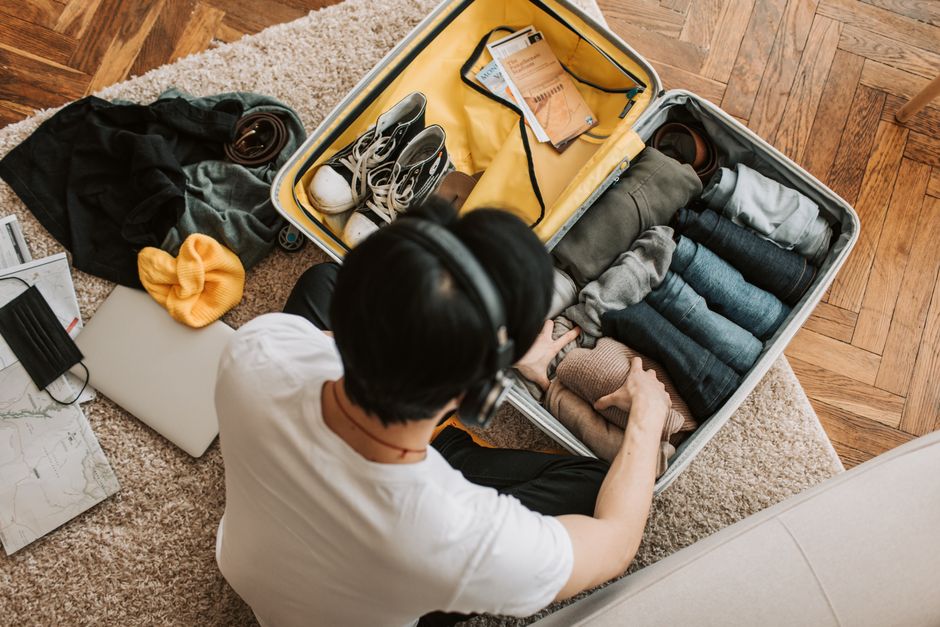
The common misconception is that a two-week autumn trip requires fourteen outfits. It does not. You need about seven days of clothing, one laundry session, and layers that handle cool mornings, mild afternoons, and wet streets. A well-planned 35L to 40L bag can cover the trip without checked luggage.
How much clothing fits in a carry-on for two weeks?
The best answer is seven days of clothing, not fourteen. Pack enough variety for one week, then wash small items halfway through the trip. This works because underwear, socks, and shirts dry overnight, while trousers and jackets can be worn several times.
Build around a seven-day core
Start with four tops, three bottoms, seven pairs of underwear, five pairs of socks, one sleep outfit, one warm mid-layer, one light rain layer, and no more than two pairs of shoes. Wear the heaviest shoes and outer layer on the plane. Keep one complete outfit in the bag until you reach your destination. That backup protects you if your travel clothes get wet or your arrival runs late.
Choose colors that work together. Three neutral bottoms and four tops create at least ten usable combinations without adding extra fabric. A dark trouser, comfortable walking trouser, and casual skirt or second pair of jeans give you enough range for museums, restaurants, and long travel days.
Laundry is the multiplier
Schedule laundry on day seven, not when every item is dirty. A sink wash takes five minutes of active work: rinse, add a small amount of detergent, squeeze water through the fabric, then hang each item with space between pieces. Merino wool, synthetic travel shirts, and lightweight cotton dry fastest. Thick denim does not. Pack one small detergent sheet pack or a 30ml bottle rather than a large container.
The verdict is simple: a two-week autumn trip fits in a 40L carry-on when you plan for seven days and wash once.
What belongs in an autumn capsule wardrobe?
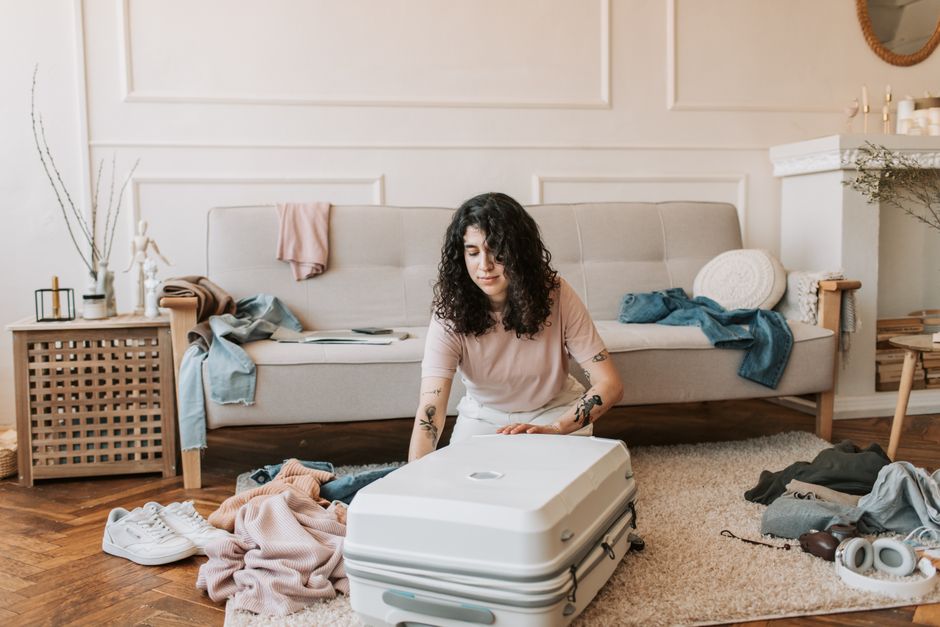
Three layers beat one bulky coat. Autumn weather changes faster than a packing list suggests. A thin base layer, warm mid-layer, and rain shell give you more control than a heavy jacket that works only at one temperature.
Use a three-layer clothing system
Pack one long-sleeve base layer, three short-sleeve or light long-sleeve tops, one fleece or thin wool sweater, and one waterproof shell. Add a compact scarf and thin gloves if temperatures may fall below 10°C. The shell should block rain and wind but still compress into a side pocket. A packable down jacket works well in dry, cold destinations, but it loses value in persistent rain unless you also carry a shell.
For bottoms, take one pair of travel trousers, one pair of jeans or heavier casual trousers, and one flexible option such as leggings, a skirt, or lightweight chinos. Wear the bulkiest pair during transit. Avoid packing two heavy sweaters. They take the space of three shirts and still leave you cold if rain gets through.
Choose fabrics for repeat wear
Look for fabrics that resist odor, dry quickly, and do not need an iron. Merino blends are excellent for shirts and socks, but they cost more and need gentle washing. Polyester dries quickly and handles repeated washing well. Cotton feels comfortable but takes longer to dry, so use it for one or two pieces rather than the whole wardrobe.
Skip the fantasy outfit. If an item needs special shoes, a belt, and a particular weather forecast, it probably does not earn space. The winning capsule is the one you can wear in several combinations without thinking.
How should you handle rain, cold, and changing temperatures?
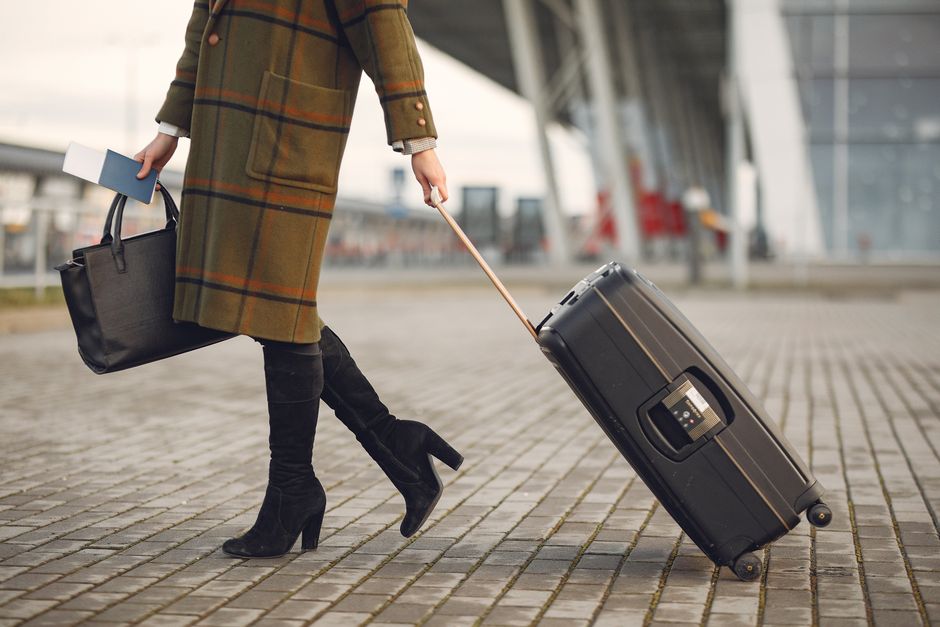
Pack for movement, not for the coldest forecast. Most autumn travelers overpack because they imagine standing still in bad weather. Trips usually involve walking, public transport, cafes, and indoor attractions. Removable layers handle that pattern better than one oversized winter coat.
Protect the items that must stay dry
Put electronics, passports, medication, and one dry change of clothes inside water-resistant pouches before they go into the main bag. A pack liner or large reusable waterproof bag adds protection if your bag sits on a wet platform. Do not trust a water-resistant fabric to protect loose documents inside an open pocket.
Carry the rain shell near the top of the bag. If rain starts after you leave the station, you should be able to reach it without unpacking your clothes on a pavement. Pack shoes in a washable bag and keep a small plastic bag for wet socks or a damp shell.
Use temperature ranges to make decisions
For daytime temperatures around 15°C, a shirt plus light sweater usually works. Between 8°C and 15°C, add a base layer or shell. Below 8°C, use the same system with a packable insulated jacket, hat, and gloves. This approach gives you several combinations without carrying separate outfits for every forecast.
Do not pack a full umbrella unless the destination has constant rain and strong wind. A compact umbrella can be useful, but a hooded shell leaves both hands free and usually earns more space.
How do you pack a carry-on so it stays manageable?
Pack by weight first and access second. The bag should feel stable when lifted from the floor, not merely full when viewed from above.
Follow this loading order
- Wear the heaviest shoes, trousers, and jacket during transit.
- Place shoes and dense items low and close to the back panel.
- Roll soft shirts and underwear only if rolling prevents empty gaps; folding works better for structured clothes.
- Put one outfit in a top-access cube for arrival day.
- Keep liquids, medication, electronics, and documents in the personal item or an easy-access pocket.
- Leave 10 percent of the bag empty so a rushed repack does not create a bulging shape.
Check the real airline limit
Airlines do not measure the same way. One may allow a 55 x 40 x 23cm cabin bag, while another may publish a smaller personal allowance or charge for an overhead bag. Measure the packed bag from its widest and deepest points, including bulging pockets. Weigh it after adding shoes and toiletries. A bag that fits empty can fail when overfilled.
A useful final test is a 24-hour carry. Walk with the loaded bag for ten minutes, lift it into an overhead shelf, and sit with it at your feet. If your shoulders hurt or the zippers strain, remove one pair of shoes and one bulky item before removing small basics.
Which packing cubes and small tools actually earn space?
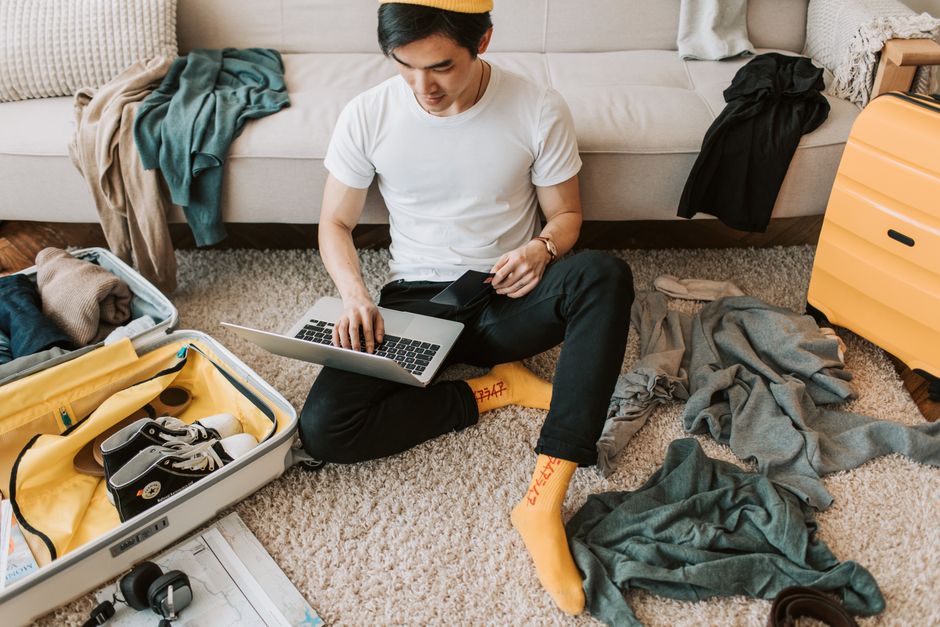
Packing cubes do not create extra capacity. They create limits, and those limits stop a neat wardrobe from turning into a stuffed bag. Use fewer cubes than you think. Three is usually enough for a two-week autumn trip.
Best cube set: Eagle Creek Pack-It Reveal
The Eagle Creek Pack-It Reveal Cube Set costs $59 and includes extra-small, small, and medium cubes with mesh tops. The visible panels make it easier to find a shirt without opening every container. Use the medium cube for tops, the small cube for underwear and socks, and the extra-small cube for accessories. Its strongest advantage is organization, not compression.
Use compression only for soft, bulky items
Compression cubes help with fleece, sweaters, and sleepwear. They do not make shoes, denim, or toiletries smaller. Over-compressing also creates a hard block that wastes the odd-shaped space around it. Pack one compressed cube at most, then fill gaps with a scarf, belt, or rolled socks.
Keep dirty laundry separate with a lightweight washable bag. A zip pouch for cables prevents chargers from spreading through the main compartment. A 30ml toiletry bottle, solid shampoo, and a small toothbrush cover save more space than a large organizer full of duplicate products.
When should you skip packing cubes?
Skip them when your bag has narrow compartments that already divide clothing well, or when you are traveling for only three or four days. Cubes add their own fabric and zipper weight. For a two-week trip, the Eagle Creek set earns its space because the sections make the mid-trip laundry reset faster. For shorter trips, two ordinary zip bags may do the same job.
What mistakes make carry-on-only packing fail?
Do I need a separate outfit for every day?
No. That is the mistake that breaks most carry-on plans. Repeating a shirt after a wash is normal, and changing accessories can make the same base outfit feel different. Pack for activities and weather, not calendar dates.
Should I pack shoes for every activity?
No. Two pairs are enough for most autumn trips: comfortable walking shoes and one cleaner pair for dinners or light weather. Three pairs often create more weight than any other single category. If a pair cannot handle at least two planned activities, leave it home.
What should I remove first?
Remove duplicates, emergency clothes for unlikely weather, full-size toiletries, and items that require a special outfit. Keep medication, documents, one warm layer, rain protection, and enough underwear for the next laundry day.
The final check is simple: lift the bag, walk with it, and inspect the forecast without reacting to every temperature change. A seven-day capsule, one laundry session, three layers, and a measured 35L to 40L bag are enough for two autumn weeks. The traveler who began by fearing fourteen outfits ends up carrying one calm, flexible system instead.