A shoulder-season Europe trip can give you milder weather, lower room rates and shorter queues, but the trade-off is a less predictable calendar of rain, closures and reduced services. Travel rules vary by passport and country; this is not legal advice — consult a licensed attorney for legal questions.
Which European Region Offers the Best Shoulder-Season Trade-Off?

There is no single best month for every route. The table below uses typical planning ranges rather than a forecast. Local weather can move well outside these bands, so use it to compare risk, not to promise sunshine.
Use this regional comparison to narrow the route
| Region | Best shoulder window | Typical daytime range | Crowd pattern | Main risk |
|---|---|---|---|---|
| Portugal and southern Spain | April to May, October to early November | 18–27°C | Usually lighter than June to August | Rain in the north; heat can linger in the south |
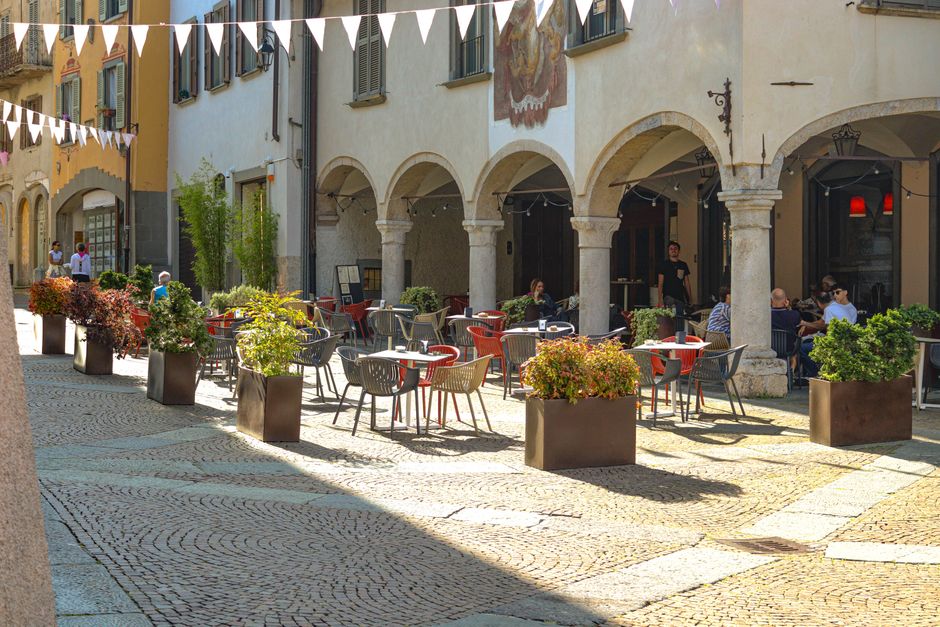
| Italy and the Adriatic | April to May, September to October | 16–26°C | Historic centers ease after Easter or mid-September | Rain, high weekend demand and ferry changes |
| France and northern Spain | April to June, September to October | 14–24°C | Strong savings outside school holidays | Wind and rain on Atlantic coasts |
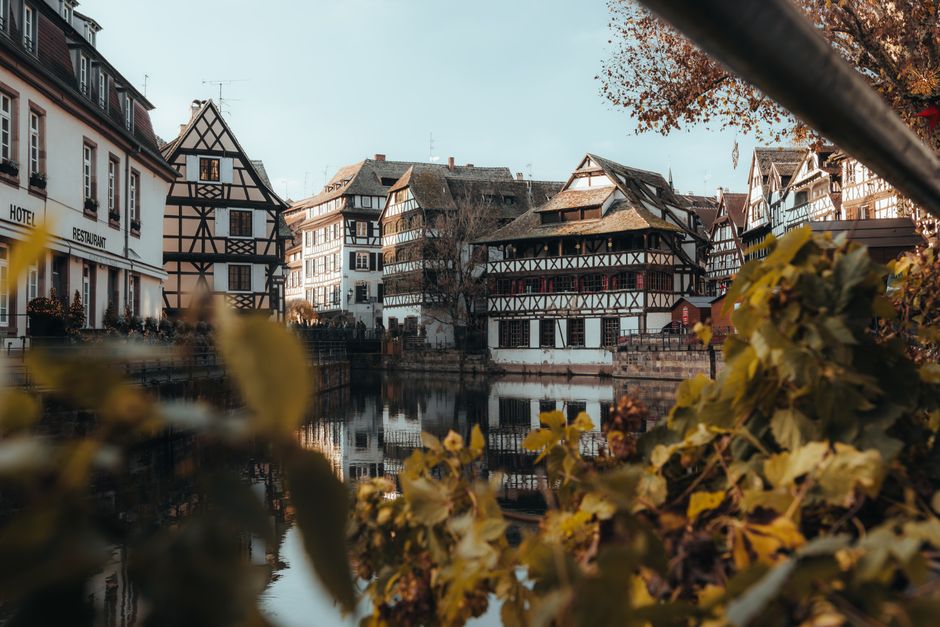
| Central Europe | April to May, September to October | 11–22°C | Good museum and city-break conditions | Cool mornings and sudden rain |
| Greece and the Greek islands | May, September to October | 20–29°C | Very quiet on smaller islands after October | Fewer ferries and seasonal closures |
The clearest regional verdict
For a first shoulder-season trip, choose Portugal, southern Spain or northern Italy. These regions give you the widest margin for imperfect weather, strong food options and enough indoor attractions to keep the itinerary moving. Pick the Greek islands only when swimming or island-hopping matters enough to accept reduced ferry frequency. Pick northern Europe when museums, cafés and design districts matter more than warmth.
That is the practical trade: southern Europe offers better weather odds, while central and northern Europe often deliver stronger savings on rooms and attractions. A route that combines both can work, but only when you accept a change in pace and pack for a colder second half.
How to Build an Itinerary That Survives Bad Weather
Build the trip around flexibility rather than trying to predict every cloud. A good shoulder-season route does not require perfect weather; it gives each day a workable second version.
Use this seven-step planning method
- Limit the route to two or three bases. Moving every day wastes the price advantage through extra transfers, luggage fees and missed connections. Ten days usually works better as four nights, three nights and three nights than as ten separate hotel rooms.
- Give the first and last day low pressure. Put no timed attraction on arrival day and avoid a remote final night before an international flight. Weather delays are easier to absorb when the schedule has breathing room.
- Assign each base one outdoor anchor. That could be a coastal walk, vineyard visit, lake cruise or hill town. If rain cancels it, the trip still has museums, markets and food neighborhoods.
- Keep one indoor substitute within 30 minutes. A museum, thermal bath, cooking class or covered market should sit near the same transport line. A two-hour backup commute defeats the point.
- Check closure days before paying. Many museums close on Monday, small restaurants close one day each week, and seasonal boat or mountain services can end earlier than travelers expect.
- Book refundable lodging for the first night. The first room is the hardest reservation to replace after a delayed flight. Flexibility has more value there than on a night in the middle of the trip.
- Leave one unscheduled block every three days. Use it for weather recovery, laundry, a longer lunch or a local recommendation. This is also the easiest way to avoid turning a lower-cost trip into a rushed one.
The mistake that breaks otherwise good plans
Do not put every outdoor highlight in the final two days. A rainy first day is annoying; a rainy final day can erase the only beach, hike or scenic train ride in the itinerary. Spread high-value activities across the trip and make sure each destination has at least one reason to visit indoors.
Where Shoulder-Season Savings Are Real
The best saving usually comes from choosing fewer bases, not from chasing the cheapest flight. A €70 room saved in one city can disappear through a late train, an airport transfer and a second checked bag. Price the full door-to-door journey before deciding that a route is cheap.
Compare transport by route, not by brand name
Google Flights is useful for its date grid, but the lowest airfare may land at a distant airport with poor evening transport. For short international rail routes, Eurostar publishes advance examples such as London to Paris from €44, Amsterdam from €35 and Brussels from €29, although those fares depend on availability and booking conditions; see Eurostar’s published fare examples before treating them as a budget promise.
For multi-country rail travel, the Eurail Global Pass can be useful when you plan several expensive long-distance journeys. Its flexi structure counts selected travel days within a set validity period, such as four or five travel days within one month, but seat reservations and supplements can cost extra. Eurail’s 2026 pass guide explains the limits. My verdict is clear: buy the pass only after comparing the pass price plus reservations against individual tickets for the exact route.
Use lodging flexibility as your main price lever
Booking.com’s free-cancellation filters can help compare risk, while Rome2Rio can expose a cheaper combination of train, bus and ferry, but neither tool replaces checking the operator’s own timetable. A €95 room with cancellation may be a better purchase than a €78 prepaid room when the region has unstable ferry schedules or frequent rain.
| Expense | Sample 10-day budget per person | How to control it |
|---|---|---|
| International transport | €350–€650 | Compare nearby airports and midweek departures |
| Lodging | €600–€900 | Use two or three bases and book outside event dates |
| Regional transport | €150–€300 | Compare point-to-point fares before buying a pass |
| Food | €250–€450 | Mix market meals, cafés and one planned dinner |
| Attractions and local transit | €120–€250 | Reserve timed entries only where demand requires it |
That model gives a realistic planning range of roughly €1,470 to €2,550 before shopping. It is a budget framework, not a quoted package price.
Shoulder-Season Europe Questions Travelers Ask
Is Europe warm enough in the shoulder season?
Southern Europe often is, but “warm enough” depends on the activity. Lisbon, Seville and Rome can support outdoor sightseeing in April and October, while northern capitals may require a coat and waterproof shoes. If swimming is central to the trip, choose late May, June or September and keep northern beaches out of the plan.
Do I need to worry about European border rules in 2026?
Yes, but start with your passport and the countries on your route rather than relying on a travel blog. The official European Union ETIAS portal currently says applications are not being collected and that the launch date will be announced by the EU; use the official ETIAS guidance, not an intermediary site charging extra fees. Visa, passport-validity and 90-days-in-180 rules can differ by nationality and destination.
Should I book every train and attraction before leaving?
No. Reserve flights, the first hotel, scarce scenic trains and attractions with timed entry. Leave ordinary city museums, local buses and at least one day per base flexible. Advance booking protects high-demand parts of the route; overbooking removes the flexibility that makes shoulder season work.
When should I avoid a shoulder-season trip?
Avoid it when your plan depends on daily beach weather, a fixed island-ferry chain, a mountain lift with a narrow operating window or a major festival with non-refundable rooms. High season costs more, but it may buy the operating certainty that your trip actually needs. The cheaper calendar is not automatically the better purchase.
What to Pack and What Not to Book
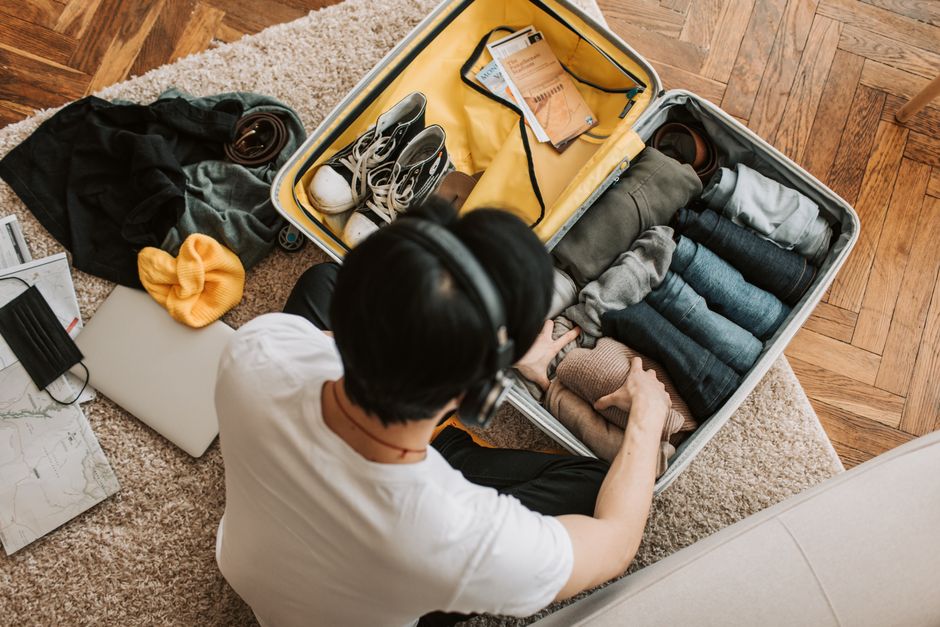
Pack for a temperature range, not a single forecast. A light waterproof shell, one warm mid-layer, comfortable shoes with traction, compact laundry supplies and a small umbrella solve more problems than a large suitcase packed with duplicate outfits.
Choose flexible essentials over specialized gear
Use layers that work in a museum, on a train and at an outdoor table. A 20–25 liter day bag is enough for most city days, while a soft-sided carry-on makes stairs and older train stations easier. Do not buy expensive technical clothing for a city itinerary that includes only short walks; put that money toward cancellation flexibility or a better-located room.
Know when the shoulder season is the wrong choice
Do not choose April for a beach-first Greek island trip, October for a high-alpine hiking trip, or late November for a route built around small coastal businesses. In those cases, late spring, high summer or early autumn may cost more but reduce the chance that weather and closures defeat the reason for going.
The traveler who opens this plan hoping to save money in Europe should finish with a route that can bend: September in two or three bases, a mix of outdoor and indoor days, transport checked by total cost, and one clear backup for every weather-sensitive booking. That is how shoulder season delivers its best promise—less pressure, sensible prices and enough structure to enjoy the trip when the forecast changes.