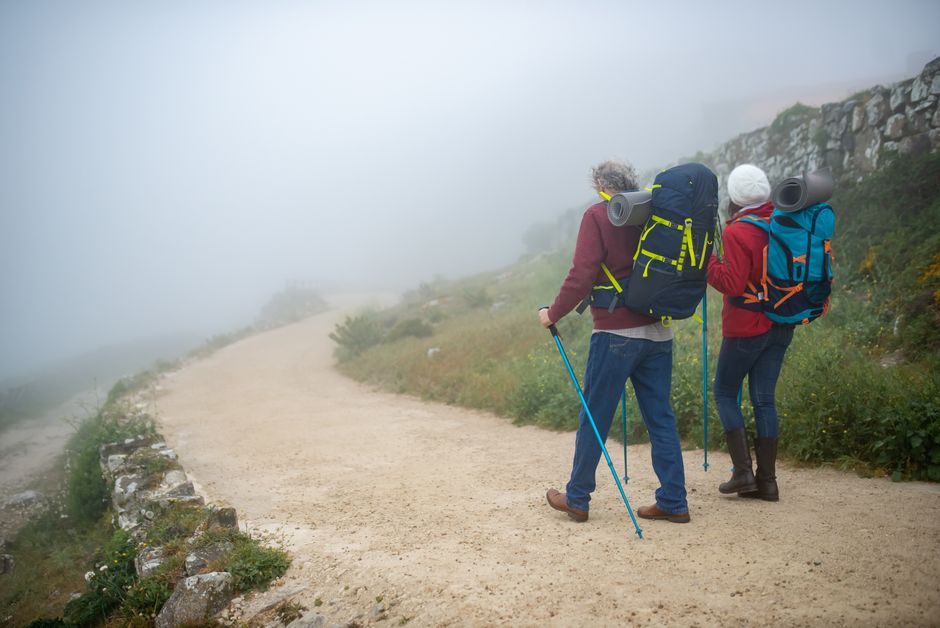
You arrive in Porto with a small pack, a fresh credential, and a plan to walk 25 kilometres before dinner. By late afternoon, your feet hurt, your route app disagrees with the painted arrows, and you are wondering why nobody warned you about cobblestones.
The common misconception is that the Camino Portugués is one fixed trail with one standard experience. It is a network of routes with different distances, surfaces, weather patterns and levels of support. Your first decision is not how fast you can walk. It is choosing a route that matches your available days and your tolerance for uncertainty.
This Camino Portugués first-timer guide focuses on the decisions that shape the walk: route selection, daily pacing, navigation, recovery, food, village life and the mistakes that turn a rewarding journey into a forced march.
Can a first-timer walk the Camino Portugués?
How fit do you need to be?
You do not need to be an athlete, but you do need to prepare for repeated effort. Most first-time walkers handle 15 to 20 kilometres per day better than a sudden 25 to 30 kilometre target. The distance itself is only one part of the load. Pavement, uneven stone, short climbs, heat, rain and a pack make the same distance feel harder than a weekend stroll.
Start training six to eight weeks before departure. Walk three times a week, with one longer walk that gradually reaches 16 to 20 kilometres. Add gentle hills when possible. Carry the pack you expect to use, but do not make it heavy for the sake of training. Your useful benchmark is finishing a long walk while still able to climb stairs the next morning.
The clearest verdict: a first-timer should plan a conservative opening stage and build distance after the body has settled. Ambition belongs in the schedule only after the feet have agreed.
What does the first day feel like?
A Porto departure can feel more urban than romantic. You may walk through traffic, industrial edges and suburbs before the route becomes quieter. Other starting points offer a faster transition into villages, but they also remove some of the gradual adjustment that makes Porto useful for beginners.
Expect your walking rhythm to change every day. A 20-kilometre stage on smooth paths may feel easier than a shorter day over stone and steep lanes. Take breaks before pain becomes sharp, drink before you feel thirsty, and treat hot spots on your feet immediately. Small problems become large problems when you repeat the same movement for six hours.
Which Camino Portugués route suits your trip?
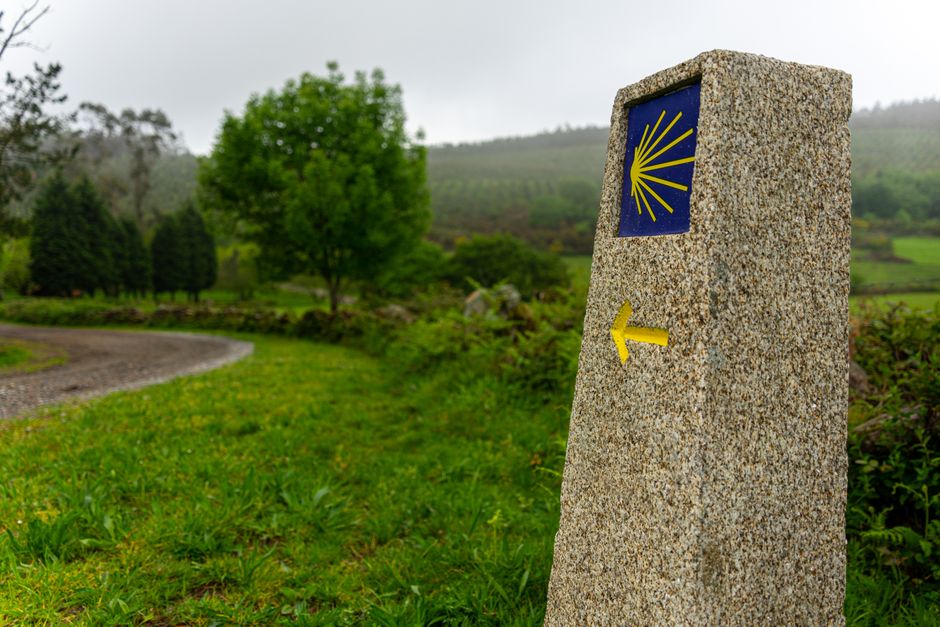
Route choice determines the character of the journey more than almost any piece of packing advice. Distances vary by starting point and local variant, so use the figures below as planning ranges rather than promises.
| Route or section | Approximate distance | Main character |
|---|---|---|
| Porto to Santiago, Central Route | About 240 kilometres | Historic towns, mixed pavement, regular services |
| Porto to Santiago, Coastal Route | About 260 to 280 kilometres | Ocean views, boardwalks, wind and exposed sections |
| Tui to Santiago | About 118 kilometres | Compact schedule with rolling terrain and busy stages |
| Lisbon to Santiago | More than 600 kilometres | Longer quiet stretches, more planning and greater time commitment |
When is the Central Route the better choice?
Choose the Central Route if you want the most established first Camino from Porto. It gives you frequent villages, historic churches and many chances to shorten or adjust a stage. The tradeoff is more road walking and less continuous ocean scenery. For a first journey with limited flexibility, the Central Route is the strongest choice because its support network makes a bad weather day easier to manage.
When should you choose the Coastal Route or Tui?
The Coastal Route suits walkers who value Atlantic scenery and can accept stronger wind, exposed paths and route variations. It is not automatically easier just because sections follow the sea. Choose Tui when your time is limited and receiving the Compostela matters. The final section exceeds the 100-kilometre walking threshold commonly used for that certificate, but the short itinerary requires disciplined pacing and leaves less room for missed connections or rest days.
How should you plan daily stages and recovery?
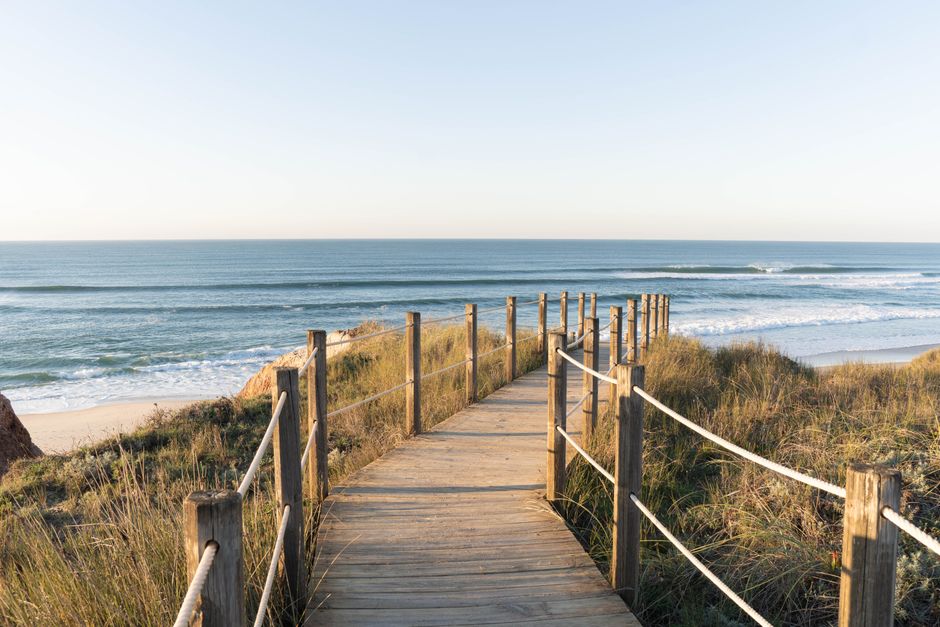
The practical solution is a route plan with a margin. Do not treat every available day as a walking day. Reserve at least one flexible day for soreness, weather, transport disruption or a town you want to experience properly.
Build the itinerary in five decisions
- Set the real start point. Count travel time, arrival fatigue and the distance from your accommodation to the trail. A late arrival in Porto should not become a forced night walk.
- Cap the first two stages. Aim for roughly 15 to 18 kilometres at the start, even if later stages reach 22 kilometres. This gives your feet time to reveal pressure points.
- Keep one shorter stage every three or four days. A 10 to 15 kilometre day can protect the rest of the itinerary. Use it for laundry, a long lunch or an afternoon nap.
- Check the finish before leaving. Confirm where the route enters town, where the next bed is located and whether the final kilometres involve a steep descent. The last two kilometres often take longer than expected when fatigue is high.
- Write down a fallback. Know the next village, a bus connection and the point where you will stop if your body gives a clear warning. A backup plan is a safety tool, not a sign that the walk has failed.
What should you carry and check each morning?
Keep the pack light enough that you can walk upright. Carry layers for rain and wind, simple blister care, water, identification, the credential, basic medication and clothing that dries quickly. The exact contents matter less than the total weight and how easily you can reach the items you use during the day.
Before setting out, check the weather, the stage distance and the opening hours of your next food stop. Rural stretches may have fewer choices than a map suggests. Eat something before hunger becomes urgent, especially on a long stage between villages.
What should you expect from villages, food and pilgrim life?
How does daily life on the route work?
The Camino is not a sealed hiking trail. It passes through working towns, residential streets, farms, vineyards, school zones and busy roads. Local people may be commuting while walkers search for arrows. Keep to safe walking lines, avoid blocking narrow pavements and greet people who offer directions or water.
Village services follow local rhythms. Lunch may start later than a hungry walker expects, and dinner can be quieter or more limited outside larger towns. Portuguese cafés often make an easy morning stop for coffee, bread and a small savoury bite. In Galicia, pilgrim meals and local dishes become more common as you approach Santiago, but the quality and schedule vary from place to place.
What local etiquette should first-timers know?
Use a low voice in shared sleeping spaces, keep personal items contained and leave bathrooms as you found them. Ask before photographing people, religious services or private homes. If a host gives practical advice about a flooded path, road crossing or village closure, listen carefully. Their information may be more current than a route downloaded weeks earlier.
Shared accommodation can be part of the experience, but it is not mandatory. The purpose is to reach Santiago with enough energy to remember the places between the milestones.
What should the final approach to Santiago feel like?
The final approach can be emotional, crowded and less scenic than the quietest sections. You may walk beside other pilgrims who have different reasons for being there. Some want a religious journey, some want time outdoors, and others need a clear break from normal routines. None of those motives requires a performance.
When you arrive in Porto at the start, the sensible move is to reduce the first day rather than prove that you can walk far. After choosing a suitable route, carrying a manageable load and leaving space for recovery, that same arrival scene changes: the pack feels familiar, the arrows make sense, and the first stage becomes an opening chapter instead of a test you must pass.