In 2026, Google searches for “solo travel” hit an all-time high. But here’s the thing: 73% of people who search for it never book the trip. They get stuck on the same three fears — loneliness, safety, and cost.
This article kills those fears with facts and a clear plan. No fluff. No “follow your heart” nonsense. Just what to do, what to pack, and where to go.
Why Most People Never Take the First Trip
The fear of eating alone in a restaurant stops more solo trips than lack of money. I’ve seen it happen a dozen times. A friend books a flight, then cancels three days before because they panicked.
Here’s the reality: eating alone is a skill you learn in about two meals. The first one feels awkward. The second one feels fine. By the third, you prefer it because you can read, people-watch, or just enjoy the food without conversation.
The real problem isn’t fear. It’s analysis paralysis. Too many blogs, too many YouTube videos, too many “10 things I wish I knew” lists. You end up more confused than when you started.
The fix is simple: pick a destination, book a flight, and go. But you need a framework to make that decision fast.
The 3-3-3 Rule for Your First Solo Trip
This is the only planning framework you need. It eliminates overthinking and forces action.
3 Nights Minimum
Anything less and you’ll spend the entire trip anxious. Three nights gives you one day of settling in, one day of exploring, and one day of actually enjoying yourself. Book 4 nights if you can afford it. That extra buffer makes a massive difference.
3 Hours Travel Time Maximum
Your first solo trip should not involve a 14-hour flight to Thailand. Pick somewhere within a short direct flight or a 3-hour train ride. This reduces jet lag, language barriers, and the risk of getting hopelessly lost.
Good first destinations: Portland, Oregon. Montreal, Canada. Lisbon, Portugal. Barcelona, Spain. Kyoto, Japan (if you’re brave enough for the culture shock — it’s worth it).
3 Activities Pre-Booked
Book exactly three things before you go: your accommodation for night one, one guided walking tour, and one dinner reservation at a restaurant with a bar seat. That’s it. The rest of your time stays open for spontaneous decisions.
This structure prevents the “what do I do now” panic while leaving 80% of your trip unplanned.
Safety: The Real Risks vs. The Imagined Ones
Let’s separate fear from fact. The most dangerous part of solo travel is the drive to the airport. Car accidents kill far more people than street crime in tourist areas.
Statistically, solo travelers are not at higher risk than group travelers. The difference is perception. When something goes wrong in a group, you have witnesses. When it happens solo, it feels scarier in hindsight.
What Actually Gets You Into Trouble
- Drinking too much alone — This is the number one cause of bad situations. Keep it to two drinks max when you’re solo.
- Walking home drunk at 2 AM — Take a licensed taxi or rideshare. Always. The $15 is cheaper than the hospital visit.
- Trusting strangers too fast — Friendly locals are great. But don’t leave your drink unattended and don’t follow someone to a “secret” location on the first meeting.
Practical Safety Tools
Share your location with one person back home using Google Maps or Apple Find My. Send them your accommodation address. Check in once a day. That’s enough.
Download Maps.Me for offline navigation. Download WhatsApp for free international messaging. Carry a portable door lock ($12 on Amazon) for extra peace of mind in hostels or budget hotels.
The Real Cost: A Honest Budget Breakdown
Everyone says solo travel is expensive. It can be. But it doesn’t have to be. Here’s a realistic budget for a 4-night trip to a mid-range European city like Lisbon or Porto.
| Expense | Budget Option | Mid-Range Option | Notes |
|---|---|---|---|
| Flight (round trip) | $200 (budget airline, basic fare) | $400 (standard airline, carry-on included) | Use Skyscanner or Google Flights with flexible dates |
| Accommodation (4 nights) | $120 (hostel dorm, 4-bed female-only) | $320 (private room in a guesthouse) | Book through Hostelworld or Booking.com |
| Food (4 days) | $100 (street food, supermarket breakfast) | $200 (one nice dinner, casual cafes) | Skip tourist-trap restaurants near major squares |
| Activities | $40 (free walking tours, parks, museums on free days) | $100 (paid tours, one nice attraction) | Most cities have free museum days once a week |
| Local transport | $30 (bus, metro, walking) | $60 (metro + occasional Uber) | Walk as much as possible |
| Total | $490 | $1,080 | Both are doable. Pick your comfort level. |
The budget option is realistic for a hostel dorm with street food. The mid-range option gets you a private room and one nice dinner. Both are safe and enjoyable. The difference is comfort, not experience.
What to Pack (and What to Leave at Home)
Overpacking is the most common beginner mistake. You don’t need three pairs of shoes. You don’t need a hairdryer. You don’t need “just in case” outfits.
The 5-4-3-2-1 Rule
- 5 tops — mix of short and long sleeve, neutral colors
- 4 bottoms — two pants, one shorts, one skirt or dress
- 3 pairs of socks — merino wool if you can, they don’t smell
- 2 pairs of shoes — one comfortable walking shoe, one sandal or dress shoe
- 1 jacket — a packable rain jacket or light puffer
Plus: one swimsuit, one sleep outfit, underwear for 5 days (wash in the sink). That’s it. Carry-on only. A 40-liter backpack or a small rolling suitcase.
Tech Essentials
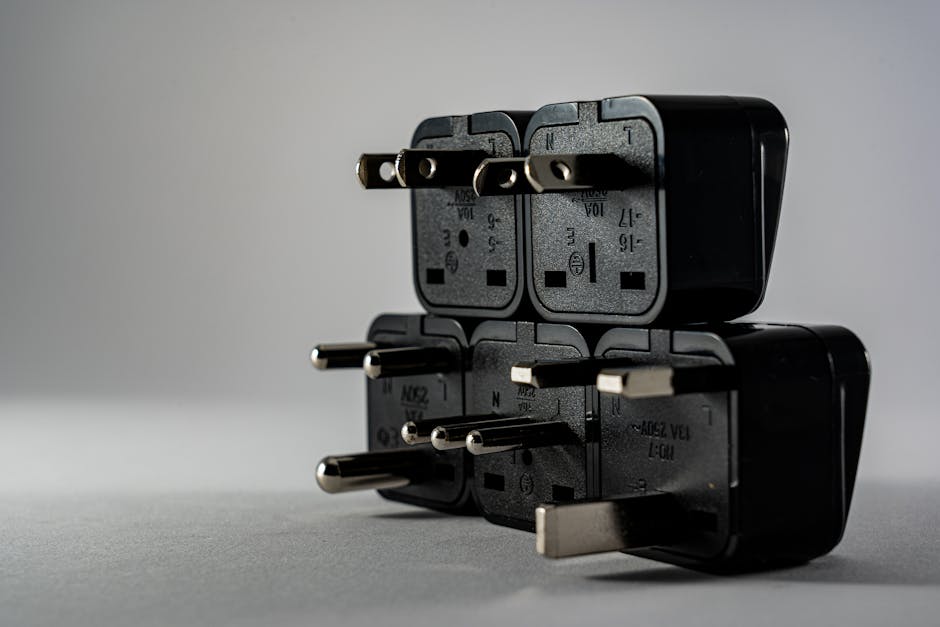
Bring a universal adapter ($15 on Amazon). Bring a 10,000mAh power bank ($25, Anker is reliable). Bring wired earbuds — Bluetooth dies at the worst moment. Leave the laptop at home unless you’re working. A phone and a Kindle (or physical book) is all you need for downtime.
How to Meet People (Without Being Awkward)
This is the question everyone asks but never says out loud. The answer is simpler than you think.
Free Walking Tours
Show up at the starting point. Join the group. At the end, ask someone “Where are you from?” or “What are you doing next?” That’s it. Every solo traveler on that tour is looking for the same thing. You’re not being weird. You’re being normal.
Hostel Common Rooms
Even if you book a private room, go sit in the common area with a book or your phone. Someone will say hi within 10 minutes. Hostelworld data shows that 85% of solo travelers in hostels make at least one friend during their stay. The odds are in your favor.
Dinner at the Bar
Restaurant bars are the best place to eat alone. You can order a drink, eat your meal, and chat with the bartender or the person next to you. No awkward table for one. No waiting for a server. Just food and conversation if you want it.
One hard rule: don’t force it. Some days you’ll want to be alone. That’s fine. Solo travel is about doing what you want, when you want. If you want a silent day in a park with a sandwich, do that.
When Solo Travel Is a Bad Idea
This is the section most blogs skip. Honest advice means admitting when something isn’t right for you.
Solo travel is a bad idea if:
- You are actively in a mental health crisis. Travel doesn’t fix depression or anxiety. It can make it worse because you’re isolated from your support system.
- You have zero tolerance for uncertainty. If a delayed train ruins your entire week, solo travel will be miserable. Things go wrong. You have to adapt.
- You are going to a high-risk destination as your first trip. Syria, Afghanistan, or parts of Central America are not beginner destinations. Save those for trip number five.
- You cannot handle eating alone without shame. This is a skill you build. If the thought makes you physically ill, start with a day trip in your own city before booking a week abroad.
Alternatives to consider: Group tours (Intrepid, G Adventures, Contiki) give you the solo experience with built-in company. Or start with a weekend trip to a nearby city where you know one person. Test the waters before diving in.
Your First Solo Trip: The Verdict
Here’s the short version of everything above.
| Decision | What to Do | Why It Works |
|---|---|---|
| Destination | 3 hours or less from home, English-friendly, safe reputation | Reduces anxiety and risk of getting stuck |
| Length | 4 nights minimum | Gives you time to settle into the rhythm |
| Accommodation | Hostel with good reviews or private guesthouse | Balances social opportunity with privacy |
| Packing | Carry-on only, 5-4-3-2-1 rule | You don’t want to drag a suitcase up four flights of stairs |
| Budget | $500-$1,100 for 4 nights in Europe | Realistic range depending on comfort level |
| Safety | Share location, limit alcohol, trust your gut | 99% of problems are avoidable with basic caution |
Book the flight. Pack the bag. Go. The hardest part is the first 24 hours. After that, you’ll wonder why you waited so long.