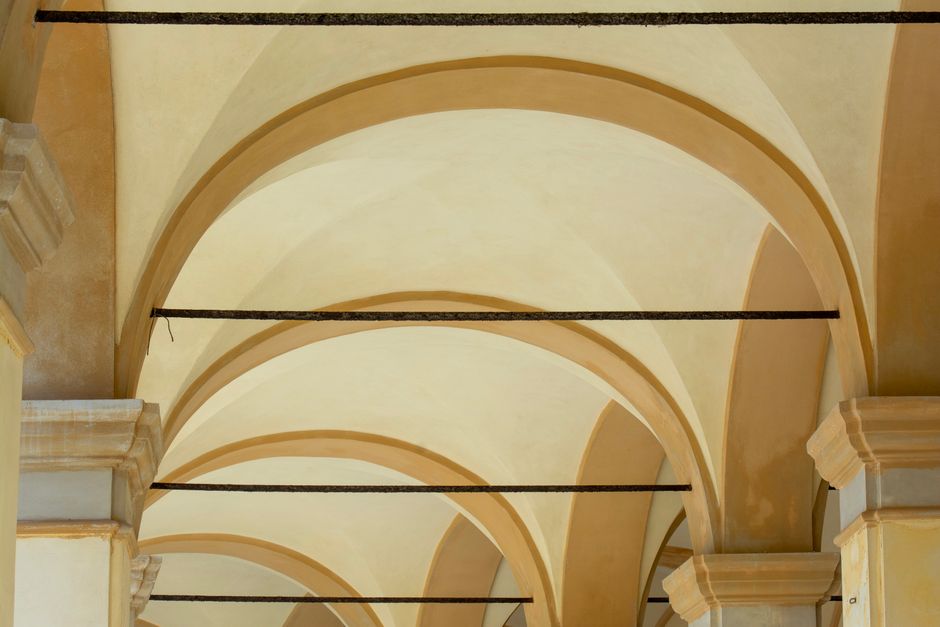
Bologna has roughly 62 kilometres of porticoes, and the covered route to the Sanctuary of San Luca alone runs beneath 666 arches. That unusual urban design explains why the city works so well for a short visit: you can walk through rain, heat and busy streets while moving between medieval towers, markets, churches and small restaurants.
The best weekend in Bologna is not a checklist of landmarks. It is a steady loop through the historic centre, a long portico walk, and meals built around local dishes rather than generic Italian menus. Use the plan below as a framework, then leave room for the streets that look interesting on the day.
How to Spend Your First Morning in Bologna
Start in Piazza Maggiore before the crowds
Begin around 8:30 in Piazza Maggiore. The square gives you the clearest introduction to Bologna because several major sights sit within a few steps of one another. Look at the unfinished facade of the Basilica of San Petronio, the Neptune Fountain and the Palazzo del Podestà before moving through the narrow streets behind the square.
Walk toward the Quadrilatero, the old market quarter beside Piazza Maggiore. Do not rush through it as if it were only a photo stop. The district shows the practical side of Bologna: food is part of the city’s daily structure, not a separate attraction.
Use the Two Towers as your first orientation point
Continue to Piazza di Porta Ravegnana and the Two Towers. The leaning Torre Garisenda and the taller Torre degli Asinelli are Bologna’s most recognisable landmarks. Access rules and restoration work can change, so check the current official information before planning a climb. Even from street level, the towers help you understand the old city. Major routes radiate from this point toward the university district, Santo Stefano and the market streets.
For the first morning, the clear verdict is simple: stay in the compact centre. Bologna rewards slow observation more than early transport connections, and the most useful sights are close enough to link on foot.
Which Bologna Neighbourhoods Suit a Weekend?
The historic centre is best for first-time visitors
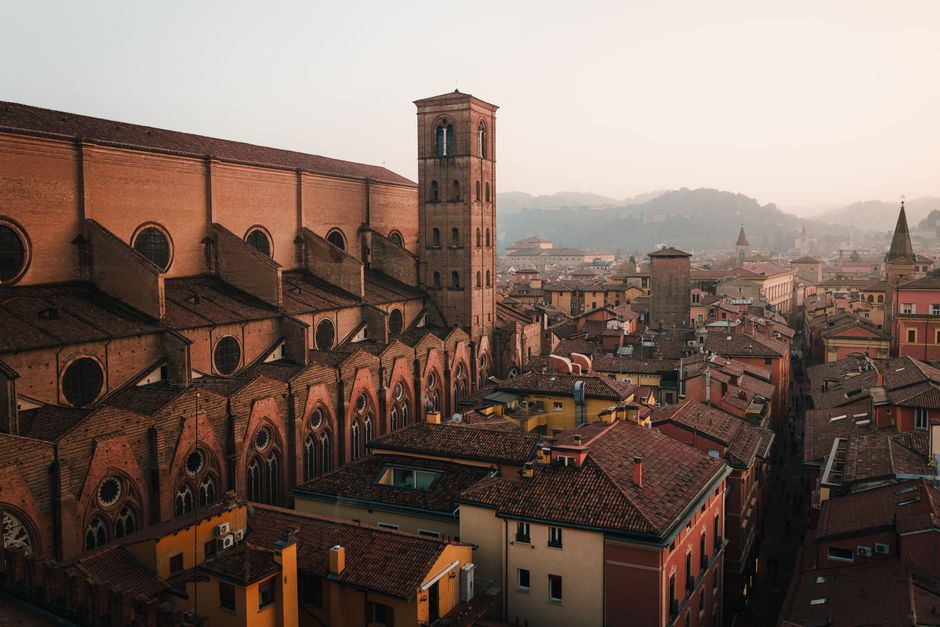
Choose the area around Piazza Maggiore, the Quadrilatero or Santo Stefano if this is your first weekend in Bologna. You will spend less time crossing the city and more time under the porticoes. Morning markets, major churches, the Two Towers and many traditional restaurants are all within a manageable walking loop.
Compare the city areas before you plan your route
| Area | Best for | What it feels like | Main trade-off |
|---|---|---|---|
| Piazza Maggiore and Quadrilatero | First visits and food-focused walks | Historic, busy and central | More daytime foot traffic |
| Santo Stefano | Pretty streets and evening walks | Quieter, elegant and atmospheric | Some sights require a longer walk |
| University Quarter | Informal dining and lively evenings | Young, energetic and less polished | Noise can continue late |
| San Donato | Extra space and practical transport links | More residential than historic | Less convenient for short sightseeing days |
For two nights, the historic centre is the strongest choice because it protects your limited time. Santo Stefano is the better alternative for travellers who value quiet evening walks over being beside every major landmark. The University Quarter suits visitors who want a livelier atmosphere and do not mind a little more noise.
Do not judge distance only by a map. A plan that looks like four kilometres can take half a day when the point is to notice the city.
How to Walk the Porticoes to San Luca
Follow the route from Porta Saragozza
The walk to San Luca is Bologna’s best half-day experience. Start near Porta Saragozza and follow Via Saragozza west toward the long covered passage. The route gradually leaves the dense centre, passing residential streets and small rises before reaching the hill. The portico protects you from direct sun and light rain, but it does not remove the physical effort. The final section climbs steadily.
Allow at least two hours for the walk itself and more time for pauses. A brisk walker may finish faster, but a weekend visitor should not treat the route as a timed challenge. Wear shoes with a firm sole, carry water and avoid starting after a heavy meal. The combination of distance, steps and incline feels different from a flat city-centre stroll.
Know what waits at the top
The Sanctuary of the Madonna di San Luca sits above the city with wide views across Bologna and the surrounding plain. The reward is not only the building. It is the change in scale. At street level, Bologna feels dense and enclosed by brick walls. From the hill, you can see how the historic centre fits into a much larger landscape.
Walk back through the portico rather than treating the sanctuary as a quick photo stop. The return journey gives you a different view of the arches and opens a natural pause before dinner. If the weather is hot, start early. If rain is heavy, keep the walk for the clearest half-day and use the centre’s museums or churches as a backup. The best verdict for a short trip is to make San Luca your main outdoor activity, not an optional extra squeezed between several other long walks.
What to Eat in Bologna and How to Order It
Build meals around local dishes
Bologna’s traditional food is rich, slow-cooked and shaped by the region’s agricultural history. Start with tagliatelle al ragù, where the sauce is served with fresh egg pasta rather than spaghetti. Try tortellini in brodo when you want the city’s most comforting bowl: small filled pasta served in clear broth. Lasagne verdi uses green pasta sheets, usually coloured with spinach, and belongs to the local tradition rather than the fast, heavily layered versions found elsewhere.
For a lighter midday stop, look for mortadella served simply, or ask for crescentine and tigelle with soft cheese, cured meat or spreads. The names can vary slightly by menu, so ask what the kitchen makes that day. In Bologna, the most useful question is often not what is famous, but what is prepared in-house.
Plan food by meal, not by a restaurant checklist
- Breakfast: Keep it small so you can enjoy lunch. Coffee and a pastry fit naturally into a morning walk.
- Lunch: Choose fresh pasta or a market-style plate. This is the best meal for trying a dish that takes time to prepare.
- Aperitivo: Pause in the late afternoon for a drink and a few savoury bites, but do not treat it as a full substitute for dinner unless the serving is substantial.
- Dinner: Order one traditional main dish, then add a vegetable or local side instead of stacking several heavy courses.
Make reservations for a specific restaurant only when you have a strong reason to eat there. For a casual weekend, flexibility is more valuable. Avoid ordering every famous dish in one sitting. Bologna’s food is filling, and a rushed tasting menu can turn a good idea into an uncomfortable evening.
How to Structure a Two-Day Bologna Itinerary
Day one: the historic centre and Santo Stefano
After lunch, walk toward Santo Stefano and the colonnaded streets around the basilica complex. Use the late afternoon for a slow circuit through the centre when the harsh midday light has softened. Finish with dinner near the historic core so you can walk back instead of spending the evening on transport.
- 8:30: Piazza Maggiore and the surrounding civic buildings.
- 10:00: Quadrilatero market lanes and nearby churches.
- 12:30: Fresh pasta or another traditional lunch.
- 15:00: Santo Stefano and the streets toward the Two Towers.
- 18:00: Aperitivo, a quiet square or a second walk under the porticoes.
- 20:00: Traditional dinner with one main dish and a local side.
Day two: San Luca and a slower afternoon
Use the second morning for the San Luca portico walk. Leave enough time for the sanctuary, the views and the return route. After lunch, choose one focus rather than trying to cover every museum and church. Good options include a deeper look at the university area, a second market visit or a relaxed walk through the less crowded southern streets.
This split works because it separates two different kinds of Bologna. Day one shows the dense medieval centre. Day two gives you height, distance and a wider view of the city. Adding too many distant sights weakens the plan. The strongest weekend itinerary has one clear anchor for each half-day and enough empty time to follow your appetite or a street that catches your attention.