What is the best way to spend three autumn days in Porto without rushing between viewpoints, port cellars, and the river? Build the trip around the city’s steep geography. Start high, walk downhill, cross the Douro at the right time, and leave one flexible block for rain. From September to November, Porto brings softer light, cooler walking weather, changing sunsets, and fewer crowds than the busiest summer weeks. The trade-off is simple: October and November can bring Atlantic showers, so a good route needs both a clear-weather version and a wet-weather fallback.
Why autumn is Porto’s best season for views and walking
How the hills shape the experience
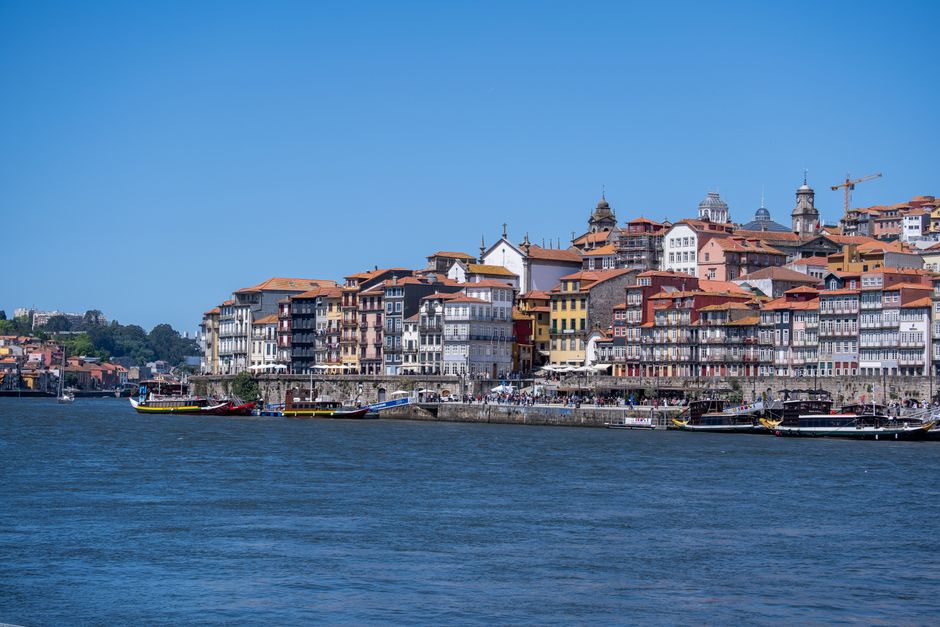
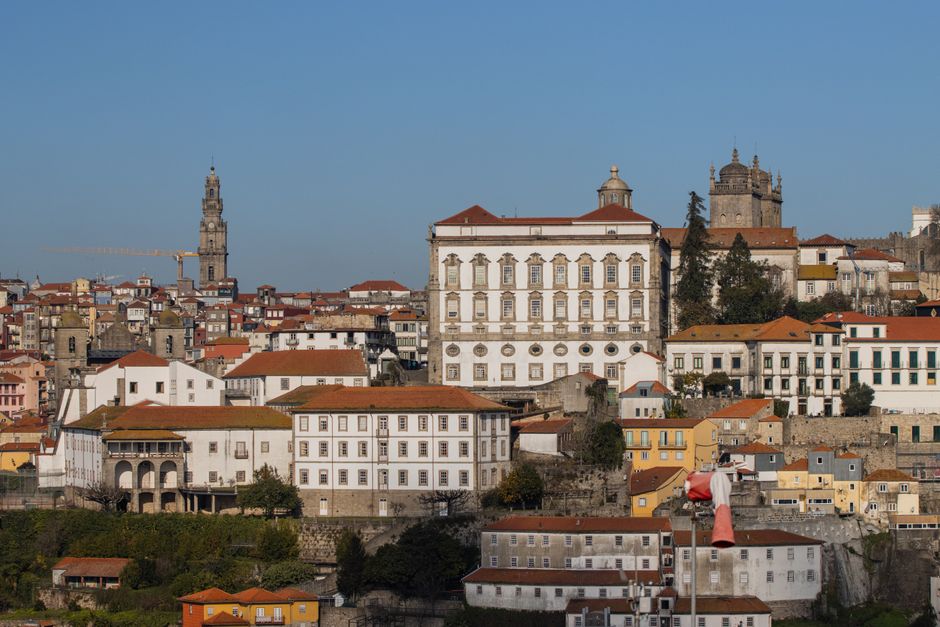
Porto is not a flat riverside city with a few hills added around the edges. Its historic centre rises from the Douro in layers. Ribeira sits low beside the water, the Cathedral occupies a higher ridge, and Vitória opens toward another set of terraces and church towers. That pattern creates the city’s best walking rhythm: climb once, collect several views, then descend through narrow streets instead of repeating the same uphill route.
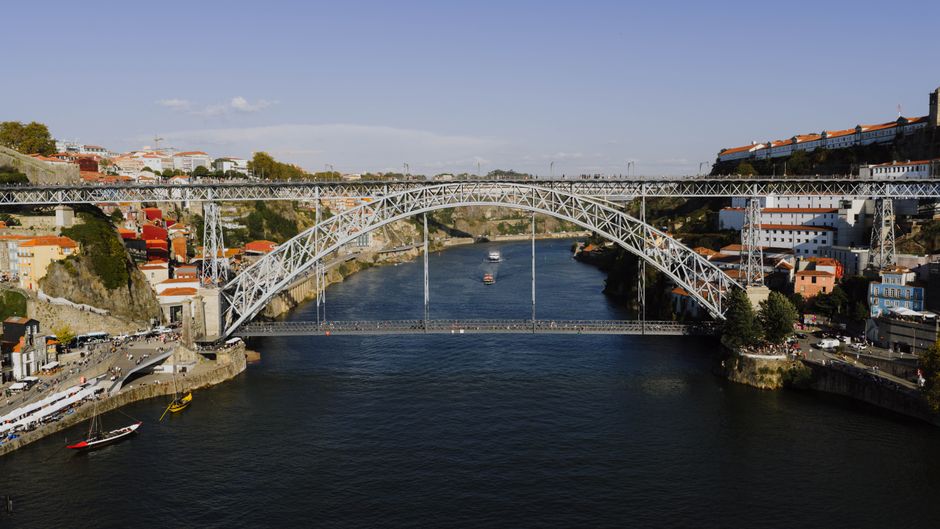
Autumn makes that rhythm easier. September can still feel warm in the afternoon, while October and November often bring cool mornings and comfortable temperatures for long walks. The low sun gives the granite façades, tiled walls, and terracotta roofs stronger contrast than the bright haze of midsummer. At golden hour, the upper deck of Dom Luís I Bridge, Jardim do Morro, and the Gaia hillside can all show different versions of the same river.
Where to see Porto without paying an entrance fee
Use Terreiro da Sé for a first orientation, then walk toward the Vitória viewpoint and Passeio das Virtudes. These places work because they show the city as a layered landscape rather than a single postcard. Palácio de Cristal Gardens are the best choice for a slower afternoon: the gardens cover a broad area, include several small terraces, and look across the Douro toward Gaia and the Arrábida Bridge.
Fontaínhas offers another strong angle over the river and Dom Luís I Bridge, especially when the sky breaks after rain. The municipal viewpoints listed by Visit Porto include Terreiro da Sé, Passeio das Virtudes, Palácio de Cristal, Fontaínhas, Serra do Pilar, and the Fernandina Wall at Guindais. Pick three or four, not all of them. The best autumn view is the one you reach before the light disappears.
A practical 3-day Porto itinerary
The route at a glance
This plan keeps each day focused on one part of the city. It also places the most weather-sensitive sights in the flexible middle of the day. Times are working targets, not reservations, and they leave room for coffee, photographs, and the kind of wrong turn that often reveals a better street.
| Day | Morning | Afternoon | Evening |
|---|---|---|---|
| Day 1 | São Bento, Cathedral, Terreiro da Sé | Clérigos, Vitória, Livraria area, Passeio das Virtudes | Ribeira dinner and riverfront walk |
| Day 2 | Bolhão Market and Rua de Santa Catarina | Cross Dom Luís I Bridge to Gaia | Port cellar visit and Gaia waterfront |
| Day 3 | Palácio de Cristal Gardens and viewpoints | Ribeira to Foz riverside route | Flexible restaurant or second viewpoint at sunset |
How to pace each day
Begin Day 1 at São Bento Station, then walk uphill to the Cathedral. From there, move through the centre toward Clérigos and the Vitória viewpoint. Clérigos Tower has 180 steps, so schedule it before lunch if you want the full panorama. Finish the afternoon at Passeio das Virtudes, where the slope creates long views toward the river. Walk down to Ribeira for dinner rather than taking transport; the descent is part of the route.
On Day 2, keep the morning local and unhurried. Bolhão Market gives you a better introduction to everyday food than a string of formal tastings. Cross the upper deck of Dom Luís I Bridge after lunch, then descend into Gaia for one cellar visit. Day 3 should remain flexible. If the sky is clear, visit Palácio de Cristal first and continue toward Foz. If rain arrives, replace the long riverside walk with São Francisco Church, the Palácio da Bolsa, or the Portuguese Centre for Photography.
Which Gaia port cellar should you choose?
Compare the standard visits
Port wine is made in the Douro Valley and traditionally aged in lodges across the river in Vila Nova de Gaia. The cellar visit matters because it explains the gap between the vineyard landscape and the dark, cool warehouses where many Ports mature. Choose one serious visit rather than trying to collect several rushed tastings in the same afternoon.
| Cellar | Published visit detail | Best for | 2026 planning note |
|---|---|---|---|
| Sandeman | Porto Sandeman Visit, €23, 50 minutes, three Ports | First-time visitors who want a short guided introduction | Includes White, Ruby, and Tawny styles |
| Taylor’s | Audio-guided visit, €25, three wines | Independent visitors who prefer to move at their own pace | Includes Chip Dry, LBV, and 10-Year-Old Tawny |
| Graham’s | Guided formats with three premium Graham’s Ports | Visitors who care most about the tasting and the view | Reserve a time because formats and prices vary |
What the tasting styles actually mean
Sandeman is the clearest entry point if you want to compare three broad styles in one sitting. Taylor’s gives more detail for independent travellers, and its tasting includes Taylor’s Chip Dry, Late Bottled Vintage, and 10-Year-Old Tawny. The dry white shows how Port can work before a meal, LBV brings a richer fruit profile, and the aged Tawny shows the nutty, oxidative character many visitors associate with the category. Graham’s is the strongest pick for a scenic, wine-focused visit because its lodge sits higher on the Gaia slope and looks back toward Porto.
Do not book a cellar only because it has the biggest name. For a short trip, Sandeman at €23 is the best value for a structured introduction. For a self-guided visit with three distinct wines, Taylor’s at €25 is the better choice. For a serious tasting and a wider view, choose Graham’s and accept the higher, changing cost of its longer formats.
Porto autumn mistakes that ruin a three-day trip

Five problems to prevent before you arrive
- Trying to visit every viewpoint. Porto rewards a short list. Terreiro da Sé, Passeio das Virtudes, Palácio de Cristal, and Serra do Pilar give four distinct perspectives. Adding six more usually means less time at each one.
- Ignoring the slopes. A route that looks short on a map may include steep cobbles, steps, and sharp descents. Wear shoes with a firm sole, and do not plan a long climb immediately after a large lunch.
- Putting the cellar visit too late. Gaia lodges close earlier than many restaurants. Sandeman’s listed standard visit lasts 50 minutes, while Taylor’s cellar hours and tasting-room hours differ. Check the exact 2026 slot before crossing the bridge.
- Confusing a river view with a river walk. Ribeira is compact and busy. If you want open space, continue west toward Massarelos, the old tram route, and Foz. The walk takes much longer than a few photographs beside the Dom Luís I Bridge.
- Leaving rain without a plan. Autumn showers can arrive quickly. Keep the Palácio da Bolsa, São Francisco Church, Bolhão Market, and the Portuguese Centre for Photography as indoor replacements. They also protect the trip from the common mistake of spending half a wet day moving between distant attractions.
When not to cross the river
Skip Gaia at sunset if heavy rain, strong wind, or poor visibility makes the upper bridge uncomfortable. You will not lose the best part of the experience. Ribeira, Miradouro da Vitória, and Passeio das Virtudes can provide better shelter and stronger reflections on wet streets. Cross on a clearer morning instead, when the cellar visit and the Gaia waterfront work as one compact route.
How should you handle rain, hills, and the river?
Is three days enough for Porto?
Yes, if the goal is the historic centre, viewpoints, one Gaia cellar, and a meaningful stretch of riverside. Three days are not enough for Porto plus a relaxed Douro Valley excursion, Braga, and the coast. Adding a full-day wine trip turns this plan into a rushed city sampler, so keep the valley for a longer stay.
Should you use a boat, tram, or walk?
Walk for the historic centre and Gaia. Use the metro or a taxi when rain makes the hills unpleasant. A six-bridge cruise can add a useful river perspective; official listings show a 50-minute trip with adult tickets at €18 and reduced child tickets at €9, with more frequent departures in the warmer months than in November. The old tram toward Foz is slower but atmospheric, while the riverside walk gives you more control over stops and photographs.
What should you pack for autumn?
Bring a waterproof shell, one warm layer, shoes with grip, and a small bag that closes securely in crowded streets. Pack sunglasses as well as rain protection; Porto can move from a sharp shower to bright light within an hour. Keep a little space for a bottle from a cellar, but check airline rules before buying a large format.
The best version of autumn in Porto is not a race through monuments. It is a city built around changing light: a high viewpoint in the morning, a cool lodge across the river, wet stone after rain, and a slow walk beside the Douro before dinner. As more travellers seek shorter, slower city breaks, Porto’s blend of food, wine, hills, and water will keep rewarding itineraries that leave room for the weather.