The Strategic Advantages of Staying Put
Have you ever wondered why staying in one region for a full month can be more rewarding than hopping between multiple destinations? The deep dive approach—focusing your energy on one place—unlocks strategic advantages that quick trips often miss.
The Financial Edge
Longer stays often mean monthly vacation rental discounts, making your trip more budget-friendly. Many hosts offer reduced rates for stays over 30 days, helping you stretch your travel dollars further. Beyond lodging, settling in one spot allows you to shop local markets, cook at home, and avoid costly tourist traps. This approach reduces the cost of living abroad without sacrificing authentic experiences.
Productivity & Routine (For Digital Nomads)
For remote workers, establishing a stable base fosters consistent productivity. A set routine beats the chaos of constant moving. You find your favorite cafés with solid Wi-Fi, perfect quiet spots, and even local networking opportunities—turning your trip into a functional digital nomad home base. The familiarity reduces fatigue and enables you to combine work with authentic local experiences, enhancing both career and cultural immersion.
Sustainability
Staying put also benefits sustainable tourism practices. Focusing your travel on one region reduces your carbon footprint by avoiding frequent long-distance transportation. It encourages community-based tourism, supporting local businesses and responsible travel. By engaging deeply with your chosen region, you promote cultural immersion travel that respects the environment and traditions instead of overwhelming destinations.
Embracing the deep dive mindset means traveling smarter, saving money, boosting productivity, and traveling responsibly—key advantages that transform a month-long stay into a meaningful journey.
How to Choose Your Region: Connectivity vs. Seclusion, The “Hub and Spoke” Model, Seasonality & Weather
Picking the right region for a one-month deep dive is key to getting the most out of slow travel itinerary and cultural immersion travel. Here’s what to consider:
| Factor | What to Think About | Tips |
|---|---|---|
| Connectivity | Good internet and transport links if you’re a digital nomad. | Look for remote work travel destinations with reliable Wi-Fi. |
| Seclusion | Do you want peace and off the beaten path exploration? | Choose quieter spots for sustainable tourism practices and less tourist traffic. |
| Hub and Spoke Model | Base yourself in a central “hub” and take day trips outwards. | This allows authentic local experiences without constant moves. For inspiration, check out how others spend time in regional hubs, like the 10-day itinerary in Porto. |
| Seasonality & Weather | Consider climate and tourist seasons; avoid peak crowds and extreme weather. | Pick shoulder seasons to enjoy discounts on monthly vacation rental options and better local vibes. |
Balancing connectivity with the desire for seclusion helps you pick a spot that suits your work or sabbatical travel ideas without burnout. The “hub and spoke” travel method offers a smart way to explore deeply without the hassle of constant packing.
Ultimately, think about how the region supports your needs—whether it’s strong community-based tourism scenes, manageable cost of living abroad, or temporary residency visa options. Choosing well upfront makes your month-long stay feel like a home, not just a stopover.
Structuring the Month: From Tourist to Temporary Local
When adopting the deep dive approach, structuring your month thoughtfully helps you shift from being a mere tourist to feeling like a temporary local. This gradual immersion maximizes authentic local experiences and supports sustainable tourism practices.
Week 1: The Acclimatization Phase
Start by settling into your accommodation and getting familiar with basic logistics—grocery shops, transport, and local etiquette. This phase is all about adjusting your routine and understanding the area’s vibe without rushing. It’s a great time to unwind from travel burnout and set up your digital nomad home base if working remotely.
Week 2: Finding the Rhythm
By the second week, you’ll start establishing a daily routine. Explore community markets, cafes, and public spaces at your own pace. This slow travel itinerary helps you feel rooted, enabling a healthier work-life balance. Try blending local habits into your schedule, and experiment with sustainable tourism activities that respect the region’s culture and environment.
Week 3: The Deep Exploration
Now that you’ve built a foundation, dive deeper. Venture off the beaten path to discover hidden gems and lesser-known neighborhoods. Consider exploring neighboring towns using the hub and spoke travel method—base yourself in one spot but take day trips to nearby attractions. This phase is perfect for cultural immersion travel, letting you connect with locals and experience authentic traditions firsthand.
Week 4: Connection & Reflection
In your final week, focus on forging connections—join community-based tourism projects, attend local events, or take language immersion classes. Reflect on your month-long experience, assessing what worked best for your lifestyle and interests. This reflection can guide future long-term travel planning or sabbatical ideas, helping you craft even more rewarding stays.
By breaking your stay into these clear phases, you make the most of your month-long journey and truly live the slow travel itinerary mindset. For tips on managing long-term travel logistics, check out detailed guides like the one on things to know before visiting new destinations.
The Art of “Micro-Tourism”
Micro-tourism is about diving deep into a single region instead of rushing through many. It’s the perfect way to uncover hidden gems—those local spots off the beaten path that typical tourists miss. Whether it’s a tucked-away café, an artisan workshop, or a quiet trail, these discoveries bring your trip to life and offer authentic local experiences.
Language immersion is another key to connecting genuinely with the place and people. Spending a month in one area lets you pick up everyday phrases, understand local customs, and build meaningful conversations. This approach enriches your cultural immersion travel experience far beyond fleeting greetings.
Culinary deep dives become a highlight of your stay. You can explore local markets, learn traditional recipes, or savor regional specialties that you won’t find anywhere else. Whether you’re sampling street food or dining at small family-run restaurants, slowing down lets you truly appreciate the food culture.
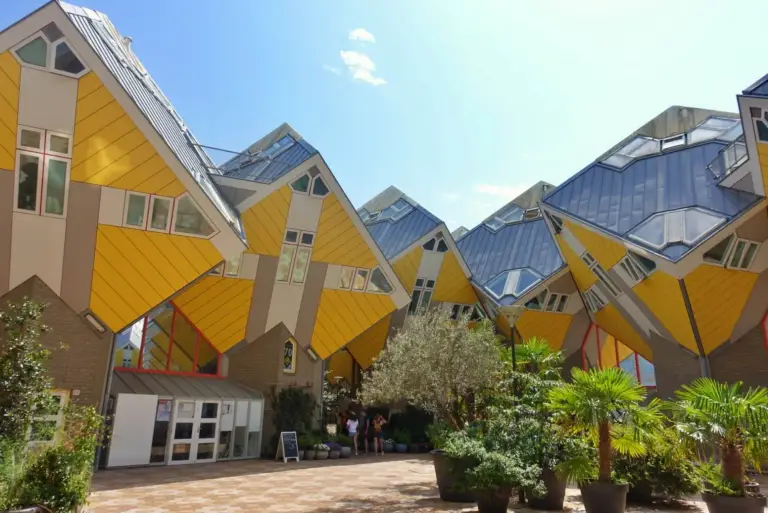
If you’re interested in arts and festivities, consider exploring nearby unique destinations like the Hundertwasser Art installations or celebrations such as La Mercè in Barcelona, which showcase vibrant community-based tourism and rich cultural traditions.
By practicing micro-tourism during your one month in one region, you unlock a deeper, more sustainable way to travel that benefits both you and the local community.
Common Pitfalls of the Deep Dive (and How to Avoid Them)
Taking the deep dive approach—spending one month in a single region—has huge benefits, but it’s not without its challenges. Here are some common pitfalls and how to tackle them.
1. The “Boredom” Fear
Staying put in one place for a month might spike worries about boredom or missing out on typical travel thrills. To avoid this, lean into slow travel itinerary principles: mix daily routines with new activities like local markets, language lessons, or community events. Treat the month as a chance for authentic local experiences, not just ticking off sights.
2. Visa Logistics
One-month stays often require checking visa rules, especially if you want to extend or take advantage of temporary residency visas. Be sure to research visa durations carefully and plan your travels around them to avoid last-minute disruptions. Remember, some destinations offer monthly vacation rental discounts for longer stays, which might affect your visa-based budget.
3. Accommodation Fatigue
Living somewhere temporarily can feel less exciting if your accommodation isn’t comfortable or flexible. Booking monthly vacation rentals is usually cheaper and more convenient than switching hotels. To avoid fatigue, pick a base with good amenities and reliable internet—especially if you’re a digital nomad home base looking to maintain productivity without constant moves.
Being aware of these common pitfalls helps you enjoy your deep dive travel with fewer headaches and more meaningful experiences.
For more on making big travel leaps confidently, check out tips on how to take the leap into solo travel.
3 Ideal Regions for Your First Deep Dive
Choosing the right region is crucial for a successful one-month deep dive. Here are three top picks that offer a great balance of connectivity, culture, and authenticity for your slow travel itinerary.
Region A: Andalusia, Spain
Andalusia is perfect if you’re after genuine cultural immersion travel with plenty of historic charm. The region offers a rich mix of vibrant cities, whitewashed villages, and stunning coastlines. Andalusia’s affordability and monthly vacation rental discounts make it an attractive spot for long-term travel planning and digital nomad home bases. Plus, you can dive deeper than just the usual tourist stops by enjoying authentic local experiences like flamenco nights or exploring smaller towns during festivals such as Semana Santa. The well-developed infrastructure ensures you’ll have reliable connectivity while still finding quiet corners to recharge.
Region B: Chiang Mai Province, Thailand
Chiang Mai offers a fantastic combination of natural beauty and a welcoming expat community—ideal for remote work travel destinations. The city and its surrounding province provide excellent internet speeds, affordable monthly rentals, and a cost of living abroad that suits many travelers. Chiang Mai is known for community-based tourism and sustainable tourism practices, which align well with the slow travel approach. It’s also great for culinary deep dives, from night markets to traditional Northern Thai cooking classes. If you want a home base that blends modern comforts with off the beaten path exploration, Chiang Mai is a top contender.
Region C: Istria, Croatia
Istria is a hidden gem for those seeking a quieter European setting rich in history, vineyards, and coastal towns. This region supports the hub and spoke travel method, where you can stay in a central town and take day trips to nearby cultural spots or nature reserves. Istria’s Mediterranean climate supports seasonality awareness in your travel plans, plus it offers options for sustainable tourism and sabbatical travel ideas. The blend of Slavic and Italian influences means diverse language immersion opportunities and unique culinary experiences. For a mix of seclusion and community, Istria is a perfect pick.
Each of these regions provides a strong foundation for your deep dive, whether you want vibrant city life or peaceful countryside. They’re also well-suited to navigating visa logistics or minimizing travel burnout, giving you space to settle in and truly connect.
For a taste of local Spanish life beyond Andalusia, consider checking out guides like a weekend in Logroño, Spain for further inspiration on regional experiences during your slow travel journey.