Understanding the “Koyo Front”: Timing is Everything
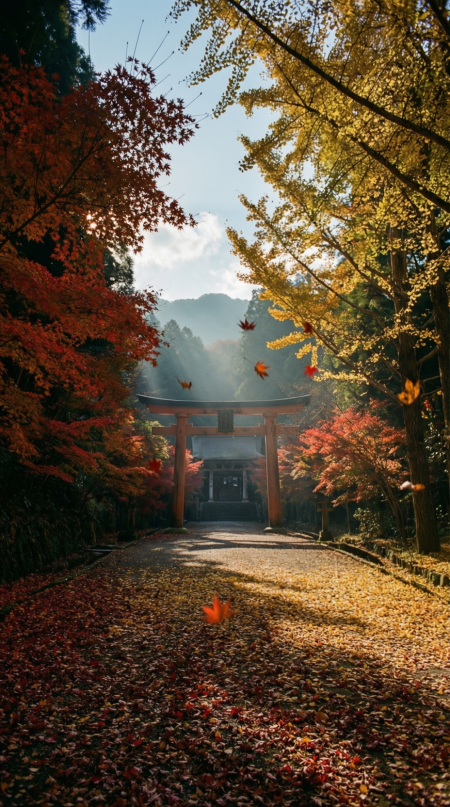
When it comes to momijigari — Japan’s beloved autumn leaf hunting — timing is everything. The vibrant autumn foliage doesn’t peak all at once; instead, it moves like a wave known as the “Koyo Front”. Starting in the north and higher elevations, the colorful leaves gradually descend southward and into the lowlands as temperatures drop. This means the best time to witness fiery reds and golden yellows shifts from Hokkaido in early September to regions like Kyoto and Kansai by late November.
Travelers often focus on the crowded, iconic spots like Kyoto’s ancient temples, but the hidden timing of peak foliage outside the mainstream can offer quieter, equally stunning experiences. Places in Tohoku or even less-visited valleys can have early or late peaks that perfectly match your travel schedule — long before or after the typical Kyoto rush.
To plan your visit right, I highly recommend checking the Japan Meteorological Corporation’s Koyo forecast 2026. This resource provides reliable, weekly updates on leaf color progression across regions, helping you track the foliage front movement from north to south and high to low altitudes. Using this tool makes your off-the-beaten-path Japan travel during autumn more precise and rewarding.
The Northern Frontier: Tohoku & Hokkaido
For those seeking autumn foliage beyond the usual spots, Tohoku and Hokkaido offer some of the earliest and most vibrant colors in Japan. Daisetsuzan National Park in Hokkaido is a top destination if you want to catch the first blush of autumn. Here, the alpine environment means leaves change colors earlier, painting the rugged hiking trails with fiery reds and golds. It’s perfect for adventurous Momijigari combined with mountain trekking.
In Aomori, the Oirase Stream is a must-visit for a peaceful mossy river hike framed by Japanese maple varieties turning deep red. The sound of flowing water alongside the colorful canopy creates a serene atmosphere that is often less crowded than southern hotspots.
Meanwhile, Naruko Gorge in Miyagi Prefecture is famous for its iconic views from the red bridge crossing the gorge. Early morning visits here are ideal to avoid crowds and enjoy the crisp air mixed with spectacular autumn hues. These northern locations embody the best time for autumn leaves in Tohoku, placing you ahead of the main Koyo Front that moves southward later in the season.
If you’re interested in planning with precise local forecasts, the Japan Meteorological Corporation regularly updates their Koyo forecast Japan 2026, which can help you time your trip perfectly. For inspiration on unique nature walks and serene scenery, similar to these hidden paths, check out this guide on photos to inspire you to visit Japan’s less-traveled natural spots.
The Japanese Alps & Central Highlands
For those seeking autumn foliage beyond the usual crowds, the Japanese Alps and Central Highlands offer stunning natural beauty paired with peaceful escapes.
In Kamikochi, Nagano, you’ll find quiet spots surrounded by soaring Alpine peaks. This area is perfect for hiking lovers who want to take in pristine mountain landscapes framed by vivid Japanese maple varieties. Early mornings here are especially serene, making it easy to enjoy momijigari without the usual tourist hustle.
Travel a bit south to the Kiso Valley along the historic Nakasendo Trail, where centuries-old post towns like Tsumago and Magome are carpeted with brilliant fall leaves. The combination of traditional wooden buildings and fiery red maples creates an unforgettable atmosphere, ideal for those wanting an off-the-beaten-path Japan travel experience that still feels culturally rich.
For a different angle, try the Kurobe Gorge Railway in Toyama. This scenic train ride winds through a deep ravine surrounded by dense forests turning brilliant shades of red and gold. The tram offers unique access to remote parts of the gorge, allowing passengers to soak up autumn foliage while comfortably seated — a fantastic alternative to hiking.
Whether you’re hiking high in the Alps or enjoying scenic train rides, this region delivers some of the best autumn colors Japan has to offer, away from the Kyoto crowds. For more tips on exploring rural Japan and finding hidden gems, check out small towns that stole my heart during my travels.
Spiritual Solitude: Shikoku & The Kii Peninsula
For those wanting autumn foliage away from the crowds, Shikoku and the Kii Peninsula offer a unique blend of natural beauty and spiritual calm. In Shikoku’s Iya Valley, you’ll find dramatic vine bridges swinging over deep gorges, surrounded by misty mountains painted in rich reds and golds. This remote area is perfect for travelers seeking peaceful Momijigari (autumn leaf hunting) far from busy tourist spots.
Further south on the Kii Peninsula, Koyasan stands out as a spiritual haven. The ancient Okunoin cemetery, draped in Japanese maple varieties during autumn, creates a quiet, contemplative atmosphere. Visitors can experience serene temple stays, blending nature and spirituality in one of the most tranquil fall foliage spots in Japan.
Both areas highlight how the season’s colors are not just visual treats but also moments for reflection and connection. For travelers keen on off-the-beaten-path Japan travel, these locations provide stunning views paired with meaningful cultural experiences. Consider exploring temple stays in Koyasan for a deeper understanding of Japan’s spiritual heritage alongside its iconic autumn leaves.
Alternatives to Kyoto: The Kansai Outskirts
If you’re looking to enjoy autumn foliage away from Kyoto’s crowds, the Kansai outskirts offer some fantastic hidden gems. Minoo Park in Osaka is a great spot to start – the park features a gentle waterfall hike surrounded by vibrant maple trees. Don’t miss trying the local specialty, Momiji Tempura, a unique treat made from deep-fried maple leaves. It’s a tasty way to connect with the season beyond just sightseeing.
Nearby, Shiga Prefecture around Lake Biwa showcases serene spots where you can enjoy the vibrant reds and golds of the season. Temples like Keisoku-ji provide a beautiful backdrop, especially when a red carpet of fallen leaves covers the grounds. This area offers a quieter, more rural Japan feel, perfect for those wanting a peaceful Momijigari experience without busy tourist spots.
For those planning their trip, checking the Koyo forecast Japan 2026 helps nail down the best times to visit these Kansai outskirts to catch the peak colors. If you want to explore off-the-beaten-path Japan travel ideas further, planning around these less crowded locations is key.
Logistics for the Road Less Traveled
When exploring hidden autumn foliage spots in Japan, planning your logistics carefully can make all the difference.
Transportation: For remote locations like the Iya Valley or Naruko Gorge, renting a car offers flexibility to reach off-the-beaten-path areas not always covered by regular trains. However, if you’re sticking to regions well-served by rail, the Japan Rail Pass remains a cost-effective and convenient choice. There are also regional JR Pass options that can help you save on scenic train rides through Tohoku or the Japanese Alps.
Accommodation: Staying in a traditional Japanese ryokan with private Onsen is an excellent way to relax after a day of momijigari (autumn leaf hunting). Many ryokans in quieter towns provide an authentic experience—offering cozy rooms, local cuisine, and peaceful hot springs. Booking early during peak seasons is advised, especially in lesser-known spots where options are limited.
Etiquette: When visiting these serene landscapes, always respect local communities and the environment. Stick to marked trails, avoid loud noises, and be mindful of cultural norms, such as removing shoes indoors. This preserves the beauty and harmony of rural Japan for both locals and future travelers.
For more travel insights, consider practical tips on managing travel anxiety that can come with navigating rural Japan’s less frequented routes.