Category: Lifestyle

  • Travel Dreams I Had as a Child Compared to Adult Travel Reality

    Travel Dreams I Had as a Child Compared to Adult Travel Reality

    Childhood Travel Dreams: Imagination Without Limits

    As a child, my travel dreams knew no boundaries. I imagined exploring far-off places where anything was possible—enchanted forests, sparkling beaches, and bustling cities filled with magic. Childhood travel dreams were all about pure imagination, where the only limit was how wild my mind could wander. I didn’t worry about travel budgets, planning, or schedules; instead, I dreamed of spontaneous adventures and endless discovery. This boundless creativity made every travel destination a canvas for excitement, wonder, and impossible possibilities. Looking back, these early travel memories capture the true essence of what travel inspiration feels like—raw, hopeful, and wide open to magic.

    Childhood Travel Dreams: Believing in Magic and Adventure

    As a child, travel dreams were wrapped in magic and endless adventure. The world seemed like a storybook full of mysterious places, each waiting to be explored. I imagined stepping into fairy-tale castles, wandering through enchanted forests, or sailing across sparkling oceans to lands that didn’t seem real. This sense of wonder shaped my childhood travel dreams, where anything felt possible and every journey promised excitement beyond the everyday.

    These nostalgic travel stories were fueled by imagination, where the boundaries between fantasy and reality blurred. Every destination was a chance to discover hidden treasures or meet fascinating characters. Thinking back, that belief in magic and adventure made travel feel deeply personal and inspiring—more about the experience than the logistics.

    Holding on to this magic is key when facing the more practical side of adult travel reality later on. It’s a reminder that, despite travel challenges adult life throws at us, the joy of exploring new places can still feel thrilling and fresh. If you want to capture some of that childhood wonder, consider starting with inspiring locations that themselves seem magical—like the colorful, whimsical shapes in the Hundertwasser Art House, a place where architecture feels like a fairy tale come to life.

    For more inspiration on unique destinations blending art and adventure, check out tips on visiting the Hundertwasser Art House.

    Childhood Travel Dreams: Dream Destinations and Fantasies

    As a child, my travel dreams were filled with vivid fantasies about far-off places. I imagined wandering through enchanted castles, exploring jungles full of mysterious creatures, or sailing across endless oceans to discover hidden islands. These dream destinations were shaped by storybooks and movies—each one sparking a sense of wonder and limitless possibility. In those moments, travel wasn’t just about seeing new places; it was a magical adventure waiting to happen. The idea of stepping into a whole new world felt thrilling, and the destinations weren’t just real places—they were worlds crafted from imagination. This blend of childhood travel dreams and fantasies kept the wanderlust alive, long before actual travel became part of my reality.

    Reality of Adult Travel: Budget Constraints and Planning

    When I think about the childhood travel dreams I had, I remember wishing I could visit anywhere without a second thought. But the reality of adult travel is very different—budget constraints play a huge role in shaping where and when I can go. Unlike those carefree days of imagination, now I have to carefully plan each trip, balancing flights, accommodation, food, and activities against a fixed budget.

    Traveling as an adult means juggling expenses and hunting for deals. It often involves prioritizing destinations that offer the best value or timing trips around sales and off-peak seasons. This planning can take away some of the spontaneous joy I once imagined. However, good planning is key to managing expectations and avoiding travel frustrations. For example, researching places like Castlepoint in New Zealand can uncover affordable yet stunning destinations that fit a travel budget without sacrificing the experience.

    In short, adult travel is grounded in practical decisions—something far from the limitless freedom of childhood travel fantasies—but with the right approach, it’s still possible to create memorable adventures.

    Reality of Adult Travel..Time Management and Responsibilities

    When it comes to adult travel reality, managing time is one of the biggest challenges. Unlike childhood travel dreams where days felt endless and carefree, adult trips must fit around work schedules, family duties, and other responsibilities. It’s rare to have a spontaneous getaway—the planning often requires juggling limited vacation days, coordinating with others, and making sure everything at home or work is covered.

    Balancing travel with these commitments means trips are usually shorter and more structured. Instead of wandering freely, there’s often a tight itinerary packed into a few days or a weekend. This pressure can sometimes take away from the pure travel wonder we envisioned as kids.

    However, with smart travel planning tips like prioritizing must-see spots and building in downtime, it’s possible to manage your time effectively and still enjoy the journey. For example, weekend trips like a quick escape to Rotorua offer a great way to recharge without compromising responsibilities, showing it’s all about finding that perfect balance to keep the travel inspiration alive.

    Reality of Adult Travel: Unexpected Challenges and Realities

    Travel as an adult often comes with surprises that childhood travel dreams never prepared me for. Beyond the excitement and new places, unexpected challenges pop up constantly. From flight delays and lost luggage to last-minute itinerary changes, these travel frustrations can test anyone’s patience. Managing travel responsibilities means juggling everything from hotel bookings to transportation, often while trying to stick to a tight travel budget.

    There’s also the reality of health concerns or safety precautions, which sometimes restrict the spontaneity so vivid in childhood fantasies. Weather unpredictability, language barriers, or cultural misunderstandings are common travel challenges adults face, making trips less idyllic than once imagined. Sometimes, these setbacks feel frustrating, but they’re also part of the reflective travel narrative that shapes how we understand the world.

    Despite these hurdles, learning to adapt builds travel insight and resilience. For instance, careful travel planning tips like checking multiple transport options or packing smartly can reduce stress. Embracing these realities doesn’t mean giving up on travel wonder but rather balancing expectations with practicalities. For inspiration and planning advice, exploring a weekend getaway guide to Tarragona reveals how structured adult travel can still offer plenty of magic.

    Bridging the Gap: Keeping Childhood Wonder Alive

    Even though adult travel reality often clashes with the travel dreams I had as a child, I’ve learned that it’s possible to keep that childhood wonder alive. Rediscovering travel wonder means embracing the spirit of adventure and magic I once imagined, even when dealing with travel responsibilities and budget constraints. Instead of focusing only on the logistics and challenges, I try to see each trip as a chance to create new travel memories that echo those nostalgic travel stories from my youth.

    To keep the magic alive, I remind myself that travel inspiration isn’t just about the destination but about the feelings of exploration and surprise. Whether wandering through a charming city like Bruges or enjoying a day trip to Evora, it’s about soaking in moments that spark joy and curiosity. Sometimes, simply changing your mindset helps bridge the gap between childhood travel dreams and adult travel reality.

    Here are a few tips that help me maintain that wonder while traveling as an adult:

    • Stay curious: Seek out local stories and hidden gems rather than only popular tourist spots.
    • Allow spontaneity: Don’t over-plan; leave room for unexpected adventures or slow moments.
    • Capture memories thoughtfully: Take photos or keep travel notes focused on emotions and discoveries.
    • Reflect often: Take quiet moments to appreciate the journey, not just the itinerary.

    By blending a bit of childlike excitement with practical travel planning tips, it’s easier to enjoy travel despite the usual travel frustrations and responsibilities. This balance keeps my travel dreams and reality connected, making every trip feel a little more magical.

    Bridging the Gap..Finding Joy Despite Limitations

    As adults, the reality of travel often comes with budget constraints, tight schedules, and responsibilities that can limit our ability to explore like we dreamed as kids. Yet, finding joy despite these limitations is totally possible. It starts with shifting expectations—understanding that travel doesn’t have to be grand or expensive to be fulfilling. Even simple trips, like a day out to a nearby coastal town or a quick weekend break, can spark that childhood travel wonder and create lasting memories.

    Focusing on experiences over destinations helps too. Embrace the small adventures found in local places, whether it’s strolling through charming streets, trying unique foods, or discovering nature close to home. For instance, enjoying a day trip to Margate can be a refreshing way to reconnect with travel excitement without the stress of long planning or big expenses.

    Here are a few ways to find travel joy despite adult travel realities:

    • Set realistic expectations to avoid frustration
    • Plan shorter getaways that fit your schedule
    • Embrace flexibility when plans change unexpectedly
    • Focus on experiences that bring you happiness, not just ticking destinations
    • Use travel planning tips to maximize your time and budget

    By bridging the gap between childhood travel dreams and adult travel reality, we can rediscover the magic of exploring new places—no matter the boundaries we face. For inspiration on easy escapes, check out ideas like the best places to see kiwi in New Zealand, which can offer amazing experiences within manageable travel plans.

    Bridging the Gap..Tips for Enjoying Travel as an Adult

    Traveling as an adult comes with its own challenges, but that doesn’t mean you can’t rediscover the travel wonder you dreamed of as a child. Here are some practical tips to help you enjoy travel despite adult responsibilities and travel budget constraints:

    • Plan Smart, But Stay Flexible: While managing time and planning are essential, leaving room for spontaneous moments can bring back that sense of adventure and magic.
    • Set Realistic Expectations: Understand that travel won’t be perfect—embracing travel frustrations as part of the journey helps keep your trip stress-free.
    • Prioritize Experiences Over Things: Focus on creating memories, not on ticking off endless destinations or activities.
    • Travel Closer to Home: Explore underrated spots like a weekend in Logrono, Spain, or a day in Hokitika, where you can enjoy immersive experiences without the heavy travel planning.
    • Manage Your Budget Wisely: Look for deals and travel off-season to make your money go further, balancing your desire for adventure with financial reality.
    • Pack Light and Smart: Reduces travel stress and makes navigating new places easier.
    • Connect with Locals or Fellow Travelers: It adds depth to your journey and brings fresh travel inspiration.
    • Reflect and Journal Your Travels: Keeping a reflective travel narrative helps you appreciate your progress from childhood travel dreams to adult travel reality.

    By blending these tips with a mindset of curiosity and openness, you can bridge the gap between those nostalgic travel stories and the adult travel reality, making every trip meaningful and enjoyable.

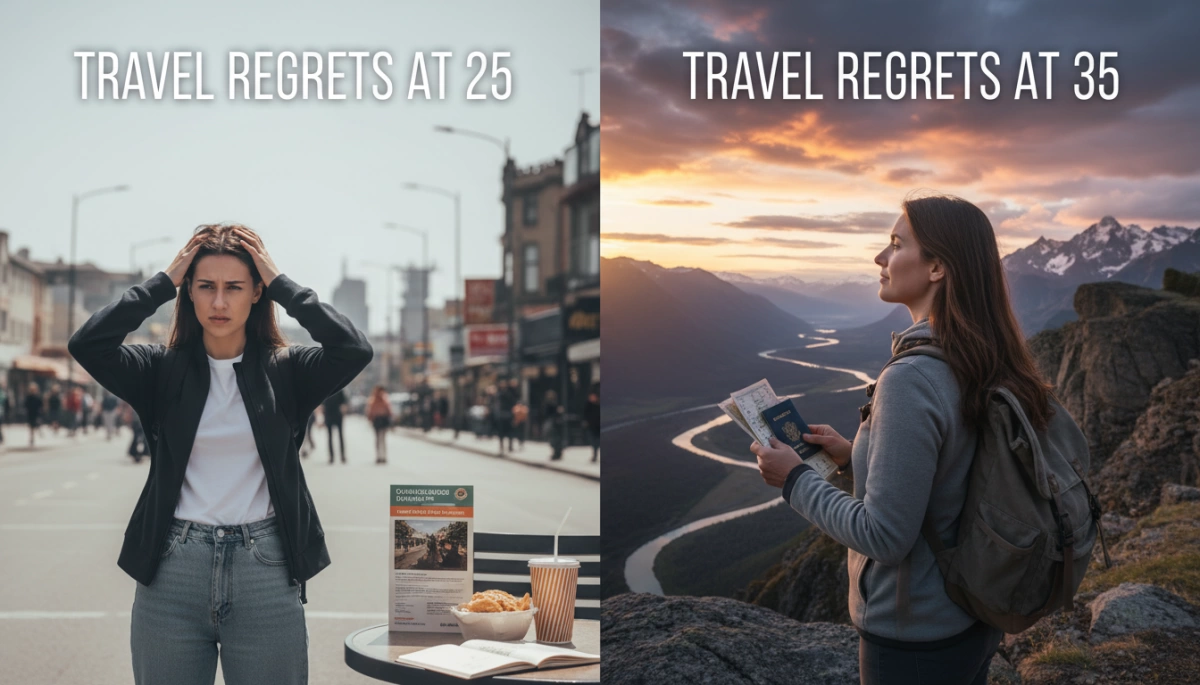
  • Travel Regrets at 25 vs 35 How Travel Priorities Change

    Travel Regrets at 25 vs 35 How Travel Priorities Change

    When I was 25, travel regrets meant cramming five countries into ten days, surviving on $12 hostels, and pretending I could party all night without consequences. Fast forward to 35, and the story flipped—now I regret rushing my trips, skipping comfort, and missing out on truly authentic moments because I was too focused on saving a few bucks or squeezing in one more city. If you’re noticing your travel style evolving from “invincible budget backpacker” to a seeker of slow travel, genuine experiences, and smart investments in comfort, you’re not alone. This isn’t just nostalgia—it’s a big shift in how we value our time, energy, and memories. Ready to see how my biggest travel regrets at 25 vs 35 reveal some surprising lessons? Let’s dive in.

    The Pacing Regret: Sprinting vs. Strolling

    At 25: The Regret of “Not Seeing Everything”

    In my mid-twenties, I was caught up in the checklist mentality—the need to cram as much as humanly possible into every trip. Picture trying to visit five countries in ten days, sprinting from one landmark to the next, obsessively chasing the next Instagram photo op.

    The fear of missing out (FOMO) fueled this exhausting pace. I was convinced that if I slowed down, I’d somehow lose the chance to “see it all.” So, I’d spend entire days rushing through museums, hopping on night buses, and surviving on caffeine alone.

    The reality? I technically saw everything, but barely absorbed a thing. It’s travel burnout disguised as ambition—your eyes are glazed over because your brain is overloaded. You have a passport full of stamps but almost zero memories.

    At 35: The Regret of “Moving Too Fast”

    Flash forward a decade, and my travel style shifted to slow travel—a whole new world. Spending a week or more in one city isn’t just indulgent; it’s transformative. I learned that savoring small moments, like a random afternoon nap or a quiet coffee break in a boutique café, is more valuable than ticking off another train stop.

    Now, I regret rushing through itineraries that don’t factor in downtime. When you value “being” over “doing”, travel stops feeling like a race and becomes more about genuine experience and authentic cultural immersion.

    Slow travel isn’t just trendy; it’s sustainable tourism for the soul. It helps avoid travel burnout and lets you really connect with a place, rather than just skim the surface.


    Key takeaway: At 25, the mistake was sprinting to “see everything” but capturing little. At 35, the regret is moving too fast and missing the richness of slow travel moments. Balance is key.

    The Financial Regret: Price Tag vs. Value

    At 25: The Regret of “Spending Too Much”

    When I was 25, I obsessed over snagging the absolute lowest prices—like that $12 hostel bed that came with bedbugs. The chase for budget deals was relentless, but sometimes, it meant sacrificing comfort and peace of mind. I often skipped out on paid experiences like museums or guided tours just to save cash for cheap beer. Looking back, those missed opportunities were priceless losses in authentic cultural immersion and experiential travel.

    At 35: The Regret of “Being Too Cheap”

    Now, at 35, I regret trying to squeeze every dollar. Saving $50 on a flight that included three layovers ended up costing me two full days of energy and focus. This is where the idea of Time Equity hits home—paying a bit more for a direct flight or a centrally located hotel isn’t a splurge; it’s an investment in comfort and efficiency. Missing out on those upgrades means regretting lost time and unnecessary travel burnout. Sometimes spending wisely unlocks a smoother travel experience, especially as I appreciate boutique hotel experiences and comfort travel essentials more.

    Balancing price and value becomes crucial, and understanding that your time and well-being are part of the travel cost changes your perspective entirely.

    For a good example of curated itinerary planning that balances comfort with authentic experiences, check out how to spend 10 days in Po.

    The Social Regret: Quantity vs. Connection

    At 25: The Regret of “Not Partying Enough”

    In my twenties, there was this constant pressure to be social 24/7, especially in hostel common rooms where everyone seemed to lump together like one big traveling crew. I felt like if I wasn’t out every night, I was missing out. This led to meeting dozens of people across different countries—but the truth is, most connections felt pretty superficial. I ended up knowing many faces but very few real people. That constant chase to be part of the crowd often left me feeling more isolated than connected.

    At 35: The Regret of “Ignoring Local Culture”

    Fast forward to my thirties, and the regret shifted. I noticed that I’d spent much of my twenties hanging out with fellow tourists rather than locals. Authentic cultural immersion became more important than club nights or party boats. I craved genuine experiences—sharing meals with locals, exploring off-the-beaten-path neighborhoods, and having deep conversations instead of shouting over loud music in crowded bars. Focusing on quality time with new friends or even enjoying solitude brought a richer, more meaningful texture to travel.

    This shift aligns with the growing trend of solo travel in your 30s and the broader slow travel movement, where the goal is to savor the moment and connect deeply rather than just tick social boxes.

    For those looking for practical advice on balancing social time with cultural connection, tips on how to spend one day in Piha show how a quieter, nature-focused day trip can offer authentic experiences beyond the typical tourist scene.


    Embedding keywords like authentic cultural immersion, solo travel in your 30s, and slow travel movement helps to capture the essence of these social travel regrets, making the content both SEO-friendly and genuinely useful for travelers evolving in their journey.

    The Physical Regret: Invincibility vs. Sustainability

    At 25: The Regret of “Packing Too Heavy”

    When I was 25, I always overpacked—a bulky 70L backpack stuffed with “just in case” items that I barely used. Lugging around unnecessary gear just slowed me down and drained my energy. On top of that, I ignored basic physical limits like sleep and nutrition. Late nights, poor meals, and pushing through exhaustion felt like part of the adventure, but in reality, it just led to travel burnout and less enjoyment.

    At 35: The Regret of “Neglecting My Body”

    Now, at 35, I’ve learned that self-care on the road isn’t optional. A good travel pillow and comprehensive travel insurance became non-negotiable essentials. I regret not prioritizing sleep hygiene before—I now realise how critical it is to stay rested to truly enjoy each destination. Plus, a hangover at this age can ruin two days of a quick three-day trip, a harsh lesson in sustainable travel. Slow travel means respecting your body’s limits, something that wasn’t on my radar when I was younger.

    For those embracing the slow travel movement, packing light and focusing on comfort travel essentials can make all the difference.

    The Planning Regret: Spontaneity vs. Curation

    At 25: The Regret of “Over-Planning” (or total lack thereof)

    When I was 25, I swung between two extremes—either over-planning every minute of my trip or going in completely unprepared. The anxiety of the unknown gnawed at me, so I’d load up itineraries with double bookings and too-tight schedules. On the flip side, without a smartphone or solid plan, I sometimes ended up wandering aimlessly, stressing over last-minute decisions. Both approaches caused stress and missed opportunities.

    This chaotic style often led to travel burnout, making me forget the joy of just soaking in a place. Looking back, a relaxed balance between planning and spontaneity would have saved a lot of wasted energy.

    At 35: The Regret of “Not Booking in Advance”

    Now, at 35, my biggest planning regret is not booking key experiences well ahead of time. Missing out on sold-out tours or those bucket list restaurants hurts more when you have limited days to explore. It’s clear that itinerary planning at this stage isn’t about locking yourself into a rigid schedule but about securing quality moments.

    Prioritizing must-see experiences in advance means less scrambling and more time for authentic cultural immersion. This thoughtful planning frees you from travel stress while preserving the freedom to explore casually, which really defines slow travel.

    For example, when I planned a recent trip to Europe, having reservations at charming boutique hotels and must-visit spots made the whole experience smoother and more enjoyable. If you want some inspiration, checking out detailed guides like 9 Reasons Europe is Better in Autumn helped me balance spontaneous exploration with planned highlights.


    Tips to avoid planning regrets:

    • Book popular experiences and accommodations early
    • Use itinerary planning apps or tools for a flexible yet curated approach
    • Leave open time slots for unplanned discoveries or simple downtime
    • Balance must-dos with restful “being” moments to prevent travel burnout

    Travel planning in your 30s means valuing your time and energy as much as the destinations themselves—invest wisely for unforgettable experiences.

    How to Bridge the Gap (Tips for the 30-Something Traveler)

    Traveling in your 30s means embracing a new travel identity—it’s completely okay to have outgrown hostels and the 24/7 party scene. Instead, focus on comfort travel essentials that make your trips enjoyable without sacrificing adventure. Balancing nostalgia with your current needs means appreciating the thrill of discovery while prioritizing rest, quality experiences, and authentic cultural immersion.

    Here are some practical tips for flashpacking, a smarter alternative to traditional backpacking:

    • Invest in a lightweight, versatile backpack that fits all your essentials without overpacking.
    • Choose boutique hotel experiences or well-rated guesthouses over dorm rooms to recharge properly.
    • Plan slow travel itineraries that let you savor each destination instead of rushing through a checklist.
    • Prioritize travel insurance benefits to protect both your health and your gear.
    • Seek out local gastronomy and authentic interactions rather than touristy crowds.
    • Use digital tools for itinerary planning that save time and reduce travel burnout.

    This approach helps you travel sustainably and comfortably, making the most of your time and energy. For instance, when visiting unique spots like the scenic Castlepoint in New Zealand, planning a relaxed schedule ensures you soak in the beauty rather than just ticking off another location on the map.

    Bridging the gap is about respecting your evolving travel style while staying open to new experiences—not forcing the old ways just because of nostalgia. Flashpacking offers the perfect balance, letting you enjoy solo travel in your 30s with savvy budgeting and comfort.

  • The Soundscape of Cities Worldwide Exploring Unique Urban Sounds

    The Soundscape of Cities Worldwide Exploring Unique Urban Sounds

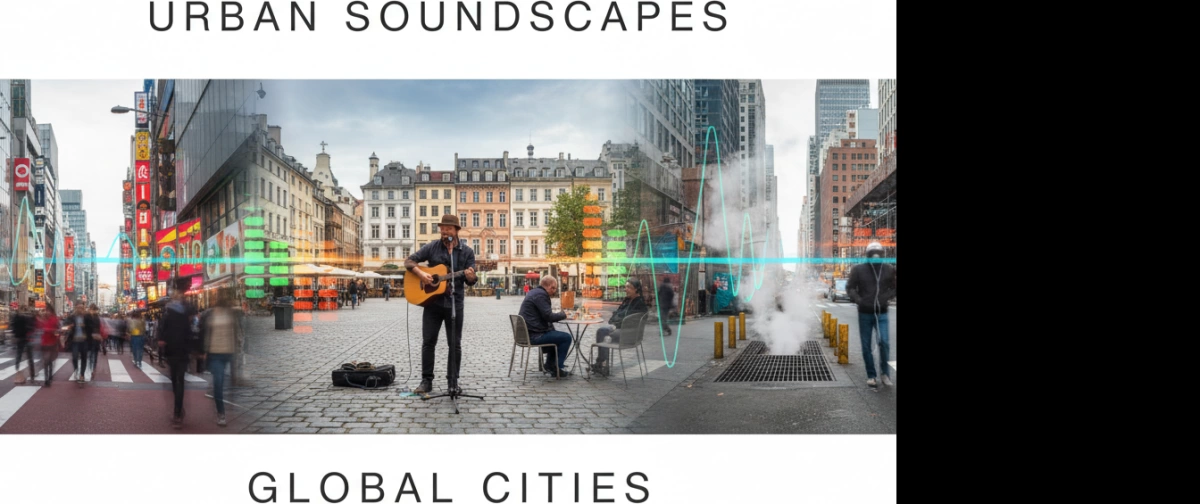
    When we think about travel, it’s usually the sights that grab our attention—monuments, skylines, colors. But what if you could hear a city instead? The soundscape of different cities around the world offers an entirely new way to experience urban life—where every honk, every whisper of wind, and every distant melody tells a story. This isn’t just about noise; it’s about the sonic identity that shapes culture, mood, and memory. In this post, you’ll discover how cities compose their unique auditory signature—from the frenetic calls of Mumbai’s streets to the serene rustle of Kyoto’s bamboo forests. Ready to tune in and see the world through sound? Let’s dive in.

    The Anatomy of Urban Sound

    When we step into a city, we are immediately enveloped by its unique urban acoustic ecology—a rich tapestry of sounds that form its sonic identity. To understand this complex auditory environment, it’s helpful to break it down into key elements: keynote sounds, signals, soundmarks, and the subtle influence of architecture.

    • Keynote sounds are the ambient noises that form the city’s constant backdrop. Think of the hum of traffic, distant chatter, or the steady buzz of machinery. Though often unnoticed, these sounds shape our subconscious sense of place and mood.
    • Signals are more purposeful sounds designed to capture attention. Examples include car horns, sirens, or bells. These sounds rise above the keynote noise, acting as auditory signposts that guide, warn, or communicate.
    • Soundmarks are the sonic equivalents of landmarks. They are unique, place-defining sounds that locals instantly recognize—like the call of a street vendor, church bells ringing across a neighborhood, or a public fountain’s gentle splash. These sounds build a city’s cultural character and help anchor our memories.
    • Finally, architecture plays a crucial role in sculpting the auditory environment. Building materials, street layouts, and open spaces influence how sound travels, echoes, or fades. Narrow alleyways might amplify voices, while wide plazas can absorb or dissipate noise. Urban sound design, therefore, merges both natural and human-made elements to create a living soundscape.

    By tuning into these layers, we unlock a deeper understanding of any city’s auditory environment, appreciating the subtle dialogue between people, place, and sound. This approach helps us move beyond simply hearing city noise to truly listening—to the heartbeat of urban life.

    The Cacophony of Energy: High-Decibel Metropolises

    Cities like New York, Mumbai, and Cairo showcase some of the world’s most intense urban acoustic ecology, where high decibel levels define their unique sonic identity. These metropolises are a vibrant mix of human activity, traffic, and industrial noise, forming a complex tapestry of soundmarks and keynote sounds that shape the daily experience.

    New York City, USA: The Industrial Roar

    New York’s soundscape is dominated by the relentless hum of machinery, honking taxis, and subway rumbles. The city’s industrial roots still echo through constantly moving traffic and construction—a signature ambient city noise that never quite fades. These anthropogenic sounds contribute to New York’s unmistakable sonic branding, often linked to the city’s energy and 24/7 lifestyle.

    Mumbai, India: The Human & Motor Symphony

    Mumbai offers a dynamic, layered soundscape where honking auto-rickshaws, street vendors, and bustling crowds blend into a nonstop motor symphony. The city’s urban sound design reflects its dense population and nonlinear pace, making its auditory environment lively but also a testament to the challenge of managing city noise pollution levels.

    Cairo, Egypt: The City that Never Sleeps (Literally)

    Cairo’s soundscape never goes quiet, with a constant mix of call-to-prayers, street chatter, and vehicle engines that continue through the night. This high-decibel city is a prime example of how cultural sounds and city rhythms come together, making the soundscape as alive as its streets. It perfectly reflects the anthropogenic sound footprint of a city where life is truly round-the-clock.

    For those interested in experiencing such immersive travel guides firsthand, planning your time in vibrant cities can be enhanced with tips like how to spend 10 days in Porto, blending culture and sound here.

    The Melodic and The Rhythmic: Cultural Soundscapes

    Cities do more than just buzz with noise—they sing with culture. The urban acoustic ecology in places like Rio de Janeiro, Istanbul, and London reveals how sound reflects history, geography, and joyful human interaction, creating unique sonic identities.

    Rio de Janeiro, Brazil: The Sound of Geography and Joy

    Rio’s soundscape pulses with the rhythm of samba beats, the laughter of beachgoers, and the call of street vendors. Here, geography shapes sound—the ocean waves mix with lively music, creating a soundtrack that’s both natural and festive. This blend highlights how ambient city noise can express a community’s spirit, crafting a vibrant auditory environment that invites immersion.

    Istanbul, Turkey: The Layered History

    Istanbul’s soundscape is a rich tapestry of past and present. The call to prayer echoes through its streets, mingling with the chatter of busy bazaars and the rumble of ferries on the Bosphorus. Each layer of sound acts as a “soundmark,” signaling history and cultural depth, allowing visitors to hear the city’s story in real-time. This sonic branding reflects Istanbul’s unique position as a bridge between continents and eras.

    London, UK: The Gritty Tradition

    London’s auditory environment is marked by a gritty, steady hum: the clang of the Tube, street musicians in Covent Garden, and the chatter of diverse crowds. Its keynote sounds—double-decker buses and the chimes of Big Ben—anchor the city’s sonic identity in tradition yet lively urban life. London’s soundscape captures the blend of historical roots and modern multicultural energy, making it an essential experience for sensory travel.

    For those planning to explore more, practical soundwalking guides like the ones found on enjoy a day trip to Canterbury can enrich your appreciation of a city’s unique soundscape.

    The Pursuit of Silence: Low-Decibel and Managed Cities

    Some cities embrace silence as a part of their sonic identity, carefully managing urban soundscapes to create peaceful, low-decibel environments. Zurich, Switzerland, is a prime example of engineered quiet. Through thoughtful urban design and strict noise regulations, Zurich minimizes anthropogenic sound, making it one of the quietest cities in the world. Its streets are free from the typical ambient city noise found elsewhere, giving residents and visitors a rare chance to enjoy calm in a bustling metropolis.

    Kyoto, Japan offers a striking contrast with its Zen-inspired auditory environment. Here, the soundscape is shaped by tradition and nature, where temple bells, rustling bamboo, and flowing water blend into a meditative backdrop. This careful balance enhances sensory travel experiences and reflects the city’s cultural roots in silence and contemplation.

    Amsterdam, Netherlands, showcases how soundwalking can reveal the human scale of a city. The gentle hum of bicycles, canal water lapping against boats, and distant chatter create an intimate soundmark that encourages slower, more mindful urban exploration. Amsterdam’s soundscape is less about engineered quiet and more about preserving natural rhythms that highlight connection and accessibility.

    For travelers interested in immersive travel guides focused on sound, Amsterdam’s manageable decibel levels and rich auditory environment make it an excellent example of urban sound design in practice. Exploring these low-noise cities reveals the benefits of sound-conscious urban planning and the value of silence amid city life.

    Discover more about quiet European destinations and sensory experiences in travel at 9 reasons Europe is better in spring.

    The Future of Urban Sound: Challenges and Innovations

    As cities grow, the challenge of managing urban sound becomes more urgent. Noise pollution threatens not just our hearing but also our well-being, as constant exposure to high decibel levels can increase stress and reduce quality of life. Urban acoustic ecology faces pressure from rising anthropogenic sound—everything from traffic to construction disrupting the natural auditory environment.

    In response, the field of sonic urbanism is gaining momentum. This approach designs cities with sound in mind, aiming to balance the buzz of city life with pockets of calm. Innovations include noise barriers, green spaces that absorb sound, and the intelligent design of buildings to redirect or reduce unwanted noise.

    The future also leans heavily on technology, with smart sensors monitoring city noise pollution levels in real-time, helping planners create healthier soundscapes. By focusing on sonic identity, cities can develop unique soundmarks that enrich sensory travel experiences while keeping noise in check.

    Balancing energy and calm, innovation and preservation, is key to shaping the soundscape of tomorrow’s urban centers. For those interested in how sound shapes travel memories, check out immersive travel guides like the one detailing a week in Bruges for insights into quieter, historic city soundscapes.

    How to Practice “Soundwalking” on Your Next Trip

    Soundwalking is a simple yet powerful way to experience a city’s unique urban acoustic ecology and uncover its sonic identity. By tuning into the auditory environment, you can transform an ordinary walk into a sensory travel experience that reveals much about local culture, architecture, and rhythm.

    Active Listening Techniques

    • Focus on layers: Pay attention to the different sounds around you, from keynote sounds like city traffic hums to soundmarks such as church bells or street musicians.
    • Note variations: Observe how sounds change as you move through different neighborhoods or times of day.
    • Avoid distractions: Put away gadgets or use noise-cancelling headphones turned off, so your ears can fully engage with ambient city noise.
    • Be present: Practise mindfulness by staying aware of every auditory detail, allowing yourself to notice subtle noises you’d normally ignore.

    Recommended Tools for Soundwalking

    • Smartphone voice recorder: Capture interesting sounds or conversations to reflect on later.
    • Directional microphone: If you want clearer audio recordings, this can isolate specific sounds in busy areas.
    • Sound level meter app: Keep track of noise pollution levels to better understand the city’s sonic challenges.
    • Journal or app for notes: Jot down your impressions and the emotions certain sounds evoke to deepen your experience.

    To get started with soundwalking, consider checking out comprehensive guides on immersive travel practices, such as this detailed soundwalking guide. It offers practical tips on listening actively and tuning into the urban soundscape around you.

    By practicing soundwalking on your next trip, you’ll not only gain a richer appreciation of a city’s urban sound design and anthropogenic sound layers but also create memorable sensory travel experiences that go beyond the visual.