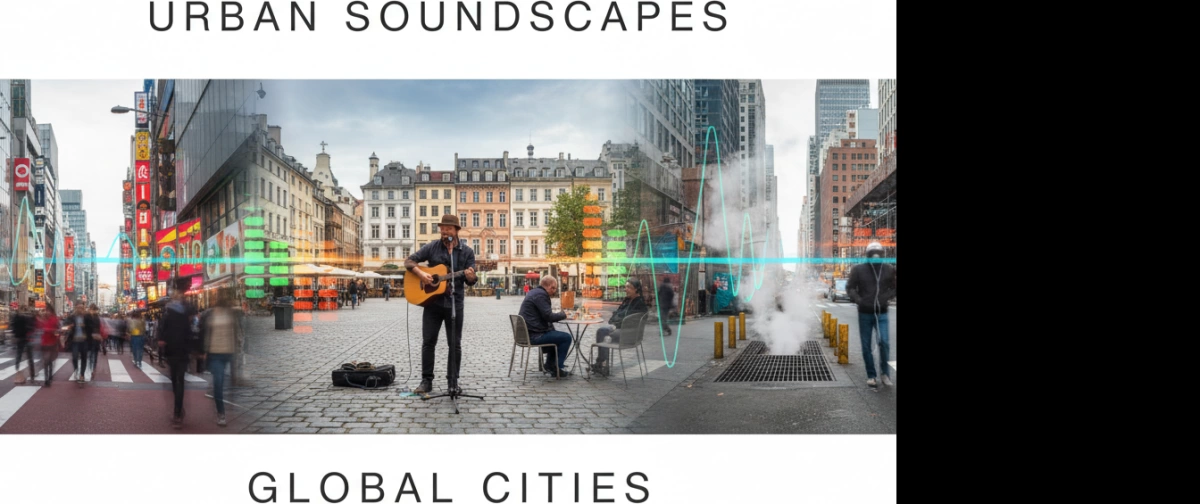
When we think about travel, it’s usually the sights that grab our attention—monuments, skylines, colors. But what if you could hear a city instead? The soundscape of different cities around the world offers an entirely new way to experience urban life—where every honk, every whisper of wind, and every distant melody tells a story. This isn’t just about noise; it’s about the sonic identity that shapes culture, mood, and memory. In this post, you’ll discover how cities compose their unique auditory signature—from the frenetic calls of Mumbai’s streets to the serene rustle of Kyoto’s bamboo forests. Ready to tune in and see the world through sound? Let’s dive in.
The Anatomy of Urban Sound
When we step into a city, we are immediately enveloped by its unique urban acoustic ecology—a rich tapestry of sounds that form its sonic identity. To understand this complex auditory environment, it’s helpful to break it down into key elements: keynote sounds, signals, soundmarks, and the subtle influence of architecture.
- Keynote sounds are the ambient noises that form the city’s constant backdrop. Think of the hum of traffic, distant chatter, or the steady buzz of machinery. Though often unnoticed, these sounds shape our subconscious sense of place and mood.
- Signals are more purposeful sounds designed to capture attention. Examples include car horns, sirens, or bells. These sounds rise above the keynote noise, acting as auditory signposts that guide, warn, or communicate.
- Soundmarks are the sonic equivalents of landmarks. They are unique, place-defining sounds that locals instantly recognize—like the call of a street vendor, church bells ringing across a neighborhood, or a public fountain’s gentle splash. These sounds build a city’s cultural character and help anchor our memories.
- Finally, architecture plays a crucial role in sculpting the auditory environment. Building materials, street layouts, and open spaces influence how sound travels, echoes, or fades. Narrow alleyways might amplify voices, while wide plazas can absorb or dissipate noise. Urban sound design, therefore, merges both natural and human-made elements to create a living soundscape.
By tuning into these layers, we unlock a deeper understanding of any city’s auditory environment, appreciating the subtle dialogue between people, place, and sound. This approach helps us move beyond simply hearing city noise to truly listening—to the heartbeat of urban life.
The Cacophony of Energy: High-Decibel Metropolises
Cities like New York, Mumbai, and Cairo showcase some of the world’s most intense urban acoustic ecology, where high decibel levels define their unique sonic identity. These metropolises are a vibrant mix of human activity, traffic, and industrial noise, forming a complex tapestry of soundmarks and keynote sounds that shape the daily experience.
New York City, USA: The Industrial Roar
New York’s soundscape is dominated by the relentless hum of machinery, honking taxis, and subway rumbles. The city’s industrial roots still echo through constantly moving traffic and construction—a signature ambient city noise that never quite fades. These anthropogenic sounds contribute to New York’s unmistakable sonic branding, often linked to the city’s energy and 24/7 lifestyle.
Mumbai, India: The Human & Motor Symphony
Mumbai offers a dynamic, layered soundscape where honking auto-rickshaws, street vendors, and bustling crowds blend into a nonstop motor symphony. The city’s urban sound design reflects its dense population and nonlinear pace, making its auditory environment lively but also a testament to the challenge of managing city noise pollution levels.
Cairo, Egypt: The City that Never Sleeps (Literally)
Cairo’s soundscape never goes quiet, with a constant mix of call-to-prayers, street chatter, and vehicle engines that continue through the night. This high-decibel city is a prime example of how cultural sounds and city rhythms come together, making the soundscape as alive as its streets. It perfectly reflects the anthropogenic sound footprint of a city where life is truly round-the-clock.
For those interested in experiencing such immersive travel guides firsthand, planning your time in vibrant cities can be enhanced with tips like how to spend 10 days in Porto, blending culture and sound here.
The Melodic and The Rhythmic: Cultural Soundscapes
Cities do more than just buzz with noise—they sing with culture. The urban acoustic ecology in places like Rio de Janeiro, Istanbul, and London reveals how sound reflects history, geography, and joyful human interaction, creating unique sonic identities.
Rio de Janeiro, Brazil: The Sound of Geography and Joy
Rio’s soundscape pulses with the rhythm of samba beats, the laughter of beachgoers, and the call of street vendors. Here, geography shapes sound—the ocean waves mix with lively music, creating a soundtrack that’s both natural and festive. This blend highlights how ambient city noise can express a community’s spirit, crafting a vibrant auditory environment that invites immersion.
Istanbul, Turkey: The Layered History
Istanbul’s soundscape is a rich tapestry of past and present. The call to prayer echoes through its streets, mingling with the chatter of busy bazaars and the rumble of ferries on the Bosphorus. Each layer of sound acts as a “soundmark,” signaling history and cultural depth, allowing visitors to hear the city’s story in real-time. This sonic branding reflects Istanbul’s unique position as a bridge between continents and eras.
London, UK: The Gritty Tradition
London’s auditory environment is marked by a gritty, steady hum: the clang of the Tube, street musicians in Covent Garden, and the chatter of diverse crowds. Its keynote sounds—double-decker buses and the chimes of Big Ben—anchor the city’s sonic identity in tradition yet lively urban life. London’s soundscape captures the blend of historical roots and modern multicultural energy, making it an essential experience for sensory travel.
For those planning to explore more, practical soundwalking guides like the ones found on enjoy a day trip to Canterbury can enrich your appreciation of a city’s unique soundscape.
The Pursuit of Silence: Low-Decibel and Managed Cities
Some cities embrace silence as a part of their sonic identity, carefully managing urban soundscapes to create peaceful, low-decibel environments. Zurich, Switzerland, is a prime example of engineered quiet. Through thoughtful urban design and strict noise regulations, Zurich minimizes anthropogenic sound, making it one of the quietest cities in the world. Its streets are free from the typical ambient city noise found elsewhere, giving residents and visitors a rare chance to enjoy calm in a bustling metropolis.
Kyoto, Japan offers a striking contrast with its Zen-inspired auditory environment. Here, the soundscape is shaped by tradition and nature, where temple bells, rustling bamboo, and flowing water blend into a meditative backdrop. This careful balance enhances sensory travel experiences and reflects the city’s cultural roots in silence and contemplation.
Amsterdam, Netherlands, showcases how soundwalking can reveal the human scale of a city. The gentle hum of bicycles, canal water lapping against boats, and distant chatter create an intimate soundmark that encourages slower, more mindful urban exploration. Amsterdam’s soundscape is less about engineered quiet and more about preserving natural rhythms that highlight connection and accessibility.
For travelers interested in immersive travel guides focused on sound, Amsterdam’s manageable decibel levels and rich auditory environment make it an excellent example of urban sound design in practice. Exploring these low-noise cities reveals the benefits of sound-conscious urban planning and the value of silence amid city life.
Discover more about quiet European destinations and sensory experiences in travel at 9 reasons Europe is better in spring.
The Future of Urban Sound: Challenges and Innovations
As cities grow, the challenge of managing urban sound becomes more urgent. Noise pollution threatens not just our hearing but also our well-being, as constant exposure to high decibel levels can increase stress and reduce quality of life. Urban acoustic ecology faces pressure from rising anthropogenic sound—everything from traffic to construction disrupting the natural auditory environment.
In response, the field of sonic urbanism is gaining momentum. This approach designs cities with sound in mind, aiming to balance the buzz of city life with pockets of calm. Innovations include noise barriers, green spaces that absorb sound, and the intelligent design of buildings to redirect or reduce unwanted noise.
The future also leans heavily on technology, with smart sensors monitoring city noise pollution levels in real-time, helping planners create healthier soundscapes. By focusing on sonic identity, cities can develop unique soundmarks that enrich sensory travel experiences while keeping noise in check.
Balancing energy and calm, innovation and preservation, is key to shaping the soundscape of tomorrow’s urban centers. For those interested in how sound shapes travel memories, check out immersive travel guides like the one detailing a week in Bruges for insights into quieter, historic city soundscapes.
How to Practice “Soundwalking” on Your Next Trip
Soundwalking is a simple yet powerful way to experience a city’s unique urban acoustic ecology and uncover its sonic identity. By tuning into the auditory environment, you can transform an ordinary walk into a sensory travel experience that reveals much about local culture, architecture, and rhythm.
Active Listening Techniques
- Focus on layers: Pay attention to the different sounds around you, from keynote sounds like city traffic hums to soundmarks such as church bells or street musicians.
- Note variations: Observe how sounds change as you move through different neighborhoods or times of day.
- Avoid distractions: Put away gadgets or use noise-cancelling headphones turned off, so your ears can fully engage with ambient city noise.
- Be present: Practise mindfulness by staying aware of every auditory detail, allowing yourself to notice subtle noises you’d normally ignore.
Recommended Tools for Soundwalking
- Smartphone voice recorder: Capture interesting sounds or conversations to reflect on later.
- Directional microphone: If you want clearer audio recordings, this can isolate specific sounds in busy areas.
- Sound level meter app: Keep track of noise pollution levels to better understand the city’s sonic challenges.
- Journal or app for notes: Jot down your impressions and the emotions certain sounds evoke to deepen your experience.
To get started with soundwalking, consider checking out comprehensive guides on immersive travel practices, such as this detailed soundwalking guide. It offers practical tips on listening actively and tuning into the urban soundscape around you.
By practicing soundwalking on your next trip, you’ll not only gain a richer appreciation of a city’s urban sound design and anthropogenic sound layers but also create memorable sensory travel experiences that go beyond the visual.