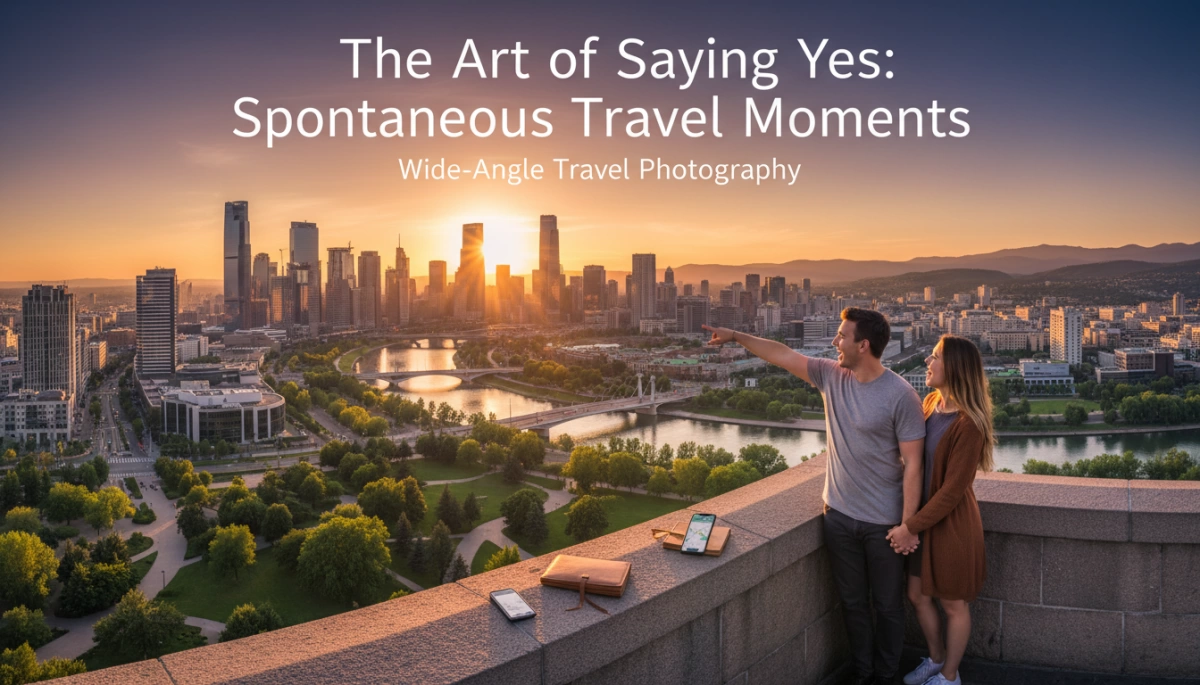
Beyond the Itinerary: The Philosophy of Spontaneous Travel
Travel often feels like a race against time—a checklist of must-see spots, booked tours, and hour-by-hour plans. But this illusion of control can quietly kill the very magic that makes a trip unforgettable. Why do so many travelers over-plan? Mostly, it’s fear: fear of missing out, fear of the unknown, even anxiety about whether every minute counts. Ironically, these rigid schedules leave little room for genuine discovery.
Defining “The Yes Moment”
Saying yes isn’t about throwing caution to the wind or being reckless. It’s about tuning into your solo travel intuition—being open to moments that no guidebook will teach you. These are opportunities that arrive unexpectedly: a local inviting you for tea, a spontaneous detour toward street music, or a simple conversation at a café that changes your day. These instances, the “Yes Moments,” are where true authentic travel experiences begin.
The Serendipity Factor: The Domino Effect of Travel
Saying yes sparks a chain reaction, a domino effect that can completely reshape your journey. One friendly chat can lead to dinner with locals, which might then inspire a secret hike off the beaten path. Before you know it, you’ve stumbled onto a hidden gem—maybe even found a lifelong friend. This is the essence of serendipity in travel: unplanned adventures unfolding naturally, transforming your trip into something far richer than any itinerary can promise.
The Hidden ROI of Letting Go
Saying yes to spontaneous travel moments offers a hidden return on investment that goes far beyond money or time. One of the biggest benefits is authentic cultural immersion. Real local experiences hardly ever happen on a tour bus or a rigid itinerary. Instead, when you accept a local’s invitation—be it for tea, a home-cooked meal, or a neighborhood walk—you get a genuine glimpse into daily life, far from the usual tourist spots.
Beyond culture, letting go also sparks personal growth and resilience. Navigating the unknown challenges you in ways no curated resort stay can. It forces you to think on your feet, adapt quickly, and build confidence in handling new situations. These skills stay with you long after your trip ends.
Finally, there’s tremendous storytelling value in unplanned adventures. When “everything went according to plan,” your travel stories tend to blend into the background. But those unexpected detours—missed buses, surprise invitations, hidden alleys—become the memories that stay vivid and make the best tales. These moments turn trips into lifelong stories worth sharing.
For a deeper dive into how to take the leap into solo travel and embrace these spontaneous moments, check out this helpful guide on how to take the leap into solo travel.
Mastering “Structured Spontaneity” for Balanced Travel
Saying yes to spontaneous travel moments doesn’t mean throwing your entire itinerary out the window. Instead, it’s about structured spontaneity—a smart way to blend planning with flexibility so you can enjoy genuine adventure without chaos.
The 70/30 Rule
Plan about 70% of your trip’s logistics ahead of time. Lock in essentials like flights and your first night’s stay to secure stability. Then, purposely keep 30% of your schedule open for those unpredictable “yes moments,” like a local invitation or an off-the-beaten-path discovery.
Booking Flexibility
Use airline tickets, hotels, and apps that offer last-minute changes or cancellations without steep fees. This flexibility lets you pivot quickly without financial stress, freeing you to chase spontaneous opportunities. Many travelers swear by apps and platforms that prioritize flexible bookings, perfect for turning a simple trip into a memorable one.
The “Anchor” Method
Each day, pick one major activity as your anchor—say a museum visit, a guided hike, or a cultural event. Keep the rest of your day unstructured, allowing room for detours or chance encounters. For example, after your anchor, wandering the streets of Piha or exploring hidden spots beyond the main attractions can lead to real local connections and authentic cultural immersion.
This approach maximizes your time while still embracing the serendipity that makes spontaneous travel so rewarding. If you’re curious how a day in Piha can fit into this style, check out tips for spending one day in Piha to see an example of balancing plan with flexibility.
Identifying the Right Opportunities to Say Yes
When traveling, knowing when to say yes is an art. It’s about spotting genuine moments that offer authentic travel experiences rather than falling into tourist traps or scams. The first step is reading the room—pay attention to the context and who’s inviting you. Is it a local genuinely inviting you into their cultural world, or is it a staged invitation designed to separate you from your money? Trust your instincts and look for cues like relaxed body language and sincere conversation.
Another way to find those spontaneous gems is following your senses. When you catch the scent of enticing street food, hear live music, or see a crowd of locals gathering, those are natural signals that something worth exploring is nearby. Deviating from your flexible travel itinerary to follow these sensory clues can lead to off the beaten path destinations that most travel guides don’t highlight. For example, exploring street markets and food stalls can be a rich cultural immersion activity—here’s a guide on how street food became a travel magnet and a gateway to local life.
Some classic “yes” moments are low-risk but high-reward:
- Accepting a local’s invitation for tea or coffee, which often turns into engaging conversations about life and culture
- Taking a detour down a narrow alleyway that looks lively or colorful
- Joining impromptu local festivals or gatherings, where you can blend in with the crowd and experience traditions firsthand
By identifying these opportunities, you turn your trip into a series of spontaneous adventures that bring serendipity in travel, opening doors to moments no guidebook could predict.
Overcoming the Fear of the Unknown
Travel anxiety often stops us from saying yes to spontaneous adventures. For Type-A planners, the idea of letting go can feel overwhelming. But reframing that anxiety as excitement is a game-changer. Instead of seeing the unknown as risky, try viewing it as an opportunity for growth and discovery. This shift in mindset makes it easier to embrace authentic travel experiences and trust your solo travel intuition.
To build confidence, it helps to have a safety net in place. Practical steps like downloading offline maps, sharing your location with family or friends, and listening to your gut instincts can create a secure foundation for spontaneity. Knowing you have these precautions in place reduces stress and opens the door to flexible travel itinerary moments without fear.
Lastly, start small. Practice saying yes to unplanned detours or new experiences right at home before venturing abroad. This method makes stepping off the beaten path feel less intimidating and gradually builds resilience—essential for those incredible moments that guidebooks don’t list. For more on managing travel anxiety and staying safe, check out helpful advice on how to stay safe while traveling.
Real-World Stories: When Saying Yes Changed Everything
Sometimes, the best travel memories come from unplanned moments—those spontaneous decisions that turn the trip upside down in the best way.
-
The Unexpected Dinner Guest: Imagine saying yes to a casual invite from a local stranger, only to find yourself sharing homemade food and stories with a new friend. These authentic travel experiences often beat any restaurant meal booked weeks in advance.
-
The Wrong Turn That Led to the Best View: Getting lost isn’t always a problem; sometimes it’s the key to discovering hidden gems off the beaten path. One wrong turn during a city stroll or nature hike can reveal secret spots that guidebooks miss. In fact, a trip to places like Margate shows how wandering without a strict plan can unlock unique local connection stories.
-
The Transport Strike That Led to a Local Road Trip: When scheduled transport falls through, it forces you to adapt and embrace last-minute adventure tips—hopping into a shared ride with locals or renting a bike, turning a potential hassle into an unexpected cultural immersion activity. These detours fuel personal growth and provide storytelling value that planned trips often lack.
Saying yes to the unknown doesn’t just spice up your travel diary—it builds resilience, sharpens your solo travel intuition, and brings a slow travel philosophy to life. Each spontaneous “yes” unfolds a domino effect of serendipity in travel, making your journey truly unforgettable.