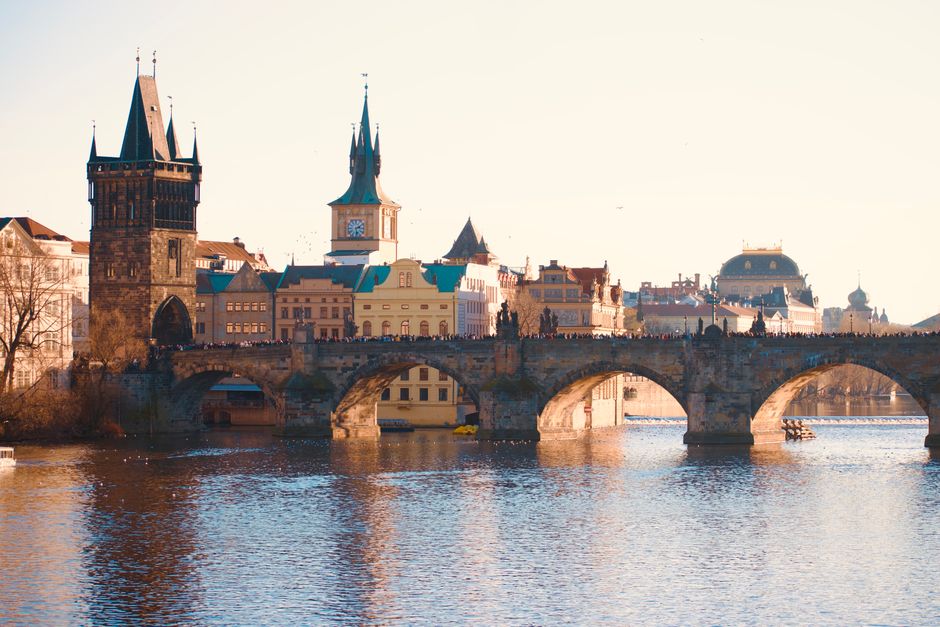
Charles Bridge is 516 metres long, yet most visitors experience only its busiest middle section. Early autumn gives you a better chance to see the bridge, medieval lanes and riverside parks before the winter crowds arrive. The best three-day Prague plan uses the city on foot, starts early, and leaves room for weather changes.
Is Early Autumn a Good Time to Visit Prague?
Yes. Early autumn is Prague’s best balance of pleasant weather, manageable crowds and cultural life. September usually brings mild days, cool evenings and enough daylight for long walks. By early October, the air feels sharper, but the parks turn gold and indoor attractions become more appealing.
Why September and early October work well
Prague’s main sights are close together, so you can cover a lot without rushing. A cool morning suits the climb to Prague Castle. A warmer afternoon works well for the riverbank or Letná Park. Rain rarely ruins the day because the city has galleries, churches, cafés and historic interiors within short walking distance.
What weather should you expect?
Pack for changeable conditions rather than one fixed forecast. Bring a light waterproof jacket, comfortable shoes with good grip, and one warm layer for evenings. Sunrise comes later than in summer, so plan outdoor viewpoints after breakfast instead of expecting a dawn start. Sunset also arrives earlier as October progresses.
The main risk is planning every hour outdoors. Early autumn rewards flexible travelers. Keep one indoor activity available each day, especially on a rainy afternoon.
How to Build a Three-Day Prague Itinerary
The strongest route groups sights by area. This avoids crossing the city repeatedly and leaves time for pauses. Prague is compact in the center, but cobblestones, hills and crowds make short distances feel slower than a map suggests.
A practical three-day structure
| Day | Main area | Best focus | Ideal pace |
|---|---|---|---|
| Day 1 | Old Town and Josefov | Historic center, river views and evening streets | Walk-heavy with long stops |
| Day 2 | Prague Castle and Malá Strana | Castle complex, gardens, churches and the Kampa waterfront | Early start and steady walking |
| Day 3 | New Town, Vyšehrad and Letná | Local neighborhoods, viewpoints and a slower final day | Flexible and weather-led |
How much time should each stop take?
Give major areas at least half a day. The Old Town deserves a morning and evening because the atmosphere changes after tour groups leave. Prague Castle can take three to four hours if you enter the main buildings and walk down through Malá Strana. Vyšehrad needs less time, but its cemetery, walls and river views make it more rewarding than a rushed checklist stop.
Keep one open block of at least two hours on Day 3. Use it for a museum, a long café stop or a return to the neighborhood you liked most.
What to Do in Prague on Day One
Start in the historic center before the busiest hours. The first day should introduce Prague’s medieval layout without trying to visit every interior.
- Begin at Old Town Square. Arrive before the main tour groups. The clock’s hourly show is brief, so treat it as a detail rather than the day’s main event.
- Walk toward Josefov. Follow the narrow streets north and look for the contrast between ornate late-19th-century buildings and the older Jewish Quarter landmarks. Allow time for the Jewish Museum sites if history is a major reason for your trip.
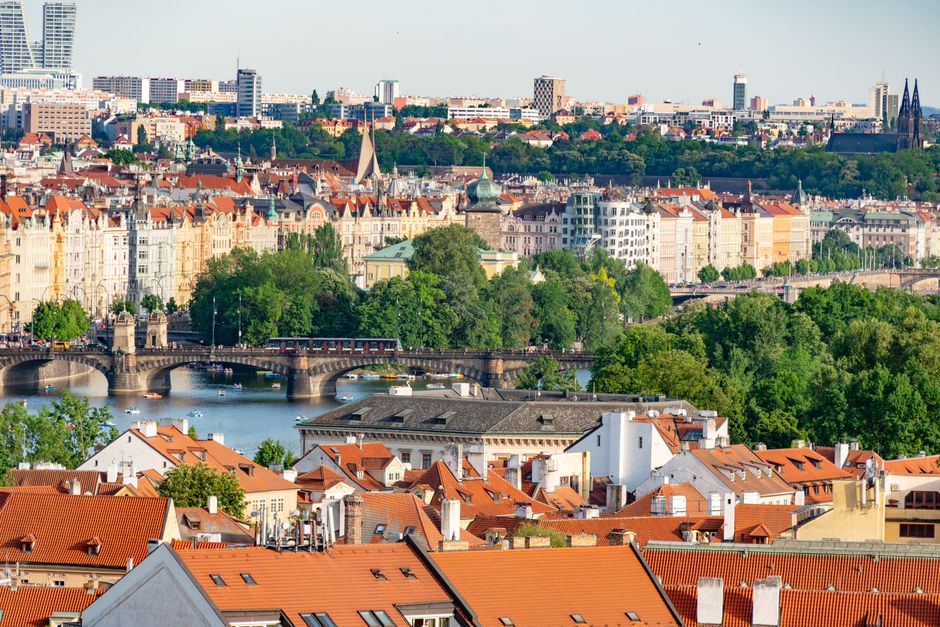
- Continue to the Vltava. Walk along the river toward Charles Bridge. This route gives you open views of Prague Castle and the domes rising above Malá Strana.
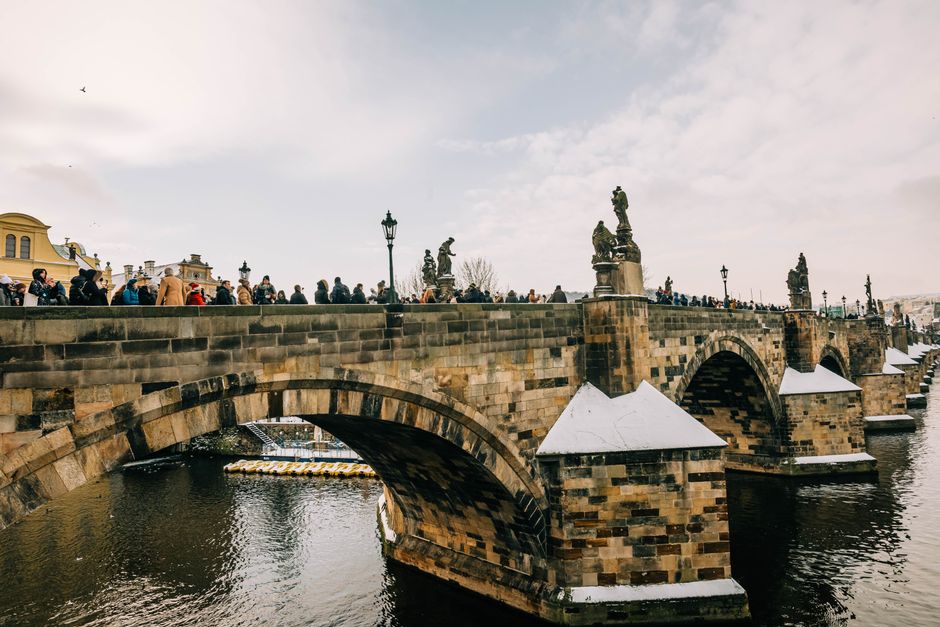
- Cross Charles Bridge before sunset. The bridge is more enjoyable when you stop at the statues and look back toward the Old Town towers. Cross slowly, then take the quieter streets on the Malá Strana side.
- Finish with an evening walk. Return through Kampa or follow the river south. Prague’s illuminated buildings are most impressive when seen from the water rather than from another crowded square.
What should you skip on Day One?
Skip the temptation to add Prague Castle after the bridge. The castle sits on a hill, and squeezing it into the same day creates a long, tiring loop. Save it for Day 2, when you can arrive early and explore Malá Strana afterward.
How to Spend Day Two Beyond the Old Town
Day Two is the most scenic day, but it needs a clear order. Start high and walk downhill. That simple choice saves energy and gives you better views as the route unfolds.
Morning: Prague Castle and Hradčany
Reach Prague Castle in the morning, before the courtyards fill. The complex includes St. Vitus Cathedral, the Old Royal Palace, St. George’s Basilica and Golden Lane. You do not need to enter every building to enjoy the area, but choose a ticket or route before arriving so you do not spend the first hour deciding.
Look beyond the headline sights. The castle courtyards show how Prague’s power center changed across centuries, while the lanes around Hradčany reveal quieter Baroque façades and views over the red roofs. Give yourself time to stand still. The best details are architectural: door handles, painted ceilings, small courtyards and uneven stonework.
Afternoon: Malá Strana and Kampa
Walk downhill through Malá Strana instead of taking transport immediately. The neighborhood has steep lanes, hidden gardens and small squares that feel very different from Old Town Square. Stop near St. Nicholas Church, then continue toward Kampa Island and the river.
Kampa works well in early autumn because the trees provide color without requiring a long trip outside the center. From there, cross back toward the National Theatre or follow the waterfront south. If rain arrives, replace the park walk with an indoor gallery or church visit. The key is keeping the day in one connected area.
Evening: Choose atmosphere over another landmark
For dinner, stay in Malá Strana or return to the New Town. Do not add another major sight simply to fill the schedule. Day Two has enough history and walking already. A calm meal and a short night walk will leave you fresher for the final day.
What Should You Eat and How Should You Act in Prague?
Prague’s food culture rewards curiosity, but visitors often make dining harder than it needs to be. Order local dishes in places that show a real menu and a steady flow of residents. One highly photographed location is not automatically the best place to eat.
What Czech foods are worth trying?
Try svíčková, a beef dish with creamy vegetable sauce and bread dumplings, if you want a classic meal. Vepřo knedlo zelo combines roast pork, dumplings and cabbage. Bramboráky are potato pancakes, while kulajda is a sour, creamy soup often served with mushrooms and egg. For a quick sweet break, look for koláče or fruit-filled pastries from a bakery.
How do local dining customs work?
Many restaurants serve lunch earlier than travelers expect, and kitchens may close between lunch and dinner. Check opening hours before walking across town. Ask for the bill when you are ready rather than waiting for it to appear. A modest tip is common for good service, but large automatic gratuities deserve a question.
Is trdelník a traditional Prague dessert?
Trdelník is common around tourist areas, but its modern popularity does not make it the clearest symbol of Czech food. Try it if you enjoy the texture and cinnamon sugar. For a stronger local food experience, choose a proper meal, a bakery pastry or a Czech beer hall with a focused menu.
Which Three-Day Prague Plan Fits Your Travel Style?
There is no need to choose between a landmark-heavy trip and a slow neighborhood break. The best plan depends on what you want to remember, but each version below has a clear strength.
Choose the historic route for a first visit
Use Old Town, Josefov, Charles Bridge, Prague Castle and Malá Strana. This route gives you the strongest introduction to Prague’s architecture and history. It works best for travelers who may not return soon.
Choose the local-feeling route for a repeat visit
Spend less time inside the main tourist zone. Add Vyšehrad, Letná, Holešovice or Náplavka. You will see fewer headline landmarks, but you gain more space, everyday cafés and broader city views.
Choose the flexible route for unsettled weather
Keep the Old Town and Castle for clear mornings. Save museums, churches, food stops and long café breaks for rain. This route feels less fixed, but it is the most comfortable in early autumn.
| Travel priority | Best areas | Main tradeoff |
|---|---|---|
| First-time highlights | Old Town, Charles Bridge, Castle | More crowds and walking |
| Quiet views | Vyšehrad, Letná, Kampa | Fewer famous interiors |
| Food and neighborhoods | New Town, Holešovice, Náplavka | Less medieval scenery |
| Rain-friendly days | Josefov, museums, churches and cafés | Less time in parks and viewpoints |
For most first-time visitors, the historic route is the clear winner: two landmark-focused days, one flexible day, and enough open time to let Prague feel like a city rather than a checklist.