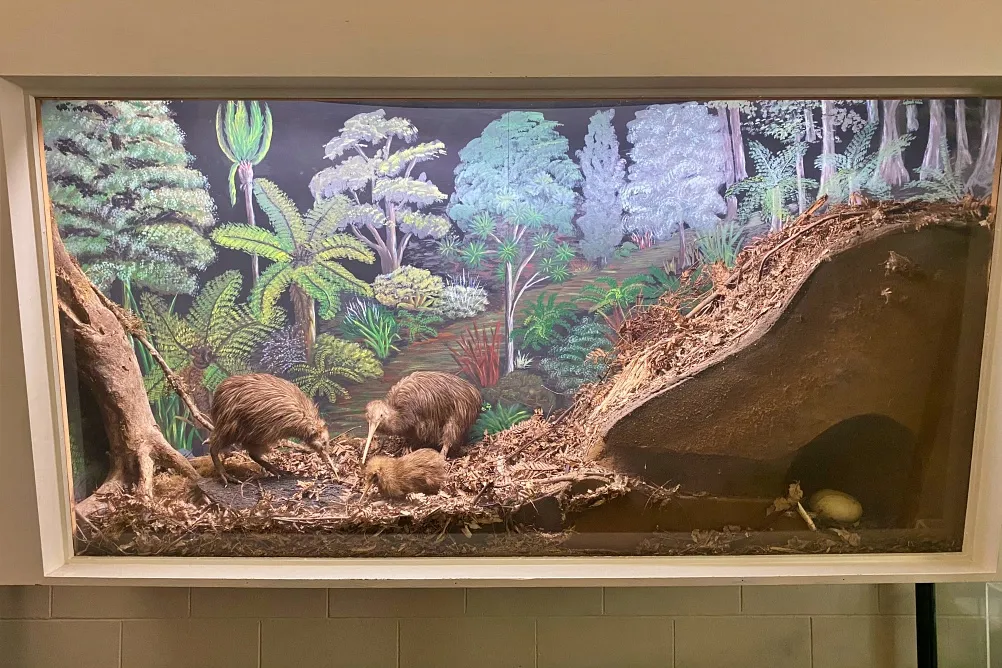
For many visitors to New Zealand, seeing a kiwi is a once in a lifetime bucket list experience. In fact, even for many residents of New Zealand, seeing a kiwi is a rare occurrence! And by kiwi, we’re talking about the birds, not the local residents or the fruit! You’ll see plenty of those two on your travels in New Zealand.
These flightless, nocturnal birds are known worldwide as a symbol of New Zealand, but they are also symbol of the country’s rich natural heritage and a poignant reminder of the importance of conservation. Many visitors flocking to the country hope for a chance to see these elusive birds, and head to conservation centres for the best opportunity to find where to see kiwi in New Zealand.
Kiwi birds are extraordinary in many ways. They’ve got long, thin beaks and a keen sense of smell which serves them well as they forage in the darkness for insects and worms. Add to that their shaggy, hair-like feathers and elusive nature, and you’ll see why they’re so mystical.
These very traits also make them incredibly challenging to spot in the wild. Over the years they’ve suffered a decline in numbers from habitat loss, predators that have been introduced and the fact they don’t successfully reproduce often or many at a time. So along with their low population numbers, their nocturnal habits mean most people will never encounter a kiwi in its natural environment.
Thankfully, New Zealand takes their kiwi birds very seriously, and have a number of centres dedicated to education about the birds, along with conservation and breeding efforts. These places not only provide a rare opportunity to see kiwis but also support the crucial breeding and conservation programs to ensure their survival for future generations.
Whether you’re a big fan of birds or, like me, a curious traveller, a visit to one of these kiwi houses is an unforgettable way to connect with New Zealand’s unique wildlife, while also contributing to its preservation. If you want to see a kiwi in New Zealand, these places are your best chance in the North Island without needing to camp out and hoping for the best in the wild!
Where to See Kiwis in New Zealand’s North Island
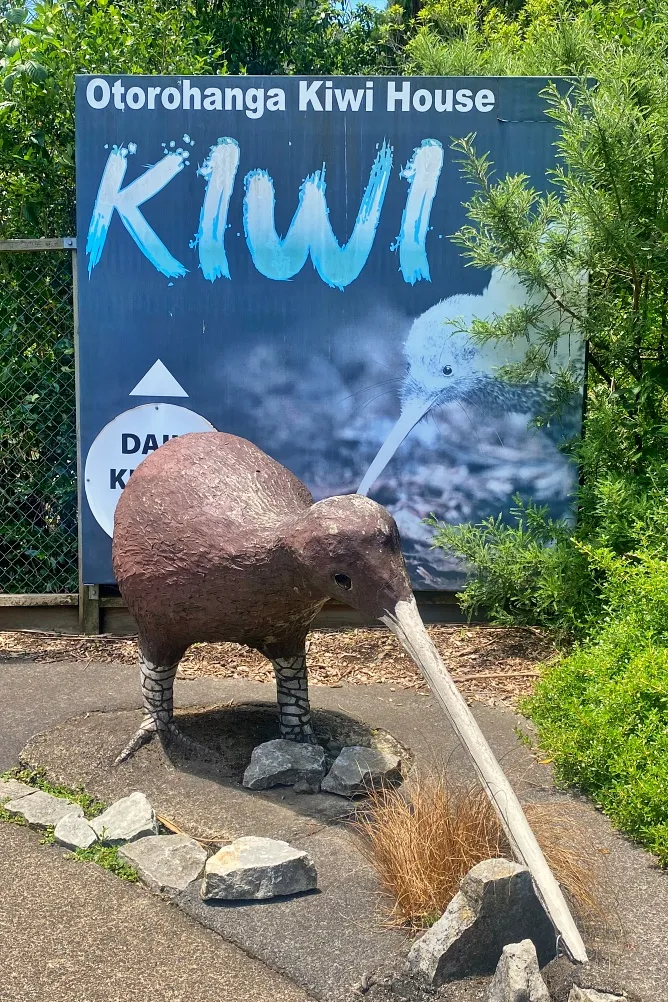
Otorohanga Kiwi House & Native Bird Park
Where: Otorohanga, New Zealand
Established in 1971, this facility is dedicated to the conservation of New Zealand’s native wildlife, particularly the kiwi. You can search out and hopefully see kiwi birds in two specially designed nocturnal enclosures that mimic their natural habitat. Once your eyes start to adjust to the darkness and you can tell the difference between a leafy bush and a hairy kiwi, you’ll hopefully be lucky enough to spot the birds roaming the enclosure.
The park also features other native birds and reptiles, with a large walk-through aviary, smaller bird enclosures and several ponds. Plus there are daily talks about the different animals, providing an all round wildlife experience.
If you’re planning to visit in advance, you can often
get discounted tickets to Otorohanga Kiwi House on Bookme!
Rotoroa Island
Where: About an hour from the coast of Auckland by ferry
Rotoroa Island, located in Auckland’s Hauraki Gulf, is the perfect spot for nature fans who also want to visit a key hub for kiwi conservation. It was once a secluded rehabilitation centre, but these days the island has been transformed into a wildlife sanctuary where native species, including the iconic kiwi bird, are protected, nurtured and prepared for life in the wild.
The North Island brown kiwi has been reintroduced to Rotoroa Island as part of an ambitious conservation initiative, and as such the population is growing. The kiwis arrive as chicks, and thanks to its predator-free environment, they thrive in a safe, natural habitat. Survival rates are drastically improved for the kiwi on Rotoroa Island compared to mainland wild kiwi.
Visitors to Rotoroa Island can explore the scenic trails and bushwalks, where you might be able to spot evidence of kiwi activity, such as footprints or burrows. It’s rare to see the nocturnal kiwi during the day, but guided night tours offer a chance to encounter these elusive birds in their natural surroundings. There are a few accommodation options on the island if you want to maximise your chances of seeing the kiwi on Rotoroa Island, or just enjoy the scenery for longer.
Zealandia
Where: Wellington, New Zealand
Zealandia, located in the country’s capital city, is an eco-sanctuary dedicated to restoring New Zealand’s native flora and fauna. It’s a considerable size at 225 hectares, and this fully-fenced urban sanctuary creates a predator-free environment where the native species can thrive. And among its many highlights? The chance to see the elusive kiwi bird in its natural habitat!
Zealandia offers guided night tours, giving visitors an opportunity to observe these nocturnal creatures foraging under the cover of darkness. Expert guides lead visitors through the sanctuary, using red-light torches to spot kiwi without disturbing them. Along the way, you’ll learn about Zealandia’s conservation efforts and the vital role the hairy little kiwis play in New Zealand’s ecosystem.
National Kiwi Hatchery Aotearoa
Where: Rotorua, New Zealand
The National Kiwi Hatchery is New Zealand’s leader in kiwi breeding. In fact, it’s the largest and most successful kiwi hatchery in the world! This place offers guided tours where you can learn about kiwi conservation efforts, see the incubation processes, and potentially witness newly hatched chicks.
The hatchery is committed to the preservation of kiwi populations in the wild. The team at the National Kiwi Hatchery oversee the whole reproduction process from incubating the eggs, observing the chicks hatching, and then raising the birds. Visitors can learn about the processes, and there are a couple of tour options available that give you the chance to see the kiwi up close!
The work they’re doing here is really important, and 100% of your ticket cost goes to the hatchery, and therefore into helping the kiwi population! While only 5% of kiwi eggs make it to adulthood in the wild – darn predators! – those raised and released back into the wild through the hatchery have a 65% survival rate. That’s some serious difference they’re making!
Te Puia Kiwi Conservation Centre
Where: Rotorua, New Zealand
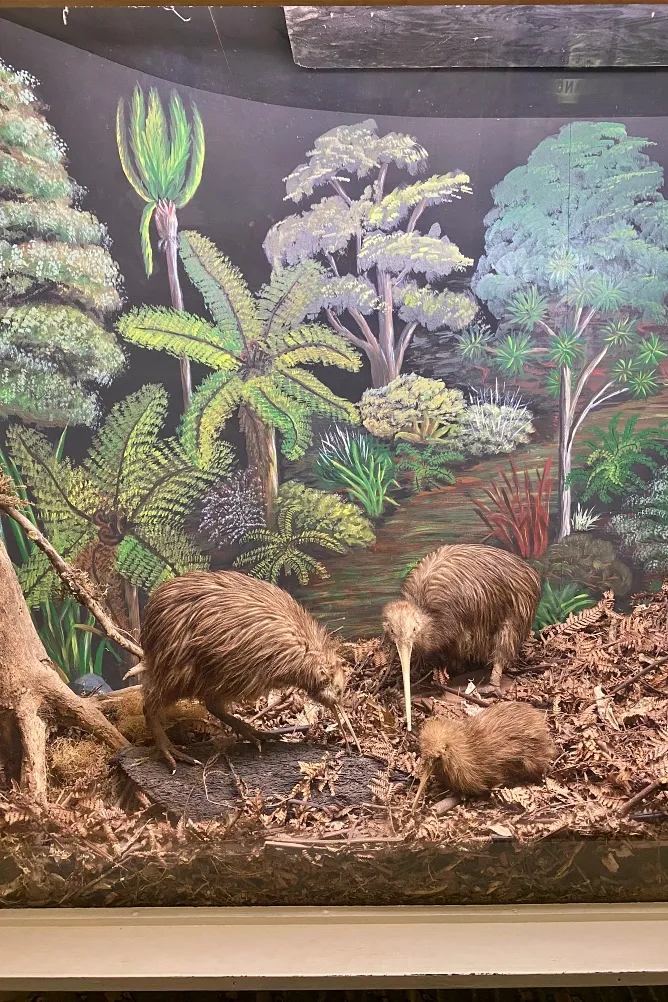
Part of the Te Puia cultural centre, this conservation facility, in line with the others, allows visitors to observe live kiwi birds in a nocturnal environment. Te Puia’s selling point is the Māori angle as it emphasizes the cultural significance of the kiwi to the Māori people and showcases the ongoing conservation efforts aimed at protecting this national symbol.
Te Puia is the perfect choice if you want to elevate your kiwi experience with a visit to a geothermal highlight such as New Zealand’s biggest geyser or indulge in the Māori culture with a delicious hangi, haka or tour. Te Puia offers visitors so much insight into Māori culture as well as the kiwi experience that it’s a great idea for a one-stop-tick for many Rotorua experiences!
Pūkaha National Wildlife Centre
Where: Mount Bruce, New Zealand
Another North Island reserve dedicated to the restoration and protection of native wildlife, including the North Island brown kiwi. Visitors can explore the nocturnal house to see kiwi and participate in daily talks and feedings for an in-depth and educational experience.
The centre also engages in a kiwi breeding programme, so between September and March you’ll have a good chance of seeing a kiwi chick in the nocturnal house!
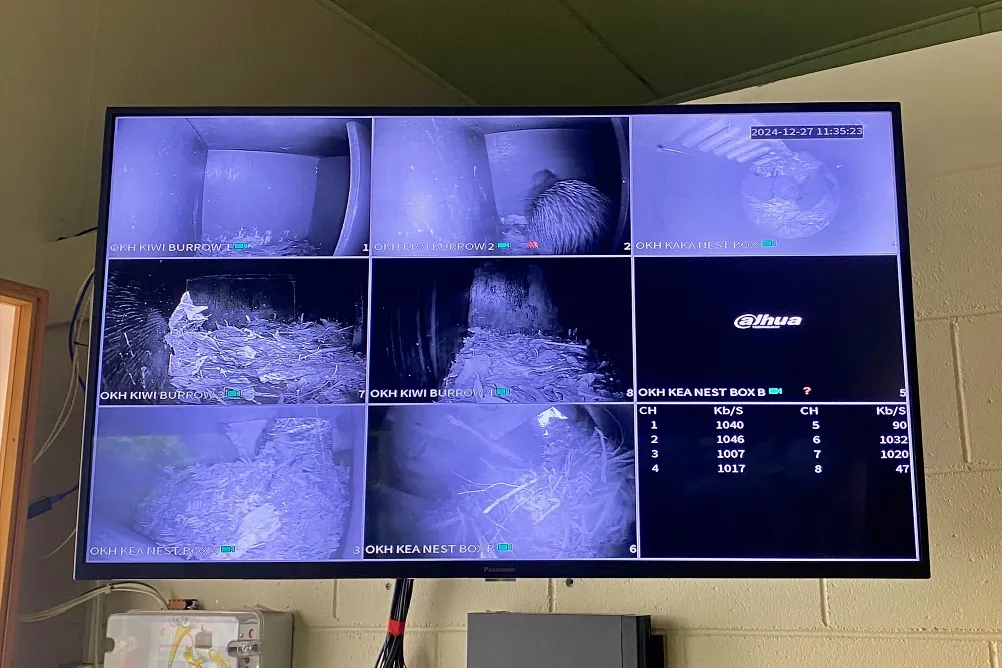
Pūkaha National Wildlife Centre also works towards the conservation of other birds as well as the kiwi, so you’ll also be able to see kākā and kākāriki as they work towards rearing them before setting them free in the wild.
Ngā Manu Nature Reserve
Where: Waikanae, New Zealand
Ngā Manu Nature Reserve preserves a significant amount of coastal lowland swamp forest and is home to a variety of native birds and reptiles.
The key attraction for seeing kiwis at Ngā Manu Nature Reserve is the night tour, where a knowledgable guide gives a short presentation about kiwis before leading small groups of up to 10 people to the nocturnal house. Visitors have the opportunity to see kiwi in a setting that replicates their natural environment and observe their behaviour as they would in the wild.
These tours get booked up pretty quickly, especially given they’re small groups, so be sure to book in advance if you want to see the kiwis in Waikanae.
Wellington Zoo
Where: Wellington, New Zealand
Wellington Zoo, New Zealand’s oldest zoo, is a vibrant hub for wildlife conservation and education. While it’s primarily known for its diverse animal collection, the zoo also provides visitors with a chance to encounter the iconic kiwi bird!
Like many other places on this list, Wellington Zoo also has a dedicated nocturnal house which recreates the kiwi’s natural environment, allowing you the chance to catch a rare glimpse into the life of this elusive, nocturnal creature. It’s a great spot to observe the kiwis foraging and interacting in a habitat designed to mimic their native forest, while also being a great family choice as you can see a range of other animals at the zoo at the same time.
Frequently Asked Questions
Can I take photos/videos in the kiwi enclosures?
Pretty much all places will say no to photos and videos. In fact, they even ask that your screens aren’t in use or are dimmed as much as possible. This is to ensure the light doesn’t put the kiwis on alert, as you will be seeing them in a dark environment.
Are the kiwi houses ethical?
Kiwi population numbers are in decline, and the hatcheries and kiwi houses are one of the ways conservation of these intriguing little birds is able to happen. Anyone who handles kiwi need to be an accredited kiwi handler with the Department for Conservation, having had sufficient training to be knowledgable enough to interact with the birds in the best way. There’s even a Kiwi’s Best Practice manual, aimed at ensuring that everyone is behaving in the bird’s best interests.
While it can be questionable keeping kiwis, and indeed any animal, in captivity, there are a number of benefits for the birds. Their presence in the kiwi houses supports breeding programmes and population numbers, it raises awareness to people about their plight and also their chances of reaching maturity are hugely increased.
Can I see kiwi birds during the day?
Kiwi birds are nocturnal, so you can see them during the day if you visit one of the above kiwi houses that has a dark enclosure. However, people have told me that they also saw kiwis during the day on tours of Zealandia so there’s always a chance of seeing them in the day! If you want to increase your chances of seeing the birds, it’s best to arrange either a night tour or visit one of the places above that has a dark/night enclosure.
Can I see kiwis in the wild by myself?
Theoretically yes, there are kiwis in the wild and if you know where and when to look for them, you could see them! In reality, it’s not as easy as that and while many people will say they’ve heard them shuffling around in the wild, it’s rare for people to actually see them in the wild. But, if you want to see kiwis in the wild then it’s not impossible.