You arrive in Bordeaux expecting rows of vines, baskets of grapes and a harvest celebration in every village. Instead, the city feels calm, some vineyard gates are closed, and the weather changes from warm sunshine to cool rain within the same afternoon. That is a normal harvest trip.
Visiting Bordeaux during grape harvest works best when you treat the season as an active period of farm work, not a fixed festival. The exact picking dates move with the weather, grape variety and appellation. A flexible plan will give you better access, fewer wasted journeys and a clearer view of how Bordeaux wine is made.
What does grape harvest look like in Bordeaux?
Harvest is a working season, not a staged show
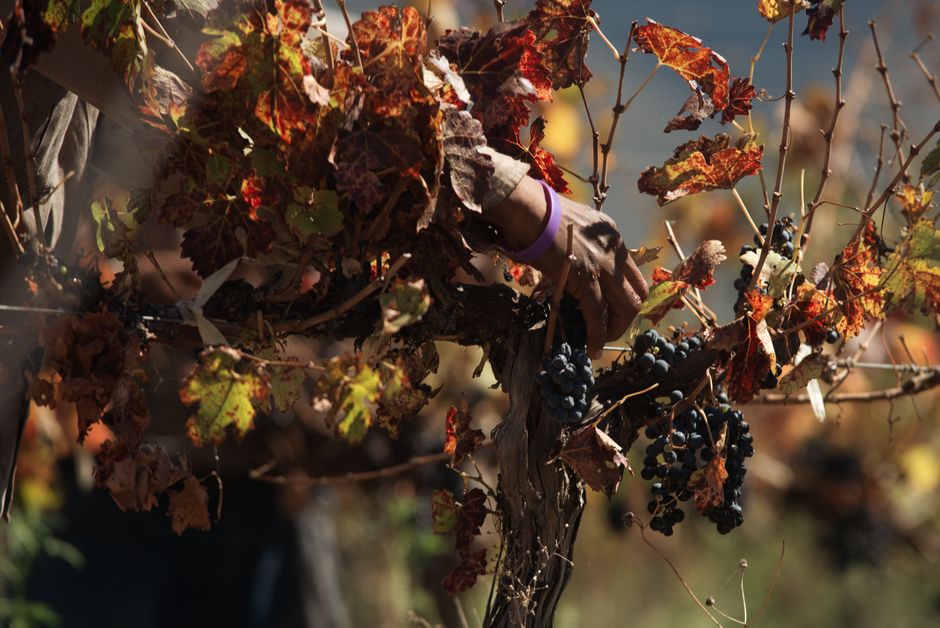
During harvest, vineyard teams pick grapes as they reach the right balance of ripeness, acidity and flavor. The work may begin before sunrise, especially during warm weather, because cool grapes arrive at the cellar in better condition. Workers sort bunches, fill crates, move fruit to the winery and clean equipment between loads. You may hear tractors before you see anyone in the vines.
Some estates pick by hand, while others use machines on suitable flat or gently sloping parcels. The choice depends on the grape variety, vineyard shape, estate policy and weather. A château may harvest one plot on Monday and leave another untouched for several days. That uneven rhythm explains why a vineyard can look quiet during a scheduled visit.
Which Bordeaux areas show the most activity?
Saint-Émilion and Pomerol often begin with earlier-ripening Merlot, while Médoc estates may wait longer for Cabernet Sauvignon. Graves and Pessac-Léognan sit close to Bordeaux and can work well for a shorter day outside the city. Entre-deux-Mers offers a different landscape, with broad countryside and a strong white-wine tradition.
The clearest verdict is simple: plan around one confirmed vineyard appointment, then use the surrounding area for walking, villages and food. Do not build an entire day around the hope of watching a specific field being picked.
When should you visit Bordeaux for the harvest?
Aim for a flexible two-week window
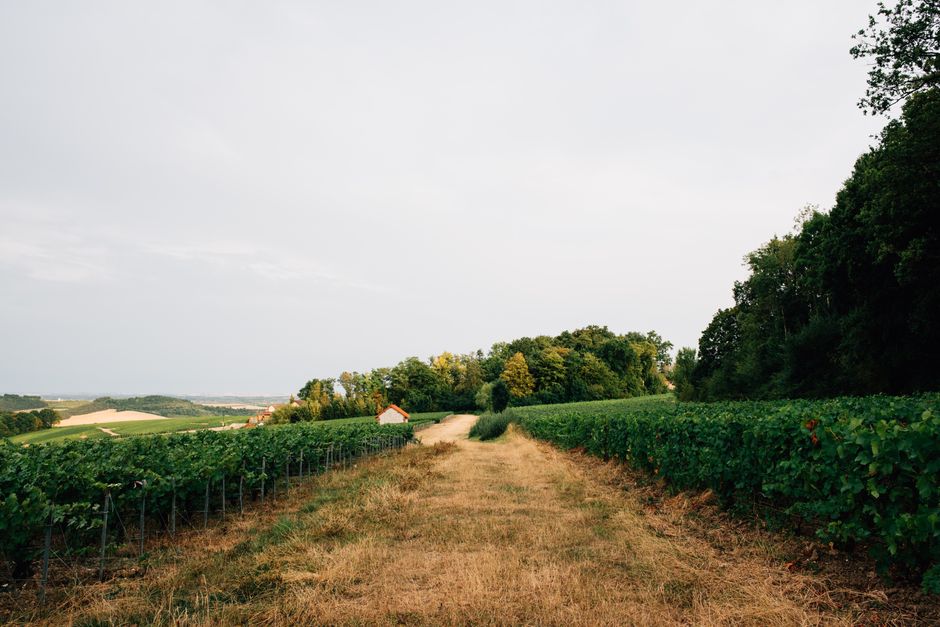
The main harvest period often falls between late August and October, but no calendar can promise the exact week. A hot, dry summer can bring picking forward. Rain, cooler nights or slow ripening can push it back. White grapes may be ready before red grapes, and different parcels on the same estate can reach the cellar at different times.
Match your route to the ripening order
For the best chance of seeing active work, check several appellations two to three weeks before arrival. Saint-Émilion may offer early-season activity, while Médoc can be more useful later. Ask each estate what will be happening on the day of your visit: picking, sorting, cellar work or a standard tour. The best timing choice is the one that leaves room for weather changes and gives you two different regional options.
How can you build a three-day Bordeaux harvest itinerary?
A practical route for first-time visitors
Keep the first day close to Bordeaux, use the second for a confirmed right-bank visit and reserve the third for a left-bank or nearby southern route. This avoids spending every morning in traffic and gives you a useful fallback if rain interrupts vineyard work.
| Day | Base and route | Suggested timing | Harvest focus |
|---|---|---|---|
| Day 1 | Bordeaux city centre | Morning city walk; afternoon food and river district | Learn the regional map, ask local staff about current picking activity |
| Day 2 | Saint-Émilion and nearby vineyards | Leave early; allow a full day outside the city | Book one estate visit, then add village lanes or a vineyard walk |
| Day 3 | Médoc, Graves or Pessac-Léognan | Choose the region with the strongest confirmed activity | Compare landscapes, cellar work and harvest timing |
Leave space between appointments
Driving times grow quickly when narrow vineyard roads, tractors and village traffic enter the picture. One morning appointment and one afternoon activity are enough. Leave at least an hour between them, and more if you are crossing from one appellation to another. A missed appointment teaches you nothing about harvest; a slower route often does.
For travelers without a car, keep the plan compact. Bordeaux and Saint-Émilion can form a workable pair, while Médoc and Entre-deux-Mers need more transport planning. The strongest itinerary is the one with one confirmed visit, one flexible outdoor activity and an indoor backup each day.
What should you pack and how should you behave in the vineyards?
Pack for mud, sun and cool cellars
Harvest weather can change within hours. Wear shoes with a firm sole, trousers that can handle dust, a light waterproof layer and clothing that works under a warm afternoon sun. Cellars may feel cool even when the village is hot. A small bag with water, a phone charger and a paper copy of your booking is more useful than a large camera kit.
Use these six vineyard rules
- Book ahead. Harvest is one of the busiest periods for estate teams, and many visits run only at set times.
- Confirm the meeting point. A château name may cover several entrances, offices or vineyard parcels.
- Stay on marked paths. Unpicked vines can look inviting, but the rows are working areas.
- Never touch or taste grapes without permission. A few grapes can carry field treatments, dust or plant residue.
- Expect a change of plan. Rain may move a vineyard walk indoors, and active cellar work may limit access.
- Ask before taking photographs of workers. Harvest teams are concentrating on speed, safety and quality.
Do not arrive expecting a leisurely picnic beside the vines. During active picking, staff may have no time for long explanations. The polite approach is to ask focused questions, listen to the answer and accept restricted access without complaint. That behavior usually leads to a more honest conversation about the work.
Which harvest experiences are actually worth your time?
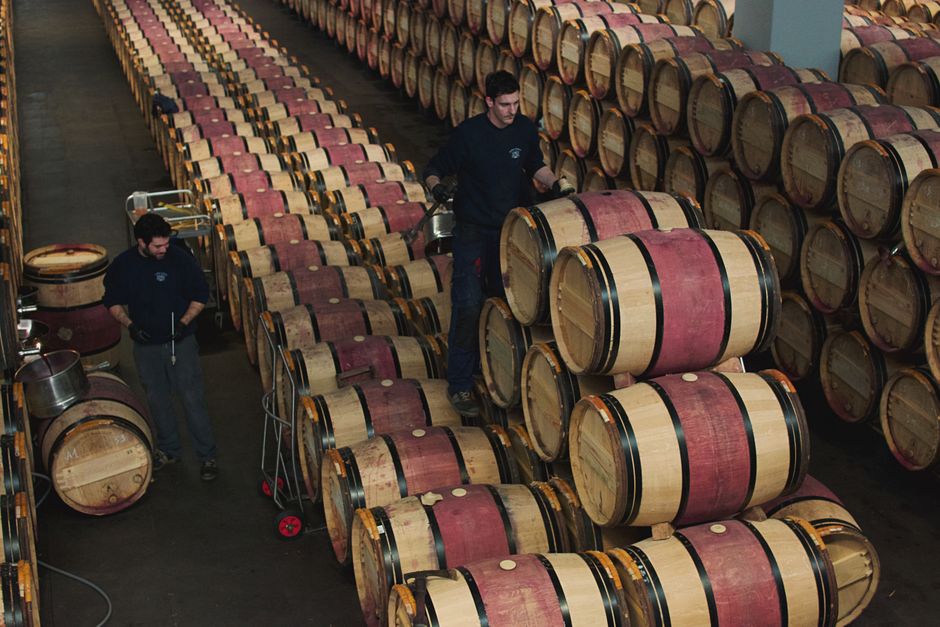
Choose one working-vineyard visit over three polished tasting stops. During harvest, the valuable part is seeing the chain from vineyard to cellar: deciding when to pick, sorting fruit, moving it indoors and protecting the first juice from heat and oxidation.
Prioritize access over a famous name
A smaller estate with a confirmed harvest explanation can teach you more than a grand property where the visit follows a fixed script and the active work happens elsewhere. The strongest visit gives you a clear explanation of what is happening that week, not just a history of the building.
Skip the harvest fantasy when conditions are wrong
If heavy rain has stopped picking, do not force an outdoor vineyard day. Choose a cellar-focused visit, a regional food market, a museum, or a village walk instead. A muddy field with no workers present will not become more meaningful because you traveled farther to reach it. A flexible traveler gets more from the region by following the work rather than demanding a particular scene.
For a first visit, the best balance is one harvest-focused appointment, one regional meal and one long walk through the surrounding landscape. That combination shows both the practical work and the human side of Bordeaux.
Bordeaux grape harvest questions travelers ask
Is September always the best month?
September is often a strong choice, but it is not automatically the answer. Early September may suit some Merlot parcels and white grapes, while Cabernet Sauvignon in parts of the left bank may be picked later. Weather changes the schedule every year. Choose a period with several days available and confirm conditions shortly before travel.