Blog

  • A Weekend in Logroño, Spain: Explore The Heart of the Rioja Wine Region

    A Weekend in Logroño, Spain: Explore The Heart of the Rioja Wine Region

    Located in the northern Spanish region of La Rioja, Logroño is a city known for its wine production, historic old town and for being a city on the famous northern Spanish pilgrimage route, Camino de Santiago.

    Whether you’re visiting for a weekend in the heart of Spain’s Rioja wine region, or enjoying an extended break while undertaking the Camino de Santiago, a weekend in Logroño is the perfect choice for a couple of days of great food, quality wine and relaxation.

    A Weekend in Logroño
    Where is Logroño?

    Logroño is the capital of the autonomous region of La Rioja, in northern Spain. It’s located on the Ebro River, about 150 kilometers (93 miles) south of Bilbao and 335 kilometers (210 miles) north of the Spanish capital, Madrid.

    The famous Camino de Santiago stretches from the France-Spain border to Santiago de Compostela, and Logroño is one of the bigger cities on the route, offering visitors a place to rest about a third of the way into the 491-mile pilgrimage.

    Top Sights to See in Logroño

    Logroño is a beautiful city with plenty to fill a weekend. Some of the top sights to see in Logroño are:

    • Calle del Laurel: This famous street in the old town area of Logroño is known for its numerous tapas bars and restaurants serving traditional Spanish cuisine.
    • Be sure to fit in a night jumping from tapas bar to tapas bar for a foodie take on a bar crawl!
    • Cathedral of Santa María de la Redonda: The 16th-century cathedral is located in the heart of the city’s historic centre, and features a stunning Gothic facade.
    • Puente de Piedra: Spanning the Ebro River, this historic bridge offers great views of the city and surrounding countryside.
    • Bodegas Franco-Españolas: When in wine country, a visit to this winery is a must. It’s one of the oldest in Logroño and offers guided tours and wine tastings just a short walk from the city centre.

    Day One

    Spend the morning exploring the city
    Start your day with a visit to Mercado San Blas, a small local market with fresh produce and meats on offer. It’s in the centre of the city, and a great starting point for exploring Logroño.

    Once you’ve had your fill – it’s not a huge market – you can explore the other sights in the area like Parque Espolón, Muralla del Revellín and Logroño Parliament. They’re all within easy walking distance of each other, and offer an insight into the history of the city.

    If you’re a fan of churches, there are several in the city that are worth checking out. Concatedral de Santa María de la Redonda de Logroño stands proudly in the city centre Plaza del Mercado, and is home to a Michelangelo painting. The opening times can vary, but if you ask a local they’ll let you know when it’ll be open. Despite what the Google reviews say, you can’t get beer there.

    Other options for church fans are the Church of San Bartolomé which dates back to the 12th century, and Church of Santiago el Real which holds a pilgrim mass every day for those undertaking the Camino de Santiago. Of course, if you’re not undertaking the epic walk from France to Santiago de Compostela, you’re still welcome to visit the church.

    As it nears midday you’ll start to notice the people undertaking the Camino de Santiago start to arrive in the city. They’re quite easy to spot as they’ll often have proper hiking boots on, a backpack of some sort and a look of relief on their faces at finally reaching the end of the day’s walk.

    A prime spot to grab a bite for lunch and have the chance to chat to some of the people undertaking the camino is Plaza del Mercado. There are plenty of cafes in the area to choose from, and you’ll see the groups of hikers arriving and settling in for a drink and a snack to rest. The people I spoke to who walked the camino were so interesting and had amazing stories to share, it’s worth a chat if you can!

    An afternoon in the wine cellars

    A visit to the capital of the Spanish wine region isn’t complete without a visit to a bodega or two. With plenty of wineries in Logroño, you’ll have your pick of places. The easiest one to get to is Bodega Franco Españolas, it’s just over the bridge from the city centre and is among the best of the wineries in Logroño. Another option for a winery within walking distance of Logroño is Viña Ijalba.

    There are tours run to wineries further afield but they get quite expensive and often it’s a ‘meet at the vineyard’ type tour which can prove difficult if you don’t have your own car.

    Foodies and non-foodies alike will love exploring Calle del Laurel, Logroño’s tapas street. The perfect place to jump from bar to bar sampling the pintxos and drinks. You can try just a few before dinner or spend the evening trying a bit of everything from each bar – it’ll soon fill you up. This is the place for food and drinks in Logroño!

    What’s the difference between tapas and pintxos?
    Tapas are small dishes of food brought to your table to share with friends, whereas pintxos are usually displayed on top of the bar, and made up of a slice of baguette with a topping such as tortilla española, meat, fish or vegetables.

    Day Two

    Riverside walks and yes, more wine!
    The slow travel style of Logroño gives you the perfect opportunity to explore at your own pace. Your second morning in the city is the ideal time to see the sights that there wasn’t time for yesterday.

    Depending how late you were out exploring Calle del Laurel and Logroño’s night scene, a slow morning checking out the quiet and relaxing river scene might be on the cards. The museum there, Casa de la Ciencias, is marketed towards families, but the outdoor section is fun for families, adults and solo travellers alike.

    With interactive science activities dotted along the riverside, you can enjoy jumping on the musical plates, finding out how sound travels or manipulating water. The activities outside are open all day and free to try, but check opening times for the museum if you’re planning to visit inside too.

    There are also a number of parks on either side of the river, perfect to check out some artwork and enjoy the peace and quiet of a riverside walk.

    If you’re visiting Logroño on a Sunday, there are two Sunday markets to check out; Mercadillo de Las Norias and Mercadillo del Rastro de Logroño. They’re open-air markets, with a range of stalls that you’d typically find at a flea market.

    Many people who spent their first day in Logroño on a winery tour will head back on their second day to buy more wine. If you enjoyed yourself, why not check out a different winery tasting experience or venture a little further out to tour the olive groves and visit the mill?

    A Spanish kind of afternoon

    Logroño is a city best explored with good weather to really indulge in the Spanish culture, enjoy the relaxed lifestyle and afternoons spent socialising in cafes. In your last hours in the city, do as the Spaniards do and enjoy a leisurely lunch or coffee, hopefully sat outside basking in the sunshine.

    If you’re visiting during the camino season – spring to autumn – then come afternoon you can watch the pilgrims make their way into the city. They’re easy to spot with the hiking poles, walking gear and a general aura of needing to rest for a bit.

    For the best choice of cafes where you’ll be able to watch people bustling by, head to Av. de La Rioja, Calle Portales or my personal favourite for seeing the pilgrims arrive, Plaza del Mercado. Thankfully Logroño is a city brimming with cafes, so no matter where you choose you’ll likely find something to your taste.

    If an afternoon checking out cafes isn’t your kind of thing, why not get in the camino spirit and follow the route through the city? It’s easy to pick up with the yellow arrows spread across the city, but if you don’t spot any as you wander the city, head to Muralla del Revellín for your first yellow arrow.

    Be aware that the arrows are quite informal, and not always in-your-face obvious. It’s fun to follow the route, and you can either take it to the edge of town or to the next town along, Navarette, which is about 12km away and then catch a bus or taxi back to Logroño.

    How to Get to Logroño

    Car
    The easiest way to get to Logroño is by car, and there are plenty of parking places to leave a car in the city centre.

    From Madrid to Logroño by car it’s about 4 hours, and if you’re coming to Logroño from nearby Bilbao it’s about 90 minutes to drive.

    By Foot
    As a city on the Camino de Santiago trail, a lot of visitors arrive in Logroño by foot. It’s 17 miles/ 27.6km from the previous stop of Los Arcos, so it’s definitely a welcome sight for them to finally arrive in the city.

    Train
    If you’re not undertaking the El Camino de Santiago Frances – the French / St James route that passes through the city – Logroño is easily accessible by train from Barcelona, Bilbao and Salamanca. Surprisingly, it’s not the quickest ride if you’re coming from Madrid, but thankfully ALSA buses have an extensive network and can get you from Madrid to Logroño by bus in under 5 hours.

    Once you arrive in Logroño by train, most of the city is walkable but if you’ve got heavy bags then a taxi might be a wise choice to your accommodation.

    Plane
    Logroño doesn’t have an airport, but the closest airports to fly into with decent connections to Logroño are Bilbao or San Sebastián. From there it’s either a drive or bus ride to Logroño.

    Where to Stay in Logroño

    As a stop on the Camino de Santiago route, Logroño has a range of accommodation to fit all kinds of budget. From super budget friendly albergues to well-located hotels, all types of visitor to Logroño is catered for.

    Albergues are essentially hostels – albergue is just the Spanish word for hostel – but in reality there is a bit of distinction between the two. Albergues are generally used by pilgrims on the Camino De Santiago, and are pretty basic, often sleeping a lot of people in one room. You can usually get a bed the same day you turn up, and it’s real no frills accommodation. In some, you’ll need to take a sleeping bag with you.

    Hostels are a little nicer than albergues, and still budget friendly. Usually you’ll have the option of a dorm or for a bit extra can enjoy a private room.

    During my time in Logroño, I stayed in Winederful Hostel & Cafe. It has a great location, friendly staff and the dorm rooms were very comfortable, with lockers and curtains on the bunks. Private rooms are also available, offering hotel standard accommodation with the benefit of a hostel environment.

    When to Visit Logroño

    With most of Logroño’s biggest attractions and sights being outside, the city is best explored with good weather. It may be Spain, but the north of the country isn’t glorious sunshine and warmth all year round like the south.

    May to October will offer the best weather, giving plenty of opportunities to soak up the sunshine, explore the wineries and enjoy the al fresco dining. If you’re not a fan of heat, skip the peak summer months or be prepared to enjoy the cafes while the temperature peaks.

    How to Say Logroño

    It’s really fun to explore places that people don’t often frequent for city breaks, but if you don’t know anyone who has been there often we’re not sure how to pronounce the name of the place. Fear not, I’ve got you!

    Logroño is pronounced log-ron-yo. Spanish names typically give equal emphasis to all letters unless they have an accent (á), and the ñ sound in Spanish is similar to ‘ny’ as in canyon in English.

    Is Logroño Worth Visiting?

    If you’re limited on time and want to fit as much sightseeing into your day as possible, then Logroño might not be the best choice for you. But, if you’re more relaxed about how you spend your weekend and love to indulge in slow travel and cafe culture, then Logroño is absolutely worth a visit! It’s a charming insight to Spanish life away from the bit cities like Madrid and Bilbao, but not so small that there’s absolutely nothing to do. Plus, if you like wine or would like to learn more about it, it’s an excellent choice for you.

    Visiting Logroño as a Solo Traveller

    I’d heard about Logroño from a Spanish friend who visited for the weekend with friends, but I stopped by on my own, living my best solo female traveller life. There are sights to see in the city but it’s not the kind of place where you’ll be rushed off your feet all day visiting the sights. If you’re happy to take a slower day and enjoy the odd café then you’ll enjoy the city.

    Calle del Laurel is more fun to enjoy with people, but it’s really easy to meet people if you’re staying in a hostel. You’ll find the brave people undertaking the camino everywhere and they’re often super friendly so chances are you’ll find people to enjoy a tapas or two with!

    Don’t have someone to go with? Don’t let that mean you miss out, still go for it!

  • Visit the Moeraki Boulders: What to Know Before You Go

    Visit the Moeraki Boulders: What to Know Before You Go

    If you’re road tripping around New Zealand’s South Island, chances are you’ll pass by a small coastal village called Moeraki on the east coast. Just a short detour off State Highway 1 lies Koekohe Beach, home to the mysterious and popular Moeraki Boulders. These enormous, perfectly round stones look like giant marbles scattered along the sand, and it’s one of those places where you can’t help but feel a little awestruck and wonder how they even ended up there.

    Where Are the Moeraki Boulders?

    You’ll find the boulders on Koekohe Beach / Moeraki Beach, on New Zealand’s South Island. It’s on the coast about halfway between Dunedin and Oamaru. If you’re driving between the two, you’ve got the choice of an inland route or the scenic coastal route. This is just one of the sights to stop at as you drive along the coastal route, on SH1 and definitely worth taking the extra time for the drive.

    What Are the Moeraki Boulders?

    There’s a technical explanation as to what the boulders are: mud, clay, and calcite cemented together over millions of years. They were slowly revealed as the coastline eroded away over the years to be the Moeraki Boulders we see on the beach these days. But in New Zealand, the science is only half the story. According to Māori legend, the boulders are the remains of gourds and food baskets washed ashore from the wreck of the great voyaging canoe, Araiteuru.

    Things to Do at Moeraki Beach

    Wander the beach and see the boulders
    Let’s be honest, this is the reason most of us visit Moeraki Beach, to see the famous Moeraki boulders! At low tide, you can stroll right up to the boulders, touch their smooth surfaces, and even peek inside the ones that have cracked open. Bring a camera—this is one of the most photogenic beaches in New Zealand.

    Photography heaven
    Sunrise and sunset are especially magical times to visit. The soft golden light makes the boulders glow, and if the tide is just right, you’ll get stunning reflections in the wet sand. As the beach is on the east coast of the South Island, you’ll be able to see the sun rise over the water so it’s the perfect photography spot at that time!

    Enjoy a Scenic Pit Stop
    After wandering among the boulders, pop into the café perched just above the beach. From its elevated spot you’ll be able to soak up the sweeping coastal views while you sip a flat white or tuck into some food. Keep an eye on the waves, you might spot seals or even dolphins passing by as you relax with something tasty! If it’s a hot day, the deck outside is the perfect choice.

    Say Hi To The Llamas
    Next to the car park for Moeraki Beach is an enclosure home to llamas, rabbits and sometimes even a deer. You can buy food from the gift shop to feed them, or just say hi through the fence. It’s a fun added perk to visiting, and great for little ones if you’re travelling with your family. Or if you’re a mid 30s traveller like me who enjoys random animals!

    Why wouldn’t there be llamas at a beach? Not something I was expecting, but a pleasant surprise for sure!

    Peruse the Gift Shop
    The small gift shop next to the cafe is the perfect spot to grab any souvenirs of your visit to Moeraki Boulders, along with any New Zealand memorabilia that you can find in many of the tourist gift shops across the country.

    Explore Moeraki village
    Just a few minutes’ drive away is the charming fishing village of Moeraki. It’s a peaceful spot to enjoy coastal views, stroll the jetty, and tuck into some seriously fresh seafood. If you’re enjoying a slow travel tour of the South Island or want to stay in a quiet spot then Moeraki is a great choice.

    How to Get There

    The Moeraki Boulders sit on Koekohe Beach, also known as Moeraki Beach, just off State Highway 1 on New Zealand’s South Island.

    • From Dunedin: It’s about a 75 km (1 hour) drive north.
    • From Oamaru: Around 40 km (30 minutes) south.
    • From Christchurch: Roughly 3.5 hours south by car, making it a good pit stop if you’re heading down the coast.

    There’s a car park and café right by the main access path to the beach. There are a number of steps down to the beach, but if you can climb a couple of flights of stairs you’ll manage just fine.

    Where to Stay Nearby

    If you’re looking for Moeraki accommodation and want to stay local rather than just making a quick stop, there are a few options:

    • Moeraki village: Offers cozy B&Bs and holiday homes, perfect for a quiet seaside retreat.
    • Hampden: A small community just a few minutes from the boulders, with a few additional provisions than Moeraki village
    • Oamaru: A larger town with more accommodation choices, from budget motels to boutique hotels. It also has the bonus of the Victorian Precinct and a colony of little blue penguins.
    • Dunedin: A vibrant university city with plenty of accommodation, dining, and cultural attractions. Dunedin is ideal if you want a mix of nature and city life, or if you’re road tripping and want to spend a few days in a city exploring.

    When is the Best Time to Visit?

    The boulders are best viewed at low tide as that’s when most of them are visible and they’re easily accessible on foot. If you arrive at high tide, many of the boulders will be partially submerged in the sea. If you’re hoping to get some stunning shots of the Moeraki boulders, aim for sunrise or sunset when the light is soft and the crowds are thinner.

    Season wise, the boulders are a year-round attraction, but bear in mind that the coastal weather here can be unpredictable. Summer brings warmer days and longer evenings, while winter mornings often deliver dramatic skies and moody waves.

    I visited the boulders in the afternoon during late Autumn and it was a glorious day with no need for a jumper and only 4 other people on the beach with me. New Zealand weather is very hard to plan for!

    The Moeraki Boulders aren’t just a quick roadside attraction, they’re a reminder of how incredible nature can be. Whether you come for the science, the stories, or simply the scenery, standing among these massive stone spheres is an experience that lingers long after you’ve brushed the sand from your shoes.

  • Is Pisa Worth Visiting: The Pros and Cons

    Is Pisa Worth Visiting: The Pros and Cons

    If you’ve ever seen a friend post a photo ‘holding up’ a slightly wonky tower, chances are it was taken in Pisa. In fact, it’s famous worldwide for the very popular landmark that seems like it shouldn’t really be open to the public for visiting. But you might find yourself wondering what else is there to do in the city, and is Pisa worth visiting beyond the one gravity-defying tower.

    The answer is…well, it depends. Pisa has charm, history, and food that’s certainly worth writing home about, but it’s also compact, very touristy, and not everyone’s cup of espresso. Here’s a balanced look, five reasons to go, and five reasons you might want to save your annual leave for somewhere else.

    5 Reasons Pisa is Worth Visiting

    The Leaning Tower

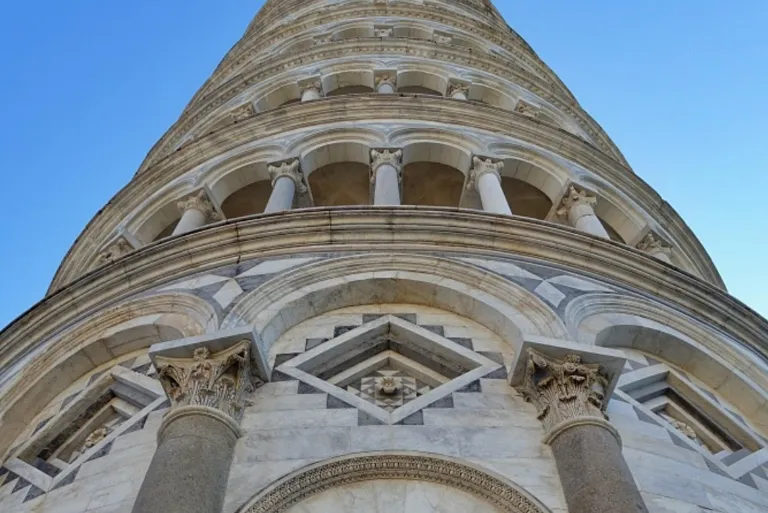
    The Leaning Tower of Pisa probably the biggest reason for people to not only have heard about the city, but also the biggest reason to visit Pisa. It’s an absolute must see, and a unique architectural monument that is not only worth seeing to try and work out how it stays up, but also to take advantage of the opportunity to climb to the top. It can be quite disorientating to climb the stairs, but the views from the top are just unbeatable.

    Top Tip: It’s worth booking your ticket in advance if you want to climb the tower as the slots can fill up quickly in peak seasons. If you can get the first time slot of the day you’ll get to climb the tower before most of the day trip tour buses arrive.

    Compact and Walkable

    Like all of the best day-trip cities, Pisa is nice and compact making it easy to see the highlights of the city in a short amount of time. If you’re really tight on time, you can easily see the main sights in a couple of hours, leaving you plenty of time to fit in other Tuscan highlights on your trip. Pisa is also fairly flat and has many pedestrian-only streets making it an easy city to explore by foot.

    Piazza dei Miracoli

    Many visit Pisa to see the famous leaning tower, but there’s a whole complex of amazing, historical sites to explore, not even a stone’s throw from the tower. It’s known as the ‘Square of Miracles’, and is a UNESCO World Heritage Site that alongside the Leaning Tower of Pisa is home to the Cathedral, Baptistery, and Camposanto Monumentale.

    If you’re on a budget or tight on time then you can see these from outside and admire the stunning architecture, but it’s worth buying a combo ticket so you can visit and appreciate the inside too. Tickets are available for entry to the Leaning Tower of Pisa and the Duomo (Cathedral) or for a little bit more you can also bundle on entry to the other sites too. The ticket bundles are valid for a day so you can explore at your own pace, the only time restraint you have is the time slot for the tower for your climb.

    Easy Access from Florence and Overseas

    With an airport and a centrally-located train station, Pisa makes an effortless day trip from Tuscany’s capital of Florence and from cities overseas. If you want to fit two cities in to a weekend trip, Florence and Pisa are a great choice as the train between them is just an hour! Easy Peasy!

    Book your train tickets in advance or pick them up on the day at the station. Florence train station can get very busy so make sure you have enough time to queue and to find your platform. If you buy your ticket on the day, don’t forget to validate it on the platform!

    Tuscan Vibes Without Overcrowding (Mostly)

    Once you step away from the tower and Piazza Dei Miracoli, the side streets offer a quieter, more local feel. It’s the perfect town to have a balance of touristy sightseeing and quieter exploration in the rest of the city. If you want to really enjoy the calm vibes of Pisa, book to stay the night and enjoy the city once all of the day trippers have left. You’ll have the Piazza Dei Miracoli pretty much to yourself to explore in peace, and you’ll have easy access to the first climb slot for the tower in the morning.

    Pisa is a city full of high quality accommodation, so you’ll be spoiled for choice of somewhere good to stay.

    5 Reasons You Might Want to Skip Pisa

    It’s Very Touristy
    Pisa is a day tripper magnet. Many people arrive on tours from Florence or other nearby big cities and spend a couple of hours popping in and out of the sights before jumping back on the bus to go to the next stop. It can feel like people are there to tick off sights from their holiday checklist rather than visit and appreciate the area. The tower’s fame means peak season can feel like a festival of selfie sticks and a sea of people trying to hold up the tower for their photo.

    Limited Attractions
    Beyond the Piazza dei Miracoli, there aren’t as many ‘must-see’ sights compared to Florence or Siena. If you want to spend your trip cramming in as much as possible, you could spend a few hours in Pisa then move on to Florence or Siena, but you might find the travel time not worth it for how long you spend in Pisa.

    Can Be Done in a Few Hours

    To see the highlights of the city, you can easily be done in a couple of hours. If you’re short on time, you might prefer a richer cultural stop with more to see in the same area so you’re not spending time travelling between locations. If you’re the kind of person who enjoys the journey as much as the destination, then you might find that the train journey from Florence offers a great view of the Tuscan countryside as you speed through to Pisa and therefore the couple of hours spent in Pisa isn’t ‘wasted’.

    Overpriced Dining Near the Tower

    Hey, we all know that the areas around tourist hotspots charge an arm and a leg for food and drinks and it’s no different in Pisa. If you want to enjoy a meal or refreshment with a view of the tower, you’ll pay a premium for it. Stick to side streets if you want authentic, affordable Tuscan food.

    Better Tuscany Bases Exist

    Yes, the tower is cool to see, but Pisa is expensive to stay in and doesn’t have a huge amount to offer away from the Square of Miracles. If you’ve got limited time in Italy, there are other cities that will give you more experiences for your time and you might be better considering nearby Florence, Lucca or Siena for multi-day stays.

    So, Is Pisa Worth Visiting? The Verdict!

    If you’re in the region and have time to spare, Pisa makes a fun and photogenic detour, especially for that ‘I held up the tower’ shot. The Square of Miracles is cool to see and climbing the tower is a bit of a unique experience because of the tilt. But if you’re choosing just one or two stops in Tuscany, you might want to spend your time in and focus on cities with more to see and do to make the most of your time in the area.

    I have visited Pisa, purely to see the tower. I chose to stay in the city for one night as I was flying out of Pisa airport, and I arrived from Florence in the afternoon, spending time at a nearby thermal spa and seeing a bit of Pisa. The few hours I had the next morning before heading to the airport were spent exploring the Square of Miracles. I had the first tower climb time slot of the day and it was amazing to experience the mind-boggling climb and the views of the square just as people were starting to arrive on their day trips. I wouldn’t go back to Pisa again purely because I’ve seen everything I wanted to, but I’m glad I went.

    How Long To Spend In Pisa

    If you decide that yes, Pisa is worth visiting, the next question will be: how long to spend in Pisa?

    Pisa is a popular day trip from Florence, and it’s definitely possible to see most of Pisa in one day. In fact, if you’re tight on time then you could spend just a few hours in the city to see the top sights before moving on. For the slow travellers out there, a weekend in Pisa will be the epitome of a slow travel weekend. There’ll be plenty of time to visit the main sights in Piazza dei Miracoli before and after the crowds of day trippers are there, plus time to explore the quieter side of Pisa. If you find you’ve got extra time, I’d highly recommend a trip out to Bagni di Pisa, Italy’s answer to thermal hot baths.

    Easy answers:

    • Tight on time? Half a day is plenty of time to see the Pisa highlights
    • Day trip to Pisa allows for time to explore, if you don’t go on an organised day trip then you can enjoy the city before/after the crowds
    • A weekend is perfect slow travel, but may be too much time for people who want to cram in as much as possible to their time.
  • Spend a Day in Hokitika, New Zealand

    Spend a Day in Hokitika, New Zealand

    Hokitika is a charming coastal town on New Zealand’s rugged West Coast. Known for its wild beaches, breathtaking natural wonders, and rich cultural heritage, it’s worth a stop if you’re travelling along New Zealand’s famously picturesque coastal road. Whether you’re drawn to its famous jade (pounamu), stunning Hokitika Gorge, or mesmerizing sunsets, this guide will help you make the most of a single day in this South Island gem.

    South Island coastal scenery

    One Day in Hokitika, New Zealand

    Hokitika Highlights

    Hokitika is a must-visit for anyone looking for the perfect mix of nature, history, and creativity. Some of the Hokitika highlights are:

    • The iconic Hokitika Gorge
    • Scenic lakes perfect for a quick stop or a longer hike
    • A thriving jade carving and glassblowing scene
    • Stunning sunsets on Hokitika Beach
    • The Pancake Rocks at Punakaiki (it kind of counts as a Hokitika highlight…)

    Where is Hokitika?

    Hokitika sits on New Zealand’s South Island, along the ridiculously scenic West Coast. It’s about halfway up the coastline, and you’d most likely be arriving by car or van so would be looking at the following journey times:

    • 3 hours from Christchurch (via Arthur’s Pass)
    • 30 minutes from Greymouth
    • 1 hour from Punakaiki (Pancake Rocks)
    • 2 hours from Franz Josef

    The town feels quite remote as it’s just surrounded by small settlements, and the next big-ish town is Greymouth which is a 30-minute drive away, however if you’ve been roadtripping around the South Island I’m sure this is something you’ll already be used to.

    Top Sights to See in Hokitika

    Hokitika Gorge
    A 30-minute drive from Hokitika township to Hokitika Gorge, through the rural farmland with a stunning mountain backdrop, is the perfect introduction to the gorge. There are a couple of tracks you can take, one is just a few minutes but very hilly, giving you an outlook on the gorge. The other is noted as a 30-minute walk (there and back) that takes you past the viewing point and on to the famous bridge. From there there’s an additional walk to the beach which isn’t much further on.

    The walk to the bridge is fairly easy with some hilly parts, but the track is well maintained and although probably not advisable, I did it in Birkenstocks so you don’t need full hiking gear to do the walk. There’s a viewpoint about halfway to the bridge with a bench if you want to take a moment to sit and soak up the gorgeous views.

    Lake Kaniere
    Just 30 minutes from Hokitika, or a nice side stop en route to/from Hokitika Gorge, Lake Kaniere is one of New Zealand’s most beautiful and serene lakes. It’s surrounded by lush native forests and framed by the Southern Alps, and this deep glacial lake is a paradise for outdoor enthusiasts or just anyone who likes a pretty lake!

    Lake Kaniere

    You can either stop by to just admire the views while you have a picnic, or you can enjoy a variety of activities, including kayaking, swimming, boating, and fishing. The lake is home to trout and salmon, making it a great spot for the fishers amongst us. Several walking and biking trails surround the lake, with the Dorothy Falls Walk being a must-see, leading to a picturesque waterfall cascading into a tranquil pool.

    Lake Kaniere

    Hokitika Town
    Hokitika itself is worth a wander, there are plenty of charming independent shops and cafes to explore. Once a booming gold rush settlement, it is now famous for its jade (pounamu) carving, glassblowing, and arts scene. You’ll find a number of boutique shops, artisan studios, and the historic clock tower, all within the easily walkable town centre.

    Glass Blowing & Jade Carving Studios
    Hokitika is the jade (pounamu) and glassblowing capital of New Zealand, and you’ll be able to watch skilled artisans transform their raw materials into stunning works of art. Glassblowing studios line the high street, showcasing the mesmerizing process of shaping molten glass into colourful vases, sculptures, and jewellery.

    Jade carving is deeply rooted in Māori culture, and Hokitika is the best place to see carvers craft intricate pendants, earrings, and sculptures from locally sourced pounamu. Many studios offer hands-on experiences if you’re like to create your own unique jade piece.

    Pancake Rocks & Blowholes ~ Punakaiki
    Ok, so not technically in Hokitika but it’s a great way to spend the afternoon if you’re fitting in as much as you can! If you’re tight on time then this could be a visit for the next day, but spending the morning at the gorge and the afternoon driving up to Punakaiki for the Pancake Rocks is the best way to spend a day in Hokitika. It’s just over an hour from Hokitika to Punakaiki, though it’ll probably take you longer as you stop to take photos of the gorgeous coastline.

    Pancake Rocks

    The Pancake Rocks themselves are a natural marvel, and a hotspot for visitors to the South Island. These unique limestone formations, resembling stacks of pancakes, were formed around 30 million years ago. Over time, layers of marine creatures and sediments compressed under immense pressure, creating limestone. Weathering from wind, rain, and saltwater gradually eroded the softer layers, leaving behind the distinctive ‘pancake’ appearance.

    It’s an easy walk through the small park area to the rocks themselves, where you’ll find lots of stacks of rocks as well as a few blowholes with a gorgeous backdrop of the ocean. There’s a small section of track that is a bit more challenging, but you can easily turn back and take an easier route if your mobility isn’t great. However, the main sights are easy for all to see, and if you have the patience to wait for a good spray from one of the blowholes you won’t be disappointed.

    National Kiwi Centre
    The National Kiwi Centre is conveniently located in Hokitika town centre, and gives visitors the chance to get up close and see the country’s iconic Kiwi bird. It’s a rare sight in the wild, so places like this that offer an insight into the conservation efforts for the kiwi, as well as giving an opportunity to see animals like tuatara and giant eels are perfect for visitors who don’t want to chance it in the wild.

    Hokitika Beach
    Hokitika Beach is a stunning stretch of rugged coastline on New Zealand’s West Coast, known for its dramatic driftwood-strewn shores and breathtaking sunsets. It’s not even a short walk from the town centre, it’s literally one street over to visit this wild beach.

    Hokitika Beach

    One of its most iconic features is the Hokitika driftwood sign, a favourite photo spot for visitors. The beach is also a popular place to hunt for pounamu (jade) stones, which occasionally wash up on the shore.

    As the sun sets, the real magic of Hokitika Beach comes alive. On a clear evening, the sunset is just absolutely breathtaking, and the sky bursts into shades of pink, orange, and purple, making it one of the best places in New Zealand to watch day turn to night. With the sea and sky in front of you glowing in the golden sunset tones, turn around and see the mountains behind you already bathed in the deep purple sky.

    Glow Worm Dell
    Located just a short walk from the town centre, this small yet enchanting dell is home to thousands of glow worms that illuminate the darkness with their bioluminescent glow.

    The best time to visit the glow worm dell is after sunset when the tiny creatures create a twinkling spectacle. It’s just a short, easy walk into the dell, making it an easy visit for all ages. Unlike larger glow worm caves, there’s no need for a tour, just bring a flashlight to guide your way in, then switch it off to fully appreciate the magic once you’re there!

    Extras to Fit in if You Have Time

    If you have extra time, check out:

    • Westland Industrial Heritage Park – A fascinating museum showcasing historic machinery and vehicles.
    • Hokitika Museum – Learn about the town’s gold rush history and jade carving traditions.
    • Unique Local Shops – Browse for handcrafted jade jewelry, art, and souvenirs.

    How to Get There

    Car
    The easiest way to get to Hokitika is by car, and it’s an absolutely gorgeous drive along the West Coast. Whether you’re coming from the north or south, you’ll be treated to stunning coastal views. And if you get a sunny day? Be ready to be wowed!

    State Highway 6 (SH6) is the road you’ll travel along as you drive up and down the West Coast of the South Island, but this road actually stretches all the way from Blenheim in the north of the island to Invercargill in the south. Epic road trip anyone?

    Public Transport – Bus
    New Zealand isn’t a country known for its extensive public transport, but Hokitika is served by InterCity buses. If you’re travelling on the KiwiExperience bus or want to get the picturesque TranzAlpine train, these both arrive in Greymouth and from there you can jump on a short InterCity bus ride to Hokitika.

    Plane
    Hokitika is home to a small airport with flights to Christchurch. It’s not a bustling airport by any means with just a couple of flights a day, but it’s an invaluable transport link if you don’t want to travel across the country by car or bus.

    How to Get Around Hokitika

    The town centre of Hokitika is very compact and you can easily walk around. In fact, if you choose to drive between places you’ll spend more time looking for a parking space than it would have taken you to walk.

    If you’re venturing out to places like Hokitika Gorge, the lakes or Pancake Rocks then you’ll be best off making the journey with a car. These places are certainly too far to walk, though anyone passing through with a bike might enjoy the ride, it’s about 35km to the gorge and 24km to the lake.

    When to Visit Hokitika

    Hokitika is a year-round destination, with different seasons offering different experiences. Visitors during the NZ summer (December-February) will be blessed with warm temperatures and better chances of good weather to be able to enjoy the beach. In autumn and spring, the weather is milder but there’ll be less visitors in the shoulder seasons. With winter comes colder temperatures but snow-topped mountains. It’ll be pretty but note that if you’re visiting the gorge or the lakes these are accessed along rural roads so be sure to take it easy if there’s ice!

    I visited Hokitika in late March and was lucky to have mild weather. The mornings needed a light jumper, but by midday a t-shirt was plenty and it made the walk to Hokitika Gorge quite comfortable. The evening sunset over the beach was gorgeous with no clouds, and I just needed the jumper again once the sun dipped below the horizon.

    Hokitika Beach at sunset

    Visiting Hokitika as a Solo Traveller

    Hokitika is a great town to visit as a solo traveller if you’re happy with your own company. There aren’t many (maybe any…) hostels in town and not a huge social buzz to be meeting people out and about. However, accommodation is still fairly cheap for NZ standards, so you can snag yourself a private room and make the most of some me time.

    When I visited Hokitika as a solo traveller I found that people were very friendly, the town was busy enough with people that I didn’t feel lonely and there were lots of people milling about by the beach so there was still a social vibe. My favourite thing about smaller, more rural New Zealand towns, is that the locals can be so friendly and love stopping for a chat.

    Viewpoint at Hokitika Gorge

    Is Hokitika Worth Visiting?

    Absolutely! I think Hokitika is one of the highlights on the West Coast trail of the South Island. There are lots of little settlements as you drive up the coast, but Hokitika has a real welcoming and small town vibe, has plenty to fill your day and honestly has the potential for one of the best sunsets you’ll ever see. It’s a big claim, but as a real sunset fan, I think the one I caught in Hokitika might be the best I’ve ever seen!

    Is One Day in Hokitika Enough?

    Yeah, pretty much to be honest. Unless you have a specific reason for visiting Hokitika – like visiting family or friends – then it’s a great town to use as a base for a day and night before carrying on to explore the South Island. Accommodation is fairly budget friendly in Hokitika in comparison to South Island prices, so if you’re looking to fit in a relaxed day to break up the go go go of travelling, Hokitika would be a great location to do that.

    Where to Stay in Hokitika

    For such a small town, you’ll have plenty of options of places to stay in Hokitika for all budgets!

    Budget: Hokitika’s Kiwi Holiday Park and Motels or Hokitika Pioneer Hotel
    Mid-range: Stumpers Hotel or Rimu View 1 (Tiny Home)
    Luxury / Boutique: Hokitika Fire Station or Beachfront Hotel Hokitika (purely for the sunset views!)

    Where is Close by to Visit Next?

    • Franz Josef & Fox Glacier – A 2-hour drive from Hokitika, this is the perfect next stop if you’re road tripping around New Zealand’s South Island.
    • Arthur’s Pass – A scenic drive through the Southern Alps, it’s a popular choice for many travellers!
    • Greymouth – Stop for a craft beer tasting or to catch the scenic TranzAlpine train to Christchurch.
    • Nelson Lakes – Close by might be a bit of a stretch here, but it’s a great choice if you’re heading north to visit the scenic National Park.

    With stunning landscapes, rich culture, and laid-back charm, Hokitika is the perfect West Coast escape, even if you only have a day. Happy exploring!

  • Cinque Terre or Portofino: Which Should You Visit?

    Cinque Terre or Portofino: Which Should You Visit?

    If you’re planning a trip to the Italian Riviera – and let’s be honest, who isn’t at least dreaming about it? – chances are you’ve come across two places again and again: Cinque Terre and Portofino.

    Both are stunning, small towns, sitting on Italy’s picturesque Ligurian coast, and both promise unforgettable views, delicious food, and plenty of la dolce vita vibes. But they offer very different experiences, so which one should you choose for your trip? Let’s break it down and see whether you should visit Cinque Terre or Portofino.

    Cinque Terre: Colourful Villages and Coastal Adventures

    Cinque Terre is all about the five colourful villages that hug the cliffside, the cliffside trails, and the authentic Italian charm. It’s rustic, lively, and wonderfully unpolished in the best way. Imagine pastel houses stacked against dramatic cliffs, fishing boats bobbing in tiny harbours, and laundry lines fluttering in the sea breeze.

    Why Visit Cinque Terre?

    Cinque Terre isn’t just one place, it’s actually five charming villages, each with its own character: Monterosso, Vernazza, Corniglia, Manarola, and Riomaggiore. They’re connected by train, ferries, and walking paths, making it easy to hop between them.

    Best Things to Do in Cinque Terre

    • Village hop: You’ve heard of city hopping, but this puts a very picturesque twist on it. The best thing to do in Cinque Terre is, quite honestly, hop between the villages and see the different characters of each
    • Hike the Blue Trail (Sentiero Azzurro): This iconic coastal path takes you from village to village with jaw-dropping views at every turn. The whole trail is about 12km but you can do sections of it if you don’t want to walk to whole way. For serious hikers, the longer Sentiero Rosso is a rewarding challenge.
    • Taste the local pesto: Liguria (the Italian region) is the birthplace of pesto, and Cinque Terre is one of the best places to sample it. Try it with trofie pasta, paired with a crisp local white wine, yum!
    • Swim and sunbathe: Monterosso boasts the region’s only sandy beach, but every village offers a chance to cool off in the sea, whether by diving from rocks or lounging by the harbour.
    • Catch the sunset in Manarola: It’s one of the most photographed spots in Italy, and when the light hits the colourful buildings just right, you’ll see why. It’s also a great spot to visit during the day for that Instagram photo, and you can then catch sunset in Riomaggiore as it dip behind the cliffs.

    Who Is Cinque Terre For?

    Adventurers, foodies, hikers, anyone who dreams of that ‘postcard Italy’ view…basically anyone! If you have mobility issues you may not enjoy Cinque Terre as there are a fair number of hills and steps to get around.

    How long do you need to visit Cinque Terre?

    2-3 days is the perfect amount of time to visit the five villages of Cinque Terre. If you are tight on time you can visit all five in one day but it’s a long day and doesn’t let you fully enjoy the different villages.

    Portofino: Glamour and La Dolce Vita Vibes

    Portofino is the glamorous star of the Italian Riviera. Once a simple Italian fishing village, it’s now synonymous with luxury. Think grand yachts, designer boutiques, and cocktails in the chic waterfront piazza. But don’t be fooled though, behind the glamour Portofino remains stunningly picturesque, with its semicircle of colourful buildings lining the quaint little harbour.

    Why Visit Portofino?

    Portofino is the perfect spot for an elegant, and effortlessly stylish day trip. It has the picture perfect views with a fraction of the Cinque Terre crowds. Portofino also offers a slower pace than Cinque Terre, but with a more polished and exclusive feel.

    Best Things to Do in Portofino

    • Explore the Piazzetta: The charming town square is the heart of Portofino, and a perfect spot for people watching with an espresso or aperitivo in hand. Be warned, the stunning surroundings do come with a slight price tag.
    • Climb to Castello Brown: A short uphill walk leads to this historic ‘fortress’, where you’ll find panoramic views of the harbour and further coastline.
    • Walk to the lighthouse, Faro di Portofino: The scenic path to the tip of the peninsula is worth it for the coastal and sea views.
    • Indulge in luxury experiences: Portofino caters well to those who enjoy the finer things in life so it’s the perfect spot to enjoy some shopping or fine dining. Or wander the harbour and marvel at the impressive yachts that are moored, looking out for which one you’ll buy when that lottery win comes in!
    Terrace at Castello Brown

    Who Is Portofino For?

    Luxury seekers, day trippers, yacht enthusiasts, and travellers who want a slice of Riviera glamour without lacing up hiking boots. It’s a bit of effort to get to from the larger cities, but it sure is worth it!

    How long do you need to visit Portofino?

    Portofino is the perfect day trip, with just enough to fill your day without feeling like you’re rushing from sight to sight to be able to see anything. It’s part of the Portofino charm that you can have a leisurely day exploring, but it’s also a great spot for a quiet, relaxed holiday break.

    Cinque Terre vs. Portofino: Key Differences

    Still torn? Here’s a quick comparison to help you decide:

    • Time needed: Cinque Terre is best for a multi-day stay – about 2-3 days – visiting all 5 villages in one day is quite a lot. Portofino works beautifully as a day trip or a quick overnight stop.
    • Travel Style: Cinque Terre is great for hikers and foodies looking for authenticity, or if you want to see the iconic villages on the cliff. Portofino is for those who want a taste of elegance and relaxation, with much quieter vibes. Cinque Terre is a place to see and do things, Portofino is more of a spot to enjoy at leisure.
    • Budget: Cinque Terre has options ranging from guesthouses to boutique hotels. Portofino, on the other hand, is famously pricey.
    • Crowds: Both get busy in summer, and while Cinque Terre’s five villages spread out the crowds, getting the train between the villages can be cramped. Portofino is compact, so it can feel packed more easily.
    • Ease of Access: Cinque Terre is easily accessible by train, with each village having their own station and a handy ferry running during the summer between the villages and nearby coastal towns. Portofino is a bit more involved with a train and then either a bus or ferry.

    So…Cinque Terre or Portofino?

    Well the truth of it is, you can’t really go wrong whichever you choose. If you have the time, I’d absolutely recommend that you do both. Spend a few days hiking, swimming, and feasting your way through Cinque Terre, then treat yourself to a day trip in Portofino for a taste of Riviera glamour.

    But if you have to choose? Well then:

    • For rustic, adventurous Italy → Go for Cinque Terre.
    • For chic, relaxing Italy → Portofino’s calling your name.

    Either way, you’ll be living your Italian Riviera dream and will have the most stunning views!

    Santa Margherita Ligure, a perfect base for visiting Portofino or Cinque Terre

    Travel tip: For maximum flexibility, base yourself in Santa Margherita Ligure.
    It’s perfectly located to explore Portofino and even hop down to Cinque Terre by train.

  • How to Spend One Day in Piha, New Zealand: A Beachy Dream

    How to Spend One Day in Piha, New Zealand: A Beachy Dream

    Piha, New Zealand, is a rugged paradise on the country’s west coast, just a short drive from Auckland. Known for the black sand beaches, towering cliffs, and famous surf waves, Piha is a must visit for nature lovers, surfers, and anyone looking to escape the city vibes of Auckland.

    With just one day in Piha to explore, you can hike the scenic trails, enjoy some time on the beach or grab a board and take to the waves!

    Why Visit Piha

    Piha offers a balance of natural beauty and adventure that makes it a must-visit spot on New Zealand’s North Island. From exploring the iconic black sand beach and famous Lion Rock, to hiking the lush bush trails that lead to stunning waterfalls, Piha certainly has enough to keep you busy in terms of activities. It’s a great place to experience the raw beauty of the North Island west coast while enjoying an easy day trip from Auckland.

    Where is Piha?

    Piha is located on the west coast of New Zealand’s North Island, about an hour by car from Auckland. It’s tucked away on the coastline between the Tasman Sea and the rainforest of the Waitākere Ranges Regional Park. It’s a popular destination for day trips, offering wild, untouched coastline without having to stray too far from the city.

    Top Sights to See in Piha

    • Lion Rock: The iconic volcanic formation that rises dramatically from Piha Beach. You’ll be able to see it whether you’re on Piha Beach or North Piha Beach, but you can walk right up and explore the rock itself.
    • Piha Beach: It’s a bit of a must see when you go to Piha! The beach is a popular spot for people enjoying a walk along the waterfront as the sand is quite firm in places, or for those wanting to make the most of the waves and take their board out for a surf.
    • Kitekite Falls: A stunning multi-tiered waterfall accessible via a short bush walk, perfect for a refreshing dip in the natural pools.
    • North Piha Beach: A quieter part of the coast, ideal if you’re looking for a more secluded spot for real relaxation.
    • Tasman Lookout Track: A short trail offering sweeping views of the coastline and the perfect spot to catch the sunset.
    • Piha Lagoon: A peaceful area where the stream meets the ocean, popular for families and picnics. This is currently listed as not safe for swimming, but still a lovely place to walk by.
    • Te Waha Point: For those who want to stretch their legs further, this hike provides incredible views of the cliffs and ocean.

    Where to Eat in Piha

    Piha may be small, but it offers a few cosy spots to grab a bite to eat or a refreshing drink:

    • The Piha Store: A local staple that covers your coffee, bakery and local store needs. You’ll find a range of snacks, quick bites, and take-away options, ideal for beach picnics.
    • Murray Piha: Amazing location on the beachfront, but this popular restaurant has quite limited opening hours so be sure to check before you visit.
    • Surfside Bites and Brews: Another beachfront option, this place is the perfect spot for a meal with a stunning view.
    • Piha Memorial RSA: Just up the road from the beach, Piha Memorial RSA is another restaurant option in Piha.
    • Cones on the Beach: The clue is in the name but this is the spot for ice creams while you’re having fun on North Piha beach.

    If you’re new to ‘small town New Zealand’ then just be aware that outside of peak season these places may not be open for business, even when Google suggests they will be. You’ll be able to find something, but may not have choice of all outlets in the town.

    Things to Prebook

    To make the most of your day in Piha, consider pre-booking the following:

    • Surfboard Rentals: Piha is a surfer’s paradise, and it’s worth booking a surfboard or a lesson if you want to catch some waves. Don’t forget to check bookme discount website to see if you can grab a discounted lesson!
    • Guided Bush Walks: If you’re interested in learning about the local flora and fauna, guided walks with local experts can add depth to your experience.
    • Transport or Tours: If you prefer not to drive, book a day tour from Auckland, which includes transport and guided exploration of Piha’s highlights.

    How to Get to Piha

    Piha is easily accessible from Auckland, with a few options for getting there whether you’ve got your own set of wheels or not!

    Car
    This is the easiest and most convenient option. It’s a gorgeous drive, though not for the faint hearted or those who aren’t confident driving New Zealand’s winding mountain roads. Take Piha Road from central Auckland which offers beautiful views of the Waitākere Ranges along the way. If you’re not confident, just take your time and be sure to pull over when safe to allow traffic to pass you by.

    To drive from Auckland to Piha takes about 45 minutes, depending where in the city you’re coming from.

    Public Transport

    New Zealand isn’t known for its extensive public transport, especially to small places like Piha. However there are a handful of shuttles that run from Auckland to Piha (and back again!). There are mixed reviews about the reliability of the shuttle service, but if you don’t want to drive then Trippy is an alternate option for you.

    Organised excursion
    Take the stress out of the day and book an organised excursion to Piha. It’s a touch more on the expensive side, but if it means you get to enjoy the journey and not worry about anything, it might be worth it! Companies such as Kiwi Road Tours offer flexible day trips out to Piha.

    How to Get Around Piha

    Piha is a small town, and while you can use a car to get around, you’d spend more time moving the car and finding a parking spot. Your best bet is to park up on the seafront car park and wander around on foot or hire a bike if going further afield.

    If you want to venture a little further out and see the surrounding areas of Piha, jump in the car and enjoy the journey just as much as the destination…it’s a fun, winding drive!

    When to Visit Piha

    • Summer (December to February): Ideal for if you want to spend time relaxing on the beach and enjoying a swim in the sea, with warm temperatures and longer daylight hours.
    • Autumn (March to May): A great time for hiking, as the temperatures cool down but are still pleasant. The trails and beaches are less crowded as it’s shoulder season, just keep an eye on when Easter falls as this will bring extra crowds.
    • Winter (June to August): It can get chilly and wet, but this is a beautiful time to experience the rugged coastline and waterfalls without the crowds.
    • Spring (September to November): Spring brings blooming native flora and a quieter atmosphere, making it the perfect time for nature walks and photography. If you’re lucky, you might get a warm day with hardly anyone else on the beach!

    Where to Stay in Piha

    Piha is the perfect day trip from Auckland, but if you want to really embrace nature and the small town life in New Zealand, then it’s also a great spot for an overnight stop. There aren’t a huge number of options to stay at due to it being such a small town, and it gets booked up far in advance so if you know you want to stay the night, be sure to book as soon as you can! As for where to stay…you can’t go far wrong wherever you choose in Piha!

    How Long Do I Need to Visit Piha?

    Piha is a compact town, so if you’re tight on time you could spend just a couple of hours doing a quick tour around to see the place. But, if you can spend the whole day in Piha it’ll be a much more relaxed experience, giving yourself time to relax on the beach and enjoy the town, with time to venture out to check out the waterfalls too.

    Where Can I Get That Instagram Shot of Piha?

    For the famous photo of Piha Beach shot from above, you’ll actually be able to get it as you drive in to Piha. As you arrive on Piha Road, there are two lay-bys where you can stop for the photo. If you don’t get to stop at the first one where you first spot the view in the distance then don’t worry, you’ll have another chance with the second lay-by just a few metres down the road.

    It’s best to try and pull in to these lay-bys on your way in to Piha as it’s difficult and not entirely safe to pull in to them on the way out due to the bends and potentially fast-moving traffic.

    Is Piha Worth Visiting?

    Piha is a gorgeous spot on the coastline and is the perfect balance to the busy city of Auckland. The journey from Auckland to Piha is a fun drive, with absolutely stunning scenery, and the town of Piha itself is quaint and has a quiet charm. If you’re looking for a day trip from Auckland with plenty of nature and laid back vibes, then yes, Piha is absolutely worth visiting.

    If you’re looking for a day trip that is full of sights, history, lots of food options and big crowds…Piha probably isn’t going to meet those needs.

    Piha as a Solo Traveller

    I visited Piha as a solo traveller, and absolutely loved it! Small towns like Piha often include super friendly and chatty locals, but if you want to meet people to spend the day with then either book the shuttle and check there’ll be other people on it too, or book on for a surfing lesson or guided bush walk.

    It would be a great place to visit with someone else or a group of friends, but it’s also the perfect place if you like quiet reflection and spending time alone in nature.

    Where Is Close By to Visit?

    Piha Beach and the town of Piha are both quite small. You could easily spend as little as an hour here, or the whole day. If you want to make the most of your time, after exploring Piha and the beach for a few hours, there are a few nearby spots also worth visiting:

    • Karekare Beach: Just a 15-minute drive south of Piha, this beach is known for its stunning scenery and dramatic landscape, and it’s usually quieter than Piha.
    • Waitākere Ranges Regional Park: Explore more bush walks and waterfalls like the Cascade Kauri or Fairy Falls.
    • Bethells Beach (Te Henga): Just north of Piha, Bethells is another beautiful black sand beach with unique caves to explore. Although it’s just up the coast, to get there you need to head back inland and it’s about 45 minutes to drive.

    Spending a day in Piha is all about immersing yourself in New Zealand’s natural beauty and laid-back coastal vibes. Whether you’re hiking up to breathtaking viewpoints, taking a refreshing dip in waterfall pools, or simply unwinding on the black sands, Piha delivers an unforgettable experience. With its proximity to Auckland, it’s an easy yet rewarding destination for anyone looking to experience the best of New Zealand’s west coast, and is the perfect day trip from Auckland.

  • Celebrate Semana Santa In Spain

    Celebrate Semana Santa In Spain

    Visiting a new country and seeing the sights is a great passion for many of us, and being able to take a step further and learn about the customs, culture and religious traditions of a country is even better. And luckily for us, Spain has so much culture to learn about!

    Semana Santa is just one element of Spanish culture, deeply rooted in religion. In fact, it’s the Holy Week processions that take place across a lot of the country in varying degrees of intensity. In the more religious parts of the country, you won’t be able to escape the parades, while in larger cities like Madrid you could easily miss any hint of Semana Santa and just enjoy a normal week sightseeing.

    Having been and experienced Semana Santa in Spain, it’s definitely something I’d recommend that both religious and non-religious people interested in culture should try to see. If it’s not something you’ve heard about or are overly familiar with, then no problemo, this post has you covered!

    Semana Santa in Spain

    What is Semana Santa?

    Semana Santa translates as ‘Holy Week’, and refers to the week-long religious celebrations for and around Easter. The dates change each year according to when Easter falls on the calendar, but it includes Maundy Thursday, Good Friday and Easter Sunday.

    Although I was familiar with Good Friday and Easter Sunday growing up, I’d never heard of Maundy Thursday until I was in Spain for Semana Santa, and it’s one of the biggest celebration days there. Don’t be fooled into thinking Semana Santa is just a few days, it’s a whole week of celebrations and parades, peaking from Maundy Thursday onwards.

    Semana Santa officially runs from Palm Sunday to Easter Sunday. These dates vary each year, but:
    Easter 2025: Sunday 13th April – Sunday 20th April
    Easter 2026: Sunday 29th March – Sunday 5th April

    Where to Go in Spain to Celebrate Semana Santa?

    Semana Santa is celebrated in different countries, but in Spain you can find celebrations across the whole country, varying in size from a few floats that pass by in the street to city wide processions that last for hours. For the larger celebrations, it’s best to head to the more religious cities, often found in southern Spain.

    Seville, Cadiz and Malaga are known to have some of the biggest Semana Santa celebrations, drawing the crowds in. Be prepared for the streets to be full of people, but also full of some breathtakingly huge parades and floats.

    For smaller crowds but still amazing processions, head away from the large cities in the south and venture to some of the smaller/lesser-visited cities. Places like Burgos, Zaragoza, Valladolid aren’t quite as busy, though you’ll still find plenty of crowds and interested observers.

    You don’t need to head south to find the processions as cities and towns across the whole of Spain will likely observe Semana Santa to some extent.

    Different Elements of the Semana Santa Parades

    A parade is a parade, right? Wrong! Semana Santa parades have many different elements, and although you can enjoy the processions without knowing much about them, having that extra bit of knowledge will make you appreciate the celebrations even more.

    There are a few things which are present at every procession, regardless of whether it’s a big one or not.

    • Drums – the low, slow beat of the drums can be heard before you know there’s a procession coming. It keeps those in the parade in time, and the people carrying the float sway in time with it as they move through the streets. The drums also create such an atmosphere that you can’t help but be drawn in.
    • Gowns and hoods – A full length, long-sleeved gown is worn by most members of the procession, who are also known as Nazarenos. Generally the gowns are white, however some groups opt for darker colours like black or navy. These are then tied around the waist with a piece of robe that is the same colour as the hood. The outfit isn’t complete without the hood, which is worn either straight up in a cone shape, or draped behind the head. Those that are worn without the cone shape traditionally symbolise that that group is more devout.
    • Floats – Each group of Nazarenos will often carry at least one float, usually with a wooden structure depicting Christ or the virgin Mary. These floats are heavy, and you’ll often see a large number of people carrying it, swaying in time to the drums to ensure everyone is walking at the same pace. For the larger floats, they will often stop to rest or change out the people carrying it.

    In the larger processions, women in black follow in a slow walk behind the float. Traditionally it was only men that took part in the Semana Santa parades, but women were welcomed in on the understanding they’d dress in black and walking in mourning and penance. These women will usually be clutching rosary beads, with a black veil draped in front of their face.

    There may also be monks and priests joining the parade, as well as representatives from local services such as the police.

    Who Takes Part in the Parades?

    The parades are made up of different groups of people, identifiable by their different colour hoods. They pass through the parade in their groups, and each group of people will belong to one church or parish.

    The parades are made up of all ages and genders, from young children to older members. The floats are usually carried or pushed by adult men due to the weight, but in recent years there have been floats carried solely by women! The drummers are usually also adults due to the weight of the drums and distance they’re carried, especially for such long parades, but sometimes you’ll spot a troop of younger nazarenos with drums.

    As a spectator it’s not appropriate to join the parade at any point,
    only those who are part of the church or parish take part.

    What Happens in La Semana Santa Parades?

    The processions through the city can vary in size, from just one group with one float, to all of the participants in one go. As they just walk through the streets, you can find the routes they’ll take online and pick a spot to watch them, or chances are that as you walk around the city you’ll bump into one.

    The sound of the drums is a big giveaway that one is close by!

    There are certain elements that all parades have, and that is the people in white gowns with hoods on, carrying a float.

    When is Semana Santa?

    Semana Santa dates 2025: April 13 – April 20

    Semana Santa dates 2026: March 29 – April 5

    My Semana Santa Experience

    I visited Spain at Easter specifically to experience the Semana Santa celebrations. Although I’m not religious, I find a lot of the celebrations of different religions interesting, and this was no different. The original plan had been to visit Seville, but a friend who lives there advised me against it because of the crowds. For a more authentic experience with smaller crowds, Zaragoza seemed to be a good option. After seeing a couple of parades in Madrid, my hopes weren’t high for anything amazing. The Madrid ones had been short, with large crowds.

    After arriving in Zaragoza, I found a lot of the city closed. This was the first time I’d even heard of Maundy Thursday; it’s not something a non-religious person in the UK would come across usually. I checked online for the routes the parades would take, and come evening found myself a spot near a church where several parades would be ending at.

    It was one of the best introductions to Semana Santa possible.

    The crowd was small, and the first sign of any advancing processions was the drums. The slow beat dictates the speed of everyone walking, and as the people came into view I had an unexpected feeling of fear. Fear? That’s not what I’d expected. The sight of people approaching in white gowns with pointed hoods brought to mind images of the KKK. The drums added to the atmosphere, and I had to remember that they had stolen the ‘outfit’ from these parades. Having been taught about the KKK but not about Semana Santa in school, it seems natural but also unfair that that would be the instinctual feeling I had.

    After a few minutes the initial unease I felt passed, and I really began to enjoy seeing all the different elements of the parade. I have a couple of friends who explained what the different parts meant, why some had different shape hoods, and that extra knowledge gave me a deeper appreciation of the parades. I’m not religious but it was a real experience to see them and I’d recommend it to anyone who has an interest in it too.

    Is it Worth Visiting Semana Santa in Spain?

    Absolutely! It’s a unique experience to see the parades moving around the cities, with their different outfits, drums and often extravagant floats that require many people to carry it in a hypnotic swaying fashion. Be prepared for a lot of shops to be closed, so visiting a city that also has a lot of things to see outside will mean you can make the most of your time, but it’s definitely worth going to see!

    Being a spectator as the procession passes through a city is more than just watching people walk past carrying something heavy. The sight of all the elements of the parade matched with the low, rhythmic drumming is a real experience. You can’t help but feel the music, and the parade itself is entrancing. Definitely something to experience for yourself.

    Is Semana Santa Safe for Solo Travellers?

    The parades for Semana Santa take place during the day but also once it gets dark, and there can be large crowds. It’s wise to exercise the usual caution when you’re in a crowd such as keeping valuables and belongings close to you, but I felt safer as a solo female traveller walking around the cities after dark than I usually would because there were so many people out.

  • Visit Castlepoint, New Zealand: A Coastal Hideaway

    Visit Castlepoint, New Zealand: A Coastal Hideaway

    Castlepoint, New Zealand is a must-visit destination for anyone exploring the Wairarapa region of the North Island. It’s a small village tucked away on the east coast, known for its iconic lighthouse, sweeping golden beach and stunning viewpoints.

    The area is named after Castle Rock, a towering 162 metre rocky landmark that was noted by Captain James Cook in 1770 for, you guessed it, looking like a castle. So creative! Castlepoint’s stunning landscapes attract visitors year round, on a day trip to explore the area or staying for a longer, more peaceful break away.

    Whether you’re hiking to the top of Castle Rock, relaxing on the beach, or soaking in the views from the historic lighthouse, there’s something for everyone in this coastal gem of New Zealand.

    Things to Do in Castlepoint

    The big charm of the village isn’t in the amount on offer, but in the quality of the few things there are to do in Castelpoint.

    Aside from the gorgeous drive through the scenic Wairapapa region to get to Castlepoint, which really does reinforce the saying that it’s about the journey, not just the destination, the scenery in Castlepoint is stunning. With rolling hills to one side, the open ocean on the other and a golden sandy beach in the middle, there’s something for everyone.

    Gravel path to the rock ledges

    One of the top attractions is Castlepoint Lighthouse, one of New Zealand’s last remaining manned lighthouses, which provides stunning panoramic views of the ocean and coastline. It dates back to the early 1900s, and is a fairly easy walk up a slope and steps to get to. There’s a bench halfway if you want to stop and admire the view, but you’ll get to the top in about 5 minutes if you just go straight up.

    Castlepoint Lighthouse
    Castlepoint Lighthouse with the lagoon in the background

    For the hikers among us – disclaimer, not me! – the Castle Rock Track offers a moderately challenging climb with rewarding views from the summit. The Deliverance Cove Track is another popular option, providing yet more scenic coastal views and a closer look at Castle Rock.

    There are some warnings included with these hikes, including not approaching any seals you might spot and keeping out of the reef by the lagoon due to its unpredictable nature and potential for loss of life.

    For beach lovers, Castlepoint Beach is a great spot for swimming, sunbathing, and fishing. It’s a long stretch of fine, golden sand that not only has gorgeous views but is also a hotspot for surfing, with those big offshore breezes bringing waves that attract both beginners and experienced surfers.

    Castlepoint beach

    Fishing in Castlepoint isn’t for the faint hearted, as many people choose to pitch up on the rocks to cast their lines. The rocks and ledges by the lighthouse are high and exposed, and you’ll likely spot a few people there waiting for a catch. Alternatively, the rocks that border the lagoon are also a popular fishing spot, just be aware you might get the odd splash from a rogue wave!

    Steps from Castlepoint lighthouse to fishing rocks

    Some parts of the beach are a little more sheltered from the wind, but if you’re coming with the family or just want something a bit less wavy, the lagoon is just a short walk from the beach and offers a far calmer paddling experience. On a windy day the waves can crash over the rocks, but the lagoon is a bit more sheltered from the elements.

    Castlepoint lagoon

    If you’re feeling brave or have a sturdy car, you can also park on part of the beach at Castlepoint. Head down to the end by the lagoon and you’ll spot plenty of large vehicles parked up on the sand.

    Parking on the beach at Castlepoint

    Although the sand is very compact in this area, I didn’t try parking on the beach as my car is just a little runaround model and I didn’t want to risk getting stuck there. Be careful if you’re in a rental car too as some companies don’t permit driving on the beach.

    Where to Stay in Castlepoint

    Being a compact place, Castlepoint has a limited choice of accommodation. You’ll find stunning holiday homes – what the locals call a bach (pronounced like batch, not like the composer) – and a holiday park in Castlepoint itself, but for more choice you’ll need to look at nearby Whakataki.

    If you’re happy to visit Castlepoint for a day trip but still want to have a weekend break in the area, Masterton, Carterton, Greytown and Martinborough are all great choices to base yourself in with a gorgeous drive out to Castlepoint.

    Masterton is a bigger town with more choice of accommodation, places to eat etc, but it’s not got the big town vibe. Carterton is a smaller town, with more of a rural vibe while still having all the amenities you need. Greytown is very charming, a personal favourite, and Martinborough is popular for the wineries, a great choice if you want to spend the rest of your weekend cycling between vineyards sampling the wine!

    For those travelling in campervans, you’ve got a choice of campsites in and around Castlepoint, but it’s best to check the official guidance depending on the classfication of your campervan.

    I stayed in an amazing property – Korimako’s Garden Nest Studio – just outside of Carterton, to then drive out to Castlepoint on a day trip.
    It was the perfect balance of nature, comfort and switch-off vibes and I’d recommend a stay there to anyone!

    Castlepoint

    When to Visit Castlepoint

    Castlepoint is a year-round destination, but the best time to visit depends on your preferences. Summer (December to February) is the most popular season, with warm temperatures, calmer seas, and the best chance of good conditions for swimming and hiking, making the most of the stunning scenery.

    Autumn (March to May) offers cooler weather, less crowds, but it’s more hit and miss whether you can go for a swim or brave the wind for a hike. Winter in Castlepoint (June to August) is perfect for those who enjoy solitude and rugged landscapes, though the weather can be unpredictable. Spring (September to November) brings blooming wildflowers and a hopefully refreshing breeze, making it a great time to explore the region.

    One thing to note is that even on the most gorgeous, sunny days, the wind can still whip up as it comes in off the coast. I visited on a gorgeous, warm summer’s day and still felt a chill when the wind picked up, which was so confusing with the blazing sunshine!

    Castlepoint lighthouse seen from the beach

    Where to Eat in Castlepoint

    Put simply, there aren’t any restaurants in Castlepoint itself. There’s the local store which has basic groceries, coffee and fish & chips, but aside from that you’ll be venturing to nearby towns to eat.

    If you want to eat in Castlepoint, your best bet is either takeaway from the store or to bring a picnic/groceries with you.

    The nearby Whakataki Hotel, just a short 5-minute drive from Castlepoint, is a local favourite known for its hearty pub meals and friendly atmosphere. If you’re heading back to Masterton or the wider Wairarapa region, you’ll find a range of cafes and restaurants offering fresh seafood, local produce, and excellent coffee.

    If you’re visiting Castlepoint on a day trip and passing through Carterton, be sure to stop at the
    very popular Clareville Bakery. It’s recommended by everyone, for good reason, but not open on a Sunday.

    Scenic viewing platform at Castlepoint lighthouse

    How to Get to Castlepoint

    Castlepoint is quite remote, and so the only easy way to get to the town is by car. However, you don’t have to drive the full journey if you’re not comfortable with it.

    From Wellington to Castlepoint by car you’re looking at about 3 hours, but this isn’t a drive everyone would want to make as it crosses the Remutaka Range which is a bendy section of road through the mountains. It’s a fast, winding road that is very fun to drive if you’re a confident, experienced driver, but may be a little unnerving for new or inexperienced drivers. The ‘ahh’ part of the road is about 15-20 minutes of the drive, and aside from that the route is very easy.

    You absolutely should drive this road at a speed you’re comfortable with (within the limit), and to ensure you’re also being a safe and considerate driver you should stay left when the lane splits in two, or pull over if there’s a queue of cars behind you when safe to do so. Locals will be happy to drive this road much faster than visitors are comfortable with.

    If you don’t want to drive the full route from Wellington, you can get the train from Wellington to Masterton which takes about 1 hour 45 minutes, and then either get a taxi – about $200NZD – or hire a car in Masterton and drive the hour to Castlepoint. That part of the drive is quite quiet and has plenty of places to pull over to let locals pass who want to speed through.

    North Island coastline

    Visiting Castlepoint As a Solo Traveller

    If you’re happy to travel solo and enjoy your own company, I would absolutely recommend Castlepoint as a solo traveller. There’s not a huge amount to do so it’s a perfect day trip to recharge, enjoy the scenery and spend some quality time in your own company.

    For those solo travellers seeking out company, Castlepoint probably isn’t the place for it. Aside from there not being a huge population to mingle with, most people visiting Castlepoint will be with friends or family so won’t be looking for other visitors to socialise with. Having said that, kiwis are in general very friendly and you’ll probably find someone to have a chat with as you visit the lighthouse or enjoy one of the hikes.

    If you have the choice to visit with someone, this is definitely the kind of place that’d be more fun with someone, but if you’re only option is alone or not at all then I’d still recommend going solo!

  • Best Places to See Kiwi in New Zealand’s North Island

    Best Places to See Kiwi in New Zealand’s North Island

    For many visitors to New Zealand, seeing a kiwi is a once in a lifetime bucket list experience. In fact, even for many residents of New Zealand, seeing a kiwi is a rare occurrence! And by kiwi, we’re talking about the birds, not the local residents or the fruit! You’ll see plenty of those two on your travels in New Zealand.

    These flightless, nocturnal birds are known worldwide as a symbol of New Zealand, but they are also symbol of the country’s rich natural heritage and a poignant reminder of the importance of conservation. Many visitors flocking to the country hope for a chance to see these elusive birds, and head to conservation centres for the best opportunity to find where to see kiwi in New Zealand.

    Kiwi birds are extraordinary in many ways. They’ve got long, thin beaks and a keen sense of smell which serves them well as they forage in the darkness for insects and worms. Add to that their shaggy, hair-like feathers and elusive nature, and you’ll see why they’re so mystical.

    These very traits also make them incredibly challenging to spot in the wild. Over the years they’ve suffered a decline in numbers from habitat loss, predators that have been introduced and the fact they don’t successfully reproduce often or many at a time. So along with their low population numbers, their nocturnal habits mean most people will never encounter a kiwi in its natural environment.

    Thankfully, New Zealand takes their kiwi birds very seriously, and have a number of centres dedicated to education about the birds, along with conservation and breeding efforts. These places not only provide a rare opportunity to see kiwis but also support the crucial breeding and conservation programs to ensure their survival for future generations.

    Whether you’re a big fan of birds or, like me, a curious traveller, a visit to one of these kiwi houses is an unforgettable way to connect with New Zealand’s unique wildlife, while also contributing to its preservation. If you want to see a kiwi in New Zealand, these places are your best chance in the North Island without needing to camp out and hoping for the best in the wild!

    Where to See Kiwis in New Zealand’s North Island
    Otorohanga Kiwi House & Native Bird Park

    Where: Otorohanga, New Zealand

    Established in 1971, this facility is dedicated to the conservation of New Zealand’s native wildlife, particularly the kiwi. You can search out and hopefully see kiwi birds in two specially designed nocturnal enclosures that mimic their natural habitat. Once your eyes start to adjust to the darkness and you can tell the difference between a leafy bush and a hairy kiwi, you’ll hopefully be lucky enough to spot the birds roaming the enclosure.

    The park also features other native birds and reptiles, with a large walk-through aviary, smaller bird enclosures and several ponds. Plus there are daily talks about the different animals, providing an all round wildlife experience.

    If you’re planning to visit in advance, you can often
    get discounted tickets to Otorohanga Kiwi House on Bookme!

    Rotoroa Island

    Where: About an hour from the coast of Auckland by ferry

    Rotoroa Island, located in Auckland’s Hauraki Gulf, is the perfect spot for nature fans who also want to visit a key hub for kiwi conservation. It was once a secluded rehabilitation centre, but these days the island has been transformed into a wildlife sanctuary where native species, including the iconic kiwi bird, are protected, nurtured and prepared for life in the wild.

    The North Island brown kiwi has been reintroduced to Rotoroa Island as part of an ambitious conservation initiative, and as such the population is growing. The kiwis arrive as chicks, and thanks to its predator-free environment, they thrive in a safe, natural habitat. Survival rates are drastically improved for the kiwi on Rotoroa Island compared to mainland wild kiwi.

    Visitors to Rotoroa Island can explore the scenic trails and bushwalks, where you might be able to spot evidence of kiwi activity, such as footprints or burrows. It’s rare to see the nocturnal kiwi during the day, but guided night tours offer a chance to encounter these elusive birds in their natural surroundings. There are a few accommodation options on the island if you want to maximise your chances of seeing the kiwi on Rotoroa Island, or just enjoy the scenery for longer.

    Zealandia

    Where: Wellington, New Zealand

    Zealandia, located in the country’s capital city, is an eco-sanctuary dedicated to restoring New Zealand’s native flora and fauna. It’s a considerable size at 225 hectares, and this fully-fenced urban sanctuary creates a predator-free environment where the native species can thrive. And among its many highlights? The chance to see the elusive kiwi bird in its natural habitat!

    Zealandia offers guided night tours, giving visitors an opportunity to observe these nocturnal creatures foraging under the cover of darkness. Expert guides lead visitors through the sanctuary, using red-light torches to spot kiwi without disturbing them. Along the way, you’ll learn about Zealandia’s conservation efforts and the vital role the hairy little kiwis play in New Zealand’s ecosystem.

    National Kiwi Hatchery Aotearoa

    Where: Rotorua, New Zealand

    The National Kiwi Hatchery is New Zealand’s leader in kiwi breeding. In fact, it’s the largest and most successful kiwi hatchery in the world! This place offers guided tours where you can learn about kiwi conservation efforts, see the incubation processes, and potentially witness newly hatched chicks.

    The hatchery is committed to the preservation of kiwi populations in the wild. The team at the National Kiwi Hatchery oversee the whole reproduction process from incubating the eggs, observing the chicks hatching, and then raising the birds. Visitors can learn about the processes, and there are a couple of tour options available that give you the chance to see the kiwi up close!

    The work they’re doing here is really important, and 100% of your ticket cost goes to the hatchery, and therefore into helping the kiwi population! While only 5% of kiwi eggs make it to adulthood in the wild – darn predators! – those raised and released back into the wild through the hatchery have a 65% survival rate. That’s some serious difference they’re making!

    Stuffed kiwi in a display case

    Te Puia Kiwi Conservation Centre

    Where: Rotorua, New Zealand

    Part of the Te Puia cultural centre, this conservation facility, in line with the others, allows visitors to observe live kiwi birds in a nocturnal environment. Te Puia’s selling point is the Māori angle as it emphasizes the cultural significance of the kiwi to the Māori people and showcases the ongoing conservation efforts aimed at protecting this national symbol.

    Te Puia is the perfect choice if you want to elevate your kiwi experience with a visit to a geothermal highlight such as New Zealand’s biggest geyser or indulge in the Māori culture with a delicious hangi, haka or tour. Te Puia offers visitors so much insight into Māori culture as well as the kiwi experience that it’s a great idea for a one-stop-tick for many Rotorua experiences!

    Pūkaha National Wildlife Centre

    Where: Mount Bruce, New Zealand

    Another North Island reserve dedicated to the restoration and protection of native wildlife, including the North Island brown kiwi. Visitors can explore the nocturnal house to see kiwi and participate in daily talks and feedings for an in-depth and educational experience.

    The centre also engages in a kiwi breeding programme, so between September and March you’ll have a good chance of seeing a kiwi chick in the nocturnal house!

    Pūkaha National Wildlife Centre also works towards the conservation of other birds as well as the kiwi, so you’ll also be able to see kākā and kākāriki as they work towards rearing them before setting them free in the wild.

    Burrow monitors

    Ngā Manu Nature Reserve

    Where: Waikanae, New Zealand

    Ngā Manu Nature Reserve preserves a significant amount of coastal lowland swamp forest and is home to a variety of native birds and reptiles.

    The key attraction for seeing kiwis at Ngā Manu Nature Reserve is the night tour, where a knowledgable guide gives a short presentation about kiwis before leading small groups of up to 10 people to the nocturnal house. Visitors have the opportunity to see kiwi in a setting that replicates their natural environment and observe their behaviour as they would in the wild.

    These tours get booked up pretty quickly, especially given they’re small groups, so be sure to book in advance if you want to see the kiwis in Waikanae.

    Wellington Zoo

    Where: Wellington, New Zealand

    Wellington Zoo, New Zealand’s oldest zoo, is a vibrant hub for wildlife conservation and education. While it’s primarily known for its diverse animal collection, the zoo also provides visitors with a chance to encounter the iconic kiwi bird!

    Like many other places on this list, Wellington Zoo also has a dedicated nocturnal house which recreates the kiwi’s natural environment, allowing you the chance to catch a rare glimpse into the life of this elusive, nocturnal creature. It’s a great spot to observe the kiwis foraging and interacting in a habitat designed to mimic their native forest, while also being a great family choice as you can see a range of other animals at the zoo at the same time.

    Frequently Asked Questions
    Can I take photos/videos in the kiwi enclosures?

    Pretty much all places will say no to photos and videos. In fact, they even ask that your screens aren’t in use or are dimmed as much as possible. This is to ensure the light doesn’t put the kiwis on alert, as you will be seeing them in a dark environment.

    Are the kiwi houses ethical?

    Kiwi population numbers are in decline, and the hatcheries and kiwi houses are one of the ways conservation of these intriguing little birds is able to happen. Anyone who handles kiwi need to be an accredited kiwi handler with the Department for Conservation, having had sufficient training to be knowledgable enough to interact with the birds in the best way. There’s even a Kiwi’s Best Practice manual, aimed at ensuring that everyone is behaving in the bird’s best interests.

    While it can be questionable keeping kiwis, and indeed any animal, in captivity, there are a number of benefits for the birds. Their presence in the kiwi houses supports breeding programmes and population numbers, it raises awareness to people about their plight and also their chances of reaching maturity are hugely increased.

    Can I see kiwi birds during the day?

    Kiwi birds are nocturnal, so you can see them during the day if you visit one of the above kiwi houses that has a dark enclosure. However, people have told me that they also saw kiwis during the day on tours of Zealandia so there’s always a chance of seeing them in the day! If you want to increase your chances of seeing the birds, it’s best to arrange either a night tour or visit one of the places above that has a dark/night enclosure.

    Can I see kiwis in the wild by myself?

    Theoretically yes, there are kiwis in the wild and if you know where and when to look for them, you could see them! In reality, it’s not as easy as that and while many people will say they’ve heard them shuffling around in the wild, it’s rare for people to actually see them in the wild. But, if you want to see kiwis in the wild then it’s not impossible.

  • Top Things to Do in Puerto de la Cruz, Tenerife

    Top Things to Do in Puerto de la Cruz, Tenerife

    Tenerife is a popular holiday destination for us Brits, and for many other nationalities too. The year-round sun, delicious food and short flight time make it an ideal getaway from most European countries. But while many tourists flock for the southern resorts of Los Cristianos, Playa de las Americas and Costa Adeje, the northern gem of Puerto de la Cruz doesn’t get the attention it truly deserves.

    With many companies offering affordable package holidays to the area, and plenty to see and do close by, it’s easy to see why this is a popular holiday spot in the north. And here you have it, the top things to do in Puerto de la Cruz in Tenerife.

    Visit the Black Sand Beaches

    In contrast to the golden beaches of the south, Puerto de la Cruz in the north channels the volcanic island vibes with black sand beaches. Add the gorgeous sea views and clear blue skies Tenerife is famous for, and it really is a sight to see!

    Loro Parque

    Just a stone’s throw from the centre of Puerto de la Cruz, the world famous Loro Parque offers a great day out for everyone. This is a definite must do for anyone wanting to see animals in impressive and scenic surroundings, though it has been the site of some controversy surrounding animal welfare after documentaries like Blackfish aired.

    If you’re a fan of waterparks, Loro Parque offers twin tickets – hello discount! – with Siam Park in Costa Adeje, an hours drive away. With the Thai scenery, numerous rides to please all adrenalin levels and it’s very own beach area, it’s no surprise that Siam Park is one of the most popular things to do in Costa Adeje.

    Loro Parque and Siam Park are great for family fun, but I visited as an adult with
    a travel buddy and we still had a great time, so it’s not just for the kids!

    Image by Solène Leroy from Pixabay

    Explore Jardin Botanico

    Spend an afternoon soaking up the Spanish nature as you explore the serene botanical gardens. Just a 20-minute walk from the centre of Puerto de la Cruz, the gardens were first opened in the late 18th Century on request of the then King of Spain, Carlos III, with the hope of bringing plants over from America before moving them on to Spain.

    Whether the original intention was a success is a discussion for another time, but these days visitors can explore the 20,000m2 for the very reasonable entrance fee of €3*!

    Check Out Parque Taoro

    Another option for a relaxing afternoon stroll is Parque Taoro, much closer to Puerto de la Cruz city centre so an easy choice if you don’t want to make the walk/grab a taxi to the botanical gardens. Parque Taoro is more low key than Jardin Botanico, but you’ll be treated to waterfalls and mountain views as you wander around.

    If you make it to the top of the park, you’ll find a cafe for a cold drink and stunning views over Puerto de la Cruz…perfect for a pit stop!

    Learn About Tenerife’s History

    Visitors to the island looking for a taste of Tenerife history can enjoy a visit to Batería de Santa Bárbara and Castillo de San Felipe. Both are within walking distance of the centre of Puerto de la Cruz, a short visit to either/both will provide an interesting insight into the old defence systems of the island.

    Batería de Santa Bárbara is an old military fortification, offering visitors a glimpse into the island’s defensive past. Built in the 18th century to protect against pirate and naval attacks, the site preserves the remnants of old cannons and stone structures. Tourists can enjoy panoramic coastal views while exploring its rich history.

    Pamper Yourself With a Spa Visit

    A holiday isn’t truly relaxing without a trip to the spa, right? Thankfully Puerto de la Cruz has multiple spas on offer, some catering to budgets while others are in-your-face-luxury. One such choice is The Oriental Garden Spa, an award-winning spa that’s been given the title of Best Hotel Spa in Europe!

    Lago Martiánez

    Right on the doorstep of the city, next to the black sandy beaches, is Lago Martiánez. Manmade pools filled with seawater sit alongside jacuzzis, kids’ pools, fountains and sunbathing areas. Top it off with stunning sea views, and it’s the ideal alternative to a day relaxing on the beach.

    Image by Hans Braxmeier from Pixabay

    Go Shopping

    Shopping, really? Yes, really! We all love venturing in to a supermarket when we visit a new country, wandering the aisles to see what the local biscuits and sweet treats are like. Puerto de la Cruz offers this kind of market experience, but also so much more with their city markets and shopping centres.

    Markets are a great way to find bargains and shop as the locals do. Mercado Municipal is the perfect one-stop -fits-all kind of market, with stalls offering fresh produce alongside book shops and pharmacies. Stalls with jewellery, places for you to get your hair cut or to spend some time looking through the flea market-style stalls.

    If shopping centres are more your cup of tea, you’ve got a few to choose from in Puerto de la Cruz, with two in easy walking distance of the centre. Centro Comercial Pirámides de Martianez and Canary Center both offer plenty of shopping choices to cover any shopping needs.

    Celebrate Carnaval

    February brings the lively Carnaval to the island, and the north is where the main processions are! Celebrations in Puerto de la Cruz rival those in the capital Santa Cruz, with music, processions and sardine funerals all taking place. Yes, a sardine funeral. A giant papier mache sardine is carried through the streets, before being set on fire as part of a fireworks display.

    Visit Mount Teide

    The first thing that pops to many minds when you mention Tenerife is Teide. Taking pride of place in the centre of the island, this still active volcano is described by UNESCO as the third tallest ‘volcanic structure’ in the world, and is surrounded by the Teide National Park, also an UNESCO World Heritage site.

    It’s a popular spot to visit on the island, and cable cars can take you above the clouds high up on the volcano. On a clear day, you’ll be able to spot the neighbouring islands of La Gomera and Gran Canaria. Although not technically in Puerto de la Cruz, a visit to the island isn’t complete without a taste of Teide, and it’s an easy day trip from the city.

    Image by Leonid Radashkovsky from Pixabay

    These are just some of the top things to do Puerto de la Cruz, and that’s not even mentioning the obvious attractions of reliably good weather, amazing food – hello tapas!– and relaxed Spanish holiday vibes!