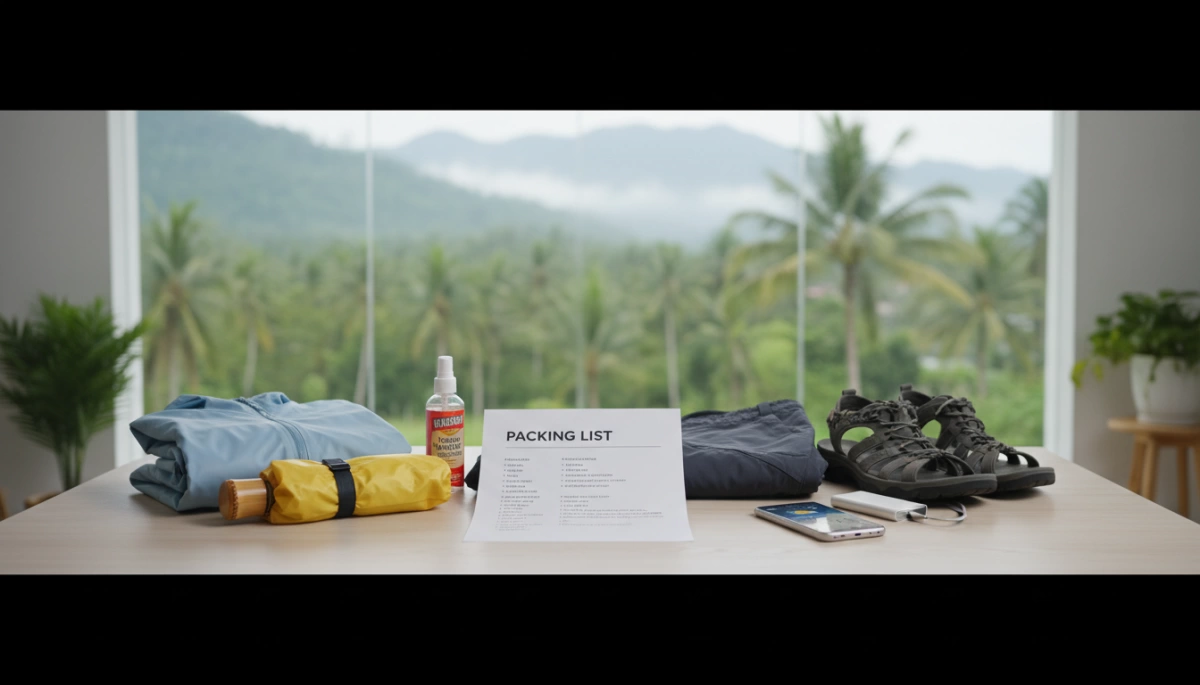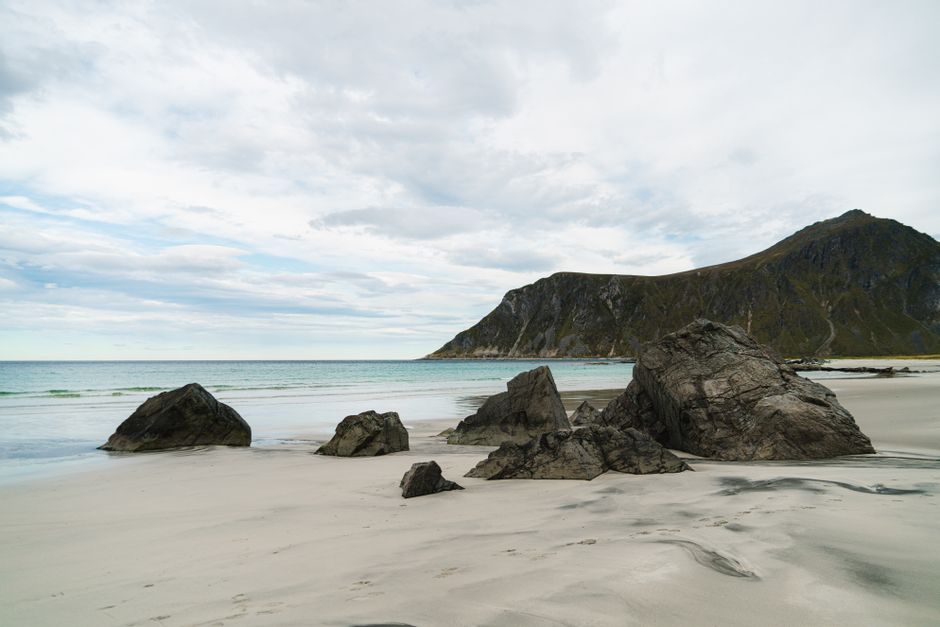
Peak season does not mean every beach is crowded from sunrise to sunset. The busiest sand usually follows a predictable pattern: easy parking, simple access, family-friendly facilities, and social media fame. Shift your timing and search beyond the obvious shore, and you can still find calm water, open sand, and a slower day.
How to Predict Beach Crowds Before You Go
The best quiet-beach strategy starts before you leave your accommodation. Do not search only for the most famous beach in a destination. Compare access points, road connections, public transport arrivals, wind direction, and the time of day when local families usually arrive. A beach that looks busy at noon may feel almost empty at 7:30 in the morning.
Use timing patterns instead of beach popularity
Most peak-season beaches have three crowd peaks. The first begins around 10 a.m., when day-trippers arrive. The second runs from noon through mid-afternoon, when visitors stay longest. The third appears near sunset at beaches known for views, restaurants, or easy parking. The quietest useful window is often the first two hours after sunrise or the final two hours before dusk, provided the beach remains safe and accessible.
Read access clues before committing
| Clue | Likely crowd pattern | Best response |
|---|---|---|
| Large car park beside the sand | Busy from mid-morning | Arrive before 8 a.m. or choose a walking route |
| One narrow access trail | Quiet but slower to reach | Carry water and allow 30 to 60 minutes |
| Frequent bus or ferry arrivals | Short crowd surges after each arrival | Check the timetable and visit between services |
| Popular sunset viewpoint | Quiet in the morning, busy late | Use it for an early swim instead |
Check recent map photos and local weather updates, but treat online crowd reports as clues rather than guarantees. A quiet report from last week may not reflect a holiday weekend, a heatwave, or a local festival.
The Best Quiet-Beach Strategy Uses an Early, Flexible Base
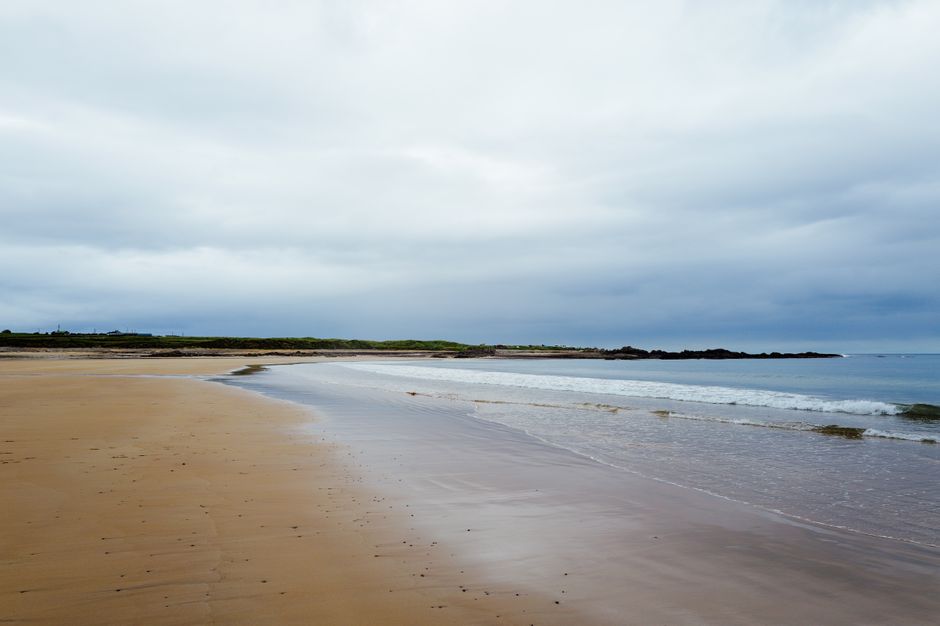
Start with one convenient base, then move toward the least convenient beach that still fits your safety limits. This approach works better than changing accommodation every night or driving blindly along the coast. Keep your first choice, second choice, and weather backup within the same general area.
Choose a base near several different coastlines
A useful base gives you at least three options: a sheltered cove for windy days, an exposed beach for calm mornings, and a town beach for supplies or an easy afternoon. This matters because wind can transform a peaceful beach into an uncomfortable one. A flexible base also lets you leave before the main traffic builds instead of spending the day trapped on one crowded road.
Build a two-window beach day
- Morning window: Reach the beach between 7 a.m. and 8:30 a.m., swim or walk before the first large arrivals, and leave when the main car park begins to fill.
- Middle window: Use the busiest hours for a market, shaded village walk, museum, lunch away from the waterfront, or a rest at your accommodation.
- Backup window: If cloud, wind, or road traffic changes the plan, choose a short coastal walk rather than forcing a long beach visit.
The verdict is simple: early access beats secret-location hunting. Leave the most exposed or remote options for clear, stable weather. Never trade an empty shoreline for a dangerous swim, an unstable cliff path, or a return journey after dark.
A Three-Day Itinerary for Finding a Quiet Beach
A quiet-beach trip works best when each day has a different job. Day one gathers information. Day two uses the best conditions. Day three keeps the plan flexible. This prevents the common mistake of spending the entire holiday chasing a beach that looked perfect in one photograph.
Day two: use the best weather window
Choose the beach that matches the morning conditions, not the one with the strongest reputation. A sheltered cove may be comfortable when the wind blows from the open sea. A west-facing beach may be calmer early but busier later. Arrive with enough time to enjoy the place before the crowd pattern changes. Pack the essentials you need for several hours so you do not lose the quiet window by returning to town.
Leave before the beach reaches its social peak. This is the key move. A quiet morning can turn noisy quickly once umbrellas, paddleboards, music, and group lunches appear. Use the afternoon for a shaded route, a local meal, or a second short stop at a different shoreline.
Day three: take the less convenient route
Use the final day for the beach that requires a longer walk, a short local bus ride, or a footpath from a secondary village. Set a firm turnaround time and download the route before leaving. Tell someone where you are going if the path is remote.
This itinerary has a clear advantage: it treats quiet as a pattern, not a lucky discovery. By the third day, you know the traffic rhythm, wind direction, local advice, and beaches that fill first. That information is more valuable than a single perfect photograph.
Common Mistakes That Turn a Quiet Beach Into a Crowded Day
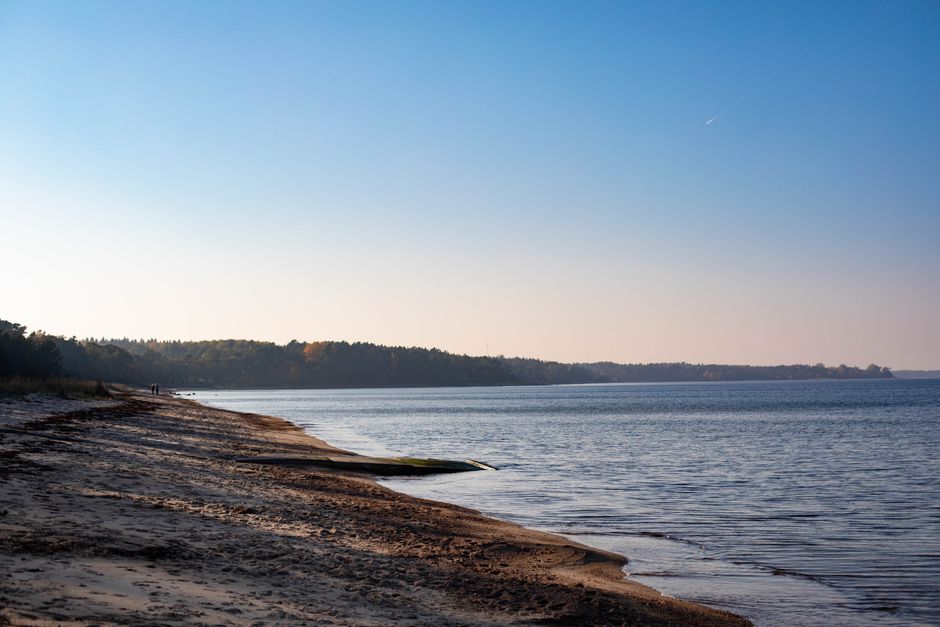
The most avoidable errors are small. They add up to a late arrival, a difficult return, or a beach that no longer feels peaceful.
1. Arriving at the advertised “best time”
Travel guides often recommend late morning because the light is bright and the water looks attractive in photographs. That is also when most visitors arrive. For quiet conditions, aim earlier and accept softer light, cooler sand, and a shorter swimming window.
2. Following the first map result
The top map result usually reflects popularity and review volume, not calm. Open several nearby beaches and compare access, shade, road width, and recent comments. A beach with fewer reviews may be less crowded because it is harder to reach, not because it is worse.
3. Ignoring the return journey
A remote beach is not a good choice if the path becomes confusing, the last bus leaves early, or the road is unsafe after dark. Check the return route before swimming. Leave enough daylight for the slowest person in your group, not the fastest.
4. Chasing total emptiness
A completely deserted beach can signal strong currents, falling rocks, poor access, lack of lifeguards, or protected habitat. Choose quiet with visible safety information and a practical exit. The best beach is not always the emptiest one. It is the one that gives you space without creating a new problem.
Keep one easy backup nearby. Flexibility protects the day better than stubbornness.
Quiet Beach Questions Travelers Ask
Are weekdays always quieter than weekends?
No, but they usually give you more control. A weekday can still be crowded during school holidays, local festivals, or a heatwave. The strongest combination is a weekday morning outside the main holiday period. If you must travel on a weekend, choose the earliest safe arrival and avoid beaches beside large parking areas.
Can a popular beach still be worth visiting?
Yes. Visit it early, walk away from the main entrance, and leave before the midday rush. Popular beaches often have the best safety information, transport, and facilities. They are a strong choice for a short morning swim, especially when remote access would add risk.
The most reliable formula is not a secret location. It is an early start, a second option, a checked return route, and the willingness to leave when the crowd arrives.