The Golden Rules of Monsoon Packing
Traveling Southeast Asia during the rainy season throws unique challenges your way. You want to stay comfortable without hauling a suitcase full of wet clothes or soggy gear. The key? Smart packing that handles heat, humidity, and downpours like a pro. Here are the golden rules you need to follow.
Rule #1: Fabric Matters
When it comes to monsoon travel tips, choosing the right fabric is your starting point. Tropical packing lists always recommend breathable, lightweight materials. Think natural fibers like cotton or linen—they let your skin breathe and keep you cool. But avoid thick cotton that stays damp forever. Instead, opt for loose-weave cotton or moisture-wicking fabrics that pull sweat away from your skin.
Rule #2: Quick-Dry is King
Nothing kills your vibe faster than wet clothes drying slowly in humid weather. Quick-dry travel clothing is a must-have. These fabrics, often synthetic blends or treated natural fibers, evaporate moisture fast so you can pack fewer items and stay fresh. Whether it’s shirts, shorts, or socks, prioritize quick-dry options to beat the Southeast Asia weather patterns.
Rule #3: Waterproof vs. Water-Resistant
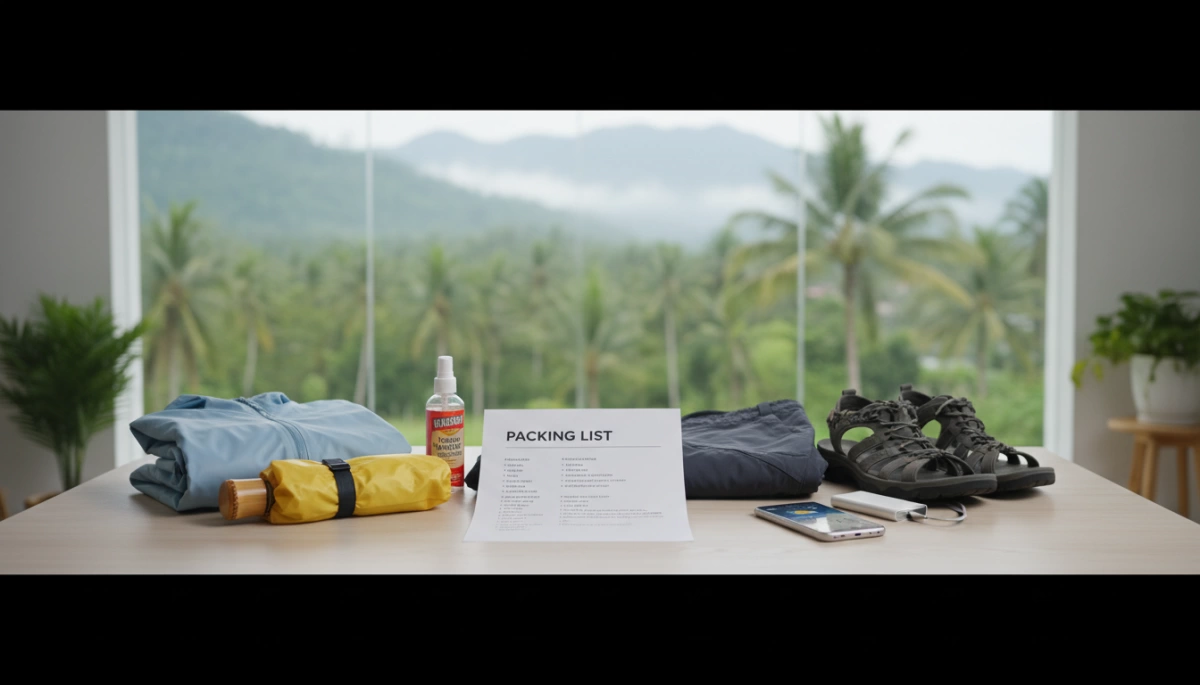
Understanding this difference can save you from soggy surprises. Waterproof gear, like a lightweight rain jacket made with sealed seams, keeps you dry in heavy rain. Water-resistant items resist light drizzle but won’t hold up in a downpour. For monsoon season, invest in at least one reliable waterproof outer layer. You can pair it with water-resistant pieces for versatility during lighter rain spells.
By following these packing principles—choosing the right fabric, embracing quick-dry clothing, and understanding waterproof ratings—you’ll stay comfortable and ready, no matter how intense the monsoon gets.
Clothing: What to Wear When It’s Hot and Wet
Dressing for Southeast Asia’s rainy season means balancing comfort in the heat with staying dry. Here’s how to pick the best clothes for hot and wet conditions.
Tops
Choose lightweight, moisture-wicking fabrics that breathe well to keep sweat and rain off your skin. Quick-dry travel clothing like polyester or nylon blends work great. Avoid heavy cotton, which stays wet and uncomfortable. Look for shirts with ventilation or mesh panels to boost airflow and prevent overheating.
Bottoms
Go for shorts or lightweight trousers made from quick-dry, breathable fabrics. Convertible pants are a practical choice—easy to remove legs when it’s hot, but giving you coverage when needed. Avoid denim or heavy materials that hold moisture and add weight. Many travelers prefer zip-off trekking pants with moisture-wicking properties for adventures.
The Outer Layer: Poncho vs. Rain Jacket
When it comes to outerwear, the choice is usually between a poncho and a lightweight rain jacket.
- Poncho: Great for packing small and throwing over backpacks or multiple layers. It offers wide coverage but can be breezy and less fitted, which sometimes causes flapping in wind.
- Rain Jacket: A breathable rain jacket with waterproof or at least water-resistant fabric and ventilation zips is ideal for active days. Look for one with a hood and adjustable cuffs to keep water out while allowing airflow.
Breathable rain gear is key to avoiding that clammy feeling while contending with tropical rain. Consider layering a quick-dry base under a lightweight rain jacket for the best mix of comfort and protection.
For a practical tropical packing list that fits monsoon travel tips, prioritize moisture-wicking fabrics, quick-dry travel clothing, and dependable breathable rain gear. This setup helps you stay comfortable by day and protected from sudden downpours.
To see inspiring looks for tropical climates, check out these beautiful highlights from Southeast Asia weather patterns.
Footwear: The Most Critical Choice
Choosing the right footwear is essential when packing for the rainy season in Southeast Asia. The combination of wet conditions, humidity, and slippery terrain means your shoes need to be functional, comfortable, and quick-drying.
Walking Around Town
For urban exploring, pick lightweight, breathable shoes that handle sudden downpours without soaking your feet. Waterproof sneakers or slip-on shoes with good grip and moisture-wicking insoles are ideal. Avoid heavy boots that trap moisture and take forever to dry. Trekking sandals with sturdy soles can also work well if you prefer open footwear — just make sure they have anti-slip features.
Trekking and Adventures
If your itinerary includes trekking or jungle adventures, your footwear needs to be more robust. Go for quick-dry hiking shoes or trekking sandals specifically designed for wet, muddy trails. Look for features like drainage holes and breathable mesh to prevent blisters and avoid soggy feet. Many travelers swear by breathable rain gear and anti-chafe balm to keep skin comfortable in humid conditions. Also, ensure your shoes have excellent traction to prevent slips on slippery rocks or roots.
Overall, investing in a pair of versatile trekking sandals plus a lightweight rain jacket can prepare you for everything Southeast Asia’s monsoon throws your way.
Pairing the right footwear with your packing list helps you stay dry, comfortable, and ready to explore every market and trail without worrying about soggy feet or blisters.
For more tips on staying comfortable in humid weather and packing smart, check out advice on breathable rain gear and quick-dry travel clothing.
Essential Gear & Accessories for the Rain
When traveling Southeast Asia during the monsoon, having the right gear can make a huge difference. Besides your quick-dry travel clothing, you need accessories that keep you comfortable and your stuff safe from heavy showers.
Protecting Your Electronics
Water and electronics don’t mix, so a waterproof dry bag is a must-have. It’s perfect for keeping your phone, camera, and chargers safe from sudden downpours or accidental splashes. Also, pack a universal travel adapter to ensure you can charge your devices anywhere, especially since power outlets can vary widely. For extra protection, use zip-lock bags or dedicated waterproof cases for smaller gadgets.
The Umbrella Debate
While many rely on lightweight rain jackets, carrying a sturdy, compact umbrella can be a lifesaver for quick stops in town or light showers. However, keep in mind that strong winds and heavy monsoon rain might make umbrellas tricky outdoors. A breathable rain jacket often works better for trekking and outdoor adventures, but having both options gives you flexibility. If you’re planning more urban exploration, an umbrella could be your go-to accessory.
Travelers who want detailed insights on packing and planning for monsoon conditions can check out this useful tropical packing list guide for Southeast Asia weather patterns and tips.
Toiletries & Health (Monsoon Specifics)
During the rainy season in Southeast Asia, your toiletries and health essentials need some extra thought. High humidity and frequent rain increase the risk of fungal infections and mosquito bites, so packing right is crucial.
Here’s what to include:
- DEET mosquito repellent: Mosquitoes thrive in the monsoon, so bring a strong repellent with DEET to protect against dengue and malaria.
- Anti-chafe balm: Humidity and wet clothes cause skin irritation, especially in thighs and underarms. An anti-chafe balm can help prevent discomfort.
- Moisture-wicking toiletries: Use travel wipes and quick-dry towels to stay fresh despite constant humidity.
- Mold prevention: Quickly dry your toiletries and store them in breathable pouches to avoid mold buildup inside your luggage.
- Basic first-aid: Keep antiseptic cream, band-aids, and medication for diarrhea or stomach issues common with monsoon travel.
- Humidity hair care: Pack lightweight leave-in conditioners or anti-frizz serum to manage hair affected by damp weather.
Don’t forget a universal travel adapter if you rely on electric grooming tools, as Southeast Asia’s plugs may differ.
By preparing with these monsoon-specific health and toiletry items, you’ll stay comfortable and safe, even in the most tropical Southeast Asia weather patterns.
For more travel tips to handle tricky weather, check out helpful advice on visiting harder Kulm ever.
What NOT to Pack
When preparing your packing list for rainy season travel in Southeast Asia, knowing what not to bring is just as important as what you do pack. Avoid items that add bulk or get ruined easily in humidity and heavy rains.
Skip heavy cotton and non-breathable fabrics. These hold moisture, dry slowly, and leave you uncomfortable in the sticky monsoon weather. Instead, focus on quick-dry travel clothing and moisture-wicking fabrics.
Leave bulky shoes behind. Heavy boots soak up water and take forever to dry. Opt for lightweight trekking sandals or breathable rain gear footwear that drains quickly.
Avoid regular backpacks or non-waterproof bags. They’re a magnet for water damage. Instead, use a waterproof dry bag or pack rain covers to protect your gear and keep mold prevention luggage top of mind.
Don’t carry too many toiletries or cosmetics that spoil in humidity. Stick to travel-sized essentials and include DEET mosquito repellent and anti-chafe balm to tackle typical monsoon season challenges.
Heavy books or paper documents? They’re easy to ruin. Go digital where possible and safeguard electronics with waterproof cases to handle unexpected downpours.
By skipping these items, your tropical packing list stays light, efficient, and perfectly suited for Southeast Asia’s wettest months. If you want to dive deeper into clever packing hacks and smart gear for unpredictable weather, guidelines like the best places to see kiwi in New Zealand offer insights on packing light for nature-filled trips that also face weather challenges.
FAQs About Traveling Southeast Asia in the Rain
Traveling Southeast Asia during the rainy season raises plenty of questions. Here are some quick answers to common concerns about monsoon travel to help you prepare smartly.
Q: Will the rain ruin my trip?
Not at all! Rain often means cooler temperatures and fewer crowds. Just be ready with quick-dry travel clothing and breathable rain gear to stay comfortable despite the wet weather.
Q: What’s the best fabric for rainy season travel?
Choose moisture-wicking fabrics like nylon or polyester blends that dry fast. Avoid cotton, as it stays damp and adds to discomfort.
Q: Should I pack a heavy rain jacket or a poncho?
Lightweight rain jackets are usually better for urban and trekking adventures because they offer breathability and better protection. Ponchos are bulkier but can be handy for sudden downpours and over backpacks.
Q: How do I keep my electronics safe from moisture?
A waterproof dry bag is essential. Also, use silica gel packs inside your luggage to prevent mold and humidity damage to your devices and clothes.
Q: Are umbrellas worth carrying?
Umbrellas work well in urban areas but can be impractical during strong winds or trekking. A rain jacket is a more versatile option for varied Southeast Asia weather patterns.
Q: What footwear should I bring?
Bring trekking sandals for adventures and waterproof shoes for city walks. Quick-dry, slip-resistant footwear helps prevent blisters and keeps your feet dry.
Q: How do I protect myself from insects in the monsoon?
Use DEET mosquito repellent and consider packing anti-chafe balm to avoid irritation if you’re active outdoors. Clothing with built-in insect protection adds extra safety.
Q: Any tips for hair and skincare?
Humidity hair care products help manage frizz, and lightweight, non-greasy moisturizers keep your skin healthy. Always carry a microfiber travel towel to dry off quickly after rain or showers.
Addressing these points helps you enjoy Southeast Asia despite the rain, making the monsoon travel experience hassle-free and enjoyable. For more practical travel tips outside of Southeast Asia, check out suggestions like visiting Castlepoint in New Zealand to compare climates and packing ideas.