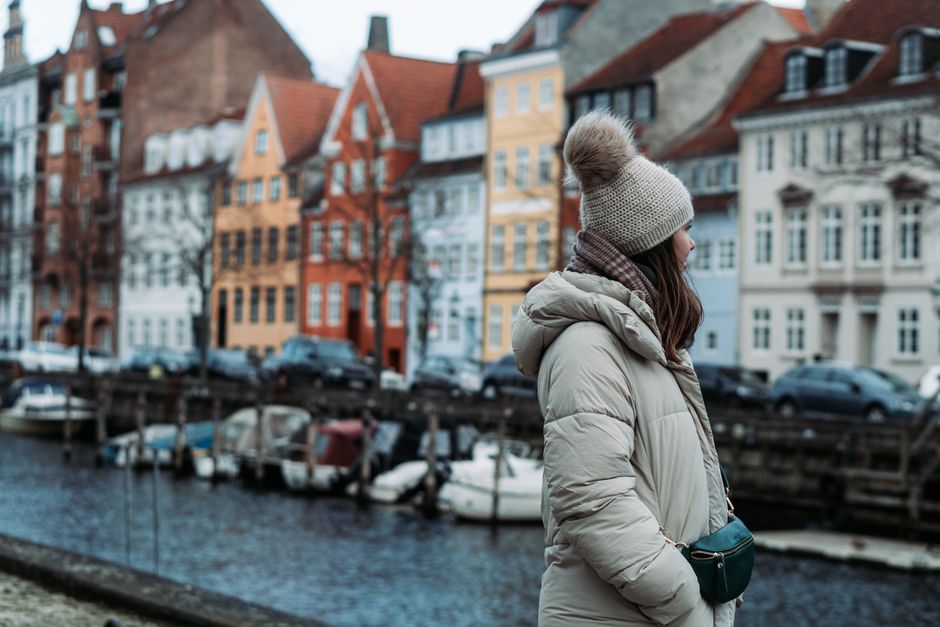
A cold city break is often won or lost by your shoes, not your coat: wet feet can end a walking day long before your torso feels cold. Pack for movement, changing indoor temperatures, and real weather rather than a perfect winter photograph. The goal is a small bag that lets you walk, eat, use public transport, and stay outside without constantly returning to your room.
Build a Layering System, Not a Bulky Suitcase
The best cold-weather packing strategy is three useful layers, not one enormous coat. A base layer moves moisture away from your skin. A middle layer holds warm air. An outer layer blocks wind and rain. This system works better than a single thick garment because you can remove one layer inside a heated museum or restaurant.
Start with the layer closest to your skin
Pack two or three long-sleeved base layers made from merino wool or a quick-drying synthetic fabric. Cotton is a poor choice for long outdoor walks because it absorbs sweat and stays damp. Choose a close fit without making the fabric tight across your shoulders. A base layer should sit under your normal clothes without creating folds that rub.
Keep the middle layer flexible
Bring one warm jumper or fleece and one lighter insulating layer. A thin layer gives you more control than a huge sweater. Add a windproof and water-resistant outer layer that reaches below your hips. Then pack a hat, gloves, and neck covering where you can reach them quickly. Those small items often make a bigger difference than adding another shirt.
Choose Clothes for Walking, Not Hotel Photos
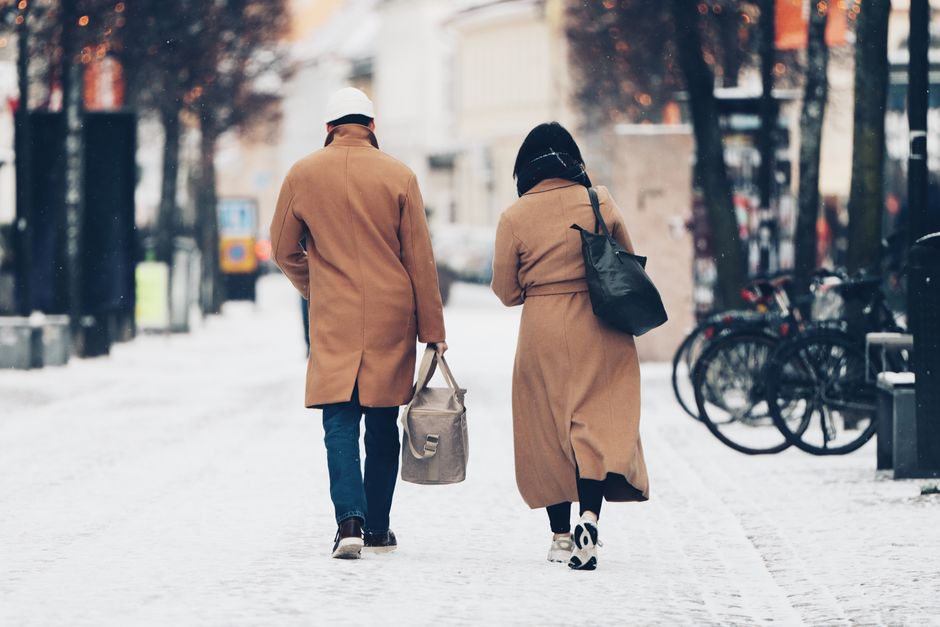
Cold-weather city breaks are active trips disguised as relaxing weekends. A typical day may include a train platform, forty minutes on foot, a market queue, a museum with strong heating, and an evening walk beside the river. Clothes that look perfect in a hotel mirror can become uncomfortable after six hours outside.
Use the two-bottom rule
For a three- or four-day trip, pack two pairs of trousers or other comfortable walking bottoms. Wear the heavier pair during travel. Choose one pair that dries quickly and one pair that works for a restaurant or evening performance. Avoid packing a different outfit for every day. Winter clothes take up too much space, and most city activities do not require a formal dress code.
Give your feet a clear job
Wear shoes with firm soles, enough room for warm socks, and reliable grip on wet paving. Test them on stairs before travelling. Smooth fashion soles are a poor match for slush, polished stone, and steep streets. Pack two or three pairs of socks, including one thicker pair for the coldest day. If your feet run cold, carry a spare pair in a small dry bag and change them at lunch.
Pack for indoor heat as well
A scarf can go into a pocket. A fleece can fit in a day bag. A coat that cannot open easily will make indoor stops sweaty and annoying. The winner is the outfit that still works after five minutes outside and thirty minutes inside.
Use a Three-Day Cold-City Packing List
Start with this compact list, then adjust it for the forecast and the city’s activities. The list is deliberately boring. Boring works when the same clothes handle a train journey, a walking tour, and dinner.
- One windproof, water-resistant coat worn on the journey.
- Two or three long-sleeved base layers.
- One warm jumper or fleece.
- Two pairs of comfortable trousers or walking bottoms.
- Three pairs of socks, including one warm pair.
- Four sets of underwear plus one spare set.
- One pair of weather-ready walking shoes.
- A hat, gloves, and neck covering.
- Compact sleepwear that can also work as indoor lounge clothing.
- A small day bag with a water bottle, tissues, phone charger, and spare socks.
Do not pack an entire second wardrobe. Pack one outfit that looks presentable, then make it work with different layers. Roll soft items, fold structured pieces, and keep anything needed during the journey near the top. Put gloves and a hat in an outside pocket. Searching for them beside a tram stop is exactly the kind of small problem that makes a short trip feel badly planned.
Plan Your Days Around Light, Wind, and Indoor Heat
A winter itinerary should follow the day’s conditions. Put exposed viewpoints and long outdoor walks in the brighter part of the day. Save museums, food halls, historic interiors, and cafés for the coldest or wettest period. This simple change reduces the amount of time you spend standing still in bad weather.
| Time | Best plan |
|---|---|
| 08:00–10:00 | Breakfast, local market, or short neighbourhood walk |
| 10:00–13:00 | Main walking route, viewpoint, or outdoor landmark |
| 13:00–15:00 | Lunch and an indoor attraction |
| 17:00 onward | Dinner, performance, or short evening walk |
Look at temperature, wind, precipitation, and daylight separately. A calm 2°C afternoon may feel manageable, while a wet, windy 6°C evening can feel miserable. Local weather apps often show gusts and hourly rain more clearly than a single daily temperature. That information should decide your route, not just your coat.
What Should You Wear on Travel Day?

Should you wear the bulkiest clothes?
Yes, but only the pieces you can tolerate for several hours. Wear the coat and walking shoes that take the most space in your bag. Keep the middle layer removable. Do not wear every warm item at once just to save luggage space; overheated trains and airports make that plan uncomfortable.
Should you pack an umbrella?
Pack a small umbrella only if the destination usually has light rain and calm streets. Strong wind, sleet, and crowded pavements make umbrellas awkward. A hooded outer layer is the better choice for exposed waterfronts, narrow lanes, and public transport. If you do bring an umbrella, keep it in an outer pocket rather than buried under clothing.
What belongs in the day bag?
Carry gloves, a hat, tissues, water, a charger, and one spare pair of socks. Add a small bag for damp items. Keep your phone in an inside pocket because cold can drain its battery faster. The day bag should be light enough to carry for several hours. A heavy bag will make you shorten the walking routes you planned to enjoy.
Avoid the Packing Mistakes That Ruin City Breaks
Most bad winter trips do not fail because the traveller forgot one clever item. They fail because the bag contains the wrong priorities. Fix these problems before leaving.
- Taking new shoes on the trip: New footwear can cause blisters within an hour. Wear your chosen shoes on several ordinary walks first.
- Packing only one warm top: A warm jumper can become damp from rain, sweat, or a spilled drink. Bring a second lighter layer instead of relying on one hero garment.
- Ignoring wet weather: Cold rain reaches cuffs, collars, and trouser hems. Check that your outer layer covers those points and that your shoes can handle puddles.
- Choosing style over grip: Smooth soles are dangerous on wet stone and icy paths. A city break involves more uneven surfaces than a hotel-to-taxi weekend.
- Forgetting indoor temperature changes: Heavy fixed layers become uncomfortable in heated buildings. Wear clothes you can remove quickly.
- Planning too many outdoor stops: Winter daylight is limited, and people walk more slowly in poor weather. Group nearby sights together and leave space for warm indoor breaks.
- Overpacking emergency clothing: Three coats and five jumpers will not make a trip safer. One dependable outer layer, two useful middle layers, and dry socks solve more real problems.
The clearest rule is simple: pack for the worst ordinary day, not a dramatic storm. If the forecast shows severe weather, change the itinerary instead of trying to defeat it with luggage.
Make Room for Local Weather and Local Habits
Cold-weather cities do not all feel cold in the same way. A northern city may have dry air and sharp wind. A coastal city may feel colder because damp air reaches every gap in your clothing. A city with frequent snow may have clear pavements but messy slush near crossings. Your packing should respond to the local pattern.
Expect practical changes on the ground
Snow and rain can close walking routes, delay buses, and make outdoor viewpoints less enjoyable. Museums and cafés may fill quickly when the weather turns. Keep one indoor backup near each major outdoor plan. Check transport before leaving breakfast, especially if your route crosses a bridge, climbs steep streets, or depends on a seasonal service.
Respect local indoor customs
Some places expect guests to remove wet outerwear before entering a small restaurant, gallery, or home. A compact day bag makes this easier. Do not leave dripping gloves on a heated radiator without asking. Keep your coat folded rather than spread across a chair. These small habits help you move through local spaces without looking like you are setting up camp.
Pack less, observe more, and let the city set the pace. The best cold-weather city breaks will keep rewarding travellers who treat winter as a change in rhythm rather than a problem to overpower. As travel planning gets more responsive to hourly weather and local conditions, the smartest packing list will become shorter, more flexible, and much more specific to the streets ahead.