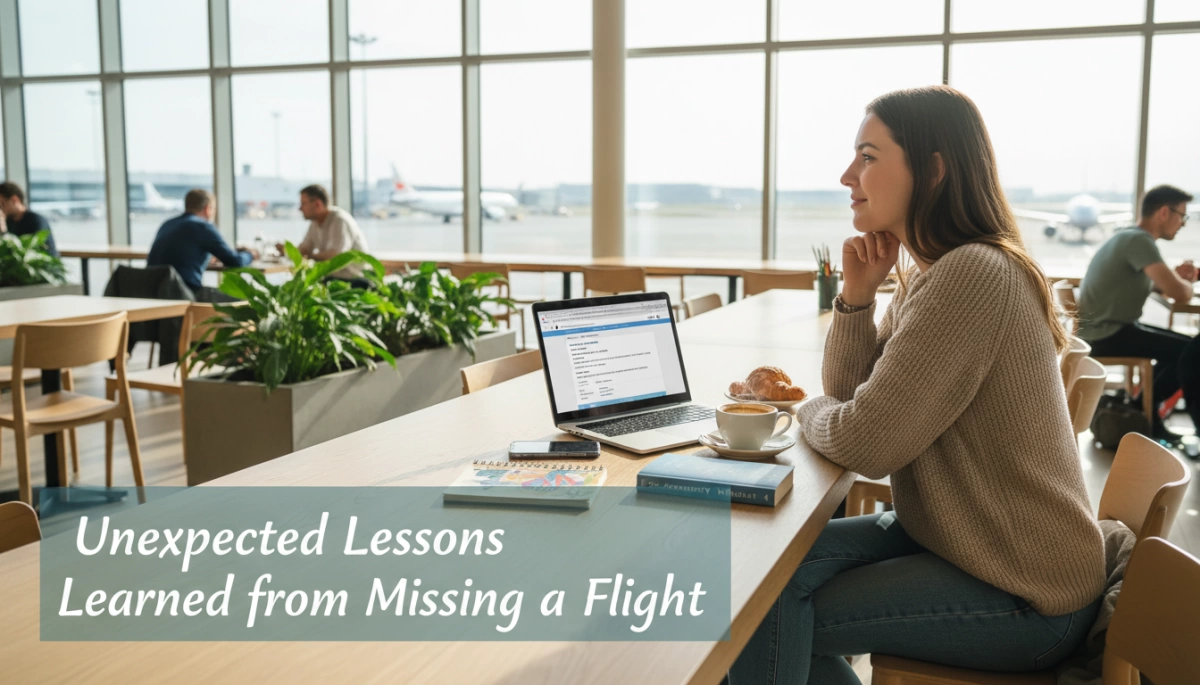
Lesson 1: The Illusion of Control (And the Power of Surrender)
The Psychology of Travel
When we travel, we often believe we hold all the cards—every detail under control from packing to catching the flight. This mindset is comforting but can also set us up for frustration. The truth? Airports and flights are unpredictable environments. Delays, cancellations, or missed connections aren’t just possible—they’re expected sometimes.
The Reality Check
Missing a flight shatters this illusion of control fast. No matter how meticulously you plan, unforeseen events like long TSA security delays or sudden gate changes can disrupt your schedule. I’ve been there too—clutching hope while watching minutes slip away and realising that anxiety won’t speed things up.
The Takeaway: Managing vs Accepting
Here’s the lesson I learned: you can control your preparation, but you can’t control everything that happens. The key is shifting from managing every detail to accepting when things go off-script. This acceptance isn’t defeat—it’s powerful. It reduces travel anxiety, lets you think clearly in a crisis, and opens the door to unexpected opportunities, like airport layover adventures or finding new routes through standby flight lists.
Remember: Surrendering control feels uncomfortable but embracing it often leads to better coping with travel mishaps and ultimately a smoother journey.
Lesson 2: The ‘Buffer Zone’ is Non-Negotiable
One of the biggest mistakes travelers make is falling into the optimistic mindset that everything will go smoothly. We often underestimate how long it takes to get through security, navigate busy terminals, or handle unexpected delays. This overconfidence can lead to missed flights and a lot of unnecessary stress.
To avoid this, building a solid buffer zone into your travel schedule is essential. For international flights, the golden rule is to arrive at the airport at least three hours before departure. This margin accounts for security checks, potential lines, and any last-minute changes—because Murphy’s Law almost always applies to travel logistics.
Being realistic about timing helps reduce travel anxiety and gives you space to handle surprises like traffic or TSA security delay management without panic. This simple adjustment can save you from the frustration of scrambling at the last minute and keeps your trip on track, even when things don’t go as planned. For more ways to build calm and control in your travels, check out tips on managing travel anxiety and mishaps.
Lesson 3: Kindness is Your Best Currency
When you miss a flight, your first instinct might be frustration or anger, especially when dealing with gate agents and airline staff. But here’s a surprising truth from travel mishaps: empathy often opens doors that frustration can’t. Airline customer service negotiation works best when you treat staff as allies, not adversaries.
Gate agents face constant pressure and strict airline policies, which limits their flexibility. Approaching them with kindness and understanding can transform a tense encounter into a helpful conversation. When you show respect, they’re more likely to go the extra mile to help you rebook or find standby flight options.
Remember, your attitude can influence how airline staff respond, affecting your chances of timely solutions. So, next time you face airport stress or travel anxiety, focus on being calm and cooperative. It’s a simple but powerful way to navigate travel mishaps effectively.
For tips on managing airport stress and understanding your rights with airline rebooking policies, check out this guide on how to stay safe while travelling.
Lesson 4: The Fine Print Matters (Financial Literacy in Travel)
One of the biggest surprises when missing a flight is realizing how much the fine print in your ticket and insurance policies actually matters. Basic Economy fares often come with strict limits—no changes, no refunds, and sometimes no seat assignments until check-in. Knowing these boundaries upfront helps you avoid unexpected fees or total loss of your ticket.
Travel insurance is a lifesaver before any crisis hits. It can cover missed flights, trip cancellations, and sometimes even last-minute hotel bookings. But not all plans are created equal—understanding what your policy covers is crucial to making a timely claim.
Actionable Advice:
- Credit Card Travel Protections: Many credit cards include travel protections like trip delay or cancellation coverage. Check your card’s benefits before your trip to maximize refunds or reimbursements.
- Cancellation vs Missed Flight Refunds: Canceling in advance usually offers better refund options than missing a flight outright. Airlines may treat no-shows differently, so reading their rebooking and refund policies is key to saving money.
Mastering this financial literacy in travel prevents stress and lost funds, helping you focus on solving problems instead of worrying over costs. For more tips on managing travel mishaps and claims, you might find useful insights on handling travel anxiety in real situations at this travel anxiety and coping guide.
Lesson 5: The Joy of the Unexpected Layover (Serendipity)
When your flight gets missed, it’s easy to feel trapped by the delay. But reframing this wait as an opportunity opens the door to unexpected joy. Consider layovers not just as downtime but as a chance for mini-adventures. Sometimes, stepping outside the airport can lead to discovering new neighborhoods, local eats, or hidden gems nearby. These unscripted travel moments add a layer of richness that planned itineraries often miss.
Exploring outside the airport during a layover transforms what could have been travel anxiety into refreshment and curiosity. Even a short walk can shift your mindset from frustration to fascination. Embracing these pauses nurtures a slow travel mindset, reminding you that travel isn’t just about arriving—it’s about experiencing. For ideas on making the most of your journey, consider tips from a slow travel experience in rural Taiwan, where unexpected stops turn into memorable stories.
So, next time you face an unforeseen layover, dive into the adventure. The world sometimes offers the best surprises when you least expect them.
Lesson 6: Resilience and Problem-Solving Under Pressure
Missing a flight can trigger panic, but shifting from stress to clear-headed logic is key. When faced with this travel mishap, resilience becomes your greatest asset.
Switching from Panic to Logic
Instead of spiraling into anxiety, take a deep breath and focus on practical solutions. Panic only clouds judgment, while a calm mindset opens pathways to fix the situation.
Immediate Steps to Take
- Finding Alternative Flights: Use airline apps or websites first to check for standby options, rebooking policies, or later flights. Online tools are faster than waiting in lines and often show more options.
- Using Apps vs Lines: Apps often provide instant access to rebooking and real-time updates while airport staff may be overwhelmed. Make use of airline customer service chat or apps for quicker solutions.
- Booking Nearby Hotels: If the alternative flight isn’t until the next day, swiftly look for last-minute hotel bookings near the airport to rest and avoid added stress.
Personal Growth in Crisis Handling
Each travel hiccup teaches better
Lesson 7: The World Doesn’t End When You Stop Moving
Missing a flight can feel like the end of the world, but it’s really just a bump in your travel journey. Arriving late isn’t the end — it’s a reminder to slow down and reset. Travel anxiety tips often stress the importance of managing your mindset, and this is a perfect example. Instead of rushing or panicking, use the extra time to rest or reflect.
Remember, the destination will still be there when you get there. Sometimes, this pause can give you a fresh perspective or even reveal hidden gems around the airport or city. If you find yourself with unexpected layover time, consider turning it into a mini-adventure—there’s value in embracing slow travel mindset as part of your resilience in travel mishaps.
This shift in attitude helps reduce stress and keeps your trip enjoyable despite delays. If you want ideas for making the most of unexpected stops, check out how to spend one day in Piha — sometimes the best travel moments happen when plans change.
How to ‘Miss-Proof’ Your Next Trip: Practical Checklist
Missing a flight teaches you fast how to better prepare next time. Here’s a simple checklist to help you avoid travel mishaps and reduce travel anxiety:
- Download Your Airline’s App: Stay updated with real-time gate changes, rebooking options, and flight status. Airlines often send critical alerts here first, so having the app gives you a shortcut in managing unexpected delays or cancellations.
- Pre-book TSA PreCheck or Global Entry: Speed through security lines to avoid TSA security delay management headaches. This little step saves precious minutes and lessens stress, especially during tight connecting flight buffer times.
- Avoid Booking the Last Flight of the Day: Flights late in the day leave no wiggle room for delays or missed connections. If you must, plan extra buffer time or be ready to handle last-minute hotel booking if things go sideways.
- Pack a Carry-on Survival Kit: Always have essentials like a phone charger, a change of clothes, and basic toiletries packed in your carry-on. This way, if your checked luggage gets delayed or you face a long airport layover adventure, you stay comfortable and ready.
This straightforward approach supports travel resilience and better coping with travel mishaps. For more packing tips that keep you prepared without the bulk, check out advice on how to pack like a celebrity for maximum efficiency and convenience.
By following this checklist, you’re not just managing travel — you’re mastering it, minimizing risks from missed flights, and embracing a slow travel mindset that values ease over rush.