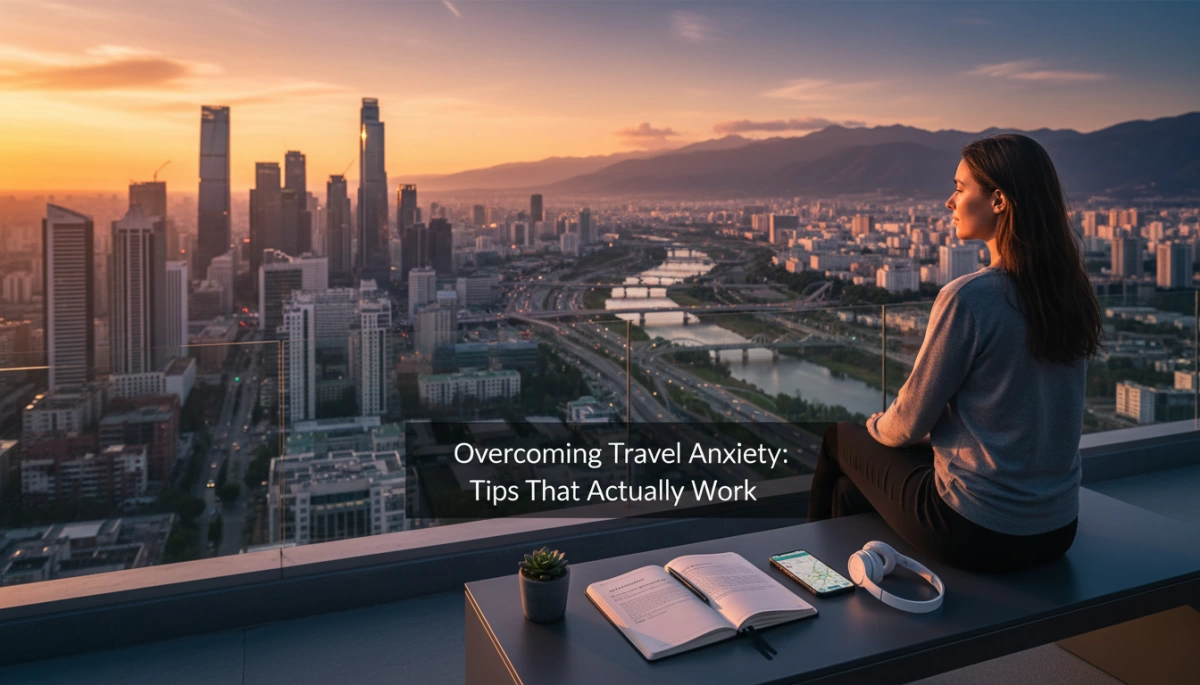
Overcoming travel anxiety isn’t about magically erasing fear—it’s about taking control so your trip doesn’t control you. If the thought of packing your bags or boarding a plane sends your heart racing, you’re not alone. Travel anxiety is real, and it affects even the most seasoned explorers. But here’s the truth: you can manage those nerves with strategies that actually work. This guide cuts through the fluff and gives you actionable tips to prepare, pack, and travel with confidence. Ready to turn your “what ifs” into “I did it”? Let’s dive in.
Understanding the Beast: What is Travel Anxiety?
Travel anxiety, sometimes called hodophobia, is a real and common struggle for many people. It’s more than just feeling nervous before a trip—it can involve intense fear, panic attacks while traveling, or a deep fear of leaving home. You might find yourself overwhelmed by pre-travel jitters or stuck worrying about every “what if” moment. This fear can show up as vacation anxiety symptoms like rapid heartbeat, sweating, or feeling dizzy.
Common triggers include crowded airports, unfamiliar environments, or the stress of transit and flying. For some, it’s solo travel anxiety—being away from their comfort zone alone. Others get overwhelmed by the thought of packing, delays, or even making travel arrangements.
The goal? It’s not to erase anxiety completely—that’s unrealistic. Instead, it’s about learning how to travel with anxiety in a way that feels manageable and even empowering. By recognizing what sets off your fear and using proven travel stress management techniques, you can shift from dread to confidence. You’ll start to see that traveling, even with anxiety, is possible—and can even become something you look forward to.
Phase 1: The Psychology of Preparation (Pre-Trip)
Before you even pack a bag, understanding what sets off your travel anxiety is crucial. Start by identifying your specific triggers—these might be crowded airports, fear of flying, or even the worry of leaving your comfort zone (a common issue known as hodophobia). When you know what causes your panic attacks while traveling, you can prepare targeted strategies to manage them.
Next up, create an “anxiety-proof” itinerary. Keep your schedule realistic and flexible. Avoid cramming too many activities back-to-back. Allocate downtime to recharge and reduce travel stress management. For example, if you’re heading to a new destination and unsure about busy transport hubs, check if there are less hectic options or off-peak travel times. If you want a relaxing alternative to hectic airports, consider luxury train journeys that offer a calmer travel experience and plenty of comfort.
Another powerful tool is visualizing the journey. Spend time imagining each step of your travel plan—from packing and leaving home to arriving at your destination. Visualization helps reduce pre-travel jitters and calms nerves by creating a mental rehearsal of a smooth trip. Combine this with grounding techniques for anxiety, like deep breathing or mindfulness, to build confidence even before you start your journey.
By preparing mentally and practically in this pre-trip phase, you’re setting yourself up to travel with anxiety in a way that feels manageable and even empowering.
Phase 2: Packing for Peace of Mind
Packing can either make travel anxiety worse or help keep it in check. One of the best ways to ease pre-travel jitters is by preparing a “What If” kit—a small bag with essentials that tackle common travel stressors and panic attacks while traveling.
The “What If” Kit Essentials:
- Noise-cancelling headphones or earplugs to block out overwhelming airport sounds
- Favorite calming scents like lavender or eucalyptus in a rollerball
- Healthy snacks and water to avoid low blood sugar, which can trigger anxiety
- A cozy travel pillow or a familiar item from home
- Basic medications or travel anxiety medication if prescribed
- Grounding tools like stress balls or a soft fidget toy
- Copies of travel insurance for mental health coverage
Having these ready in a carry-on bag reduces distractions and provides comfort when anxiety flares up.
Organizing to Reduce Cognitive Load
Trying to remember everything while stressed heightens nervous flyer remedies’ effectiveness. Start by packing light and smart. Organize your clothes and items by day or activity.
- Use packing cubes to separate outfits
- Keep important documents in one easy-to-access pouch
- Lay out items a day before to avoid last-minute rushing
Streamlining this process helps keep your mind clear, saving energy for actually enjoying the trip. For those curious about packing smart, check out how to pack light like a pro to stay calm and ready.
By preparing this way, you reduce the chaos and maintain a sense of control over your journey, which is crucial for managing vacation anxiety symptoms effectively.
Phase 3: Surviving Departure Day (Transit & Flying)
Departure day is often the toughest for anyone dealing with travel anxiety, especially when facing airport overstimulation and flight nerves. The sights, sounds, and crowds can trigger panic attacks while traveling if you’re not prepared.
Managing Airport Overstimulation:
- Arrive early: Give yourself plenty of time to avoid rushing, which can heighten stress.
- Find quiet spots: Most airports have lounges or less crowded areas—use these to ground yourself.
- Use grounding techniques for anxiety: Simple actions like focusing on your breath, feeling the texture of an object, or listening to calming music help reduce overstimulation.
- Keep distractions handy: Audiobooks or podcasts can divert your mind from stressful surroundings.
- Stay hydrated and snack smart: Avoid too much caffeine or sugar that can spike anxiety.
In-Flight Coping Mechanisms:
- Seat choice matters: If possible, pick a seat that feels safest, like by the aisle for easier movement or the window for a distraction.
- Controlled breathing: Practice slow, deep breaths to calm panic symptoms.
- Bring your “what if” kit: Items like noise-cancelling headphones, a comforting neck pillow, or travel anxiety medication prescribed by your doctor can make a big difference.
- Mental distractions: Use meditation apps or focus on a TV show or movie to keep your mind busy.
- Communicate: Let the flight attendants know if you feel anxious—they are often trained to help nervous flyers.
Managing this phase well turns travel anxiety from a roadblock to something manageable, letting you focus on the adventure ahead rather than the fear of leaving home. If you want to test these strategies in a day trip scenario, try a low-stress destination like Piha with its relaxing beaches, which can help build confidence for longer travels.
Phase 4: You’ve Arrived—Now What?
The First 24 Hours Rule
The first day at your destination can make or break your travel anxiety. It’s normal to feel overwhelmed after the hustle of transit and flying. The “First 24 Hours Rule” means giving yourself permission to take it slow—stick to light activities, stay hydrated, and avoid overloading your schedule. Accepting this downtime helps ease vacation anxiety symptoms and sets a calm tone for the rest of your trip.
Establishing a Routine
Creating a simple, familiar routine soon after arrival helps ground you and reduces travel stress management challenges. Even small rituals, like a morning coffee at a local café or a brief walk, serve as anchors. This sense of normalcy combats fears like hodophobia—fear of leaving home—and solo travel anxiety, making you feel more in control.
Managing “Mid-Trip Meltdowns”
It’s not unusual for anxiety to resurface mid-trip. When that happens, using grounding techniques for anxiety—like deep breathing, mindfulness, or focusing on your senses—can be lifesavers. Remember, it’s okay to take breaks, find quiet spots, or even reach out for professional help if panic attacks while traveling hit hard. Keeping travel anxiety medication handy (if prescribed) may also provide comfort.
By focusing on these strategies during your stay, you transform the unknown into a manageable adventure. For more calming travel experiences, exploring wellness retreats focused on relaxation might be worth considering before or after your journey. Check out immersive options like this community-led wellness retreat for inspiration and support.
Lifestyle Adjustments That Support Travel
When managing travel anxiety, small lifestyle changes make a big difference. Paying attention to your diet and sleep can significantly ease vacation anxiety symptoms and keep panic attacks while traveling at bay.
Diet and Sleep
- Eat Balanced Meals: Stick to nourishing foods that fuel your body and mind. Avoid excessive caffeine or sugar, which can worsen anxiety.
- Stay Hydrated: Dehydration can increase stress levels and fatigue, so keep water handy throughout your trip.
- Consistent Sleep Schedule: Try to maintain regular sleep patterns, even when crossing time zones. Good sleep supports emotional resilience and reduces travel stress.
- Mindful Eating: Eating slowly and avoiding heavy meals before flying can help minimize nausea and anxiety.
Professional Help
If travel anxiety keeps you from enjoying your trips, consider seeking professional help. Therapies like CBT for travel anxiety have been proven effective in dealing with fear of leaving home and nervous flyer remedies. In some cases, travel anxiety medication prescribed by a healthcare provider can offer relief.
Don’t hesitate to reach out to a therapist who specializes in anxiety or hodophobia. With the right support and tools, you can gradually expand your comfort zone and take control over pre-travel jitters.
For a deeper look at how small habits impact travel, check out my insights on travel regrets and lessons learned that shaped more confident travel experiences.