A family camping trip in Europe works best when the route stays simple, the driving days stay short and every outdoor plan has a weather backup. The goal is not to collect the most countries; it is to give children enough time to settle into each place, play outside and enjoy the journey.
Which European camping route suits your family?
Choose one region before choosing individual stops
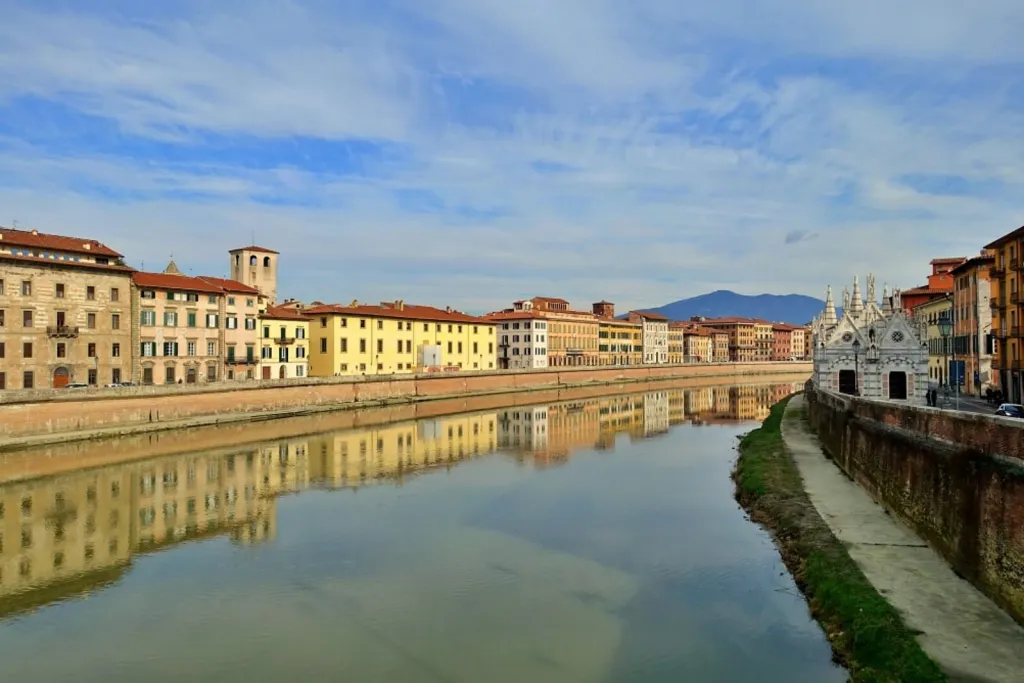
Start with one region that can support a complete holiday. Northern Italy, the French Alps, Slovenia, coastal Croatia, southern Sweden and northern Spain can all provide a mix of campsites, swimming areas, walks, villages and easy day trips. A route that crosses five borders may look impressive on a map, but it often creates more packing, more traffic stress and less time outdoors.
For a first trip, plan two or three bases over seven to ten nights. Give the first base three nights, the second base three or four nights and the final base two or three nights. This rhythm reduces the number of times children have to pack up a sleeping bag, find a toilet block and adjust to a new campsite.
Match the landscape to the children, not the postcard
Older children may prefer cycling trails, canoe routes, climbing areas or a campsite with organized activities.
Use a realistic route shape
| Trip style | Best for | Suggested base pattern | Main risk |
|---|---|---|---|
| Lake and village loop | Mixed ages and first-time campers | Three lakeside or riverside bases | Rain can reduce swimming days |
| Mountain and valley trip | Active families with older children | Two valleys and one lower-altitude town | Weather can close high trails |
| Coastal camping route | Families who want beach time | Two coastal bases and one inland stop | Traffic and crowded roads |
| Forest and outdoor adventure | Families who enjoy cycling and walking | Two forest areas with a town break | Fewer indoor options in poor weather |
Best first-trip choice: a lake, river or coastal route with two long stays and one short transfer. It gives children variety without turning the holiday into a daily relocation exercise.
How do you build a seven-day camping itinerary?
Use the first day to arrive, not to perform
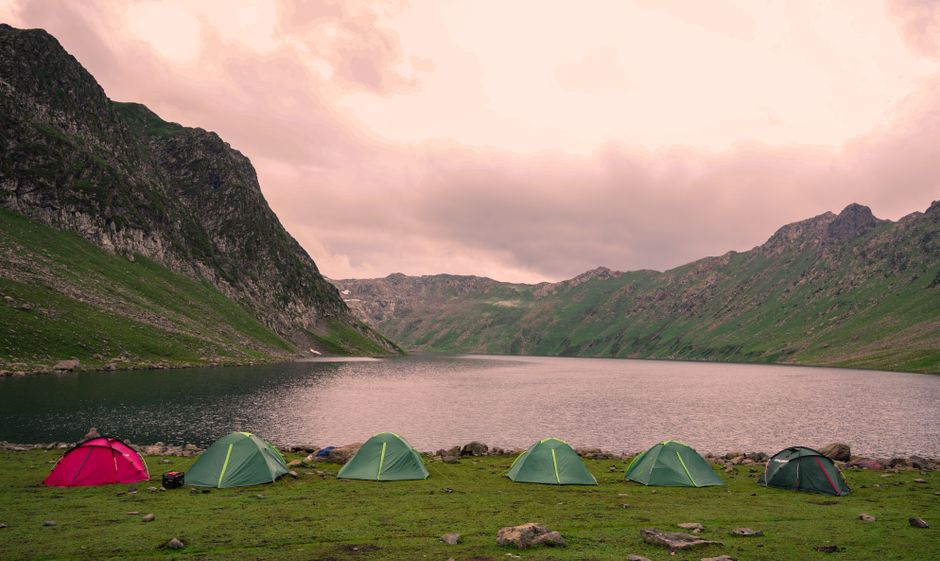
- Day one: Travel to the first campsite, set up before dark and walk around the local area. Keep dinner simple. Nobody needs a major attraction after a long drive or flight.
- Day two: Stay close to camp. Swim, explore a short trail, visit the playground or walk into the nearest village. This quiet day helps children recover from travel.
- Day three: Choose one main outing. Leave enough time for a slow lunch and an early return if the weather changes.
- Day four: Move to the second base after breakfast. Keep the transfer under three hours when possible, with one planned stop rather than several improvised ones.
- Day five: Pick an activity that needs energy, such as cycling, canoeing or a longer family walk. Check the return route before setting out.
- Day six: Plan a local culture day. Visit a market, old town, farm, small museum or food hall. Children often remember these ordinary encounters more clearly than famous landmarks.
- Day seven: Leave room for the weather. Repeat a favorite activity, take a short walk or pack slowly for the journey home.
Build each day around one anchor
An anchor is the one activity that gives the day shape. It could be a boat crossing, a castle visit, a swim in a lake or a walk to a waterfall. Add no more than one major activity around it. Campsite chores, meals, traffic, laundry and tired legs fill the remaining hours faster than a route planner suggests.
Keep a bad-weather version of every day
A covered market, public swimming pool, local library, train ride to a nearby town or indoor food market can rescue the day. Ask the campsite office for ideas because staff usually know which attractions remain practical after a storm.
The strongest itinerary has empty space. That space is where children find sticks, make friends, watch birds, help cook and decide that a stream beside the campsite is more interesting than the attraction adults planned six weeks earlier.
What should you check before booking a campsite?
Read the practical details, not only the scenery description
A site can be beautiful and still be awkward for a family if the pitch sits beside a busy road or the toilets require a long walk at night.
Look for a current site map, recent guest information and clear arrival instructions. Map photographs can hide steep paths, narrow entrances and pitches separated from the main facilities. If a campsite does not explain its rules, send a short message before booking. Ask about late arrivals, local fire restrictions, waste sorting and the safest place for children to play.
Check the local rules for camping and fires
Do not assume that a quiet field or forest edge allows overnight camping. Wild camping rules differ across countries and may also change between national parks, beaches, private land and protected areas. Use official park or local authority information when checking permissions. Fire rules can change during hot, dry weather, and some campsites allow cooking only in fixed areas.
These checks matter because a family needs certainty at the end of a long travel day. A surprise ban, closed mountain road or missing water source can turn a relaxed plan into a late-night search for another site.
Plan the journey around breaks and border checks
Set a maximum driving period for each transfer and mark toilets, food stops and fuel locations before departure. In some areas, tunnels, mountain roads and ferry crossings create delays that do not appear in a simple distance calculation. Border controls, road toll systems and vehicle documents also vary, so check current government guidance for every country on the route.
Save the address of each campsite in the local language. A phone may lose signal just when the family needs the final turn.
Clear verdict: choose the campsite with the best combination of access, safe play space and dependable facilities, even if another site has the more dramatic view.
What does camping with children really feel like?
Expect slower mornings
Camping with children is rarely an efficient hotel routine. Breakfast takes longer, shoes disappear, wet towels need somewhere to dry and somebody will want to inspect a beetle before leaving for the day. That slower pace is part of the value, but a family should plan around it instead of treating it as a problem to defeat.
Give children useful jobs
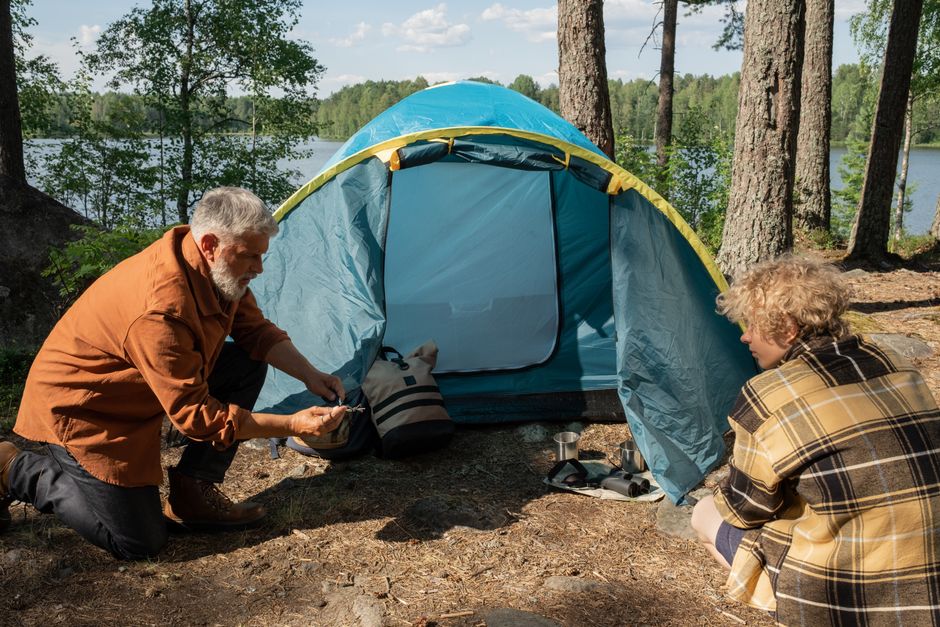
Children can help carry light items, sort rubbish, check the weather, fill water bottles or choose the walking snack. Small jobs make the campsite feel like a shared home rather than an outdoor waiting room. Adults still need to check safety, food storage and cooking equipment, but children can own simple parts of the routine.
Expect dirt, noise, changing appetites and at least one plan that fails. A clear campsite boundary, a warm clothing layer and a familiar bedtime item often matter more than a packed schedule. The best family camping holiday feels slightly untidy, but nobody feels rushed from breakfast to bedtime.
Which family camping mistakes cause the most trouble?
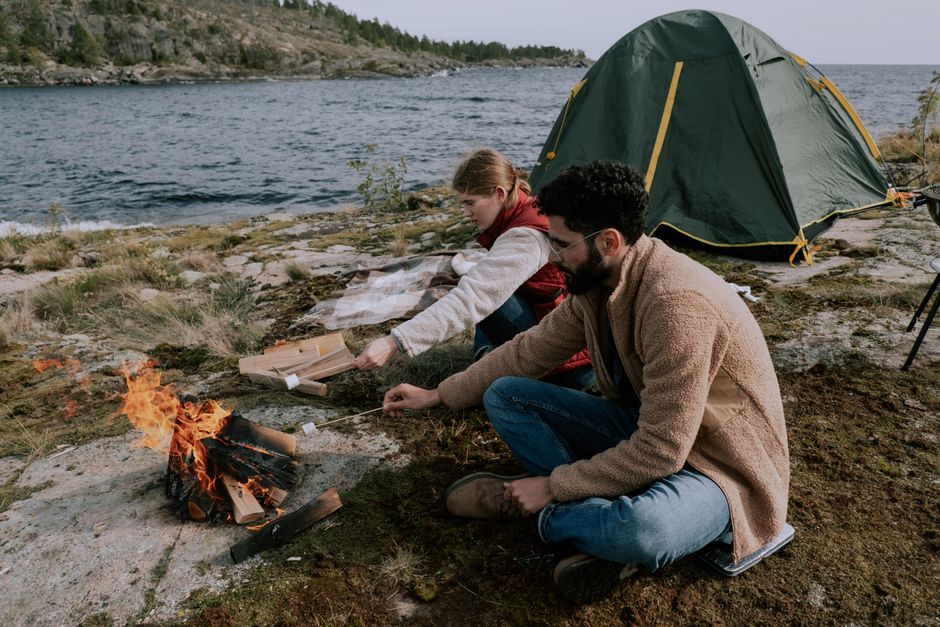
Mistakes to avoid before departure
- Too many destinations: Moving every night creates work without adding much experience. Use longer stays and treat travel days as part of the holiday.
- Ignoring weather patterns: Mountain rain, coastal wind and summer heat can change a day completely. Check the forecast each morning and keep one indoor or low-level option ready.
- Assuming a campsite provides everything: Confirm drinking water, cooking areas, bedding rules, electrical access, food storage and waste arrangements before arrival.
- Distance on a map is not the same as convenience.
- Leaving no recovery time: Children become tired after travel even when they seem excited. A quiet afternoon can prevent a difficult evening.
- Relying on a phone signal: Download maps, booking details and emergency information before entering rural or mountainous areas.
Know when camping is the wrong choice
Do not force a camping trip if the family strongly dislikes shared facilities, outdoor sleeping, uncertain weather or daily setup tasks. A rented cabin, small apartment or farm stay can preserve the outdoor route while removing the hardest parts. That is not a failed camping holiday; it is a better match between the trip and the people taking it.
Camping also deserves a rethink during extreme heat, wildfire restrictions, severe storms or a period when one family member needs predictable indoor facilities. Flexibility protects the trip. The reservation should serve the family, not control it.
Use a simple decision rule
If a campsite creates more than one serious problem in access, safety, weather exposure and basic comfort, keep searching. A beautiful setting cannot repair a bad route, and a full schedule cannot compensate for exhausted children.
Family camping in Europe: questions families ask
How many nights should a family stay in one place?
Three nights is a useful minimum for most family bases. The first day covers arrival and setup, the second gives time to explore, and the third allows a proper outing or a weather recovery day.