The best way to travel comfortably in summer heat is to move early, rest during the hottest hours, and plan outdoor sightseeing in short blocks. A good hot-weather trip is not a race through every landmark. It is a rhythm: explore before the streets heat up, eat and rest in the middle of the day, then go out again when the light softens.
Build your itinerary around the hottest hours
Start with the weather, not with a list of attractions. In many warm destinations, temperatures rise sharply between late morning and mid-afternoon. Plan your most active stop before 11 a.m., reserve the hottest part of the day for shade or indoor spaces, and keep the evening flexible.
A practical heat-first schedule
| Time | Best use |
|---|---|
| 7:00–10:30 | Walking, viewpoints, open-air sites |
| 10:30–13:00 | Short transfer, market, or shaded lunch |
| 13:00–16:30 | Rest, museum, café, reading, or nap |
| 17:00–21:00 | Neighborhood walks, dinner, sunset views |
Use this pattern for a city break, beach holiday, or road trip. The exact hours may shift with sunrise, local customs, and the forecast, but the order remains effective. A short early start usually gives you more usable sightseeing time than forcing yourself through one long midday outing.
Pack for heat without carrying your whole closet
The winning packing strategy is simple: choose clothing that dries quickly, allows air to move, and covers enough skin to reduce direct sun. Loose shirts, relaxed trousers or shorts, breathable socks, and a light layer for strong indoor air conditioning are more useful than several fashionable outfits. Neutral colors also make a small wardrobe easier to combine.
Choose clothing that helps your body cool
Light colors reflect more sunlight than dark colors, while loose cuts create space between fabric and skin. A brimmed hat protects the face and neck, and sunglasses reduce glare on bright roads or water. For long walks, choose supportive footwear that you have already worn; new footwear can turn a manageable day into a painful one.
Keep the day bag practical
- Carry enough water for the next stretch, especially when fountains are rare.
- Bring a light scarf or overshirt for sun, wind, or places that require covered shoulders.
- Keep a small amount of cash, identification, and emergency contact details separate from your main wallet.
- Pack tissues, basic medication you already use, and a way to protect your phone from direct sun.
Do not fill your bag with items you might need someday. A heavy load increases fatigue and makes heat feel worse. Pack for the next six hours, not for every possible problem.
The best hot-weather travel rhythm is slower than you expect
Choose two major outdoor activities per day and treat everything else as optional. If the forecast reaches the high 30s Celsius, reduce the walking distance further and make indoor time part of the itinerary, not a sign that the day went wrong.
Hydrate and eat before the heat catches up
Thirst is a late warning, so build drinking and meal breaks into the route. Hot-weather travel also changes how food feels: a heavy lunch can make the afternoon sluggish, while a small meal with water and some salt may support a longer walk. Local food traditions often provide useful clues, from brothy dishes to fruit, yogurt, rice, and vegetables served in manageable portions.
A simple hydration routine
- Drink water with breakfast before leaving your accommodation.
- Carry water during every outdoor block and take small drinks regularly instead of waiting until you feel desperate.
- Pause in shade when you drink; cooling down and rehydrating work better together.
- Choose a proper meal after a long morning rather than replacing food with sweet drinks.
Make meals part of the itinerary
Schedule lunch somewhere with shade, airflow, or indoor seating. Ask local staff when people usually eat and follow that pattern when it helps you avoid a long exposed queue. Avoid treating alcohol as hydration, and do not use a cold drink as proof that your body has recovered if you still feel dizzy or weak.
Handle transport, queues, and landmarks with a heat plan
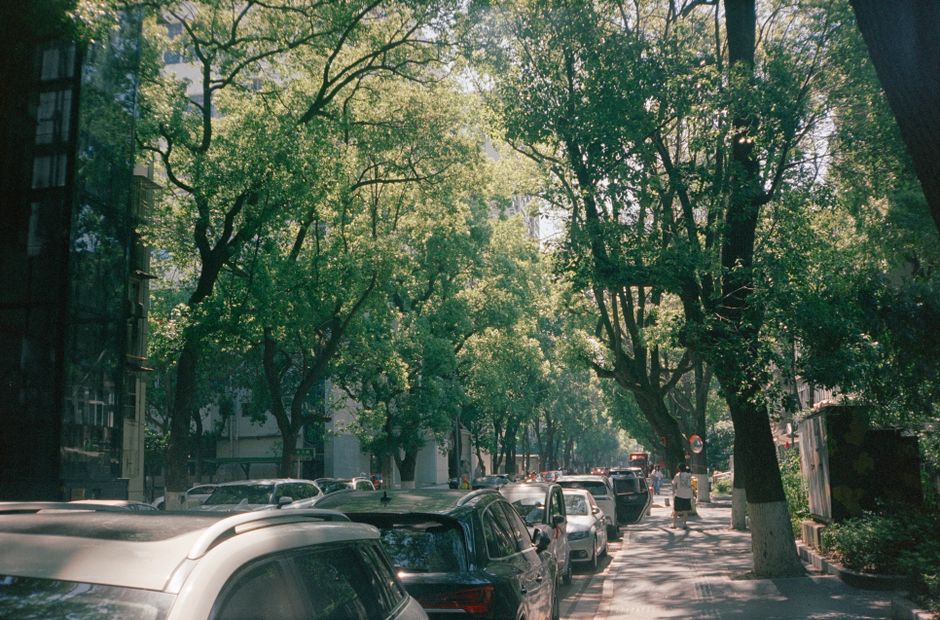
Transport can create more heat stress than sightseeing. A short walk across an open station, a long wait for a bus, or a slow security line can leave you overheated before the main activity begins. Check the route before leaving, identify shaded stops, and leave extra time so you do not have to rush between connections. The best plan includes a recovery point near every major outdoor stop: a public building, shaded square, café area, library, or quiet indoor venue.
Reduce exposed waiting time
Book timed entry when a destination offers it, but do not stack several timed visits with no gap between them. Arrive near opening when possible. If a queue is unavoidable, take turns waiting while the rest of the group stays in shade, or ask staff if a cooler waiting area exists. Families, older travelers, and anyone with a health condition should treat a long exposed queue as a reason to change the plan.
Use short walking loops
Design routes that return to a cool or shaded base every 30 to 60 minutes. A loop is safer than a one-way walk across an unfamiliar district because you can stop early without becoming stranded far from transport. Save the most exposed viewpoint for the first or last part of the day, when the light is better and the ground holds less heat.
Know when to cancel an outdoor stop
Cancel or postpone a landmark when the route offers no shade, the forecast shows extreme heat, or someone in the group has symptoms such as dizziness, confusion, faintness, or vomiting. A replacement activity can still feel local: visit a food hall, take a short neighborhood bus ride, join a morning cultural activity, or spend time in a shaded public garden. A changed plan is a successful safety decision, not a wasted day.
What local habits make hot destinations easier?
Local routines often reveal the most comfortable way to experience a destination. Ask politely, watch how residents move through the day, and treat midday quiet as useful information rather than an inconvenience.
Where should you rest when you need a break?
Look for shaded plazas, public libraries, museums, hotel lobbies open to visitors, covered arcades, and cafés with indoor seating.
What should you expect from summer evenings?
Evenings may stay warm after sunset because stone, pavement, and buildings release heat slowly. Wear light clothing, keep walking distances modest, and choose routes with trees or open air. Coastal areas can become breezy, while inland streets may remain still and hot well into the night.
Avoid the mistakes that make summer travel miserable
Common mistakes to avoid
- Starting a long walk at noon because the morning was spent getting ready.
- Booking outdoor activities on consecutive days without a recovery period.
- Assuming a breeze means the sun is harmless.
- Waiting until severe thirst, headache, or dizziness appears before taking a break.
- Leaving no time between a train, ferry, or bus arrival and a timed attraction.
- Choosing a scenic route with no shade simply because it is shorter.
When should you choose a different itinerary?
Choose a cooler destination, a shorter trip, or an indoor-focused plan when the forecast is extreme, your health makes heat risky, or the group includes travelers who cannot safely manage long exposure. Beach days also need structure: spend the brightest hours under shade, avoid strenuous activity when the water and air are both hot, and leave before fatigue turns into a problem.
The most reliable formula is early movement, midday recovery, steady hydration, and a second outing after the worst heat has passed.