The best weekend in Valencia follows a simple route: explore the historic centre early, cross the Turia Gardens on foot or by bike, then spend the second half of the trip by the sea. This order keeps the busiest walking in the cooler part of the day and leaves room for long lunches, horchata, neighbourhood wandering and a slower final morning.
What fits into a weekend in Valencia?
A two-day visit can cover Valencia’s main character without turning into a checklist. Keep the first day inside or close to Ciutat Vella, the old city, then use the second day for the gardens and coast. The plan below leaves space for pauses, which matter here: Valencians often eat late, linger over coffee and treat a walk as part of the day rather than a way to get somewhere.
| Time | Day one | Day two |
|---|---|---|
| Morning | Central Market, La Lonja and the cathedral quarter | Turia Gardens from the old riverbed toward the coast |
| Late morning | Plaza de la Virgen and the narrow streets of El Carmen | City of Arts and Sciences from the outside and surrounding paths |
| Lunch | Market snacks or a long meal in the old centre | Lunch near Cabanyal or the beachfront |
| Afternoon | Rest, then a second walk through El Carmen | Malvarrosa or Patacona beach |
| Evening | Ruzafa for dinner and a neighbourhood change of scene | Sunset by the marina or a final meal in Cabanyal |
Use public transport for the longest gaps and walk the areas between them. Valencia is flatter and more spread out than its compact historic centre suggests, so forcing every journey on foot can waste time. A practical rule is to choose one anchor for each half-day and let the streets between those anchors provide the discoveries.
Best overall verdict: stay near the old centre or Ruzafa for a first visit. You will have easier access to the main sights, better evening options and a simpler route to the Turia Gardens.
How do you use the Turia Gardens without wasting time?
The Turia Gardens are not one single park with one obvious entrance. They form a long green corridor through the city, created in the former riverbed after the Turia River was diverted. That shape explains the main planning mistake: visitors often enter at a random point, walk for a while and then turn back without understanding how the space connects the old centre to the eastern districts.
Choose a direction before you start
For a first weekend, begin near the old city and walk east. The route gradually changes from formal paths and bridges to wider lawns, sports areas, palms and the large structures around the City of Arts and Sciences. This direction makes the landscape feel like a journey rather than a park visit. Allow roughly two hours if you want to walk slowly, take photographs and stop for a drink; allow less if you are using a bicycle.
The gardens are best before the strongest afternoon heat or in the last part of the day. Wear shoes that handle paved paths and dusty edges, and carry water because shade is uneven. Cyclists should keep their speed modest near families, runners and pedestrians crossing from one side of the city to the other.
Use the bridges as navigation points
Valencia’s bridges make the gardens easy to divide into sections. The Serranos Towers mark a useful western starting point near the old centre. From there, the path passes under several historic bridges before reaching the Palau de la Música and the City of Arts and Sciences. If the full route feels too long, leave the gardens near a major road and continue by bus or metro rather than walking back against your own plan.
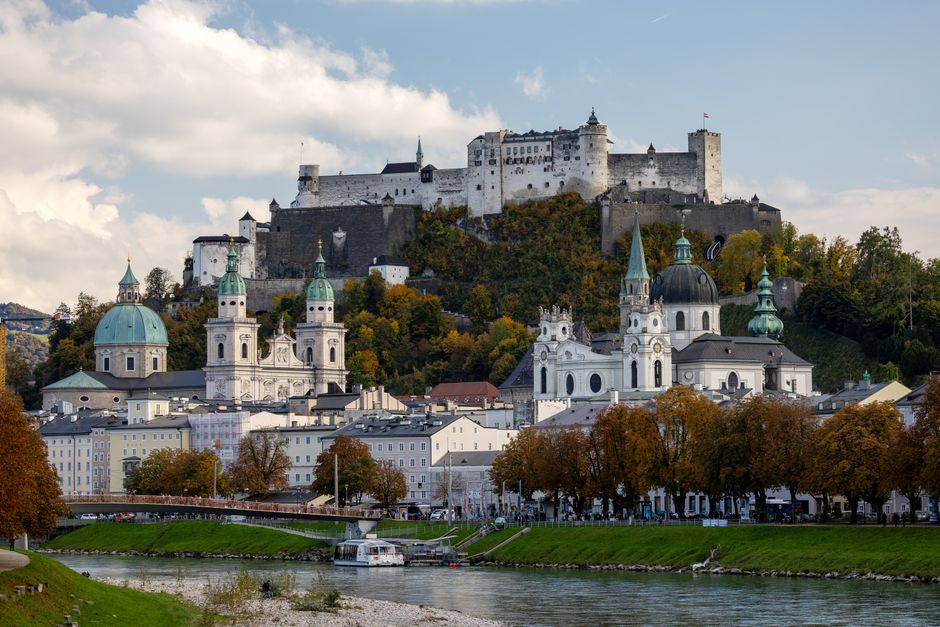
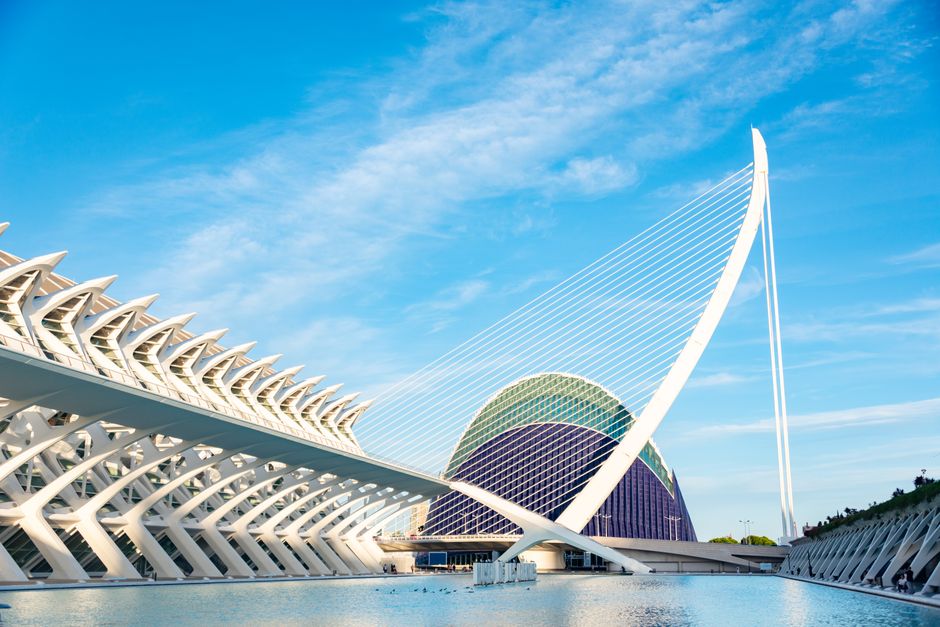
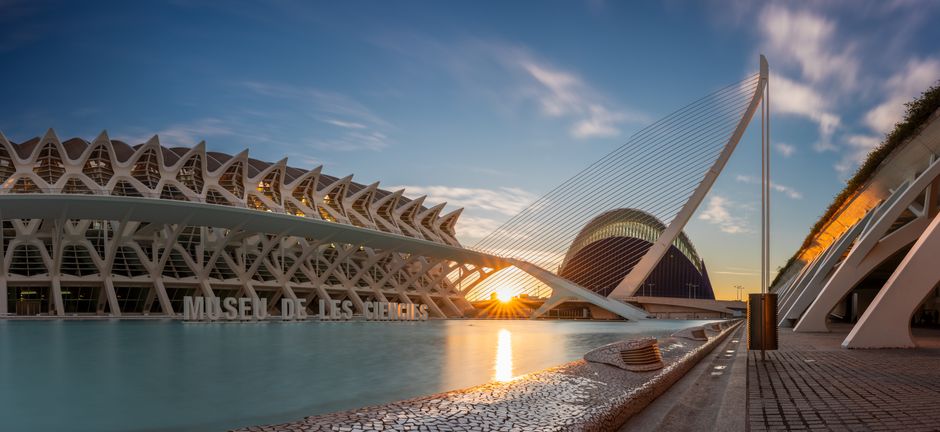
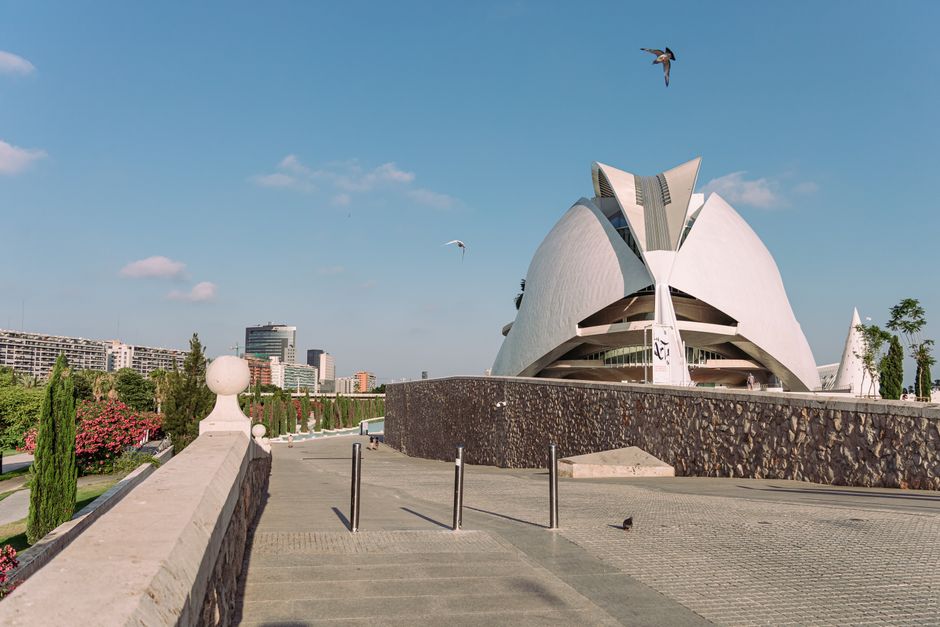
The City of Arts and Sciences works well as an exterior stop on a short trip. Its white, curved buildings create a completely different view of Valencia, but visiting every interior attraction can take most of a day. For a weekend focused on the old town, gardens and beach, the better choice is to see the complex from the surrounding paths and keep the afternoon flexible.
How do you reach Valencia’s beach and plan the coast day?
Treat the beach as a neighbourhood visit, not as an isolated strip of sand. The route from the centre passes through parts of the city that feel different from Ciutat Vella, and the most useful coastal afternoon includes Cabanyal, the marina and one beach rather than trying to cover the entire shoreline.
- Start in Cabanyal. Walk through the former fishermen’s quarter and look for tiled façades, low houses and streets that still have a local rhythm. This is a better introduction to the coast than arriving directly at the busiest beach entrance.
- Continue toward the marina. The open space makes a useful break after the tighter streets of the old centre. It is also an easy place to decide if you want a full swim, a short shoreline walk or a slower meal.
- Pick one beach. Malvarrosa is the classic choice for a broad urban beach and a long promenade. Patacona, farther north, usually feels more residential and suits visitors who want a quieter stretch without leaving the city.
- Plan around the sun. The coast has less shade than the old centre. Visit late in the afternoon if you want a walk and sunset, or go earlier if swimming is the main purpose.
- Keep dinner flexible. Beachfront restaurants are convenient, but Cabanyal often offers a more interesting evening atmosphere. A late dinner fits local habits better than trying to eat immediately after leaving the sand.
Which local habits make a Valencia weekend smoother?
The worst schedule is a continuous chain of attractions from breakfast until sunset; the better schedule has one substantial morning, a real lunch and a deliberate pause before the next neighbourhood.
Eat on the local clock
Breakfast can be simple, but lunch deserves time. Rice dishes are often shared and prepared for a group, so a restaurant may not serve them as a fast individual order. Horchata with fartons is associated with the city and works well as an afternoon stop, especially after walking through the old centre or along the gardens. Ask what the kitchen serves that day instead of assuming every menu item is available at every hour.
Read the city by its public spaces
Valencia’s plazas are part of daily life, not just scenery. Plaza de la Reina, Plaza de la Virgen and the smaller squares of El Carmen each feel different depending on the hour. Sit for ten minutes and watch how people use the space. That pause often tells you more about the city than another rushed landmark.
Carry a refillable bottle, use sun protection and keep a small layer for breezy evenings near the water. Valencia is easy to navigate, but long flat walks can still tire you because the distances look shorter on a map than they feel in heat.
If you plan to enter a church, market or historic building, check the current opening arrangements before setting out. Local schedules can change for religious services, public events or restoration work.
What can go wrong on a short Valencia trip?
Should you visit every major sight?
No. A weekend becomes weaker when every morning is spent queuing for a different interior. Pick one historic building, one market visit and one garden-to-coast route. The city is most enjoyable when the spaces between formal attractions remain part of the plan.
Is it a mistake to stay only by the beach?
For a first visit, yes. The beach gives Valencia a clear identity, but staying there makes the old town and evening neighbourhoods harder to reach. The best base is usually closer to Ciutat Vella or Ruzafa, with the coast saved for a planned half-day.
What if rain or strong heat changes the itinerary?
Move the outdoor sections instead of cancelling them. Use the old town and market during unstable weather, then shift the Turia walk or beach visit to the clearest block of the day. In extreme heat, take the gardens early and spend the afternoon resting before going out again.
What is the most common food mistake?
Ordering a famous dish at the wrong time and expecting a rushed service. Make lunch the main meal, ask about preparation times and leave room for local snacks later. Valencia’s food culture makes more sense when meals are treated as occasions, not fuel between attractions.
The finished weekend should feel varied but not frantic: stone lanes and market stalls on the first morning, green space through the centre, then open sky and sea air by the coast. That balance is the reason Valencia works so well for a short break.