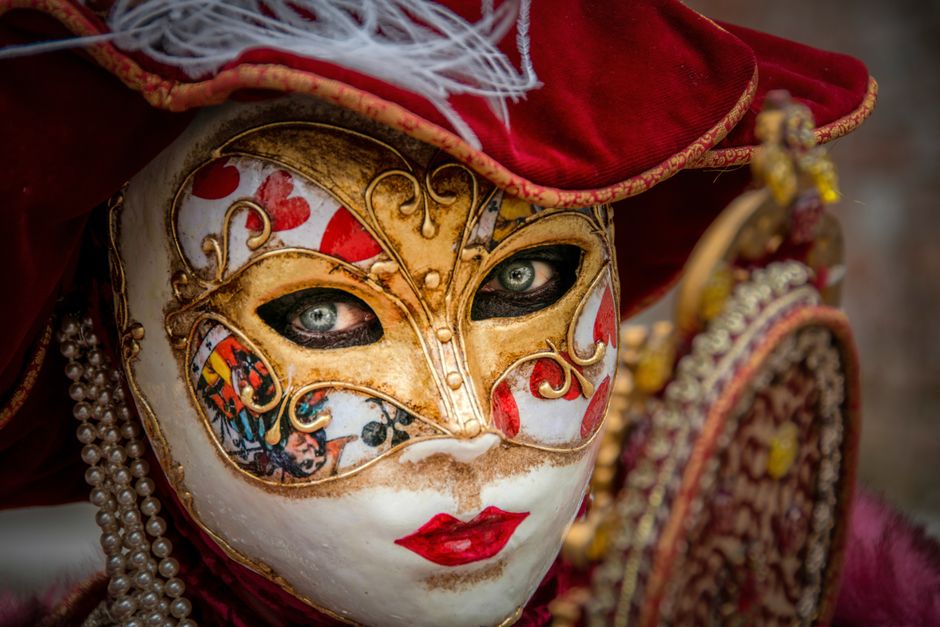
You step off the vaporetto near San Zaccaria, turn toward St Mark’s Square, and find yourself behind a wall of feathered masks, phone cameras, and capes brushing the paving stones. That first Carnival morning can feel magical or exhausting, depending on how you planned it. The best days mix one major spectacle, quiet neighborhood walks, warm food, and enough empty time to let Venice surprise you.
When should you arrive for the Venice Carnival?
The opening and closing weekends bring the strongest atmosphere, but they also bring the densest pedestrian traffic. Future dates change, so confirm the program on the official Carnival calendar before booking transport or timed events.
Choose your Carnival window
| Visit window | What to expect | Best for |
|---|---|---|
| Opening weekend | Water processions, packed streets, high energy, and the first major public shows | First-time visitors who want the biggest visual welcome |
| Early or midweek | Street performances continue, but narrow lanes feel easier to navigate | Photographers, families, and travelers who want time to explore |
| Final weekend and Shrove Tuesday | Strong costume presence, busy squares, late events, and a festive finale | Visitors focused on tradition and atmosphere |
How far ahead should you plan?
Reserve your room and arrival transport before the event calendar fills in. Then build your days around only one or two fixed moments. Trying to cross Venice for three separate events creates a bad day because a route that looks short on a map can involve bridges, bottlenecks, and a vaporetto queue. If a major show matters to you, arrive 30 to 60 minutes early and keep the rest of that day flexible. The Carnival is more enjoyable when your plan has space to absorb a delayed boat, a blocked lane, or an unexpected performance in a campo.
How to build a three-day Venice Carnival itinerary
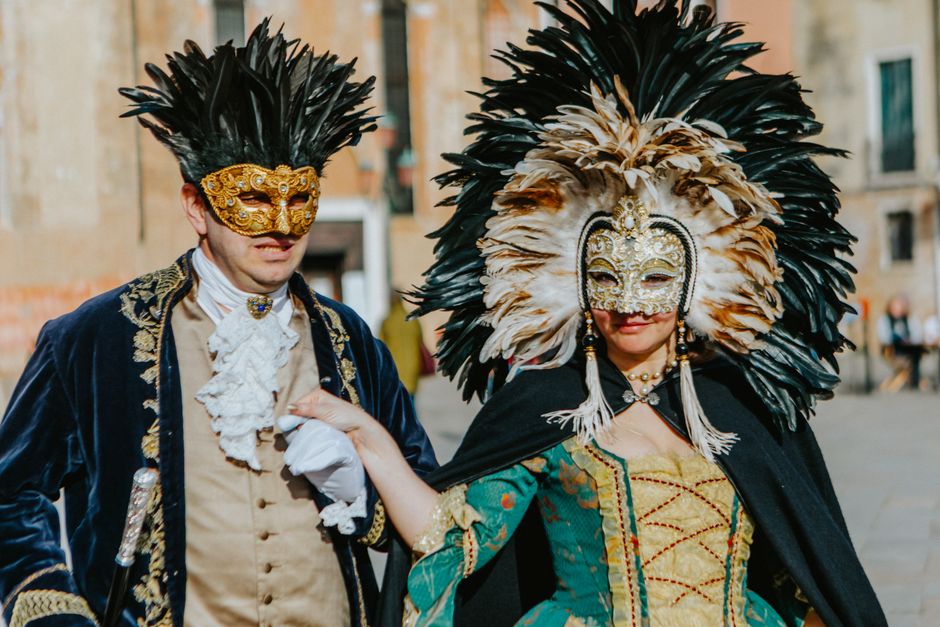
A good itinerary gives each day a different job. One day handles the famous sights, one follows the Carnival program, and one lets you see the quieter side of the city. That balance prevents the trip from becoming a long queue for photographs.
A day-by-day plan
- Day one: learn the central route. Start early around Rialto Bridge, walk through San Polo, and continue toward St Mark’s Square before the largest crowds arrive. Use the morning for the Doge’s Palace or another indoor sight, then spend the afternoon watching costumes appear around the square. At night, cross toward Castello rather than staying in the busiest central lanes.
- Day two: follow the Carnival. Pick one headline event from the official schedule, such as a water show, public performance, or costume contest. Arrive early, locate the nearest exit, and avoid planning a second event on the opposite side of the lagoon. Afterward, walk through Cannaregio, where the pace usually feels more local and the small bridges give you better breaks from the crowds.
- Day three: slow down. Visit Dorsoduro in the morning, pause near the Zattere, and take a quieter vaporetto ride along the Grand Canal later in the day. If the weather is clear, consider Murano or Giudecca, but only if you have already seen the central Carnival highlights. Your final day should not depend on a complicated connection.
The biggest Venice Carnival mistake is treating it like a normal city break
If you spend every hour in St Mark’s Square, you will see plenty of feathers and brocade while missing the rhythm that makes the festival memorable.
What the crowds change
During the busiest hours, movement becomes the main activity. A route from St Mark’s Square to Rialto can take far longer than expected because people stop in the middle of bridges for photographs. Keep to the right, avoid stopping at bridge landings, and choose a side street when a lane becomes shoulder-to-shoulder. If you are meeting someone, use a fixed landmark outside the densest zone. Mobile messages can arrive late when thousands of people are sharing the same narrow network.
The plan looks efficient on paper but leaves no margin for a pedestrian restriction or a delayed vaporetto. One fixed event per half-day is enough. The rest should be a neighborhood, a meal, and a route you can shorten.
What the weather changes
February in Venice can feel damp even when the temperature is not especially low. Wind along the Grand Canal cuts through light clothing, and stone paving stays wet after rain. High water can affect low-lying walkways, so check local notices on the morning of a long outing. Keep important documents and electronics protected, and know an indoor alternative before you leave your accommodation.
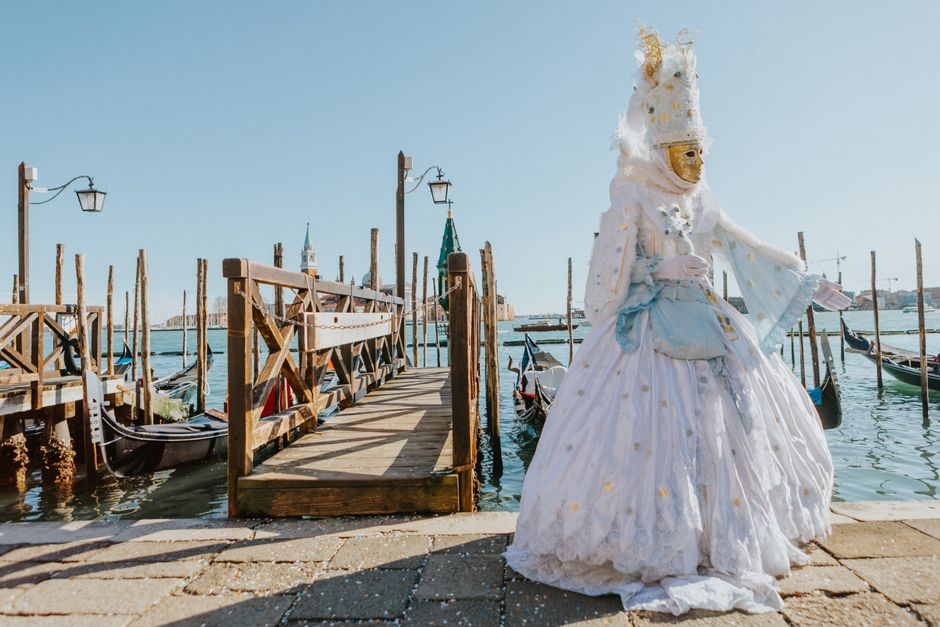
The best Carnival photographs often happen between official events: a masked visitor turning into a quiet campo, a costume reflected in a dark canal, or a group of performers warming up away from the main square. Leave room for those moments. They are usually better than forcing another landmark into the schedule.
What should you expect on the ground?
Is the Carnival only in St Mark’s Square?
No. St Mark’s Square is the visual center, but the program spreads across fields, streets, the Grand Canal, the Arsenale area, Mestre, and the islands. Public performances can appear in places you did not expect. Check the daily schedule each morning and choose one area to explore instead of chasing every listing.
What happens after dark?
Evenings vary. Some visitors attend formal dinner shows or ticketed events, while others walk through the lit streets and look for smaller performances. The city feels beautiful after dark, but the same narrow routes become harder to read. Mark your way back before leaving a familiar area, especially if you are staying outside the historic center. Vaporetto services and crowd-control measures can change, so check the evening transport information rather than relying on a plan made that morning.
What should you do if an event is full?
Do not spend the rest of the day fighting the crowd. Move one neighborhood away and look for an unscheduled performance, a church interior, or a quieter canal route. Carnival has a distributed program, so missing one stage does not mean missing the festival. The strongest backup plan is simple: choose a nearby district, find a warm place to eat, and continue on foot when the main route clears.
How do you avoid crowds and travel respectfully?
The best crowd strategy is an early start followed by a deliberate retreat. Arrive near the main areas before 9:00, take photographs without blocking bridges, and leave St Mark’s Square when the pedestrian flow becomes difficult. A respectful visit is also a better visit because costumes are worn by people, not displayed objects.
Pack for bridges and damp evenings
- Wear shoes with firm soles and enough support for repeated bridges.
- Carry a compact rain layer and one warm layer for windy waterfronts.
- Keep your phone, passport, and medication in a protected inner pocket.
- Bring a small water bottle, but avoid carrying a large bag through the busiest lanes.
- Use a simple meeting point in case your group gets separated.
Follow local etiquette
- Ask before photographing a person in costume, especially at close range.
- Do not touch masks, capes, or accessories unless the wearer invites you.
- Keep bridges and restaurant entrances clear when stopping for pictures.
- Respect temporary barriers, one-way walking routes, and staff instructions.
- Choose a quieter field for a break instead of sitting on steps or private doorways.
Venice Carnival rewards people who slow down enough to notice where the event ends and the city begins. The festival will keep changing its themes, routes, and performances, but that balance between spectacle and everyday Venice is likely to remain its lasting appeal.