On the shortest winter days, Krakow gets fewer than eight hours of daylight, with sunset arriving before many visitors have finished their afternoon plans. That single fact shapes the whole trip. A winter weekend here works best when you put outdoor sights first, leave museums and long meals for the darker hours, and accept that the city may feel cold, damp, and wonderfully quiet.
This guide is built for three days, but the plan can stretch or shrink around your arrival time. It focuses on walking routes, food, local habits, weather, and the mistakes that make a short visit feel rushed. The strongest version of Krakow in winter is not a checklist of every attraction. It is a compact rhythm: one major historic area, one warm indoor stop, one generous meal, and enough empty space to notice the city.
Is Krakow worth visiting in winter?
Yes, if you want atmosphere rather than perfect weather. Krakow is easier to appreciate in winter because its historic center is compact, its major sights sit close together, and the lower visitor numbers can make early mornings feel unusually calm. Frost on the Planty park ring, warm lights around the Main Market Square, and steam rising from a bowl of soup create a stronger sense of place than a rushed summer afternoon can deliver.
The main benefit is a slower historic center
The Old Town is small enough to explore on foot, but winter changes how you move through it. You will pause more often. A church becomes a warm refuge rather than a quick photograph. A café stop becomes part of the route instead of an afterthought. Wawel Castle, the cathedral area, and the riverside can fit into one day, yet each deserves a little breathing room.
The main drawback is limited daylight
Winter also exposes weak planning. A late start can push an outdoor route into darkness, while wet pavements and cold fingers make every detour feel longer. Some attractions change opening days or hours during the low season, so check official information shortly before visiting. Do not build the whole weekend around one place that may close early. Krakow is still worthwhile when plans move, but it rewards travelers who keep a warm indoor alternative ready.
The clear verdict is simple: choose Krakow in winter for quiet streets, culture, food, and mood; choose another season if long outdoor days and green parks matter more than the city’s winter character.
How should you plan three days in Krakow?
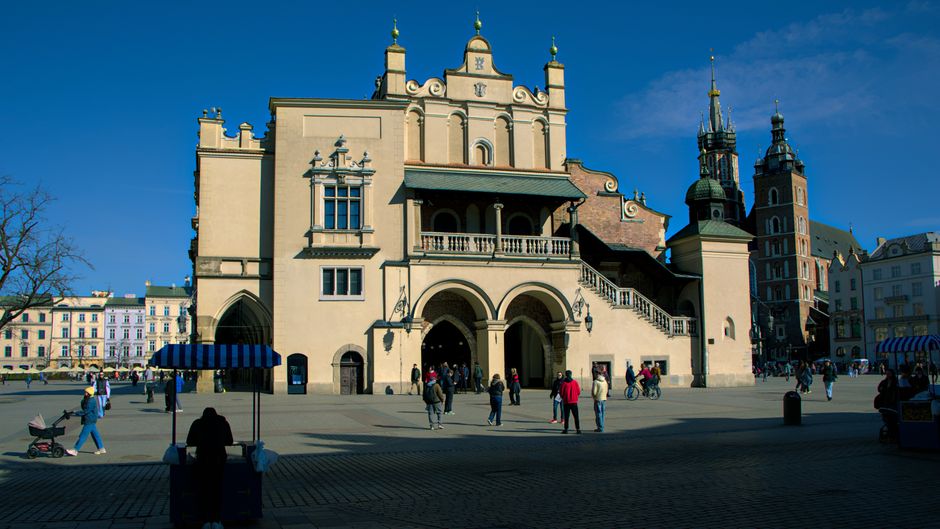
The best plan follows the light. Put the longest walking sections between late morning and mid-afternoon, then use museums, churches, food halls, and restaurants after sunset. The schedule below gives structure without turning the weekend into a race.
A practical winter itinerary
| Day | Morning | Afternoon | Evening |
|---|---|---|---|
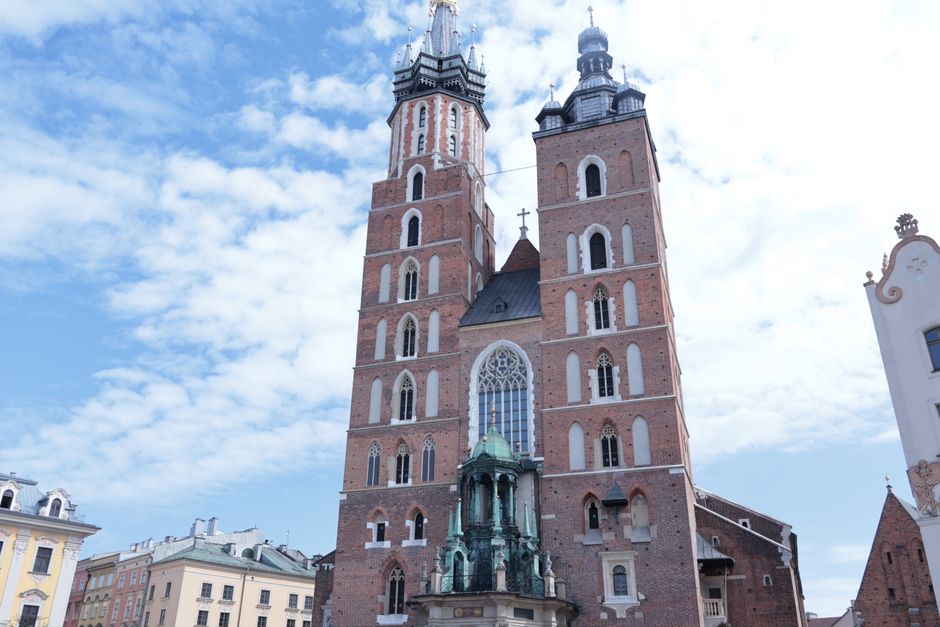
| Day 1 | Old Town, St. Mary’s Basilica area, and the Cloth Hall exterior | Planty walk and Wawel Castle grounds | Warm meal in or near the Old Town |
| Day 2 | Kazimierz streets and historic synagogues | Indoor cultural visit, then a slow riverside walk if conditions allow | Jewish quarter restaurants and cafés |
| Day 3 | Choose one major museum or a relaxed market morning | Podgórze, a final Old Town walk, or weather-dependent viewpoints | Early dinner before departure or a quiet final evening |
How to adjust the plan
If snow or rain arrives, keep the neighborhood sequence but shorten the outdoor links. If the forecast is dry, move the Vistula River and Planty walks earlier. Arrival and departure days should stay light. Luggage, transport delays, and finding your accommodation can consume more time than a map suggests, especially after dark.
Do not schedule a distant day trip beside a full Krakow sightseeing day unless you are staying longer than a weekend. The travel time can remove the very quality that makes the city break work: easy movement and unplanned pauses.
What does Krakow winter weather feel like?
Krakow winter is not one fixed experience. A December weekend can bring damp air, rain, slush, or clear cold; January and February may feel sharper, with icy pavements and snow that changes the walking pace. Forecast temperatures do not tell the whole story. Wind along the Vistula can make a mild afternoon feel raw, while still air in the Old Town can feel comfortable in the same clothing.
Dress for wet ground, not just cold air
The most useful approach is a simple layer system: a warm base, an insulating middle layer, and a weather-resistant outer layer. Waterproof shoes with reliable grip matter more than fashionable footwear. Streets can become slick near crossings, tram tracks, castle slopes, and old paving stones. Pack gloves that still let you use your phone, a hat that covers your ears, and spare socks if you expect to walk for hours.
Umbrellas help in light rain but become awkward in wind and crowded lanes. A hooded outer layer is often easier. Keep your phone and transport information accessible, but protect the battery from prolonged cold by carrying it inside an inner pocket.
Build indoor pauses into the route
A winter itinerary should include a warm stop every few hours, even if you do not feel cold when you start. This is not wasted sightseeing time. It prevents the late-day slump when tired travelers stop making good decisions and begin skipping places they genuinely wanted to see. Use a museum, church, café, food hall, or long lunch as a planned reset.
Snow can make Krakow look cinematic, but it also hides uneven ground and slows transfers. Give yourself extra time, avoid crossing wide areas just for a photograph, and treat poor visibility as a reason to change the order of the day rather than force the original plan.
Which Krakow winter mistakes should you avoid?
The most common problems are not dramatic. They are small planning errors that compound after sunset, in bad weather, or on a crowded tram. Avoid these five and the weekend becomes much easier.
Mistakes before leaving your accommodation
- Starting too late. A leisurely breakfast is pleasant, but leaving at midday can erase the best outdoor light. Start the main walking route in the morning and save the relaxed meal for later.
- Relying on one opening schedule. Low-season hours can differ by day. Check the official page for each major attraction shortly before your visit and keep a nearby alternative ready.
- Assuming every attraction is close. Krakow’s core is walkable, but neighborhoods beyond the center add time. Group places by area instead of crossing the city repeatedly.
Mistakes during the day
- Ignoring tram and pedestrian safety. Tram tracks can be slippery, and quiet-looking streets still carry regular traffic. Cross at marked points and keep attention on the road, not only on the buildings.
- Trying to see every district. A short visit benefits from depth. Old Town, Wawel, and Kazimierz already provide enough history, architecture, food, and atmosphere for a full weekend.
One more mistake deserves mention: treating local food as a quick fuel stop. Krakow’s winter comfort comes through warm, filling dishes and unhurried meals. Try regional soups, dumplings, baked dishes, and dark bread, but ask what a dish contains if you have allergies. Menus may use Polish names without a full explanation, and staff may not always assume that a visitor needs substitutions.
The practical verdict: protect your daylight, group your map, check hours, and leave room for a proper meal. Those choices matter more than adding another attraction.
What should first-time visitors know about Krakow?
Is Kazimierz only worth visiting for nightlife?
No. Visit during the day for its streets, courtyards, religious history, and layered Polish-Jewish heritage. Winter makes the quarter especially good for slow exploration because you can move between a few streets and warm indoor stops without trying to cover a large area. Approach the historic sites with respect; this is a living neighborhood, not a themed backdrop.
What is the best alternative when the weather turns bad?
Do not abandon the day; change its shape. Krakow has enough indoor history, food, and architecture to support a full wet-weather plan, but the right alternative depends on what you hoped to experience outside.
If you planned a long walking day
Replace the longest route with a tight cluster. Begin around the Main Market Square, choose one church or museum, take a substantial lunch break, then continue toward Wawel only if the rain eases. You will see fewer places, but you will remember more of them. A short route with time to look closely beats a long route spent watching the pavement.
If you planned a day trip
Ask what the day trip adds that Krakow cannot provide in poor weather. If the answer is a specific memorial, landscape, or historical site that matters deeply to you, keep it and accept the early start. If it was only added because a weekend felt incomplete without leaving the city, stay in Krakow. The city’s museums, churches, cafés, food traditions, and neighborhoods offer a stronger use of limited time than a wet transfer between distant stops.
Winter also gives you permission to leave one block unexplored. Sit near a window, watch people move through the square, and let the city become less like a checklist. The best itinerary has a backup route, but it does not need to fill every hour.
The single most important takeaway is to plan Krakow around winter daylight, then leave enough room for warmth, food, and the unexpected pauses that make the weekend memorable.