A common misconception is that Vienna shuts down in winter. The city does slow its pace, but that is part of its appeal. Cold mornings suit coffee houses, short daylight favors museums and palaces, and concert halls offer a warm evening focus. The practical question is not whether Vienna works in winter. It is how to arrange the day so outdoor visits happen in the clearest light and indoor stops absorb the colder hours. No state law is being discussed here; the rules that matter are venue policies, transport conditions and reservation terms.
What is Vienna really like in winter?
Expect cold streets, early darkness and useful public transport
Vienna’s winter experience is shaped by timing. Daylight is limited, especially from December through early January, so a loose plan can leave you crossing large squares after dark with little sense of the architecture. A better approach is to schedule palaces, viewpoints and long walks between roughly 09:00 and 15:30, then move indoors. The city’s trams, underground lines and buses make this workable, but a route that looks short on a map may feel long when you are carrying a coat, walking on wet paving and waiting at an exposed stop.
Pack shoes with firm soles, a warm middle layer and gloves that still let you use a phone. Snow is possible, but damp wind and rain are just as likely. Many historic interiors are heated, sometimes more strongly than visitors expect, so layers are easier than one heavy coat. Carry water, but do not assume every café welcomes long laptop sessions or large luggage. Vienna’s traditional coffee houses have their own rhythm: people may sit for a long time, yet the room is not always arranged like a modern coworking space.
Why winter can be the better season
Winter gives Vienna a quieter visual character. The Ringstrasse, Michaelerplatz and the gardens around Schönbrunn can feel less crowded between organized tour groups. The tradeoff is that some seasonal attractions, garden areas and temporary exhibitions change their opening patterns. Treat official venue information as controlling, especially for dates around Christmas, New Year’s Day and public holidays.
How should you plan a three-day winter itinerary?
Use daylight for palaces and the evening for music
The most reliable structure is one major outdoor or architectural focus each morning, one indoor cultural stop after lunch and one flexible evening plan. Do not place two large palaces on the same day. The buildings are impressive, but the travel time and repeated rooms can blur together.
| Day | Morning | Afternoon | Evening |
|---|---|---|---|
| Day 1 | Stephansplatz, St. Stephen’s Cathedral area and the historic center | Traditional coffee house and Hofburg district | Concert, opera or a quiet dinner near the center |
| Day 2 | Schönbrunn Palace and its main interior route | Return toward the center for a museum or café | Neighborhood walk around Neubau or Josefstadt |
| Day 3 | Belvedere area or another palace museum | Naschmarkt surroundings and a long coffee break | Reserved performance or an unplanned evening |
Keep one afternoon deliberately empty
A winter itinerary needs recovery space. Coffee houses, museums and concerts all look restful on paper, but a full day of standing, coat management and transit adds up. Leave at least three hours without a fixed reservation. That gap can absorb a delayed tram, a slow lunch, a sudden rain shower or a palace visit that takes longer than expected.
Start each morning by checking the day’s opening information. Then confirm the route from your accommodation to the first stop. On a three-day visit, the best plan is not the one with the most landmarks. It is the one that leaves enough attention for each place.
Which Vienna coffee house habits should visitors know?
The best approach is to stay, observe and order simply
Vienna’s coffee house tradition is not a race between cafés. It is a way to give the day a pause. Order a coffee style you recognize, ask politely if you are unsure, and allow time for the room to reveal itself. A melange is a familiar starting point, while an espresso or small black coffee suits a shorter stop.
Service may feel less chatty than visitors expect. That does not automatically signal poor hospitality. Historic cafés often have formal routines, busy periods and staff managing several rooms. If you need a quick takeaway drink, a modern bakery or café may suit you better than a grand traditional room.
When a coffee house is the wrong choice
Do not choose a famous café only because a guide lists it. A long queue in freezing rain can turn a pleasant ritual into an hour of waiting. If the room is full, walk a few streets and choose a place that matches your mood. For conversation, look for a quieter side room. For architecture, accept that the most ornate rooms may be busier.
The specific verdict: reserve a coffee house visit for the middle of the day, when you need warmth and a change of pace. Do not use it as a rushed breakfast before a timed palace entry.
Which palaces and historic areas deserve your winter daylight?
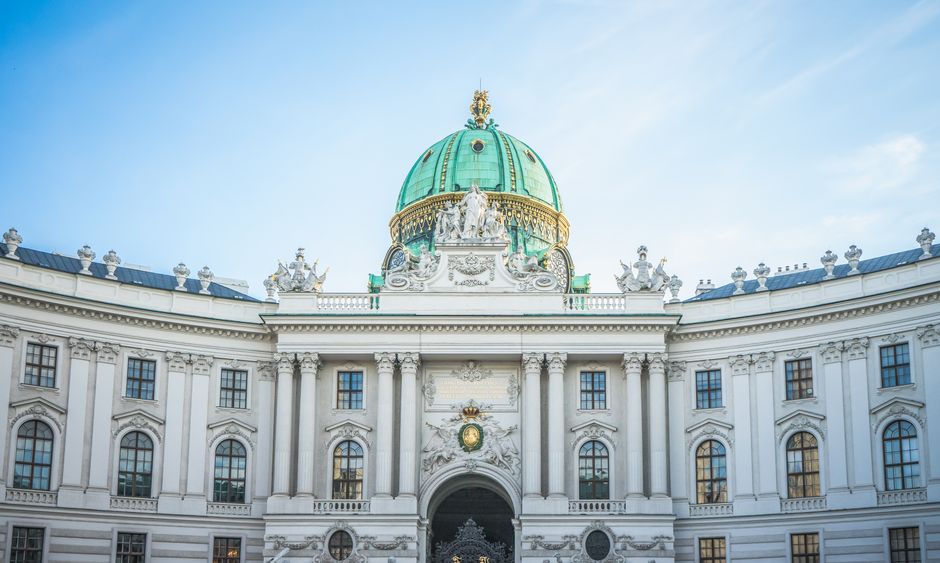
Choose one major palace and one central district
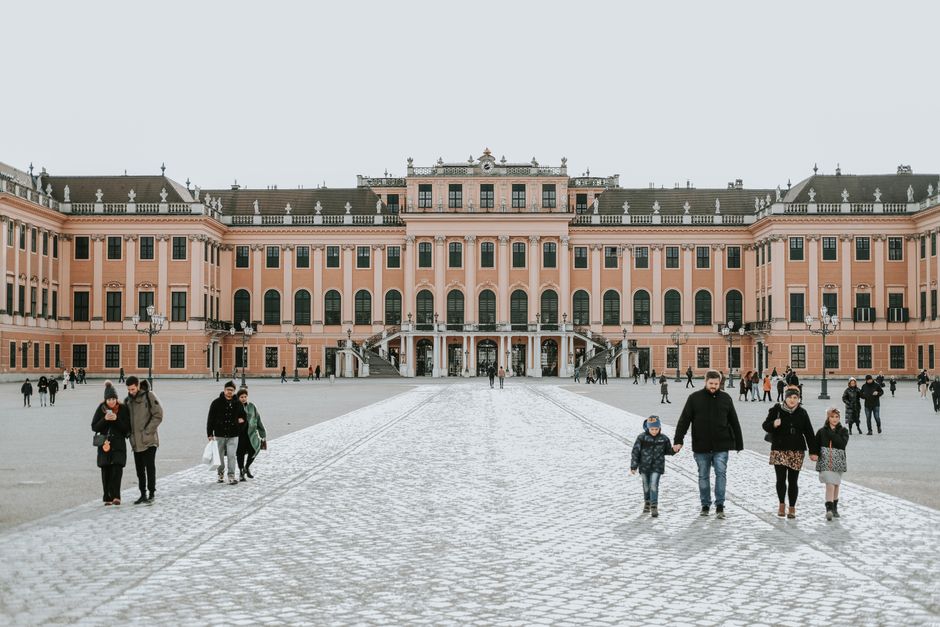
- Schönbrunn Palace is the strongest choice for a first winter visit because the interior route gives you a substantial experience even when the gardens are cold or partly closed. Go early, take public transport to the palace area and treat the grounds as an optional outdoor extension rather than the whole visit.
- Hofburg works well on a short day because it sits inside the historic center. You can combine the palace complex with Michaelerplatz, the Spanish Riding School area and nearby streets without committing to a long cross-city journey.
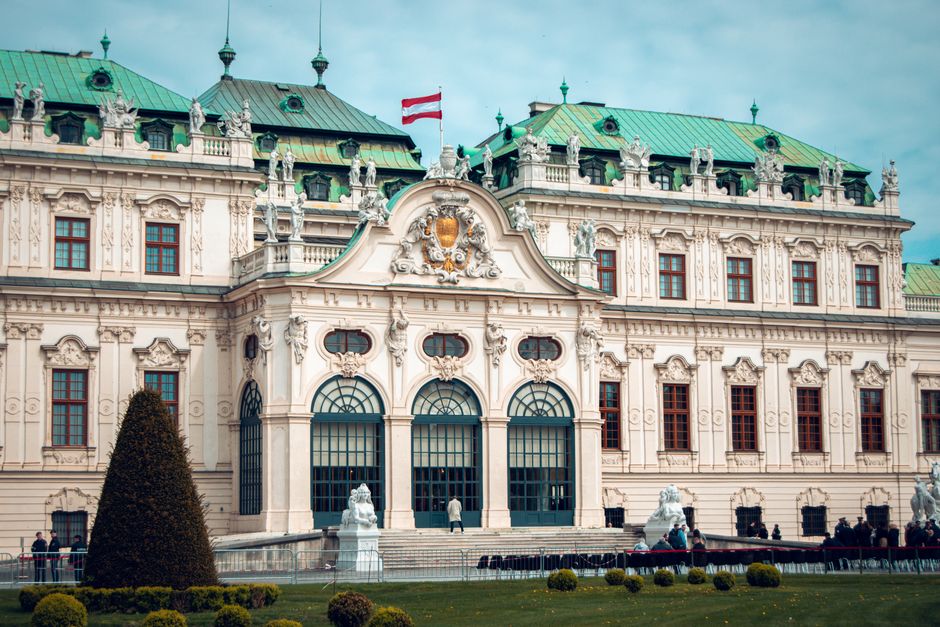
- Belvedere is a good choice for travelers who want palace architecture paired with a focused art visit. Its setting rewards daylight, so place it before late afternoon and leave time for the walk between the upper and lower areas.
- Stephansplatz is the easiest central anchor. Begin there, explore the surrounding lanes and then move toward the Hofburg rather than trying to cover every central landmark in one march.
What winter changes about palace visits
Winter narrows the margin for error. A late start can mean reaching a garden just as the light fades. Wet paving can make comfortable shoes feel inadequate, and heavy coats become awkward in crowded interiors. Use cloakroom instructions carefully, and do not assume every venue allows large bags. If a palace offers several entry routes or exhibitions, select one main focus before arriving. That keeps the visit from becoming a checklist.
Pick Belvedere instead of one of them if art matters more to you than imperial history. The strongest itinerary has contrast, not three versions of the same grand room.
What mistakes should you avoid in Vienna during winter?
Is it a mistake to plan every hour?
Yes. A rigid schedule is the fastest way to lose the pleasure of Vienna in winter. Travel times expand when streets are wet, daylight is short and indoor queues form. Keep one fixed event per half-day and let the spaces between them breathe. The city rewards wandering, but only when your plan leaves room for it.
Should you rely on seasonal assumptions?
No. Markets, garden access, exhibitions, church services and concert programs can change by date. Verify the details close to travel, especially around December holidays. Do not build a day around a market that may close before you arrive, or around a garden that looks open online but has limited winter access.
What other errors cause trouble?
- Trying to visit Schönbrunn, Belvedere and the Hofburg in one day.
- Booking an evening performance immediately after a distant attraction with no travel buffer.
- Entering a coffee house expecting fast service during a busy period.
- Wearing smooth-soled shoes on wet stone streets.
- Assuming a famous venue is automatically the best fit for your interests.
- Ignoring public-holiday schedules and last-entry times.
The practical rule is simple: build the trip around two or three strong experiences each day, then protect the gaps. Vienna in winter works best when the cold sets the rhythm rather than dictating the mood. A palace in clear daylight, a long coffee house pause and one carefully chosen concert are enough to make three days feel complete.