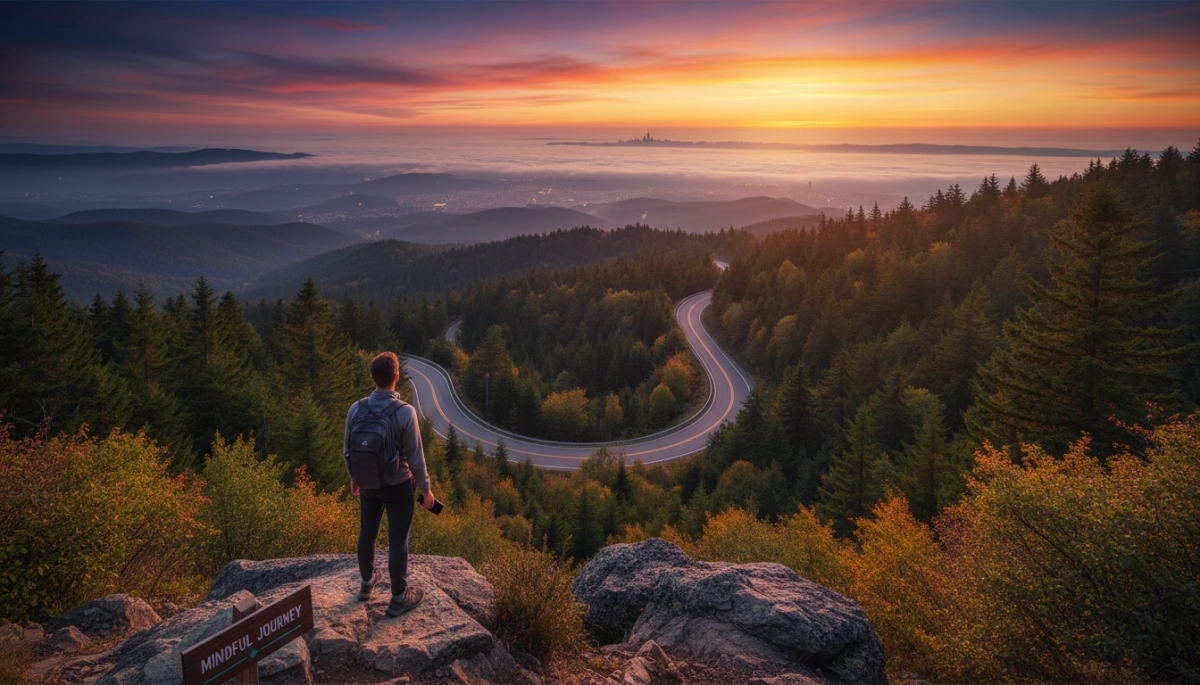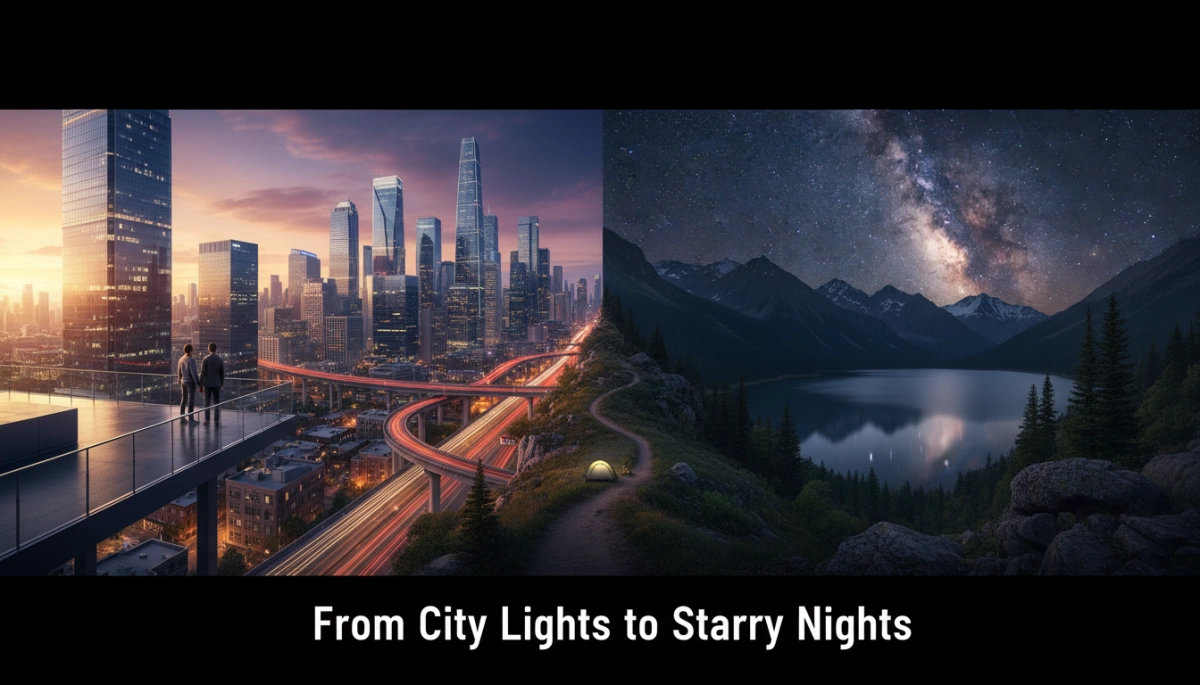
You’re caught in the relentless glow of the city—endless city lights that blur the stars into oblivion. But what if you could trade that orange haze for a sky bursting with galaxies? From City Lights to Starry Nights: A Journey of Contrast is exactly that escape—a chance to break free from the urban clatter and rediscover the quiet magic of the cosmos. This isn’t just travel; it’s a reset for your mind, a reset for your soul. Ready to leave the glow behind and step into the dark? Let’s dive into your next great adventure.
The Urban Paradox
City lights sparkle like a sea of artificial stars, illuminating towering skyscrapers and bustling streets. The urban landscape offers vibrant culture, endless entertainment, and the thrill of constant motion. Yet, beneath this radiant beauty lies a cost few often consider: the light pollution map reveals our cities as glowing pockets that drown out the natural night sky. This glow, while enchanting, masks the majestic Milky Way and disconnects us from the cosmos. The constant buzz and artificial glow create a paradox — the city dazzles but steals the chance to witness the universe overhead. In this urban paradox, the very lights that energize your daytime life can blur the stars that nurture your soul after dark.
The Call of the Dark: Light Pollution Blocking Our Wonder
Cities glow brightly at night, but that glow dims more than just the skyline—it blocks our chance to see the universe’s true beauty. Light pollution, especially skyglow, spreads across urban areas like a soft white blanket, washing out stars and hiding the Milky Way from view. This constant illumination disconnects us from the night sky’s natural spectacle, cutting us off from a source of awe and inspiration that’s been part of human culture for millennia.
The result? A barrier to human wonder that we rarely notice until we step away from city lights. For many, their night sky belongs mostly to satellites and airplanes rather than to stars and planets. This urban escapism can leave us longing for darkness, not just for better stargazing but for a deeper connection to nature and ourselves. Understanding this light pollution map of our world helps explain why finding real dark skies is becoming a rare treasure.
The Promise: Transitioning to Wilderness Peace
Leaving the city’s bright chaos behind marks more than just a change in scenery—it’s a shift for your body and mind. As you head into the wilderness, away from overwhelming noise and artificial glow, you start to reconnect with a natural rhythm. This transition offers a chance to reset your circadian rhythm reset, helping improve sleep and mental clarity.
Physically, your senses sharpen. The constant hum of urban life fades, replaced by the gentle sounds of nocturnal wildlife and rustling trees. Mentally, the reduction in overstimulation invites calm and reflection, setting the stage for a deep sense of awe under starry nights.
This mental and physical shift invites urban escapism at its purest, allowing you to embrace slower travel and fully appreciate the natural world. For those planning their retreat, considering digital detox retreats can further enhance this transition, making the journey from city lights to starry nights truly transformative.
Understanding Light Pollution: Skyglow and Milky Way Visibility
Light pollution, especially skyglow, is one of the biggest barriers to experiencing a truly starry night. Skyglow happens when artificial lights from cities scatter in the atmosphere, creating a persistent glow that drowns out faint stars and celestial wonders. This diffuse brightness makes it tough, if not impossible, to see the Milky Way with the naked eye in most urban areas.
The brightness of skyglow varies depending on how close you are to cities and can be tracked on light pollution maps, which highlight the contrast between brightly lit urban centers and dark, remote areas. The International Dark-Sky Association uses the Bortle Scale to measure how dark a night sky is, rating places from heavily light-polluted urban skies to pristine wilderness with incredible Milky Way visibility.
For those wanting to reconnect with the cosmos, understanding skyglow’s effect is key to choosing the right stargazing spot. Escaping to areas with little to no skyglow means you’ll see more stars, enjoy off-grid camping without artificial distractions, and dive deep into the universe’s natural light show. For inspiration on escaping city lights, check out practical guides for weekend getaway destinations that can offer clearer skies and unforgettable celestial views.
Circadian Rhythms and Rest: The Hidden Cost of Artificial Light
Artificial light in cities doesn’t just brighten streets; it disrupts our natural circadian rhythms—the internal clock that signals when to sleep and wake. This constant exposure to artificial light, especially blue light from screens and street lamps, tricks the brain into thinking it’s still daytime. The result? Poor sleep quality, difficulty falling asleep, and a negative impact on mental health.
When our circadian rhythm is thrown off, it can lead to increased stress, anxiety, and reduced overall well-being. This growing issue, sometimes tied to nature deficit disorder, highlights how important it is to reset our internal clocks.
Switching off urban light pollution and stepping into dark places, like a digital detox retreat, helps restore these rhythms naturally. Without the harsh glow of city lights, your body signals when it’s truly time to rest, boosting both sleep and mental clarity. This reset is why many seek weekend getaway destinations far from the glow, aiming for that essential circadian rhythm reset under starry skies.
The Psychology of Awe: Stargazing’s Stress Reset
Stargazing isn’t just about spotting the Milky Way or newfound constellations—it’s a powerful way to shift how we handle daily stress. When we look up at a starry night, our brains tap into a sense of awe. This feeling goes beyond simple wonder; it expands our perspective, reminding us how small our problems really are against the vast universe.
Research shows that experiencing awe can lower levels of stress hormones and reduce feelings of anxiety. It encourages mindfulness, helping us focus on the present moment rather than worrying about everything on our to-do list. Plus, awe triggers positive emotions, boosting overall well-being and even encouraging generosity towards others.
For anyone feeling the effects of urban stress, the mental reset from stargazing is like a natural therapy. It gently recalibrates our circadian rhythm and helps combat nature deficit disorder by reconnecting us to the night sky’s timeless beauty. If you’ve ever wished for a digital detox retreat that truly rejuvenates your mind, immersing yourself in this cosmic view is a perfect start.
The Departure: Sensory Shift from City to Nature
Leaving the city behind means more than just changing your address—it’s a full sensory reset. As you drive away, streetlights and neon signs slowly fade, replaced by the quiet darkness of open skies. Cellular signals drop, and the constant hum of traffic and chatter gives way to the subtle sounds of nocturnal wildlife.
Your eyes adjust to increasingly darker landscapes, and your mind begins to unwind from the overstimulation of urban life. This shift—from bright, noisy cityscapes to still, expansive nature—is the first step toward experiencing true darkness and reconnecting with the cosmos.
To prepare, consider turning off non-essential devices and letting your senses attune to the natural world. This kind of urban escapism helps create the mental space needed for a deep connection with starry nights ahead. For family-friendly ways to ease this transition, you might also explore tips for traveling with kids, ensuring the whole group enjoys the shift smoothly.
Shedding the Digital Skin: Tips for Digital Detox Before Arrival
Before you leave the city lights behind, try to unplug from digital distractions to fully embrace the starry nights. Here are some simple ways to start your digital detox retreat:
- Reduce screen time: Cut back on social media and emails a day or two before your trip to calm your mind.
- Use airplane mode: On your journey, switch devices to airplane mode to avoid constant notifications and signal hunting.
- Download offline maps and guides: Have everything you need locally stored to stay off the grid while exploring.
- Set a “no-device” hour: Establish periods without screens, especially before bedtime, to ease circadian rhythm reset.
- Bring a red light headlamp: Unlike white light, red light helps protect night vision and reduces blue light exposure at night.
This slow approach helps shake off the digital stress and tunes your senses to the natural world ahead. If you want to deepen this experience, consider planning your trip as a form of urban escapism that supports a mental and physical reset. For more ideas on slow travel and mindful breaks, this guide on the appeal of microretirements offers helpful inspiration.
The Arrival: Experience of True Silence and Darkness
Arriving at an International Dark-Sky Park or a remote wilderness spot means stepping into a world stripped of urban noise and artificial glow. The first thing you notice is the silence—no city hum, no car horns, just the gentle sounds of nocturnal wildlife. Here, the sky isn’t just dark; it’s a deep, inky canvas punctuated by countless stars. Without light pollution blocking the view, the Milky Way stretches vividly overhead, a breathtaking reminder of the cosmos beyond our busy city lives.
This contrast from the urban paradox to starry nights instantly resets your circadian rhythm, helping you relax and recharge. The stillness allows your senses to recalibrate—you see darkness as a profound comfort rather than emptiness. If you’re used to staring at screens, the absence of digital glow makes the night feel more alive and expansive. This is the core of urban escapism, offering a genuine retreat from the overstimulation of city life.
Whether you’re in a high-altitude zone or a desert with excellent atmospheric transparency, the quality of darkness here is unmatched. Embracing this silence and darkness is the first step toward a mental detox and a renewed connection to nature. It’s an essential experience for anyone battling nature deficit disorder or simply seeking peace under a brilliant, clear sky. For inspiration on getaway destinations that align with this journey, you might find a weekend in Bruges a perfect balance of culture and nearby nature escapes.
International Dark-Sky Parks (IDSP)
International Dark-Sky Parks are specially designated areas recognized for their commitment to preserving the natural night environment by minimizing light pollution. These parks offer some of the best opportunities for stargazing, thanks to their clear, unpolluted skies and strict lighting regulations. They serve as vital refuges for nocturnal wildlife and spaces where visitors can experience the awe of a truly dark sky.
Some top examples include Big Bend National Park in Texas, known for its remarkable Milky Way visibility and outstanding atmospheric transparency. Another is Cherry Springs State Park in Pennsylvania, a favorite among astrophotography enthusiasts because of its exceptionally dark skies. These parks are certified by the International Dark-Sky Association, which maintains a light pollution map to promote urban escapism and protect these critical dark sky sanctuaries worldwide. Visiting an IDSP is a perfect way to reset your circadian rhythms and reconnect with the cosmos, far from city lights.
High Altitude vs. Remote Desert: Star Visibility Showdown
When it comes to clear night skies, both high altitude spots and remote deserts offer stellar views, but each has its perks. At high altitudes, like mountain ranges or plateaus, the thinner atmosphere means less air to scatter light, giving you sharper and crisper star images. The air is usually drier, improving atmospheric transparency and reducing haze, which is great for spotting the Milky Way and distant constellations.
On the other hand, remote deserts often have near-zero light pollution and very stable weather patterns, making them perfect for long, uninterrupted stargazing sessions. The dry desert air also minimizes moisture that can blur the night sky. Plus, deserts generally have darker nights on the Bortle Scale, a measure of light pollution, boosting star visibility dramatically.
So, whether you’re leaning towards mountain retreats or desert quietude for your off-grid camping or weekend getaway destinations, both environments deliver incredible opportunities for awe-inspiring stargazing and astrophotography. If you’re interested in starry escapes, places like Castlepoint in New Zealand offer an excellent mix of dark skies and stunning landscapes, perfect for this contrast between altitude and desert stargazing experiences.
Moon Phases Matter: Scheduling Trips Around New Moon for Best Views
When planning a stargazing getaway, timing is everything. The moon’s brightness plays a huge role in how clear the night sky appears. Around the New Moon, the sky is darkest because the moon isn’t visible, making it the perfect time for spotting stars, meteor showers, and especially the Milky Way with maximum clarity.
Here’s why scheduling your trip around the New Moon is essential:
- Minimal Moonlight: The faint or absent moonlight reduces light interference, allowing celestial objects to stand out vividly.
- Better Milky Way Visibility: With no moon glare, the contrast between stars and sky improves, making the Milky Way’s details easier to appreciate.
- Ideal for Astrophotography: Low natural light boosts your camera’s ability to capture stunning, sharp night photos without washing out.
Keep an eye on lunar calendars and plan your adventure accordingly to make the most of the International Dark-Sky Association recommended viewing times. This simple step enriches your night sky experience and complements your off-grid camping or digital detox retreat perfectly.
Naked Eye vs. Gear: Identifying Constellations and Using Binoculars/Telescopes
When you step out under a starry night away from city lights, your naked eye is surprisingly capable. You can spot major constellations like Orion, the Big Dipper, or Cassiopeia, especially when Milky Way visibility is clear. Familiarizing yourself with star maps or apps can make this easier and more rewarding.
However, binoculars and telescopes take your stargazing to the next level. Binoculars are great for beginners — they’re portable, simple to use, and reveal craters on the Moon or tighter star clusters that the naked eye misses. Telescopes, on the other hand, offer detailed views of planets, nebulae, and distant galaxies, but require more setup and patience.
If you’re new to this, start with a low-power telescope or good-quality binoculars for an off-grid camping trip or night in a Dark-Sky Park. We recommend scheduling your visit around a New Moon phase to maximize atmospheric transparency and really bring those celestial sights into focus.
For quick tips:
- Use star charts or smartphone apps for constellation ID
- Start with binoculars before investing in a telescope
- Avoid urban areas—refer to a light pollution map to find the darkest spots
- Be patient and give your eyes time to adjust to the dark
Getting familiar with your naked eye and simple gear creates a richer, more immersive connection with the night sky — a perfect counterpoint to city life’s constant glow. For inspiration on slow travel and exploring remote destinations ideal for stargazing, see insights on reviving ancient routes.
Astrophotography for Beginners: Simple Camera Settings and Gear Tips
Getting started with astrophotography doesn’t require fancy or expensive gear. To capture the Milky Way or starry skies, you just need some basic equipment and the right settings.
Essential Gear:
- A DSLR or mirrorless camera with manual controls
- A sturdy tripod to keep your camera steady during long exposures
- A wide-angle lens with a large aperture (f/2.8 or lower is ideal)
- A remote shutter release or using your camera’s timer to reduce shake
Simple Camera Settings:
- ISO: Start with ISO 1600 or 3200 to capture more light without too much noise
- Aperture: Use the widest aperture your lens allows (lowest f-number)
- Shutter Speed: Try 15-25 seconds; longer exposures capture more stars but risk blurring due to earth’s rotation (use the 500 rule to calculate max exposure)
- Focus: Switch to manual focus and set it to infinity or focus on a bright star using live view
A few more tips to improve your shots:
- Shoot during the New Moon for best Milky Way visibility and better atmospheric transparency
- Bring a red light headlamp to avoid disturbing your night vision when adjusting settings
- Practice framing with constellations or interesting foregrounds like mountains or trees
For those who want to dive deeper, experimenting with different exposures and playing around with settings will improve your astrophotography over time. Starting simple is key, and soon you’ll be capturing stunning starry nights to remind you of your off-grid camping and digital detox adventures.
Comfort in the Cold: Layering Strategies and Essential Night Gear
Stargazing often means facing chilly night temperatures, especially in high-altitude or remote desert locations known for excellent Milky Way visibility. To stay comfortable, layering is your best defense. Start with a moisture-wicking base layer to keep sweat away, add an insulating mid-layer like fleece or down, and finish with a windproof, waterproof outer shell to block the elements.
Don’t forget these essential night gear items:
- Warm hat and gloves: Heat escapes quickly from extremities.
- Thermal socks and sturdy boots: Keep feet dry and insulated.
- Red light headlamp: Preserves night vision while allowing hands-free movement.
- Portable insulated blanket or chair: For extended periods of stillness during stargazing sessions.
By prepping well, you’ll avoid letting the cold distract from the awe of a deep, starry night, making your off-grid camping or dark-sky park visit genuinely enjoyable and restorative.
The Sunrise Contrast: Waking Naturally Versus Alarm Clocks
One of the most refreshing parts of leaving city lights behind is waking up naturally with the sunrise, instead of being jolted awake by an alarm. In dark-sky environments, your body’s circadian rhythm gradually adjusts to the natural light cycle, helping you rise gently with the dawn. This natural wake-up supports better rest and a calmer start to the day—something urban living, with its constant artificial light, rarely allows.
Experiencing this shift highlights just how much city life disrupts our internal clocks. It’s a simple but profound contrast—a natural sunrise versus a blaring alarm—and it’s a key part of resetting your body and mind when you escape to stargazing retreats or go off-grid camping.
If you want to deepen the connection to these natural rhythms, check out tips on traveling slow and embracing nature’s pace to make the most of your starry night getaway.
Integration: Carrying Starry Night Peace Back Into Urban Life
Returning from a starry night escape, the challenge is holding onto that calm and awe while back in the urban rush. The quiet wonder you felt under the Milky Way can become a powerful tool against daily stress and nature deficit disorder. Here’s how to weave that peace into city living:
- Practice a circadian rhythm reset by dimming lights an hour before bedtime, mimicking the natural light cycle you experienced away from light pollution.
- Create urban sanctuaries in your home with blackout curtains or low-intensity lighting, reducing skyglow inside your space.
- Schedule regular digital detox retreats to disconnect and ground yourself, similar to the ‘shedding the digital skin’ phase of stargazing trips.
- Bring a small piece of night sky indoors—star maps or a red light headlamp can remind you of that vast, tranquil space.
City life will always pull you back, but by nurturing this connection, you protect your well-being and keep that starry-night contrast alive.
If you want more inspiration on slowing down and avoiding travel regrets, check out this thoughtful take on travel regrets I had at 25 vs 35.
Creating Urban Sanctuaries: Habits to Reduce Home Light Pollution
Bringing a bit of the starry night into your city life starts at home. Reducing light pollution begins with simple habits that create your own urban sanctuary. Here are practical steps to ease skyglow and protect your circadian rhythm reset:
- Switch off unnecessary lights: Turn off outdoor lights when not needed, especially during late hours. Use timers or motion sensors to avoid over-illumination.
- Use warm, low-intensity bulbs: Choose amber or red LED bulbs over bright white lights. These reduce glare and are less disruptive to nocturnal wildlife and your sleep patterns.
- Install blackout curtains or blinds: Block streetlights and digital glow to create a darker indoor environment, helping improve rest.
- Direct outdoor lights downward: Shield fixtures to focus light on the ground, minimizing skyglow and supporting better Milky Way visibility nearby.
- Limit indoor screen time before bed: Digital detox tactics at home help recalibrate your eyes and brain, connecting you back to natural cycles.
Even small changes contribute to urban escapism right at your doorstep. By fostering these habits, you protect your rest and nurture the deep human desire to reconnect to the cosmos in everyday life. For those interested, combining this with weekend getaway destinations in low-light areas can deepen the effect. For a taste of this contrast, consider exploring a weekend in Logroño, Spain, where urban charm meets approachable nature escapes.
Final Reflection: Balancing City Life with Our Connection to the Cosmos
Living in the city offers excitement and convenience, but it often disconnects us from the natural rhythms of the night sky. After experiencing the profound peace of starry nights in places free from light pollution, it becomes clear how much we lose when the urban glow blocks our view. Balancing city life with this cosmic connection means being intentional: creating mini urban sanctuaries that reduce home light pollution, adopting habits that allow our circadian rhythm to reset, and planning regular escapes to dark-sky locations. This mindful approach helps counteract nature deficit disorder and restores a sense of wonder in everyday life.
Remember, even small actions—like dimming outdoor lights or taking a digital detox retreat—can make a big difference. Bringing the calm of starry nights back into your daily routine is a powerful way to manage stress and improve wellbeing. To keep this balance, consider slow travel to nearby dark-sky parks or wilderness spots, where you can rekindle your appreciation for the Milky Way and nocturnal wildlife. For inspiration on finding serene escapes, check out these small towns that stole my heart, offering a perfect blend of tranquility and connection.
Call to Adventure: Book Your Stargazing Escape
If you’ve felt the pull of the night sky, now’s the time to answer. A stargazing escape offers the perfect mix of urban escapism and connection to the cosmos, resetting your circadian rhythm and calming daily stress. Whether you choose a weekend getaway destination near an International Dark-Sky Park or a remote desert for unmatched Milky Way visibility, the experience is worth every minute.
Ready to disconnect and embrace the quiet unknown? Plan your trip around a New Moon for the darkest skies, pack your red light headlamp, and prepare for a digital detox retreat. These simple steps guarantee a slow travel rhythm that refuels the mind and body.
Start by exploring off-grid camping spots or nature retreats — even spotting the stars above serene lakes can be transformative. For inspiration, check out popular natural escapes like the most beautiful lakes in the world to combine starry nights with breathtaking daytime vistas.
Your adventure under the stars isn’t just a break; it’s a chance to reconnect with something bigger than city lights. Don’t wait—book your stargazing escape today and bring a bit of cosmic wonder back to your urban life.