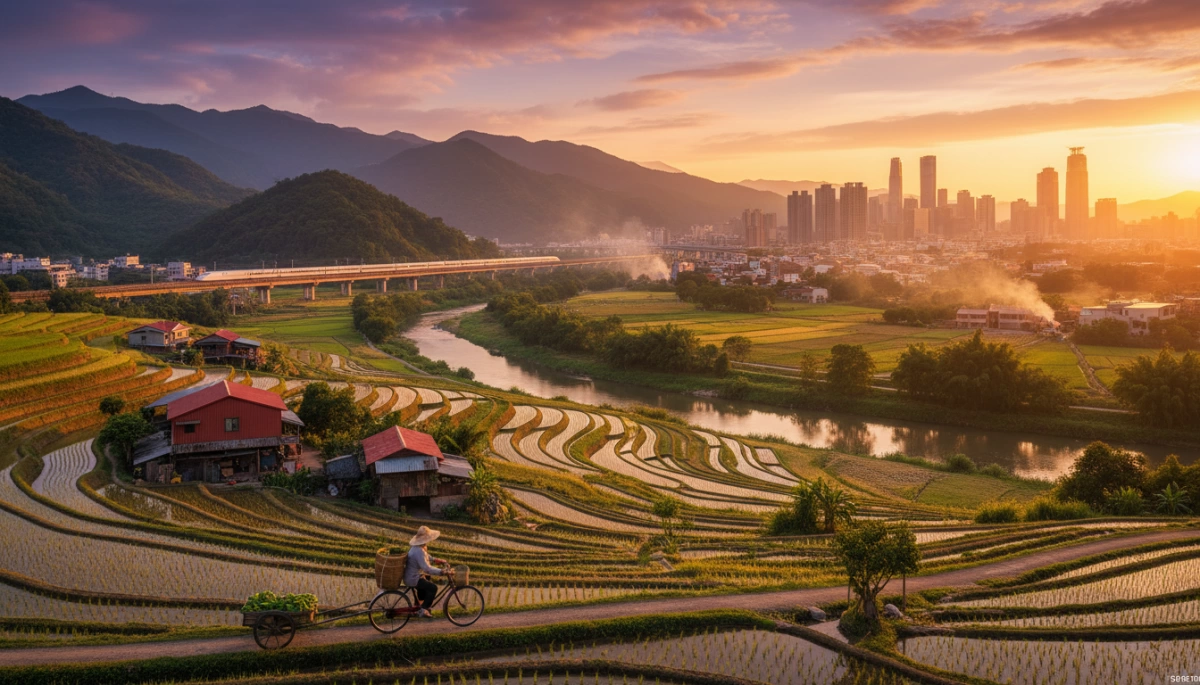
If you’re craving a break from the neon buzz of Taipei and want to experience slow travel in rural Taiwan, you’re in the right place. This is not about rushing through tourist crowds or ticking off landmarks—it’s about immersing yourself in authentic village life, savoring the rhythm of traditional tea plantations, and connecting with local communities through homestay (Minsu) experiences. Whether it’s cycling past endless rice paddies in Chishang, wandering the quiet alleys of Hakka culture villages, or soaking in the quiet mystery of Guanziling’s mud springs, this guide will show you how to truly slow down and experience Taiwan’s hidden heart. Ready to explore Taiwan beyond the usual? Let’s dive in.
The Philosophy of the Minsu (Homestay)
Staying in a Taiwan Minsu homestay experience means much more than booking a hotel room—it’s the heart and soul of rural travel here. These traditional guesthouses connect you directly to local life, offering a genuine way to slow down and soak in the rhythms of village living.
More Than a Hotel: The Heart of Rural Travel
Minsus are unique because they blend comfort with cultural immersion. Unlike typical accommodations, each homestay reflects the personality and history of the family that runs it. You’re not just a guest; you become part of their story during your stay.
The Human Connection: Hosts as Local Guides
One of the best parts of choosing a minsu is the opportunity to meet your hosts—often lifelong residents—who eagerly share family stories, local legends, and hidden village gems. These hosts act as friendly guides, opening doors to authentic experiences you won’t find in travel brochures.
What to Expect: From Traditional Sanheyuan to Modern Eco-Lodges
Minsu accommodations vary from historic Sanheyuan courtyard homes, framed by earthy brick and dark wood, to stylish modern eco-lodges that prioritize sustainability. Whether you sleep in a centuries-old farmhouse or a green-certified lodge nestled in tea mountains or rice paddies, expect warmth, simplicity, and an intimate connection to nature and culture.
By embracing a minsu homestay, you enter a world where farm life, family traditions, and rural customs come alive—inviting you to travel slowly, respectfully, and with heart.
Region 1: The Tea Mountains (North & Central)
The tea mountains in northern and central Taiwan offer a quieter side of rural life, starting with Pinglin and Shiding. These areas are famous for their high-mountain Oolong tea, where tea culture thrives without the usual crowds. A visit to the local Tea Museum gives you a deep dive into tea processing, history, and tasting. Nearby, farmers are often seen drying tea leaves under the sun—a simple yet fascinating daily ritual that connects you directly to the land and the local craft.
Not far from there, Nanjhuang in Miaoli County is a gem for exploring authentic Hakka culture. Wander through Osmanthus Alley to catch the delicate fragrance of local flowers, and join Lei Cha (pounded tea) workshops where you can make and taste this hearty traditional brew. For a complete experience, consider an overnight stay here in a Hakka village homestay, which offers an intimate look at rural living and the warm hospitality of local families.
For travelers keen on sustainable routes and authentic cultural immersion, these tea mountain villages provide a calm, off-the-beaten-path experience that brings you closer to Taiwan’s natural rhythms and rich heritage. For insights on slow travel and regional pacing, the guide on one month in one region offers useful tips to maximize your stay in places like Pinglin and Nanjhuang.
Region 2: The Agricultural Heart (The South)
Southern Taiwan’s agricultural heart offers a peaceful slow travel experience rich in Hakka culture and natural wonders. In Meinong, you’ll find the charm of traditional paper umbrellas and tobacco barns lining the countryside, surrounded by lush rice paddies. This region is famous for its Hakka noodles, especially Ban Tiao—a hand-pulled noodle that’s a must-try local specialty. Walking through the village, you’ll sense the rhythm of rural life, a true reflection of Taiwan’s agricultural roots.
Not far away, Guanziling is renowned for its unique mud hot springs, renowned as one of the few alkaline mud springs in the world. The “Fire and Water Spring”—a natural gas flame surrounded by bubbling mud pools—offers a surreal sight. This is also a spot for bonding over local flavors like urn-roasted chicken, a communal meal best enjoyed with friendly locals who welcome you like family. The combination of soothing springs and authentic cuisine makes Guanziling a highlight of southern rural Taiwan.
Both Meinong and Guanziling embody sustainable travel Taiwan values, providing genuine cultural immersion paired with nature’s gifts. For photos and inspiration on these southern escapes, check out this collection of photos to inspire a visit to rural Taiwan.
Region 3: The Untouched East (Hualien & Taitung)
The East Coast of Taiwan remains a treasure for slow travelers seeking genuine rural experiences. In Chishang and Guanshan, you can cycle along the famous Brown Boulevard, a scenic route lined with lush rice paddies that change with the seasons, offering a glimpse into the harvest rhythm that shapes local life. Don’t miss trying traditional railway bento boxes—simple, satisfying meals reflecting the region’s agricultural roots.
Further south, indigenous tribal tourism provides a unique cultural immersion. The Amis and Puyuma tribes welcome respectful visitors to experience their vibrant traditions, including weaving crafts, archery demonstrations, and tasting locally brewed millet wine. Learning the proper etiquette is essential to honor their community and history, making any visit deeply rewarding and authentic.
For those interested in slow living along Taiwan’s East Coast Rift Valley, this region combines natural beauty with rich indigenous heritage, ideal for travelers wanting both culture and calm. You might also find reading about the local train routes helpful for planning your journey here.
(For cross-reference, check out similar cultural tips in other rural destinations linked in our guide to things to know before visiting.)
How to Travel Slowly: Logistics & Transport
Traveling slowly in rural Taiwan means embracing the local pace—and that includes how you get around. Small trains on branch lines like Pingxi, Jiji, and Neiwan aren’t just transport; they’re experiences. These scenic routes wind through lush landscapes and quaint villages, allowing you to soak up Taiwan’s slower side. Consider hopping on these trains to connect with Taiwan’s countryside history and stop by small towns famous for their traditional crafts and snacks.
Cycling is another fantastic option for slow travel, especially in regions like Chishang or the tea mountains. Renting bikes is straightforward—police stations and Giant bike shops across rural areas offer convenient rentals. Riding through rice paddies or tea plantations at your own pace gives you a deeper sense of place and lets you explore hidden trails that buses can’t reach.
If you don’t have a car, the Taiwan Trip Shuttle Bus is a reliable way to reach more remote villages. This service links major towns with off-the-beaten-path spots, eliminating transport hassles and giving you time to relax and enjoy the scenery. Combining small trains, cycling, and shuttle buses is a perfect strategy for sustainable travel in Taiwan’s countryside, keeping your journey easy, eco-friendly, and richly immersive.
For more on embracing slow travel in Taiwan, check out this guide on the benefits of traveling slowly through local areas.
Cultural Immersion: Doing, Not Just Seeing
Slow travel in rural Taiwan means diving into local life, not just ticking off sights. Start your day early at morning markets, where the atmosphere bursts with colors, sounds, and smells. These markets offer fresh local produce, handmade snacks, and glimpses into daily village routines. It’s an unmatched way to experience Taiwan’s agricultural heart and to taste homegrown specialties straight from the source.
Village temples play a central role beyond worship—they’re the social hubs where communities gather. Watching or joining in on Baishun rituals (processions honoring gods) offers insight into timeless traditions that keep rural culture alive. These events connect you deeply with villagers’ spiritual and social lives.
Don’t miss the seasonal rhythms that shape rural Taiwan’s calendar: from the magical glow of fireflies in summer to the delicate bloom of Tung blossoms in spring. Participating in these natural festivals enriches your slow travel experience by aligning you with the land’s cycles and local celebrations.
This hands-on immersion—not just sightseeing—is what makes rural Taiwan’s minsu homestay experience so unforgettable, blending cultural discovery with genuine human connection.
For more on engaging with local culture outside the usual tourist paths, explore tips on walking tours vs free exploration.
Practical Tips for the Rural Traveler
Traveling slowly through rural Taiwan means embracing a different pace and set of habits. Here are some practical tips to help you enjoy your experience smoothly:
Language Barrier: Many locals in villages and Minsus (Taiwan Minsu homestay experience) may not speak English fluently. Google Translate is a handy tool, but pairing it with friendly smiles and simple body language goes a long way. Showing genuine interest and patience often opens doors to meaningful human connections.
Cash is King: While cities lean heavily on cards and electronic payments, rural areas still rely mostly on cash. Bring enough New Taiwan dollars, especially for small purchases, entrance fees, local food, and Minsu homestays. ATMs can be scarce in remote spots.
Sustainability Matters: Practicing sustainable travel Taiwan means leaving no trace — pack out what you bring in. Bring reusable chopsticks and shopping bags to reduce waste. Support local artisans by buying handmade crafts like Meinong oil paper umbrellas or Hakka textiles. This small gesture helps preserve village cultures and supports the community.
By keeping these tips in mind, your slow travel journey through Taiwan’s rural villages will be authentic, respectful, and eco-friendly.