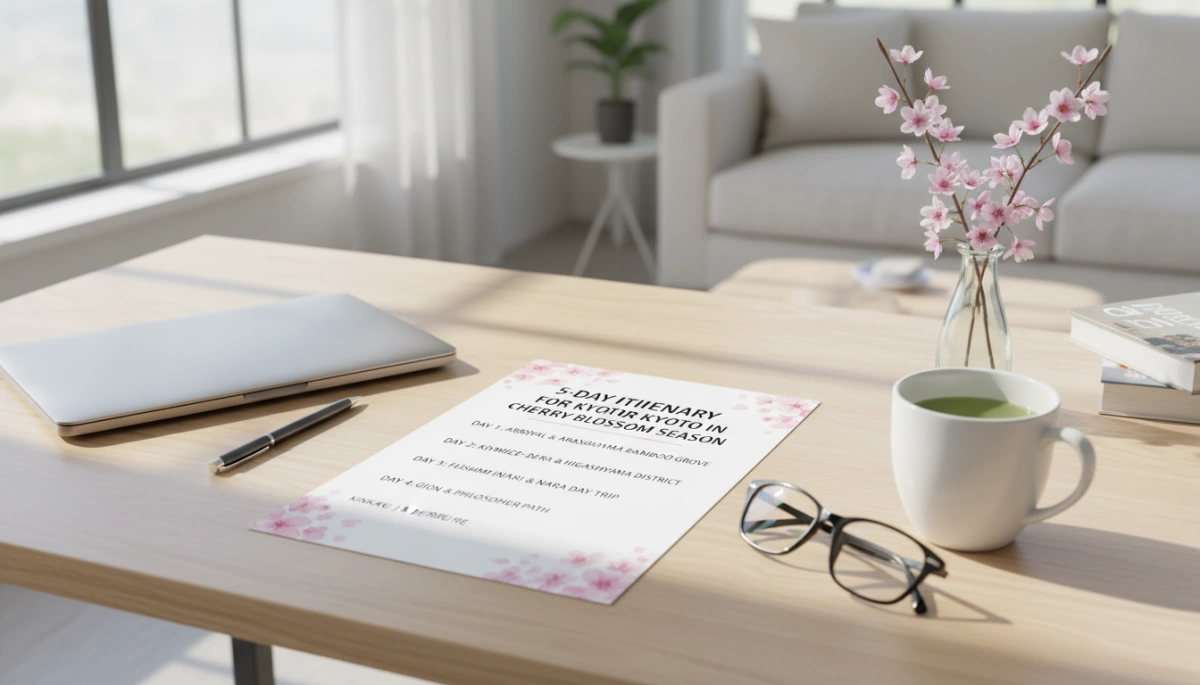
Pre-Trip Logistics: Surviving Sakura Season in Kyoto
Cherry blossom season in Kyoto is magical—but also busy. To make the most of your 5-day itinerary for Kyoto in cherry blossom season, a bit of preparation goes a long way.
Timing the Bloom: Kaika vs Mankai
Understanding the difference between Kaika (first bloom) and Mankai (full bloom) is key. Kaika marks the delicate early cherry blossoms, while Mankai is when sakura trees explode in full glory. The Kyoto Cherry Blossom Forecast 2026 is your best friend to time your trip perfectly. Aim for Mankai if you want the ultimate Instagram-worthy scenes, but Kaika offers quieter, more intimate hanami moments before the crowds arrive.
Accommodation Strategy: Where to Stay
Picking accommodation close to main hubs saves time and energy during the busy sakura season. Staying near Kyoto Station offers excellent transport connections for day trips and easy access to your Shinkansen on departure day. Alternatively, Gion-Shijo puts you steps from historic Higashiyama and the enchanting Gion Geisha district, perfect for evening strolls and dining. Both locations balance convenience and atmosphere.
Transport Essentials: IC Cards, Bus Passes & Subway Benefits
Getting around Kyoto during cherry blossom season requires smart choices:
- IC Cards (like ICOCA or Suica): Highly recommended for smooth travel across trains, buses, and even some shops. They’re easy to top up and save time compared to cash payments.
- Bus Passes: Good for unlimited bus rides, which is handy since many hanami spots rely on bus routes. However, buses can get stuck in traffic during peak bloom.
- Kyoto Subway: Often the fastest way to beat traffic jams. The subway connects key stations and runs frequently, making it ideal for hopping between central locations without delay.
Pro tip: Combine an IC Card with subway rides to maximize flexibility. The subway’s punctuality during peak sakura season will ensure you spend less time in transit and more beneath those breathtaking cherry blossoms.
With this pre-trip prep nailed, you’re ready to dive into Kyoto’s iconic hanami spots with ease and confidence.
Day 1: The Iconic Higashiyama Route (Old Kyoto)
Start your first day early with a 6:30 AM visit to Kiyomizu-dera Temple. Arriving at dawn helps you beat the crowds and enjoy stunning views from the famous wooden stage framed by blooming cherry trees. The peaceful morning light makes it the perfect time to soak in this iconic hanami spot in Kyoto.
Next, take a relaxed morning walk through the historic Sannenzaka and Ninenzaka streets. These cobblestone lanes are lined with traditional shops and tea houses, usually quiet before they open, letting you appreciate Old Kyoto’s charm without the bustle.
For lunch, try traditional yudofu (tofu hot pot) at a local eatery in Higashiyama. This simple, seasonal dish warms you up and pairs well with the serene surroundings of the cherry blossom season.
In the afternoon, head to Maruyama Park to see its famous weeping cherry tree. The park fills with festive energy during sakura season, with locals and visitors enjoying hanami picnics beneath the cascading blossoms.
As the sun sets, take a leisurely stroll through the atmospheric Gion Geisha District. End your day with dinner at one of the intimate restaurants along Pontocho Alley, known for traditional Kyoto dining and a charming riverside setting under cherry trees.
This route combines the best of Kyoto’s classic springtime sights along the Higashiyama area, balancing cultural landmarks with tranquil nature. For more tips on walking tours and exploring Kyoto on foot, check out this detailed guide on walking tours versus free exploration.
Day 2: The Philosopher’s Path & Northern Higashiyama
Start your day at 7:00 AM with a peaceful walk along the Philosopher’s Path, a canal-side trail lined with cherry blossoms. This quiet stroll offers a perfect way to enjoy Kyoto’s sakura without the crowds.
Your first stop is the Silver Pavilion (Ginkaku-ji), where you can admire the tranquil moss gardens framed by delicate cherry trees. From there, head to Eikan-do and Nanzen-ji Temple, both famous for their scenic beauty and impressive Sanmon gate views. These temples are especially stunning during cherry blossom season, making them notable hanami spots in Kyoto.
For lunch, plan a picnic along the Keage Incline, an old railway track turned flower-viewing spot bustling with Yoshino cherry blossoms in spring. In the afternoon, explore the abandoned Keage Incline railway tunnel, surrounded by late-blooming cherry trees—a unique experience away from typical tourist routes.
In the evening, if you’re up for more, consider attending one of the Heian Shrine concerts or enjoy the sakura-themed night illumination nearby. These events showcase Kyoto’s tradition of yozakura night viewing, providing a magical end to your day.
This detailed Kyoto public transport guide will help you navigate to these northern Higashiyama spots efficiently, ensuring you make the most of your time among the cherry blossoms.
Day 3: Arashiyama & The Romantic Train
Start your day early at 7:00 AM with a peaceful walk through the Arashiyama Bamboo Grove to avoid the late-morning tourist crowds. The towering bamboo stalks combined with early morning light create an unforgettable atmosphere, perfect for photos and a calm start.
Mid-morning, head to Tenryu-ji Temple, a UNESCO World Heritage site known for its stunning garden that beautifully frames cherry blossoms during sakura season. The blend of traditional Zen landscaping and vibrant spring colors is a highlight of northern Kyoto’s cherry blossom spots.
Next, don’t miss the Sagano Romantic Scenic Railway, a must-do during cherry blossom season. The slow train follows the Hozu River gorge, offering spectacular views of riverside cherry trees in full bloom. Booking tickets in advance is recommended to secure a window seat for the best views.
In the afternoon, hike up to Monkey Park Iwatayama where you can enjoy panoramic views over Kyoto city and perhaps spot some free-roaming macaques. The trail here is surrounded by late-blooming cherry trees, adding to the season’s charm.
Wrap up your day with a sunset walk on Togetsukyo Bridge, one of Arashiyama’s most iconic sights. The bridge, framed by sakura trees and the softly lit river, offers an atmospheric end to a day filled with scenic beauty.
For tips on how to maximize your time and transportation in Kyoto, check out this Kyoto public transport guide. It’ll help you move smoothly between these popular hanami spots in Kyoto during peak season.
Day 4: Vermilion Gates & Late Bloomers
Start your day early at 6:00 AM with the iconic Fushimi Inari Taisha hike. Walking through the famous Senbon Torii—the thousand red vermilion gates—before the crowds arrive allows for a peaceful, almost meditative experience. Reach the summit to enjoy stunning views of Kyoto framed by early cherry blossoms, a perfect quiet moment during cherry blossom season.
By late morning, head to Daigo-ji Temple, known for its historical connection to Toyotomi Hideyoshi’s grand Hanami festival. Daigo-ji’s sakura trees often bloom a little later, making this a great spot for late-blooming cherry blossom viewing. If you prefer something a bit off the beaten path, consider visiting nearby Ninna-ji Temple, famous for its Omuro cherry trees that bloom later than most, adding variety to your Sakura experience.
As evening falls, don’t miss the magical Yozakura night viewing at Nijo Castle. The castle grounds come alive with cherry blossoms illuminated by soft lanterns and impressive projection mapping shows, making for one of the best night-time hanami spots in Kyoto.
This day perfectly balances famous sakura landmarks with quieter late bloomers, offering a well-rounded taste of Kyoto’s spring beauty.
For tips on timing your visit, check out the detailed insights on the Kyoto Cherry Blossom Forecast 2026.
Day 5: Central Kyoto, Shopping & Departure
On your final day, start with a peaceful morning stroll through Kyoto Imperial Palace Park, shaded by beautiful weeping cherry trees — a calm spot to soak in sakura before the crowds pick up. For lunch, head to Nishiki Market to sample an array of seasonal street food specialties, including bamboo shoot rice and sakura-themed treats that perfectly capture spring flavors.
In the afternoon, dive into Kyoto’s vibrant shopping scene at Teramachi and Shinkyogoku Arcades, where you can pick up unique souvenirs like traditional crafts, matcha sweets, and cherry blossom-themed goods. Wrap up your trip with a quick stop at Kyoto Station to grab a fresh Bento box before boarding the Shinkansen for a scenic ride out of the city.
If you want to plan your entire Kyoto experience with food and market insights in mind, check out this detailed guide to exploring local markets for authentic tastes and souvenirs.
Dining & Food Guide for Spring in Kyoto
Spring in Kyoto means more than just cherry blossoms; it’s a season for fresh, vibrant flavors that celebrate the sakura season. Don’t miss seasonal specialties like Sakura Mochi, a sweet pink rice cake wrapped in cherry leaves, or delicate Cherry Blossom tea brewed with preserved petals for a floral hint. Another must-try is bamboo shoot rice (Takenoko Gohan)—fresh, tender bamboo shoots cooked with fragrant rice, a true taste of early spring.
Because Kyoto’s dining spots fill up fast during the peak cherry blossom period, it’s wise to book dinners at traditional Kaiseki or other popular restaurants 2-3 months in advance. This is especially important if you want to enjoy an authentic meal near top hanami spots or in bustling areas like Gion or Pontocho Alley.
For a smooth culinary experience that fits your 5-day itinerary and cherry blossom viewing, plan ahead and savor Kyoto’s finest spring flavors while the blooms last. For extra tips on slow travel and local dining, check out this guide on traveling slow and savoring local culture.