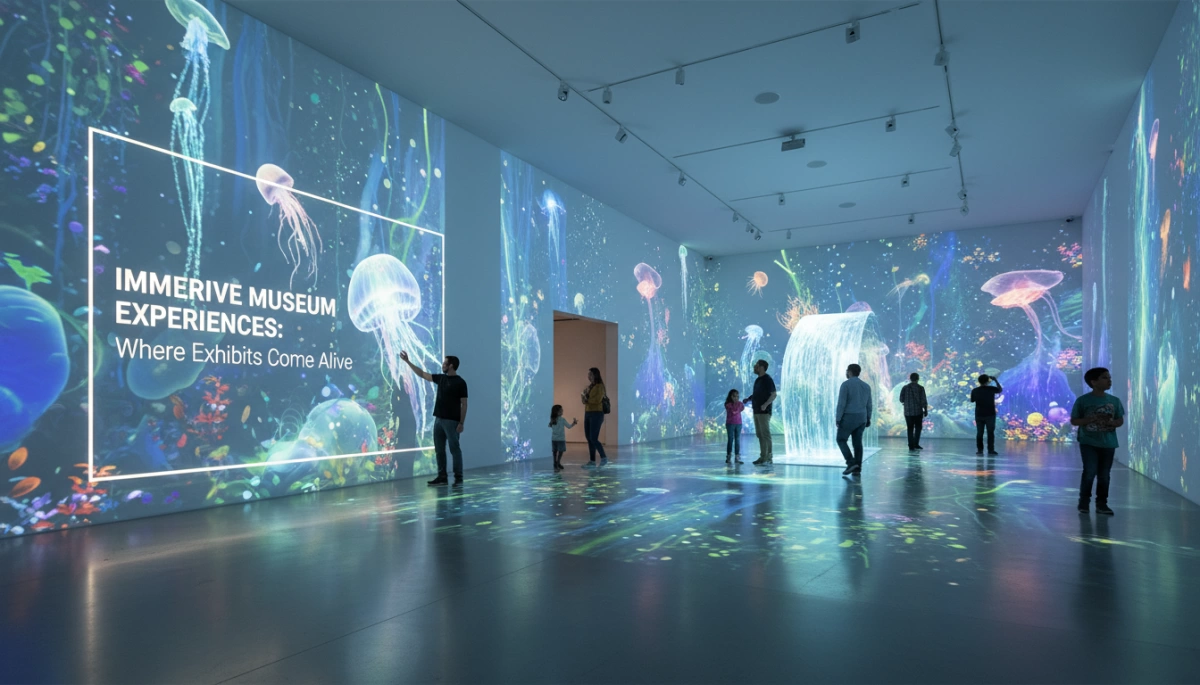
If you think museums are just about quietly staring at dusty artifacts behind glass, think again. Immersive museum experiences are flipping the script—transforming exhibits into vibrant, multi-sensory worlds where history, art, and technology collide. From augmented reality museums that layer digital magic onto physical displays to 360-degree visual experiences that pull you inside the story, this is where exhibits come alive in the most unforgettable ways. Ready to see how the future of museums is blending education with entertainment, and why visiting one might just blow your expectations? Let’s dive in.
Defining the Immersive Experience
What exactly makes a museum experience immersive today? It’s more than just looking at paintings or reading signs. Immersive museum experiences break free from flat, 2D displays and pull you into a world where 360-degree visuals, rich soundscapes, even scent and touch come alive. Imagine stepping inside a swirling starry sky while hearing the gentle hum of space around you, or feeling the texture of ancient fabrics as you explore history with your senses fully engaged. This multi-sensory approach makes exhibits more vivid, memorable, and deeply impactful.
At its core, immersion taps into psychology. When we experience true flow—being completely absorbed and emotionally connected—it activates memory pathways that help information stick longer. That’s part of why immersive storytelling in museums isn’t just cool tech, but a powerful way to teach and inspire.
This blend of education and entertainment—often called edutainment—speaks to everyone, from curious toddlers to the TikTok generation craving quick, engaging content, and lifelong learners hungry for meaningful discovery. It’s a fresh, dynamic way museums stay relevant and captivating in a fast-paced digital world, making learning feel like an adventure rather than a lecture.
The Tech Stack: How Exhibits Come Alive
Modern immersive museum experiences rely on a mix of cutting-edge technologies that turn traditional exhibits into dynamic, engaging stories. One key tool is projection mapping and digital canvases, where static walls transform into moving masterpieces. A prime example is The Van Gogh Experience, where vibrant colors and brushstrokes swirl all around visitors, making art literally come to life.
Next up, augmented reality (AR) and virtual reality (VR) are reshaping how we explore history and culture. AR layers digital information over physical artifacts—for instance, you might point your smartphone at a dinosaur skeleton and see how it once roamed the Earth. VR takes it further, fully transporting you to ancient cities or historical events, like walking through a bustling Ancient Rome or standing inside the Great Pyramids.
To deepen engagement, museums are using haptic technology and interactive sensors. These tools invite visitors to touch, move, and make sound, breaking the old “don’t touch” rule and encouraging hands-on interaction. Whether it’s feeling the texture of a fossil or triggering sounds by stepping on certain spots, this tech creates memorable, multi-sensory moments.
Finally, spatial audio adds a layer of realism, using 3D soundscapes that mimic real environments. Imagine hearing birds chirping from one side or echoes in a cavern—this immersive sound design enhances atmosphere and helps visitors feel fully immersed.
Together, these technologies form the backbone of today’s immersive museum experiences, making exhibits not just seen or read, but truly lived. For similar immersive sound insights, check out this guide on the soundscape of different environments.
Global Hotspots: Where to Find the Best Immersive Museums
If you’re on the lookout for top immersive museum experiences, some global hotspots are leading the way in bringing exhibits to life.
The Art Revolution: TeamLab Borderless (Tokyo/Shanghai)
TeamLab Borderless is a groundbreaking digital art museum where interactive art installations respond to your movements. Located in Tokyo and Shanghai, this multi-sensory exhibit transforms spaces into flowing digital masterpieces. Visitors become part of the art itself, showing how immersive museums can merge technology with creativity in exciting ways.
History Reimagined: National Museum of Natural History (Paris & Washington DC)
Using augmented reality museums techniques, the National Museum of Natural History reinvents how we engage with extinct species. Here, AR layers digital reconstructions over physical displays, allowing you to see dinosaurs come alive through smartphones or tablets. This blend of digital storytelling and real artifacts makes history accessible and unforgettable.
The Narrative Journey: Museum of the Future (Dubai)
Dubai’s Museum of the Future takes immersive storytelling to another level by mixing physical sets with digital overlays. Visitors get a glimpse of future technologies and ideas, making the past, present, and future collide in one fascinating sensory experience. It’s a must-see for anyone interested in how museums can predict and shape what comes next.
Pop-Up Culture: Traveling Immersive Exhibits
The rise of pop-up immersive exhibits like Color Factory and Museum of Ice Cream has brought multi-sensory experiences to the masses. These shows combine vibrant visuals, interactive art, and social media-friendly setups that encourage visitor engagement. Often temporary and traveling, they influence how museums and exhibitions attract younger, tech-savvy audiences.
For travelers drawn to immersive art, exploring local cultural treasures like the Hundertwasser Art House can add a unique, artistic twist to your journey—something worth checking out while visiting vibrant cities. For instance, see unique sights akin to immersive museums in the Must-See Sights in Seville guide, blending history with interactive appeal.
The Benefits of Immersive Storytelling
Immersive museum experiences aren’t just about flash— they bring real value to visitors and museums alike. Here’s how:
| Benefit | What It Means | Why It Matters |
|---|---|---|
| Accessibility | Multi-sensory exhibits engage sight, sound, touch, and even scent | Supports diverse learning styles and makes museums welcoming for people with disabilities |
| Preservation | Digital preservation lets visitors interact with delicate artifacts without risk | Protects priceless objects while still allowing close-up experiences |
| Engagement | Interactive storytelling boosts youth attendance and extends visitor time in exhibits | Keeps audiences hooked, especially younger generations used to dynamic content |
These multi-sensory exhibits go beyond static displays, providing sensory-rich environments that help information stick better. For example, spatial audio soundscapes or haptic technology in art create deeper emotional connections, making museum visits memorable and meaningful. This blend of education and entertainment—often called edutainment—especially appeals to lifelong learners and the TikTok generation seeking fresh, engaging ways to explore culture and history.
By prioritizing accessibility and preservation, immersive storytelling in museums helps build a more inclusive and respectful space, while lively, interactive setups increase engagement and visitor satisfaction. To explore more about how museums are evolving to capture today’s visitors, check out why some visitors are moving beyond traditional social media hooks to find more meaningful travel experiences.
Challenges and Criticisms
Immersive museum experiences aren’t without their hurdles. One big debate is the “Instagram Trap”—are museums prioritizing flashy visuals and selfie moments over real substance? Some worry that exhibits are designed more for social media buzz than for deep learning or genuine emotional connection.
Then there’s the cost factor. High-tech installations like augmented reality museums, projection mapping technology, and interactive art installations come with hefty price tags—not just for setup but for ongoing maintenance. This can lead to more expensive ticket prices, potentially limiting access for some visitors.
Finally, museums face the challenge of balancing tech with authenticity. The goal is to use digital storytelling and immersive elements to enhance historic and cultural content, not overshadow or distort it. When done right, technology should deepen engagement without sacrificing the integrity of the artifacts or narratives on display.
Keeping this balance is key to ensuring immersive museum experiences remain meaningful and accessible to everyone.
What’s Next? The Future of Museum Immersion
The future of immersive museum experiences is all about using smart technology to make visits more personal and engaging.
AI Curators are becoming a game-changer, offering personalized tours based on a visitor’s interests and pace. Imagine an app or digital assistant that adapts the exhibit journey to your favorite topics, making each visit unique and meaningful. This kind of digital storytelling helps create stronger emotional connections and keeps visitors coming back for more.
Then there’s the Metaverse connection—virtual museum visits are stepping up with incredibly detailed, 360-degree environments that let you explore famous places like the Louvre without leaving your home. These virtual reality history tours bring cultural heritage preservation into the digital age, offering accessibility to people worldwide, regardless of travel limitations.
Holographic guides are also shaping the landscape, bringing “living” historical figures and artists to life. These interactive digital avatars explain artifacts, provide context, and guide visitors through exhibitions, blending storytelling with cutting-edge tech. It’s a natural extension of immersive museum experiences, where education and entertainment continue to merge seamlessly.
With these advances, museums are transforming into dynamic spaces where history, art, and technology fuse, making cultural discovery more interactive and memorable than ever. For those looking for visually stunning inspiration, exploring destinations through beautiful photos of museums worldwide can spark your next immersive adventure.