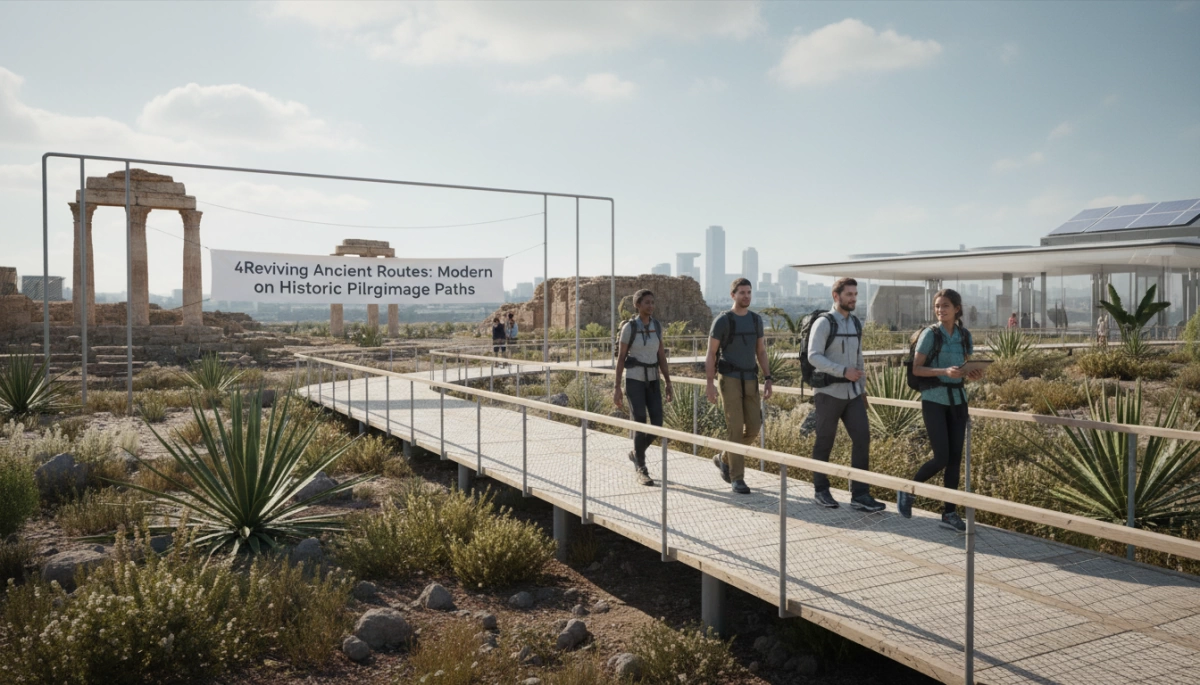
The Shift from Penance to Personal Growth
When you imagine pilgrims of old, you might picture weary souls driven by religious duty and penance. Today, that image is evolving. The modern pilgrimage is less about repentance and more about personal growth, self-discovery, and slow travel — a conscious escape from our hyper-connected, fast-paced world.
Redefining the “Pilgrim”
The term “pilgrim” no longer applies solely to religious devotees. I’ve met all sorts along the trail:
- Secular seekers looking for meaning beyond faith.
- Adventure hikers chasing physical challenges.
- History buffs eager to walk through centuries-old routes.
This shift broadens the appeal of long-distance hiking trails, drawing a richer, more diverse crowd. People now embark on pilgrimages not just for spiritual quests but to reconnect with nature, culture, and themselves.
The Psychology of Long-Distance Walking
Why walk hundreds of miles when you could fly or drive? It’s about embracing slow travel—moving deliberately, soaking in every detail along the trail. The psychology here is powerful:
- Digital detox: Unplugging from screens and constant notifications.
- Mental wellness: The meditative rhythm of walking calms the mind.
- Physical challenge: Pushing boundaries creates a lasting sense of achievement.
These factors collectively attract modern pilgrims seeking balance in a noisy world.
Community on the Trail
One surprising reward? The people you meet along the way. Shared hardship, hostel nights, and communal dinners foster deep, if temporary, social bonds. Strangers become companions, united by the trail’s demands and stories.
- Hostels/albergues serve as social hubs.
- Shared meals and tales deepen connections.
- Mutual support helps overcome challenges.
This camaraderie enhances the pilgrimage, making the journey itself as meaningful as the destination.
In recalibrating the pilgrimage from penance to personal exploration, today’s walkers tap into something timeless yet fresh—the slow rhythm of foot travel, the mental reset of a digital detox, and the unexpected warmth of community forged on the move.
Global Pathways: Iconic Routes Reimagined for Today
Historic pilgrimage paths are evolving to meet the needs of modern travelers, blending tradition with contemporary comforts and challenges.
The Camino de Santiago (Spain/France): Beyond the Frances
While the classic French Way remains the most popular, many now opt for lesser-known routes like the Camino Primitivo and the Camino del Norte. These options offer quieter trails that avoid overcrowding, allowing for a more immersive experience. Alongside this shift, infrastructure has been upgraded with Wi-Fi in albergues and convenient luggage transfer services, making the journey easier without sacrificing authenticity.
The Kumano Kodo (Japan): Nature and Spirituality Combined
Japan’s Kumano Kodo trek is gaining attention as a route where forest bathing (Shinrin-yoku) merges effortlessly with Shinto spirituality. Walking through ancient cedar forests awakens the senses and offers a unique form of meditation rooted in nature. Interestingly, some travelers embrace the dual-pilgrim status by connecting experiences on the Kumano Kodo with the Camino de Santiago, blending cultures and spiritual traditions.
The Via Francigena (UK to Italy): Alpine Challenge and Culinary Heritage
The Via Francigena, stretching from the UK to Italy, is prized by those seeking a more athletic pilgrimage. Crossing the Alps presents a physical test that draws long-distance hikers eager for a challenge. Beyond the mountain passes, the journey highlights Europe’s rich culinary roots, offering tastings of traditional dishes and regional wines, making this trek also a cultural and gastronomic adventure.
St. Olav’s Way (Norway): Solitude in Nordic Wilderness
For those craving solitude, St. Olav’s Way in Norway offers raw landscapes far from the social bustle of southern routes. Hikers here walk through rugged terrain and peaceful forests, embracing the Nordic ethos of simplicity and quiet reflection, perfect for pilgrims favoring nature’s untouched beauty over crowded trails.
For those interested in exploring more about European destinations and planning luxury stays during their travels, check out insights on why Europe shines in every season or tips for a luxury stay at Lopesan Baob, which could complement your pilgrimage experience.
The Practical Pilgrim: Navigating History with Modern Tech
Modern pilgrimage routes have seen a huge boost from technology, making long-distance hiking trails easier and more accessible than ever. Instead of relying solely on paper maps, most pilgrims now use GPS and dedicated trail apps like AllTrails and Wise Pilgrim. These tools help with everything from real-time navigation to finding accommodations and booking services, streamlining the entire journey.
Gear has also evolved drastically. Ultralight fabrics and ergonomic footwear reduce physical strain, allowing more people to enjoy these routes comfortably. This gear evolution opens historic paths to beginners and seasoned hikers alike, encouraging sustainable adventure travel.
The tradition of carrying a “Credencial” or pilgrimage passport remains strong but has taken on a new twist. Collecting stamps along the way is now often seen as a gamified travel achievement rather than just a spiritual record, appealing to both secular seekers and those on self-discovery journeys.
For a balanced approach to travel, it’s worth checking advice on how to say no to bad travel habits, ensuring your pilgrimage stays respectful and fulfilling.
Sustainable Steps: The Impact of Foot Traffic on Heritage
Long-distance hiking trails like the Camino de Santiago routes and the Kumano Kodo trek bring new life to rural villages and dying towns. These paths spark economic revitalization, creating opportunities for local businesses—from small inns to cafes—that depend on steady foot traffic. Walkers often bring a welcome boost to these communities, keeping cultural heritage alive in places that might otherwise fade away.
But this influx of visitors also raises overtourism concerns. High numbers of pilgrims and hikers can cause trail erosion, overcrowded facilities, and waste management challenges. Balancing preservation with popularity means managing foot traffic carefully to protect both the environment and local traditions.
This is where the ethos of “Leave No Trace” becomes essential. Today’s travelers are encouraged to respect sacred spaces and natural surroundings by minimizing waste, sticking to marked trails, and being mindful of local customs. Sustainable adventure travel isn’t just good for the planet—it preserves the very history and culture that make these pilgrimage routes so meaningful.
For those interested in truly immersing themselves in the cultural and community aspects of these routes, exploring how to make friends while trekking can enrich the experience and foster deeper respect for the places you visit.
Preparing for the Journey: Physical and Mental Readiness
Embarking on historic pilgrimage paths requires both physical prep and mental focus. Training for multi-day trekking means gradually building stamina—start with daily walks, then add hills or longer distances. Aim for consistent, low-impact exercises like hiking, cycling, or swimming to condition your body without overdoing it.
Packing smart is just as important. The mantra is simple: carry less, experience more. Ultralight backpacking gear has revolutionized the way pilgrims travel—think breathable fabrics, compact sleeping bags, and versatile clothing layers. Prioritize essentials like quality footwear, a good rain jacket, and a reliable water bottle, but keep weight minimal to avoid fatigue.
Mental readiness ties into the growing appeal of slow travel and digital detox vacations. Preparing yourself to embrace solitude, stay present, and disconnect from the online rush enhances the self-discovery journey many seek on these routes. Planning rest days and practicing mindfulness can help maintain balance on the trail.
For those new to such adventures, this practical approach boosts confidence and makes the physical challenge manageable. Whether walking the Via Francigena itinerary or the Kumano Kodo trek, being well-prepared physically and mentally makes the experience richer and more rewarding.
For more insights on traveling thoughtfully and balancing companionship with solitude, check out this guide on traveling with a partner vs. traveling solo.