
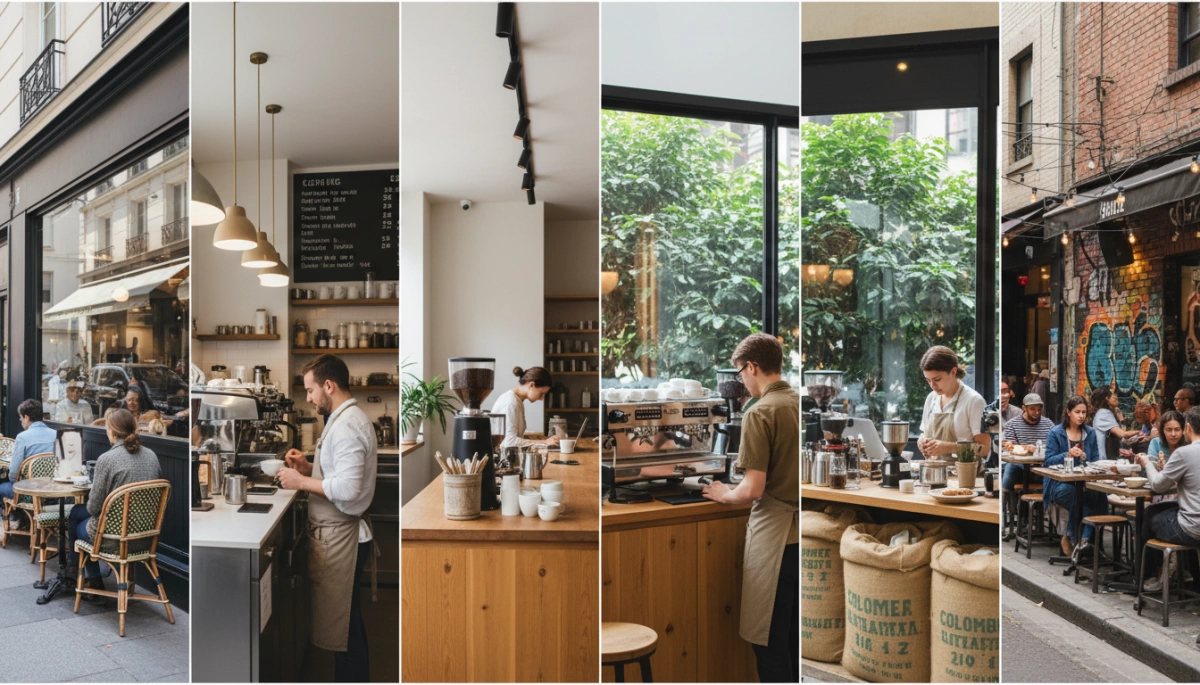
The Old World: Tradition and Grandeur in Europe
Italy: The Spiritual Home of Espresso
Italy is where coffee culture lives and breathes tradition. Here, espresso isn’t just a drink—it’s almost a ritual, a daily pulse in bustling piazzas and quiet alleyways alike. When you step into an espresso bar, or al banco (at the bar), you tap into a timeless coffee heritage steeped in social norms and sensory delights.
The Culture: Standing at the Bar and Unwritten Rules
In Italy, coffee is fast, focused, and highly social. You’ll often find locals standing at the bar, sipping an intense espresso in a matter of seconds before heading off. It’s efficient, but never rushed. One key “unwritten rule” to remember: cappuccinos are generally a breakfast-only affair, typically consumed before 11 AM. Ordering a cappuccino after that time strikes locals as odd—milk-heavy drinks are seen as disrupting digestion later in the day.
Must-Visit Cafés: Venice and Rome
- Caffè Florian (Venice): Step into history at this opulent café established in 1720, where rococo interiors and fragrant espresso aromas transport you back centuries.
- Sant’Eustachio Il Caffè (Rome): Renowned for its secret blend and traditional roasting, this spot is a pilgrimage for serious coffee lovers seeking that perfect Italian shot.
What to Order: Espresso or Caffè Macchiato
Keep it simple and authentic by ordering:
- Espresso: Bold, velvety, and sharply aromatic—Italy’s signature coffee experience.
- Caffè Macchiato: An espresso “stained” with a dollop of milk foam, perfect if you want something softer without losing that rich espresso heart.
Italy’s old-world coffee culture is the cornerstone of the global coffee scene, marrying speed, flavor, and social connection in every cup.
Austria: The Viennese Living Room
Vienna’s café culture is more than just a place to grab coffee—it’s a social institution and has even earned UNESCO Intangible Cultural Heritage status. Here, the café acts like a living room where locals linger for hours over a single cup, enjoying newspaper reading, deep conversations, or simply watching the world go by. It’s that slow, thoughtful pace that makes Viennese coffeehouses so unique.
Some must-visit cafés include Café Central, renowned for its grand, historic interiors and legendary patrons like Trotsky, and Café Sacher, famous not just for coffee but for the original Sachertorte, a rich chocolate cake perfect alongside your drink.
When in Vienna, the classic order is a Wiener Melange—a smooth mix of espresso and steamed milk topped with milk foam, striking a perfect balance between strength and creaminess. This drink captures the essence of Vienna’s approach to coffee: refined, leisurely, and deeply rooted in tradition.
If you’re planning your trip, consider pairing your visit with practical tips from how to handle culture shock to enjoying local customs, which you can explore more in our guide on dealing with culture shock.
Scandinavia (Sweden/Denmark): The Art of Fika
The Culture: Slowing Down and Socializing
In Scandinavia, particularly Sweden and Denmark, coffee culture is all about fika—a cherished tradition of taking a break to slow down, enjoy good coffee, and connect with others. It’s less about rushing and more about savoring the moment, often paired perfectly with a cinnamon bun, or kanelbulle. With one of the highest per-capita coffee consumptions worldwide, this ritual reflects a deep appreciation for quality coffee and meaningful social time.
Must-Visit Cafés
If you find yourself in Stockholm, don’t miss Drop Coffee, known for its expert roasting and specialty beans. Over in Copenhagen, Coffee Collective stands out as a leader in the third wave coffee movement, focusing on sustainability and unique single-origin beans. Both spots highlight independent coffee shops that have revolutionized the local scene with their precision and commitment to quality.
What to Order
For an authentic Scandinavian experience, go for a bright, light-roast filter coffee, brewed to highlight subtle tasting notes, alongside a freshly baked kanelbulle. This pairing perfectly captures the essence of fika—the balance of smooth, aromatic coffee and the sweet, spiced pastry.
For those curious about other global coffee cultures, exploring the slow, social coffee traditions here complements a wider understanding of the specialty coffee roasters shaping the global bean-to-cup scene.
France: The Parisian Sidewalk
The coffee culture in France revolves around the simple pleasure of sitting outdoors on a sidewalk café, sipping slowly while watching the world go by. These cafés have long been gathering spots for intellectuals, artists, and writers, creating a vibrant hub where ideas and conversations flow as freely as the coffee. The charm is in the ritual—settling into a rattan chair, soaking in the buzz of the city, and enjoying a moment of calm amid the urban rush.
Must-Visit Cafés
If you want to experience authentic Parisian coffee culture, head to Les Deux Magots or Café de Flore. Both spots are iconic, steeped in history, and perfect places to observe the café lifestyle that inspired generations.
What to Order
Order a Café Crème, the French answer to the latte, with its smooth blend of espresso and steamed milk. It’s the ideal drink to enjoy during a lazy afternoon of people-watching or catching up on some reading.
For more insights into planning your trip and exploring local cultures, check out this detailed guide on things to know before visiting.
The Third Wave Pioneers: Oceania and North America
Australia (Melbourne): The Global Standard for Specialty Coffee
Melbourne stands out as a global hotspot for the third wave coffee movement, where specialty coffee roasters take bean quality seriously and baristas obsess over perfecting latte art. This city is credited with inventing the Flat White, a smooth espresso-based drink that’s now a global favorite. Coffee culture here is deeply tied to brunch — you won’t find one without the other, making café visits a social ritual as much as a caffeine fix.
Melbourne’s coffee scene is filled with independent coffee shops that focus on single-origin beans and sustainable coffee farming. The passion for freshness, espresso bar etiquette, and quality makes these cafés a must for any coffee lover.
Must-Visit Cafés: St. Ali, Patricia Coffee Brewers
What to Order: Flat White or Magic — both highlight espresso’s richness with velvety milk, defining the local taste.
For those fascinated by specialty coffee roasters and the bean-to-cup experience, Melbourne’s cafés set the global standard. If your travels also take you to Italy, consider comparing the feel of Melbourne’s modern coffee culture to the traditional European spots in our guide to Cinque Terre or Portofino.
USA (Seattle & Portland): From Giants to Artisans
The USA’s coffee culture, especially in Seattle and Portland, is a fascinating journey from the “Second Wave” giants like Starbucks to a thriving scene of specialty coffee roasters. Seattle gave birth to Starbucks, which popularized coffee culture worldwide, making espresso drinks and café chains mainstream. But today, these cities are hubs for independent coffee shops that focus on single-origin beans, sustainable coffee farming, and meticulous roasting techniques.
The culture here celebrates craftsmanship — baristas compete in championships, and coffee lovers savor pour-over brews made with precision. It’s not just about grabbing a quick cup; it’s about experiencing coffee’s complex tasting notes and the bean-to-cup journey. This shift is part of the broader third wave coffee movement, emphasizing quality, transparency, and artisanal preparation.
Must-visit cafés reflect this passion: the Starbucks Reserve Roastery in Seattle offers a grand spectacle of coffee innovation and education, while Portland’s Coava Coffee Roasters is known for its minimalist vibe and top-notch pour-overs.
What to Order: Try a delicate pour-over to appreciate the clear flavors, or a smooth cortado for a balanced espresso-milk ratio that’s perfect both morning and afternoon.
If you’re planning a visit, exploring these coffee scenes pairs well with discovering American urban culture and history, much like the rich experiences found in European cities highlighted in 9 reasons Europe is better in autumn.
The Rising Stars: Innovation in Asia
Japan: Kissaten Tradition vs. Minimalist Modernity
Japan’s coffee culture is a fascinating blend of the old and the new. The traditional kissaten are classic coffee shops where coffee is brewed with precision, often using hand-drip methods that highlight the bean’s subtle notes. These spots have an almost ritualistic feel, focusing on slow, deliberate preparation and a cozy atmosphere. On the other end of the spectrum, ultra-modern specialty cafés like % Arabica bring minimalist design and cutting-edge brewing techniques to the forefront, appealing to a younger crowd and digital nomads seeking both quality and style.
The Culture
Kissaten culture in Japan emphasizes patience and craftsmanship in every cup. These old-school cafés serve as quiet retreats where you can savor a perfectly balanced siphon coffee or hand drip, made with meticulous attention to detail. Meanwhile, modern specialty coffee roasters focusing on single-origin beans and third wave coffee movement trends have fueled a renaissance in Japanese coffee, blending aesthetics with innovation.
Must-Visit Cafés
- Café de L’Ambre (Ginza): Renowned for its dedication to aged beans and siphon brewing techniques.
- Omotesando Koffee: A minimalist hotspot blending traditional methods with contemporary coffee culture, perfect for lovers of delicate hand drip brews.
What to Order
Try a classic siphon coffee or a carefully brewed hand drip to experience the full depth and clarity of Japan’s specialty coffee scene. These styles highlight the distinct aromas and tasting notes, reflecting careful bean selection and roasting.
For those exploring Japan, pairing your visit to a kissaten with a stroll through the city offers a genuine bean-to-cup experience that’s truly unlike anywhere else.
Vietnam: Strong, Sweet, and Social
Vietnam’s coffee scene is vibrant and deeply social, centered around robust Robusta beans that pack a bold punch. The culture thrives on simple pleasures: gathering at street-side cafés with plastic stools, sipping slow-drip coffee brewed through traditional phin filters. It’s more than just a drink—it’s a communal experience where locals connect and unwind.
Must-Visit Cafés
For an authentic taste, try spots like Note Coffee in Hanoi or Giang Café, where you can soak in the atmosphere of genuine Vietnamese coffee culture.
What to Order
Don’t miss Cà Phê Trứng (Egg Coffee), a creamy, sweet blend topped with frothy egg yolk, or the ever-popular Cà Phê Sữa Đá (Iced Coffee with Condensed Milk)—a refreshingly sweet cold brew perfect for hot days.
This approach to coffee perfectly reflects Vietnam’s blend of tradition and social warmth, making it a unique destination for coffee tourism and the bean-to-cup experience.
The Origins: Middle East and Latin America
Turkey: Fortune Telling and Grounds
Turkish coffee is one of the oldest coffee traditions in the world, known for its unfiltered, strong, boiled brew served alongside a glass of water and often some sweet Turkish delight. What makes it truly unique is the ritual of reading fortunes in the coffee grounds left at the bottom of the cup—a cultural practice that adds a mystical layer to the coffee experience. When ordering, you can specify your preferred sweetness level: sade (unsweetened), orta (medium sweet), or şekerli (sweet). This coffee is thick and rich, demanding patience and appreciation for its intense flavor and history.
Must-Visit Café: Mandabatmaz in Istanbul is a top spot to enjoy this authentic bean-to-cup experience, celebrated for its perfectly brewed Turkish coffee.
Ordering a traditional Turkish Coffee here offers a glimpse into a deep-rooted cultural ritual that’s part of the broader Middle Eastern coffee culture, where coffee is more than just a drink—it’s a social ceremony and a moment to slow down and connect.
For travelers interested in cultural rituals alongside coffee, check out tips on how to make friends easily when exploring new café scenes abroad in this guide to building connections while traveling.
Colombia: Farm to Cup
Colombia’s coffee culture is evolving beyond just being a major exporter. Locals increasingly appreciate high-quality coffee at home, embracing a true bean-to-cup experience. Visiting a finca, or coffee farm, offers a unique glimpse into sustainable coffee farming practices and how single-origin beans are cultivated with care.
For city stops, Café San Alberto in Bogotá and Cartagena stands out. It’s perfect for tasting expertly roasted coffee that highlights Colombia’s diverse growing regions.
What to Order: Try a traditional Tinto, a simple black coffee beloved by locals, or go for a refined single-origin pour-over like the V60 to savor bright, nuanced tasting notes. These options reflect Colombia’s proud coffee heritage and the rising specialty coffee scene.
If you enjoy exploring detailed coffee cultures, a look at why I always pack light for travel might be a helpful resource to prepare for your Colombian coffee adventure.
Traveler’s Guide: How to Spot a Good Café Anywhere
Finding a top-notch café while traveling can make all the difference in your coffee experience. Here’s a simple guide to help you spot quality cafés and navigate local coffee culture like a pro.
Signs of Quality
- Freshly Ground Beans: Look for cafés grinding beans on the spot. It’s a good sign they care about freshness and flavour.
- Roast Dates on Bags: Many specialty coffee roasters list roast dates on their packaging. Fresh beans are usually within two weeks of roasting.
- Clean Equipment: Espresso machines, grinders, and brewing tools should be spotless and well-maintained. Cleanliness affects taste and shows attention to detail.
- Single-Origin Beans & Sustainable Sourcing: Quality cafés often highlight their bean origins and sustainable coffee farming practices.
Navigating Menus
Coffee menus vary worldwide, but knowing the basics helps:
- Long Black: An espresso diluted with hot water, strong but lighter than straight espresso.
- Americano: Similar to Long Black but usually with more water, offering a milder taste.
- Lungo: A “long” espresso shot, extracted with more water, making it less intense but still rich.
Understanding these terms means you can order confidently anywhere, especially in cafés focusing on specialty coffee roasters and the third wave coffee movement.
Local Etiquette
Coffee culture also comes with local customs that are easy to respect:
- Tipping: Tipping habits vary. In the US, 15–20% is standard, while many European cafés don’t expect tips. Some countries prefer rounding up or leaving small change.
- Wi-Fi Norms: Digital nomad friendly cafés are growing, but some places limit Wi-Fi or discourage laptop use to keep the atmosphere relaxed. Always check local café etiquette before settling in.
Mastering these tips lets you enjoy the full bean-to-cup experience and appreciate the uniqueness of each coffee tourism destination you visit.
For more travel insights and how to choose the best spots on your journeys, explore detailed guides like choosing between mountains and beaches or one-month one region travel strategies to balance your itinerary and coffee stops smartly.