Why Sicily is the World’s Greatest Edible Melting Pot
Sicily’s food tells the story of its past—a vibrant blend shaped by Greeks, Arabs, Normans, and Spaniards, each leaving distinct flavors and techniques. The Greeks introduced olive oil and wine culture, while the Arabs brought aromatic spices like saffron and the sweet balance of citrus fruits. Norman and Spanish influences added rich pastries and robust meat preparations, making Sicilian cuisine a unique mosaic. This layered history creates a culinary landscape where every bite is a journey through time.
Central to Sicily’s food culture is the philosophy of ‘Km 0’ dining—using seasonal, locally sourced ingredients harvested just kilometres from your plate. This commitment ensures freshness, supports small producers, and preserves authentic tastes. From sun-ripened tomatoes to the freshest catch of the day, the essence of Sicily is in its respect for nature’s rhythms.
To truly embrace this edible melting pot, renting a car is essential. Sicily’s best food experiences lie off the beaten path—from coastal seafood shacks near Agrigento to tiny Baroque villages serving homemade cheese near Ragusa. A car gives you freedom, letting you chase hidden markets, stop at family-run agriturismo farms, and explore the diverse food scenes spanning Palermo to Catania at your own pace. Without it, you’d miss the soul of Sicilian food culture.
The Route at a Glance: Palermo to the East Coast
This 7-day Sicily food lover’s trip takes you on a scenic and flavour-packed journey from the bustling streets of Palermo all the way to the volcanic east coast. Here’s the route at a glance:
- Day 1-2: Palermo — Dive into the vibrant Sicilian street food scene, exploring markets like Ballarò and Vucciria and tasting iconic dishes like panelle, arancini, and pasta con le sarde.
- Day 3: Agrigento — Visit the ancient Valley of the Temples, then enjoy fresh seafood in Porto Empedocle before heading south.
- Day 4: Ragusa and Modica — Discover the Baroque towns and indulge in Modica chocolate, plus Michelin-star meals in Ragusa Ibla.
- Day 5: Ortigia (Syracuse) — Explore the lively Ortigia food market and unwind with a seaside Nero d’Avola wine aperitivo.
- Day 6: Mount Etna — Experience volcanic wines with tastings of Nerello Mascalese and Carricante grapes, and sample dishes featuring the local Bronte pistachios.
- Day 7: Catania — End your trip at La Pescheria fish market, followed by a classic Sicilian breakfast of granita and brioche, plus the birthplace of pasta alla Norma.
Renting a car is essential to fully enjoy this food travel Sicily guide, as it gives you the freedom to explore off-the-beaten-path agriturismo dining, small towns, and vineyards like those in the Noto Valley wineries. This route blends iconic Sicilian street food tours with fine dining and authentic local experiences, making it a complete culinary adventure from west to east.
Days 1-2: Palermo – The Street Food Capital of Europe
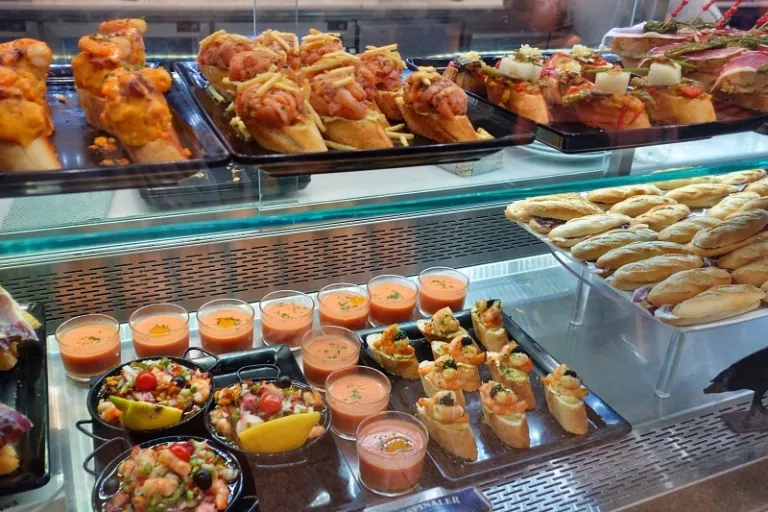
Palermo is a paradise for anyone on a Sicilian street food tour. Start your culinary adventure by wandering through the chaotic, colourful markets of Ballarò and Vucciria. Here, you’ll find iconic must-eats like Panelle (chickpea fritters), Cazzilli (potato croquettes), and Stigghiola (grilled stuffed offal skewers). Each snack tells a story of the city’s layered food history and lively market culture.
No visit to Palermo is complete without diving into the famous Arancina debate. In the west of Sicily (including Palermo), arancine are typically round, while in the east they take a teardrop shape. Both versions pack a delicious punch, filled with ragù, peas, or even pistachio cream, making them one of the best street food finds.
For dinner, settle in at a local trattoria to enjoy Pasta con le Sarde — a traditional Sicilian dish featuring fresh sardines, wild fennel, pine nuts, and raisins. This authentic plate perfectly captures the island’s blend of sweet and savory flavours.
To get a feel for how street food evolved, you might find this story on how street food became mainstream an interesting read alongside your culinary explorations.
Day 3: Agrigento and the Coast – Ancient Ruins and Fresh Catch
Start your third day with a visit to the Valley of the Temples in Agrigento, one of the most impressive archaeological sites in Sicily. This ancient Greek complex offers a fascinating glimpse into the island’s rich cultural history and is a must-stop for any food lover interested in the deep roots of Sicilian traditions.
For lunch, head down to nearby Porto Empedocle, a charming fishing town famous for its fresh seafood. Dive into local specialties like crudo, a Sicilian take on raw seafood that highlights the pristine quality of the ocean’s bounty. Don’t miss the creamy, flavour-packed sea urchin pasta, a coastal delicacy that perfectly marries the sea with traditional Sicilian cooking.
In the evening, make your way to Modica, a gem in the Baroque South of Sicily. This town is a world apart from the morning’s ancient ruins, known for its stunning architecture and its unique Modica chocolate tasting tradition. Modica’s chocolate, crafted using a cold-processing method inspired by the Aztecs, offers a grainy, intense flavour that’s unlike any other chocolate you’ve tried before, making it an essential stop on your food travel Sicily guide.
For more on planning a smooth food journey, consider practical tips from other well-loved historic destinations like how to spend a day in Piha which share insights on balancing culture and culinary exploration.
Day 4: Modica and Ragusa – Chocolate and Michelin Stars
Modica is world-famous for its unique chocolate, a delicious legacy of the Aztec influence brought by the Spanish. Unlike smooth, creamy chocolates, Modica chocolate is grainy and cold-processed, preserving an intense, slightly gritty texture and deep flavor. Tasting this traditional chocolate is a must during your Sicilian foodie trip — look out for shops offering free samples to truly appreciate its distinct character.
Just a short drive from Modica, Ragusa Ibla offers a charming contrast with its blend of rustic Sicilian charm and refined Michelin-starred dining. Here, you’ll find fine restaurants alongside traditional trattorias, giving you a wide spectrum of Sicilian culinary experiences. Don’t miss trying Scacce Ragusane—a folded flatbread pie stuffed with local vegetables, cheese, or meat—a staple that perfectly captures the hearty flavors of the region.
Between tasting Modica chocolate and exploring Ragusa Ibla’s food scene, you get a genuine taste of Sicily’s rich culinary diversity rooted in history and elevated by modern creativity.
Day 5: Ortigia (Syracuse) – The Market Island
Ortigia’s street market is a sensory feast. Walking through the rows of spice stalls and lively fishmongers gives you a taste of authentic Sicilian life. Make sure to try the local favorite, ‘Borderi’ panini—these sandwiches feature fresh, flavorful fillings that perfectly capture the island’s simple, bold flavors.
As the day winds down, head to a seaside bar for a sunset aperitivo, sipping on a glass of Nero d’Avola—Sicily’s signature red wine. The combination of the warm sea breeze, the vibrant market atmosphere, and a glass of rich Etna wine makes Ortigia a memorable stop on any Sicilian food tour.
If you want to dive deeper into the vibrant market scene and the best restaurants in the area, exploring the Ortigia food market Syracuse is essential for every food lover’s itinerary.
Day 6: Mount Etna – Volcanic Wines and Pistachios
Mount Etna’s volcanic soils create a unique terroir that produces some of Sicily’s most distinctive wines. The Etna DOC wine region is famous for its red Nerello Mascalese and white Carricante grapes. Visiting local wineries here is a highlight for any food lover’s trip—tastings often include robust reds with mineral notes and crisp whites, perfectly paired with small plates featuring regional ingredients.
Nearby Bronte, known as the “Land of Pistachios,” offers another culinary treasure. Bronte pistachios, nicknamed ‘Green Gold,’ are prized for their rich aroma and vibrant color. Don’t miss dishes using pistachio pesto, whether in pasta, on crostini, or in desserts. This combination of volcanic wine and pistachio-flavored fare is a true taste of Sicily’s rugged, fertile landscape.
For more detailed itineraries on wine tasting routes and local Sicilian dining, check out travel guides that cover the best of Sicily’s food and wine scenes.
Day 7: Catania – Fish Markets and Farewell Granita
Your final day in Sicily is all about diving into Catania’s vibrant culinary scene. Start early at La Pescheria, the city’s bustling fish market, where the energy is electric and vendors shout over the crowds to sell the freshest catch. Watching the daily chaos unfold feels like a front-row seat to a theatrical show, with everything from swordfish to sardines on display. It’s the perfect spot to get a genuine taste of Sicilian seafood culture before enjoying a seafood lunch at one of the nearby seafood restaurants in Sicily.
For a truly authentic Sicilian breakfast, don’t miss the classic granita and brioche combo. This refreshing sweet treat is a Catanese staple—smooth, icy granita served with a soft, buttery brioche bun that you tear and dip as you go. Pair it with a cup of strong espresso to start your day the Sicilian way.
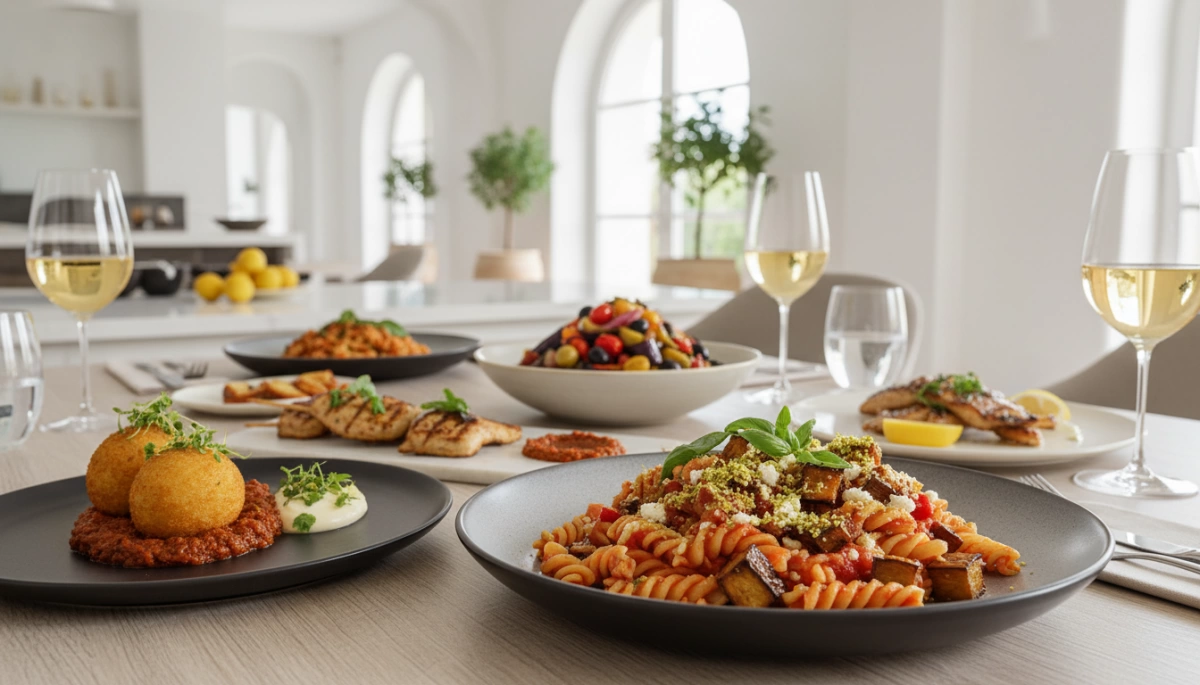
Before you leave, make sure to try Pasta alla Norma, another Catanian specialty named after the famous opera. This dish of pasta with tomato sauce, fried eggplant, ricotta salata, and fresh basil is flavorful yet simple—perfect for a final meal that sums up Sicily’s rich food heritage.
If you want to explore more about why European regions offer such unique food experiences, check out this guide on 9 reasons Europe is better in spring. It helps set the mood for food travel in places like Sicily with its fantastic markets and fresh ingredients.
Enjoy Catania’s food markets and end your trip with the sweetest goodbye Sicily can offer.
The Sicilian Foodie Bucket List (Quick Checklist)
When in Sicily, there are certain dishes you simply can’t miss. This quick checklist highlights 10 iconic foods that capture the island’s rich culinary heritage:
- Cassata Siciliana – A colorful, layered cake stuffed with ricotta, candied fruits, and marzipan.
- Caponata – Sweet and sour eggplant stew with tomatoes, olives, capers, and celery.
- Busiate Pasta – Hand-rolled pasta native to western Sicily, often served with pesto trapanese or rich meat sauces.
- Panelle and Crocchè – Chickpea fritters and potato croquettes, beloved street foods often found at Palermo markets.
- Arancini – Fried rice balls stuffed with ragù, cheese, or peas. Don’t forget the ongoing Palermo vs. Catania rivalry!
- Pasta alla Norma – Classic Sicilian pasta with fried eggplant, ricotta salata, tomato sauce, and basil.
- Modica Chocolate – Grainy, cold-processed treat with an Aztec origin, a must-try when visiting the Baroque towns.
- Cannoli with Sheep Ricotta – Crispy pastry tubes filled with creamy, slightly sweetened ricotta cheese.
- Sicilian Granita with Brioche – Refreshing semi-frozen dessert paired with a soft, buttery bun, perfect for breakfast in Catania.
- Nero d’Avola Wine – Sicily’s flagship red wine, ideal for pairing with any meal on your food travel Sicily guide.
Tick these off your list and you’ll taste the full spectrum of Sicilian flavours. For a deeper dive into street eats and market finds along the way, check out this detailed Sicilian street food tour for inspiration.
Practical Tips for Dining in Sicily
When dining across Sicily, there are a few key things to keep in mind to make your food experience smooth and enjoyable.
Coperto (Cover Charge): Most Sicilian restaurants add a small cover charge called coperto per person. This usually covers bread and table service and can range from €1 to €3. It’s not optional, so don’t be surprised when it appears on the bill.
Siesta Hours: Many restaurants close in the afternoon between roughly 3 PM and 7:30 PM, especially outside the main tourist areas. Plan your meals accordingly, or use this quiet time to explore Sicilian street food markets or enjoy a relaxed aperitivo.
Reservations: Especially in summer or during festivals, booking ahead for dinner is a must. Popular spots in Palermo, Ortigia, or Ragusa fill up fast, particularly if you’re after Michelin-starred Sicilian fine dining or sought-after local trattorias known for traditional dishes like Pasta alla Norma.
These tips will help you avoid common pitfalls and make the most of your Sicilian food adventure. For more on managing travel moods and food exploration, check out this travel tips guide for handling travel anxiety.
Final Thoughts: Bringing the Flavors Home
After a week exploring Sicily’s rich food heritage, taking some edible souvenirs home is the best way to keep those memories alive. Sicilian olive oil is a must-buy—its vibrant, peppery notes bring a touch of the island to any meal. Don’t forget to grab some dried oregano, a staple herb that captures the essence of Sicilian cooking and can elevate ordinary dishes back home.
For something truly unique, pack some Modica chocolate. This grainy, cold-processed treat carries centuries of history and a flavor unlike any other chocolate you’ve tried—perfect for sharing or savoring solo.
When shopping for souvenirs, local markets and agriturismo shops are ideal spots to find authentic products, ensuring you bring back real Sicilian taste. These edible gifts make fantastic presents, letting friends and family enjoy a slice of your unforgettable Sicilian food travel adventure.
For more tips on slow travel and savoring authentic regional flavors, check out this guide on traveling slow and enjoying local experiences.