
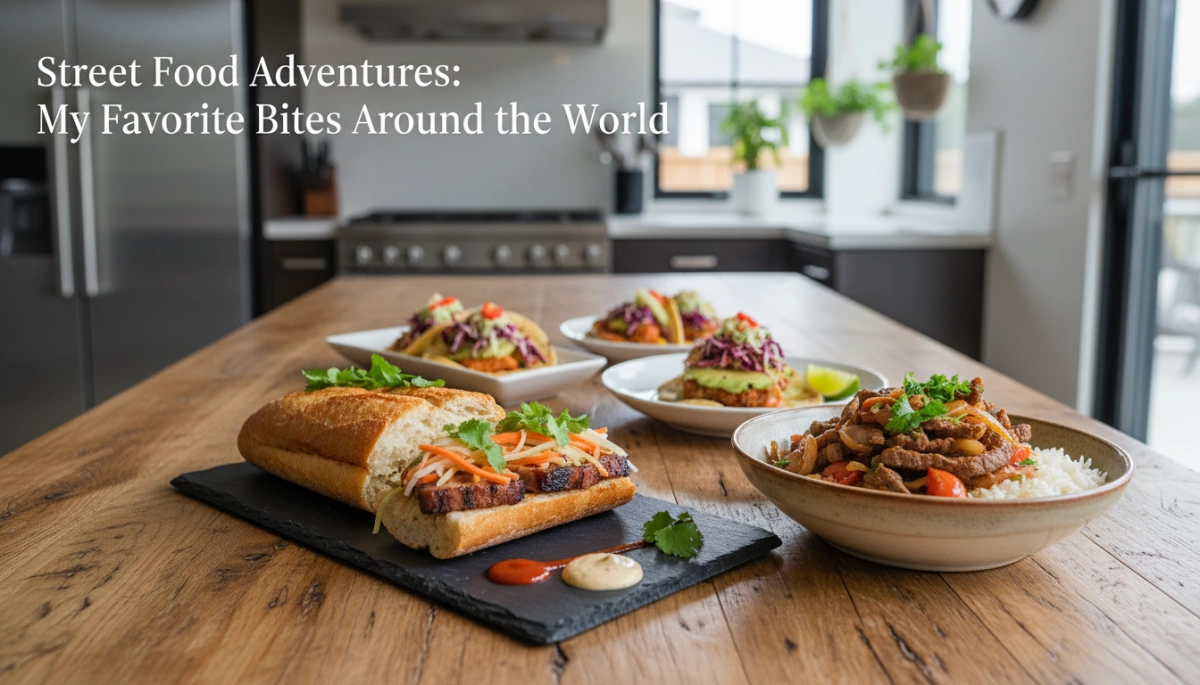
Why We Eat on the Street: The Philosophy of Curb Dining
Have you ever wondered why street food feels so different—and special—compared to eating in a fancy restaurant? There’s something raw and real about curb dining that connects us deeply to culture and flavor. Street food isn’t just about grabbing a cheap bite; it’s a full-on cultural dining experience that invites you into an authentic local cuisine story.
Cultural Connection
Eating street snacks outdoors means sharing space with locals, tasting recipes passed down for generations. It’s like getting a front-row seat to global gastronomy in its purest form. Night market food stalls and hawker centers act as vibrant social hubs, where food unites people regardless of background. When you eat amidst the buzz and chatter, you become part of a lively tradition.
The “Open Kitchen” Concept
One of the coolest aspects of street food is watching your meal come to life right in front of you. The “open kitchen” concept strips away the mystery—you see the sizzling spices, the chopping, the tossing in the pan. This transparency reassures that the food is fresh and lovingly prepared. You can almost taste the energy and skill packed into every bite of those traditional street snacks.
Budget vs. Quality
Think street food is just budget eats? Think again. Many of the best bites in cities worldwide balance affordability with top-notch quality. Backing local vendors means you get genuine flavors without breaking the bank—a win for culinary tourism enthusiasts and backpackers alike. So don’t let price fool you; street food often delivers more flavor and authenticity than pricier options.
Here’s why curb dining makes your foodie bucket list:
- Immersive cultural dining experiences
- Access to hidden food gems and local delicacies
- Direct interaction with passionate cooks
- Incredible value without sacrificing taste or hygiene
- A chance to explore spicy street food and diverse global flavors
Next time you’re traveling or exploring your city, ditch the typical restaurants for a street food adventure. You’ll discover real stories, richer tastes, and a connection to people through every curated food tour or spontaneous find. Street food isn’t just eating; it’s traveling with your taste buds.
Asia: The Undisputed King of Street Eats
Asia truly stands out as the ultimate destination for authentic local cuisine and traditional street snacks. Every city offers a unique culinary experience that showcases the region’s diverse flavors and cultures, making it a hotspot for culinary tourism and a must for any foodie bucket list.
Bangkok, Thailand: The Holy Grail
Bangkok’s night market food stalls serve up spicy street food that’s famous worldwide. From the iconic Pad Thai to mango sticky rice, each dish blends bold flavors crafted with local ingredients. The bustling streets are a haven for cheap eats travel, where quality and budget meet in perfect harmony.
Hanoi, Vietnam: Plastic Stools and Broth
In Hanoi, the street food culture thrives around simple plastic stools lining the sidewalks. Here, Pho and other broths simmer slowly in open kitchens, delivering comforting, authentic meals that connect you with Vietnamese traditions. This hands-on dining style is perfect for cultural dining experiences and discovering hidden food gems.
Osaka, Japan: The Nation’s Kitchen
Osaka’s street food scene is vibrant, offering delicious takoyaki and okonomiyaki, reflecting the region’s proud culinary heritage. The city offers a curated food tour experience that highlights the best hawker center guide-worthy stalls, blending traditional street snacks with meticulous preparation. For travelers visiting during the rainy season, it’s wise to be prepared with essentials from a reliable packing list for rainy season in Japan.
Singapore: The Hawker Center Heritage
Singapore’s hawker centers are legendary, combining diverse influences from Chinese, Malay, and Indian cuisines under one roof. These centers are a masterclass in food hygiene safety tips and affordable, quality street food. Visiting a hawker center is more than a meal—it’s a cultural dining experience that captures the city’s spirit and global gastronomy all at once.
For a deeper dive into how street food became such a significant part of Asian culture, check out this detailed look at how street food became mainstream.
The Americas: Spice, Corn, and Smoke
When it comes to street food, the Americas bring an explosion of spice, corn, and smoky flavours that tell stories of ancient traditions and modern twists. The diversity here is incredible, with each city offering a unique local delicacy that’s both authentic and affordable—perfect for anyone on a cheap eats travel budget.
Mexico City, Mexico: The Taco Chronicles
Tacos are the heartbeat of Mexico City’s street food scene. From simple corn tortillas loaded with grilled meats to vibrant salsas and fresh toppings, these traditional street snacks highlight Mexican culinary tourism at its best. Wander through night market food stalls or busy intersections, and you’ll find tacos that range from spicy street food classics to innovative creations worth adding to your foodie bucket list.
Cartagena, Colombia: Fried Comfort
Cartagena serves up fried comfort with its crispy arepas, empanadas, and carimañolas. These golden delights offer a perfect introduction to Colombia’s street food culture. Expect bold, smoky flavours that reflect the city’s Caribbean influence, combined with a rich culinary history. These hidden food gems satisfy cravings without breaking your backpacking food budget.
New York City, USA: The Melting Pot
New York City’s street food represents the world’s flavours in one place. Here, you can explore everything from spicy Middle Eastern kebabs to classic New York hot dogs and pretzels. The city’s food stalls embrace global gastronomy with a fast-paced, multicultural flair, making it a top destination for curated food tours and cultural dining experiences that never disappoint.
For those looking to explore global street meals safely and authentically, it’s crucial to keep an eye on food hygiene safety tips and know how to spot a safe stall. With these dishes and cities on your map, you’re set for a true taste of the Americas.
Europe & The Middle East: Classics and Kebabs
Europe and the Middle East serve up some of the most iconic street food spots, blending tradition with bold flavors. Take Istanbul, Turkey, where street vendors offer mouthwatering kebabs that are a true bridge between continents—combining the best of Europe and Asia on your plate. The vibrant bazaars and night market food stalls create a cultural dining experience, perfect for those chasing authentic local cuisine.
Over in Berlin, Germany, the humble currywurst reigns supreme. This spicy street food, a simple sausage drenched in curry ketchup, has a cult following. It’s a must-try for anyone on a foodie bucket list, showcasing how traditional street snacks can capture a city’s spirit.
Down south, Palermo, Italy, offers a different vibe with its gritty Sicilian street eats. From arancini to panelle, Palermo’s food stalls serve up hearty local delicacies that reflect its rich culinary history. For travelers keen on culinary tourism, these stalls provide an immersive taste of Sicilian life beyond the fancy restaurants.
If you’re curious about how European street food stands out from other regions, check out this guide on why Europe is better in the food scene and how to handle culture shock when trying new flavors. These insights will help enrich your street food adventures throughout these diverse regions.
The Unwritten Rules of Street Food (Practical Guide)
Eating street food is one of the most authentic local cuisine experiences, but it comes with unspoken rules to ensure safety and enjoyment. Here’s a quick guide to help you navigate those night market food stalls or bustling hawker centers with confidence.
How to Spot a Safe Stall
When hunting for local delicacies, look for:
- High turnover: Busy stalls mean fresh ingredients and many satisfied customers.
- Cleanliness: Watch how food is handled and if the staff use gloves or utensils.
- Cooking in front of you: The “open kitchen” concept allows you to see hygiene standards firsthand.
- Local patronage: If locals keep coming back, it’s a good sign of quality and safety.
For more detailed tips on food hygiene safety, you can check out practical advice on how to stay safe while traveling.
Overcoming the Language Barrier
Many street vendors don’t speak much English, but don’t let that stop you:
- Use visuals: Point to items on the menu or pictures.
- Simple phrases: Learn a few key words like “spicy,” “no peanuts,” or “vegetarian.”
- Body language: Gestures and smiles go a long way.
- Apps: Foodie apps with translation features can help you order traditional street snacks with ease.
Cash is King
Most street food vendors operate on a cash-only basis—credit cards or mobile payments are often not accepted. Always carry small bills and coins to tip or pay quickly. Using cash also helps you blend in and engage better with the local culture.
Mastering these unwritten rules lets you enjoy cheap eats travel without worry, turning every meal into a rich cultural dining experience.