The Diagnostic Tool: Knowing Where You Stand
Dealing with culture shock starts with understanding where you are on the journey. The U-Curve of Adjustment is a simple yet powerful way to diagnose your experience in a new country. It breaks down the acculturation process into four clear stages:
- Honeymoon: Everything feels exciting and new. You’re eager to explore and often overlook small annoyances.
- Frustration: Reality hits — language barriers become frustrating, cultural misunderstandings pile up, and feelings of social isolation abroad can set in.
- Adjustment: You start figuring out how to navigate your new environment, adopting integration strategies and finding routines that work.
- Mastery: You gain confidence, feel more at home, and begin to enjoy living in a foreign country fully.
Why does knowing your stage matter? Because recognizing where you stand helps you manage your emotions and responses better. For example, if you’re stuck in frustration, it’s normal to feel anxious or homesick — common homesickness remedies often aren’t enough until you move into adjustment. By diagnosing your phase, you can choose the right tools from your survival kit and avoid getting overwhelmed by the tough times.
So, whenever you feel lost or on edge, ask yourself: Which part of the U-Curve am I in right now? This insight gives you a clearer direction and reminds you that culture shock is a process, not a permanent state. We’re all in this together, learning to adapt and grow through the ups and downs of the cross-cultural adjustment.
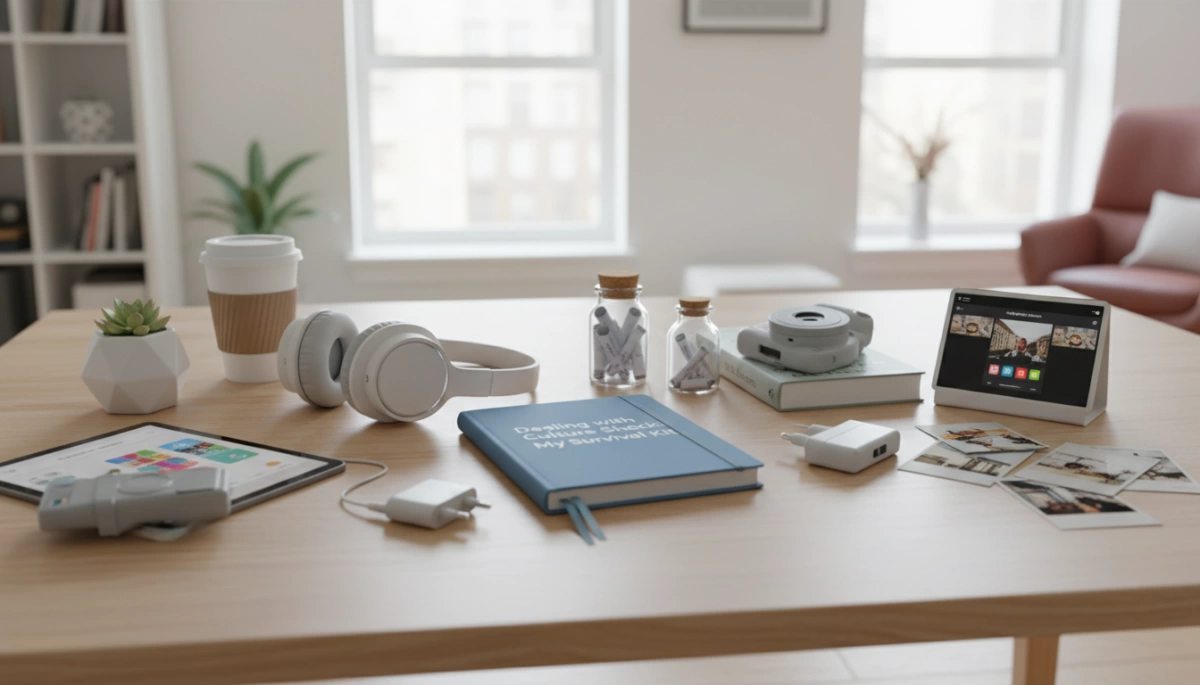
Survival Kit Component 1: The “Home Base” Anchor (Environment)
A stable home base is crucial when dealing with culture shock during your cross-cultural adjustment. Creating a stress-free living space helps cut through the overwhelm of living in a foreign country. Make your environment calming and personal—think cozy lighting, familiar scents, and a tidy setup that feels like your own little refuge.
Familiar food is a powerful comfort tool in this survival kit. Cooking or buying dishes reminiscent of home can ease homesickness and offer a psychological boost. If you’re hunting for inspiration or local markets to find staples or international ingredients, exploring options like the vibrant stalls in Madrid’s food markets might help you feel more connected. Familiar tastes anchor you psychologically, giving your brain a welcome break from constant newness.
Balancing digital detox with staying digitally connected is another important part of the “home base.” While cutting back on screens and social media helps reduce moving abroad anxiety, connecting with friends, family, or expat communities online offers emotional support and a sense of belonging. Set boundaries that let you recharge while still having access to your social support network—this balance eases culture shock and helps you rebuild your mental energy.
Survival Kit Component 2: The “Curiosity” Lens (Mindset)
One of the best ways to handle culture shock and ease the cross-cultural adjustment process is to shift your mindset from judgment to curiosity. Instead of getting frustrated by cultural misunderstandings or language barrier frustration, try to see these moments as opportunities to learn and grow. Asking questions with genuine interest helps transform confusion into fascination, making living in a foreign country feel less overwhelming.
Humor is another powerful tool to lighten the mood when mistakes happen. Laughing at yourself during awkward encounters or cultural slip-ups reduces stress and reminds you that nobody expects perfection. This approach keeps your spirits up during the challenging frustration phase of cultural adaptation stages.
Lowering your expectations is equally important. Managing moving abroad anxiety means accepting that things won’t always go smoothly, and that’s okay. By easing the pressure you place on yourself, you can better enjoy the journey toward integration and avoid burnout—a common issue found in expat mental health struggles.
In short, the Curiosity Lens invites you to be patient and open-minded as you navigate through the ups and downs of adjusting abroad. This mindset shift makes cultural adaptation less daunting and more rewarding.
Survival Kit Component 3: The “Bridge Building” Tools (Social)
Dealing with culture shock means tackling social isolation abroad head-on. One of the best ways to do this is by adopting the “Yes” policy: say yes to social invitations, new experiences, and even small talk with strangers. This helps build social momentum and creates opportunities to connect, which is crucial for smoother cross-cultural adjustment.
Next, find your tribe. Whether it’s fellow expats or locals, building a support network that understands both your background and your new environment can ease feelings of language barrier frustration and reduce expat mental health challenges. Expat groups often offer comfort through shared experiences, but don’t overlook locals—they provide insight into the culture and help with true integration strategies.
Using language buffers can also lower anxiety. This means preparing key phrases, learning a few words, or even using translation apps during conversations to help smooth over misunderstandings. It’s a practical way to navigate the acculturation process and avoid getting stuck in frustrating cultural misunderstandings.
For those in Europe, mixing social time with explorations can be a game changer. For example, joining local events or meetups near places like Canterbury offers natural settings to bridge cultural gaps while enjoying new friendships. This approach builds connections organically, helping you move beyond the social isolation abroad phase.
Survival Kit Component 4: The Physical Reset (Body)
When dealing with culture shock, your body needs as much care as your mind. Establishing a solid daily routine acts like medicine—it brings stability amidst the chaos of a new culture. Simple habits like regular meal times and consistent sleep schedules anchor your day, reducing moving abroad anxiety and helping your body adjust.
Physical movement is another powerful tool to relieve stress. Whether it’s a walk exploring your neighbourhood or a workout session, moving helps release tension and boosts mood. Exploring new places on foot is a great way to ease language barrier frustration and cross-cultural adjustment by making unfamiliar surroundings feel more familiar. If you’re curious about calming environments, consider destinations like Rotorua for inspiration in blending nature with relaxation, a balance worth seeking while abroad.
Finally, don’t underestimate the importance of maintaining good sleep hygiene. Quality sleep is essential in recovering from the mental and physical toll of cultural adaptation stages. Create a restful bedroom environment, limit screen time before bed, and keep consistent sleep hours to support your recovery from culture shock symptoms. Taking care of your body this way fuels your overall expat mental health and speeds up your integration strategies in a new country.
When the Kit Isn’t Enough: Seeking Professional Help
Sometimes, no matter how well you use your survival kit, culture shock can feel overwhelming. It’s important to recognize when what you’re experiencing goes beyond typical cross-cultural adjustment and may be leaning into expat depression symptoms. Signs like persistent sadness, loss of interest in activities, or social isolation abroad might mean it’s time to seek professional help.
Distinguishing between normal moving abroad anxiety and deeper mental health issues is key. If you notice prolonged feelings of hopelessness or difficulty functioning, don’t hesitate to reach out. Many expats find relief through accessible resources such as tele-therapy sessions, which allow you to talk from the comfort of your home base or even while exploring new destinations. Support groups, both local and online, can also offer valuable connection and understanding.
Remember, asking for help is part of the acculturation process and a vital step toward regaining balance in your global nomad lifestyle. For practical tips on managing day-to-day stress during your adaptation, consider exploring travel guides like this advice on celebrating Semana Santa in Spain, which can help you engage with local culture on your own terms.